International Beaver Day: 13 Reasons This Animal Deserves More Credit
Beavers might not receive the same admiration as majestic eagles or powerful bears, but these buck-toothed engineers profoundly shape our natural world. Often dismissed as simple dam-builders, beavers actually perform environmental services worth millions of dollars while asking for nothing but some tasty bark and branches in return.
Their impact extends far beyond the picturesque ponds we associate with their handiwork. Here is a list of 13 compelling reasons why beavers deserve much more recognition and appreciation for their contributions to our ecosystems and landscapes.
Natural Flood Control
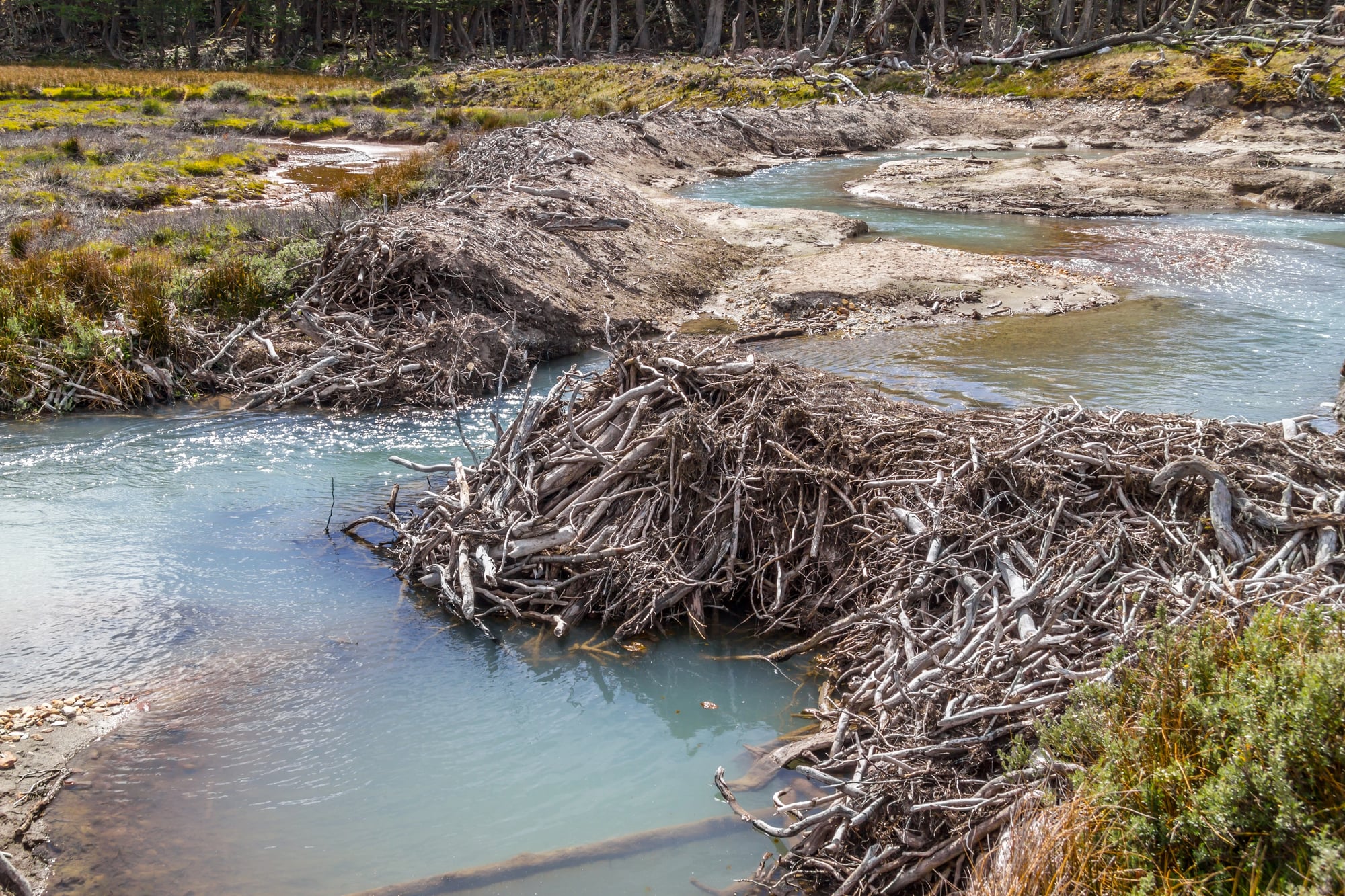
Beaver dams slow down water flow during storms or snowmelt, reducing the risk of flash flooding. These natural barriers spread water across the land instead of letting it surge downstream, which helps protect communities from flood damage.
Drought Resistance
Beaver ponds act like natural reservoirs, storing water that slowly feeds into streams during dry spells. In drought-prone regions, especially in the American West, this can be the difference between flowing streams and dry creek beds.
Water Filtration
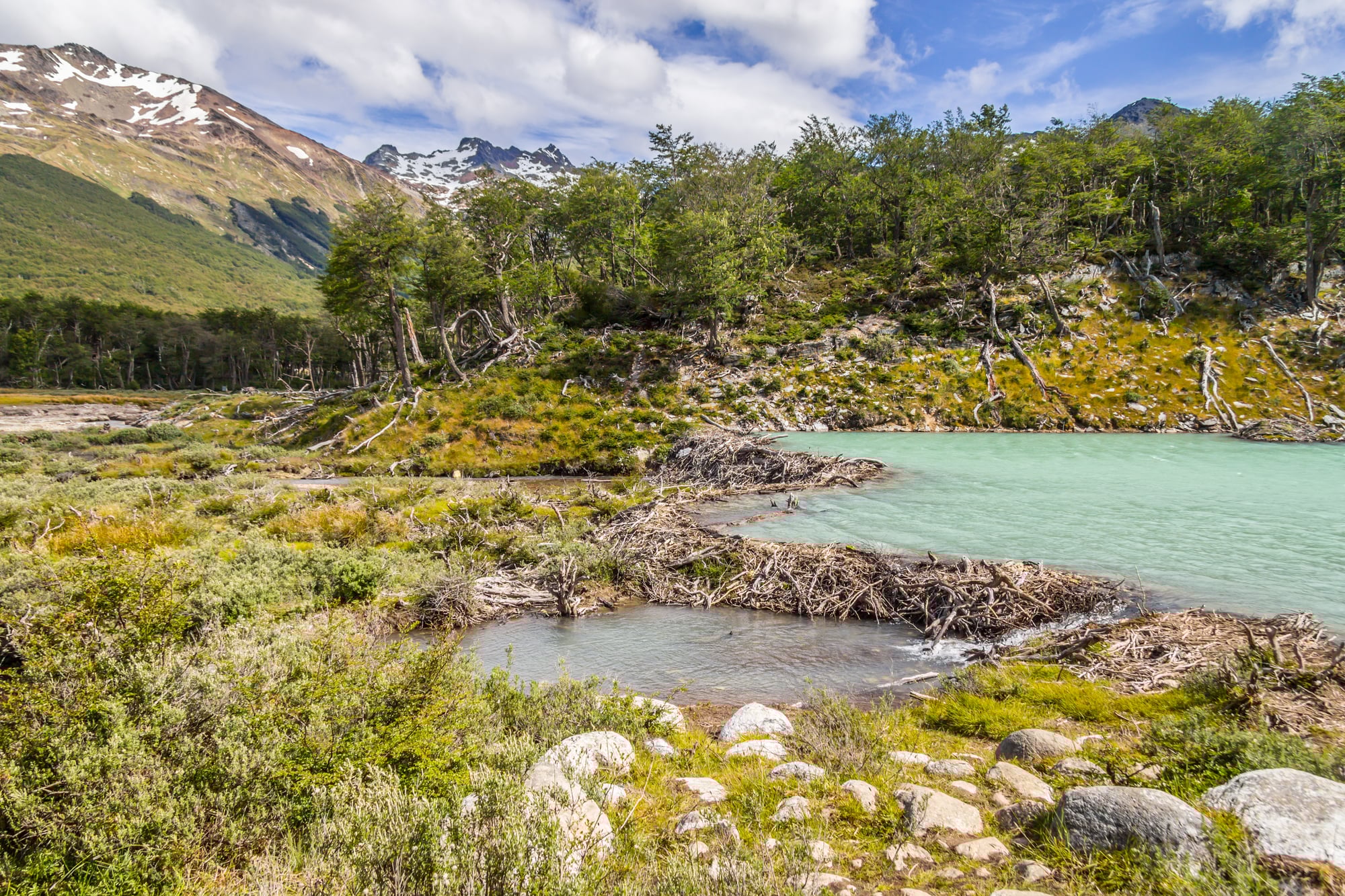
When water pools behind beaver dams, it slows down, allowing sediment and pollutants to settle. Wetland plants and microbes process excess nutrients, resulting in cleaner water downstream—essentially creating a natural filtration system.
Carbon Storage
The soggy soils in beaver-made wetlands trap organic material, preventing it from decomposing quickly. This helps store carbon and keeps it out of the atmosphere, making beaver ponds surprising allies in the fight against climate change.
Habitat Creation
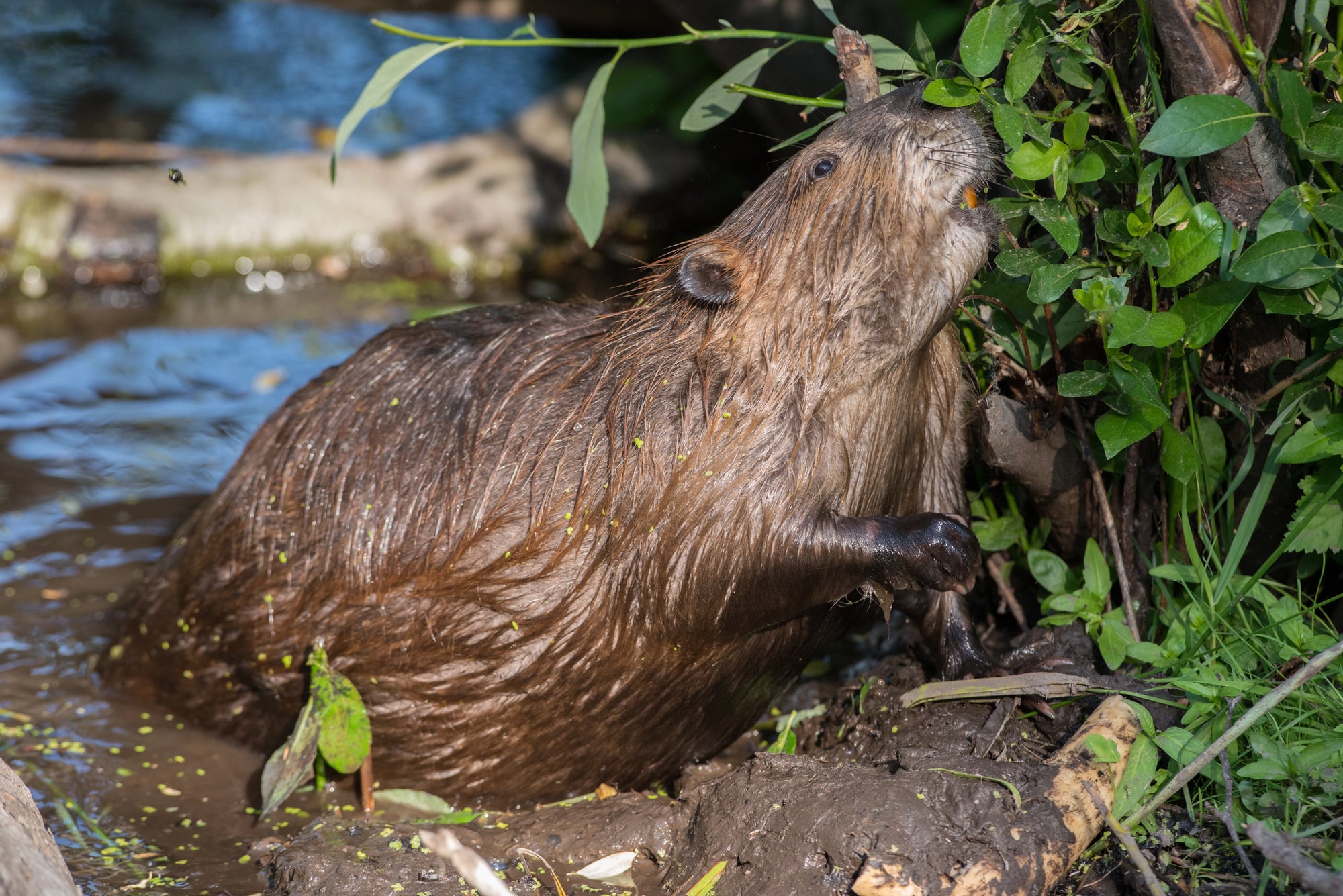
Each beaver pond becomes a bustling ecosystem, home to fish, frogs, birds, insects, and plants. Studies show biodiversity can jump by up to 85% in areas with beaver activity compared to those without.
Salmon Protection
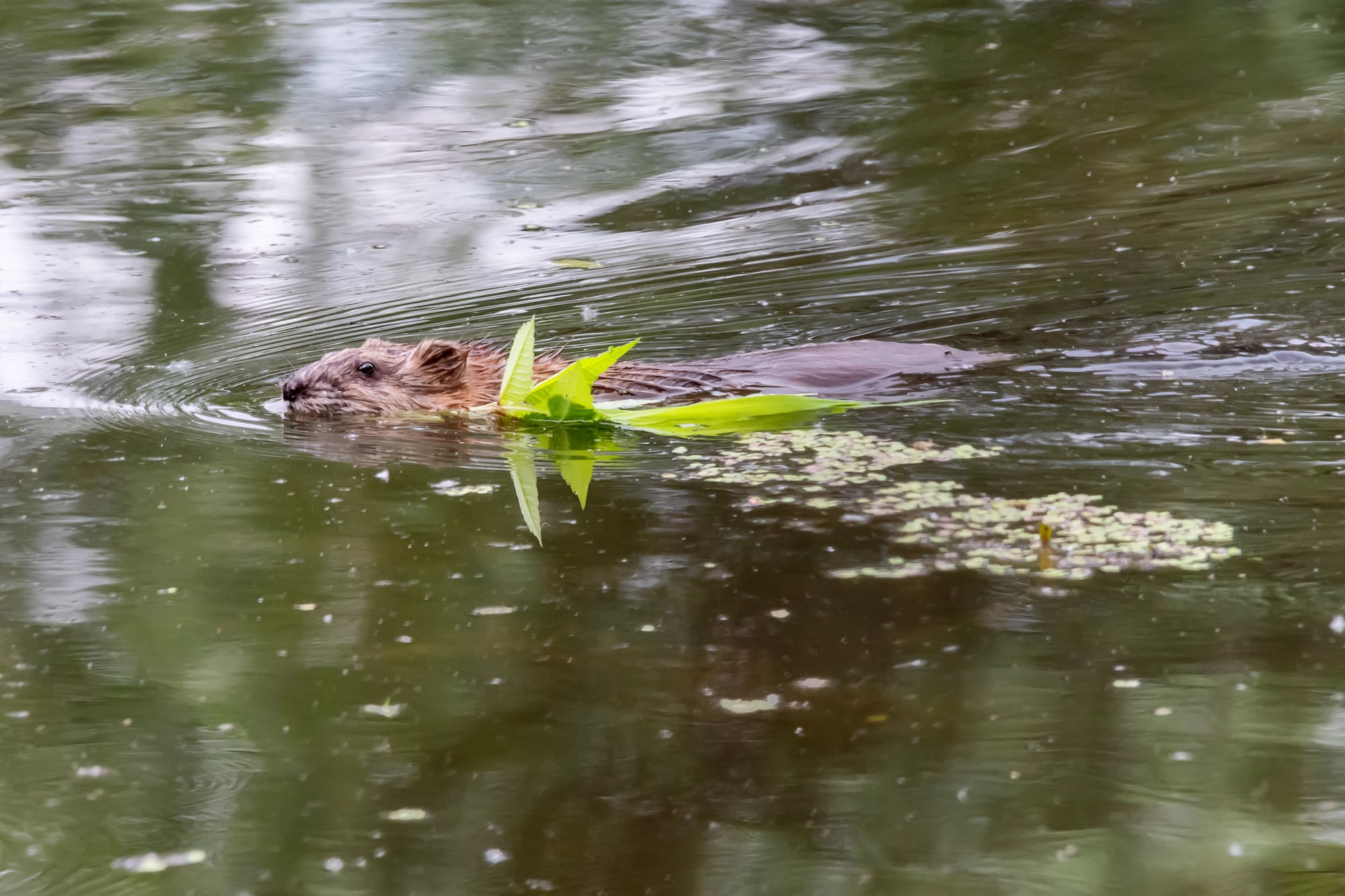
In the Pacific Northwest, beaver ponds give young salmon a place to grow and hide before heading to the ocean. Adult salmon use these cool, deep pools as rest stops on their upstream journey—without needing to worry about blocked passages.
Wildfire Resistance
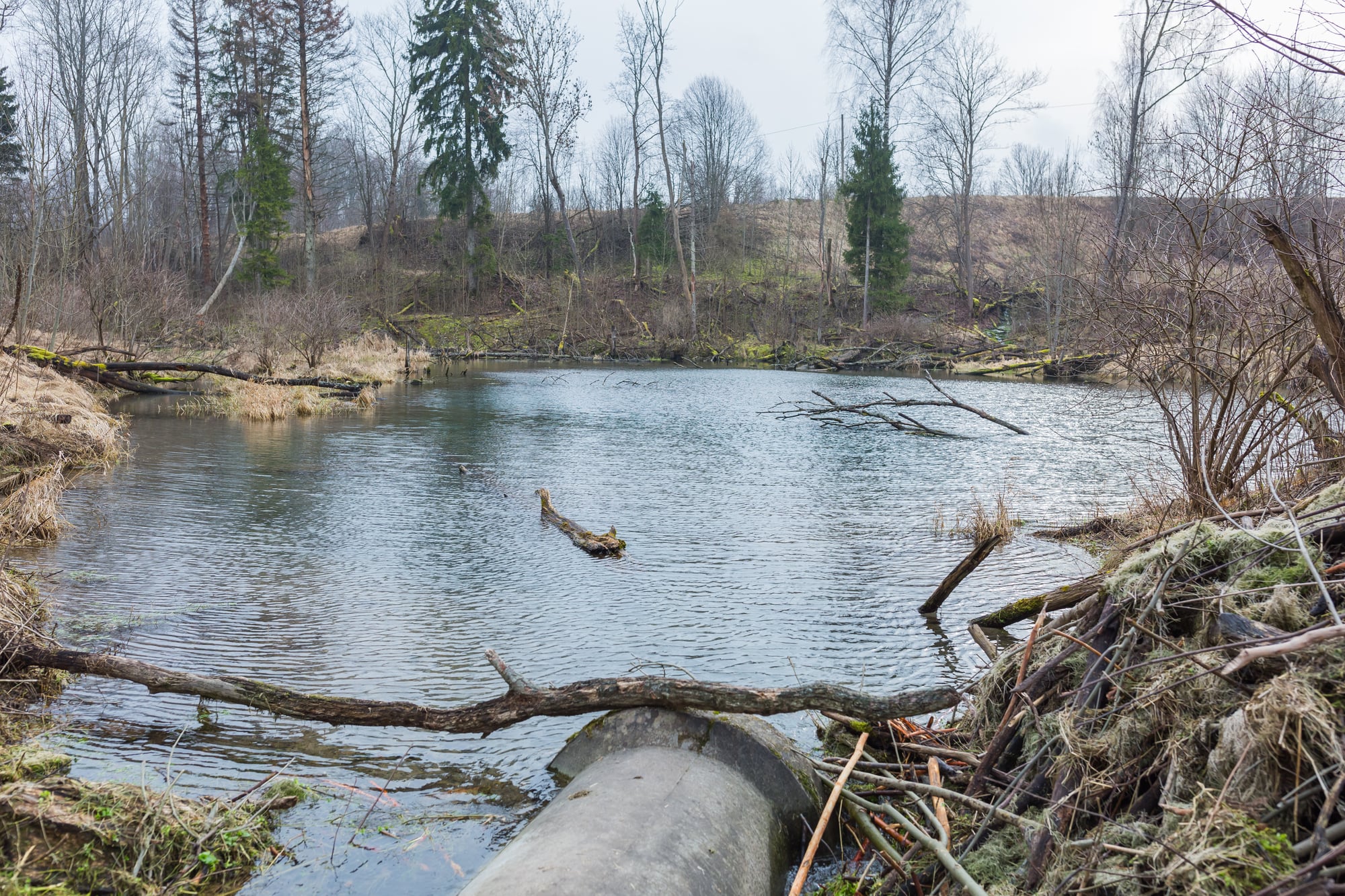
The wetlands created by beavers often act as firebreaks, slowing or stopping wildfires. Their lush vegetation and waterlogged soils resist burning, making beaver-modified areas much more resilient during fire season.
Low-Cost Stream Restoration
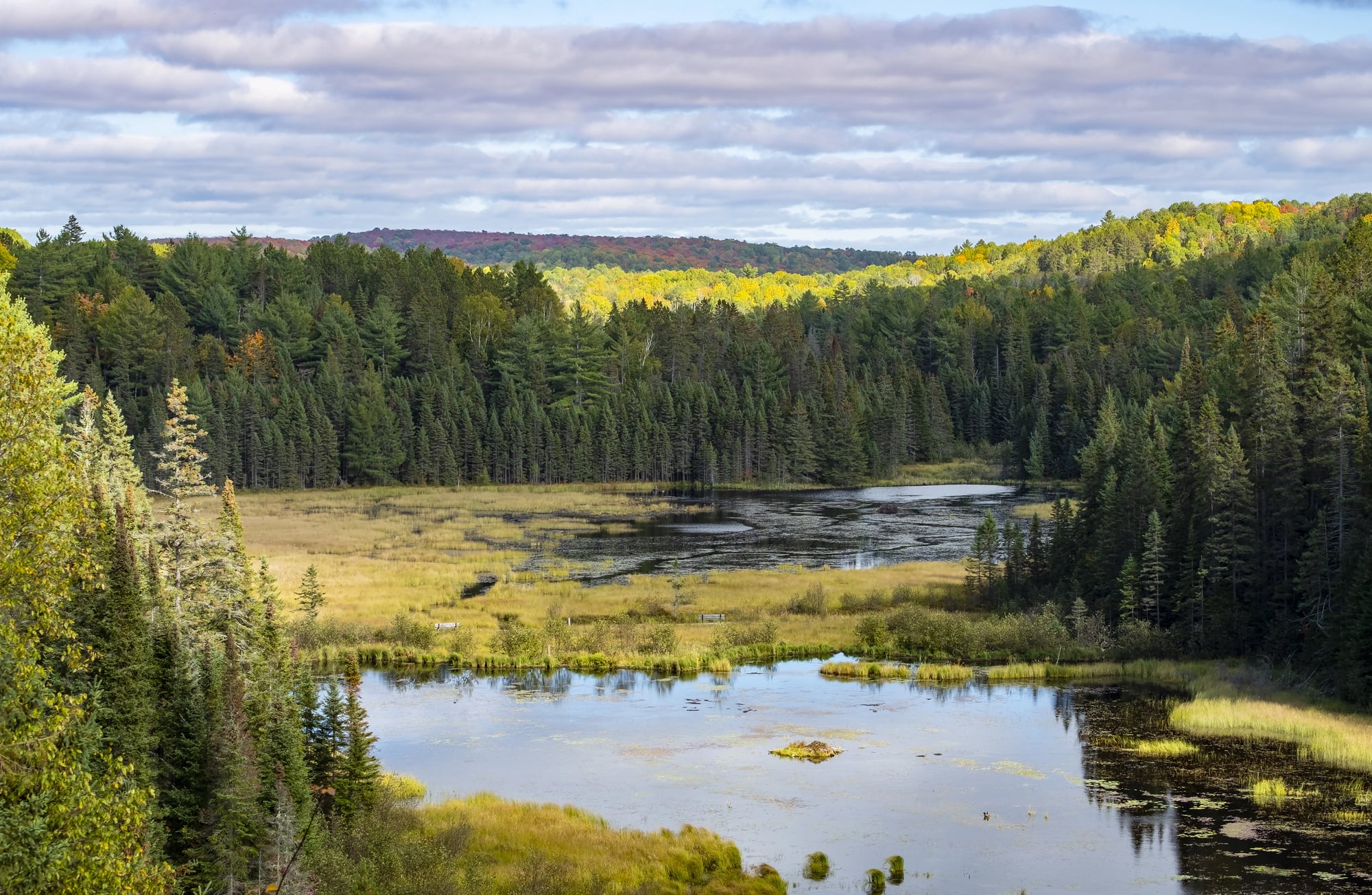
Introducing beavers can be a budget-friendly way to restore damaged waterways. While traditional restoration projects can cost a fortune, relocating a few beaver families can jumpstart ecological repair at a fraction of the cost.
Groundwater Recharge
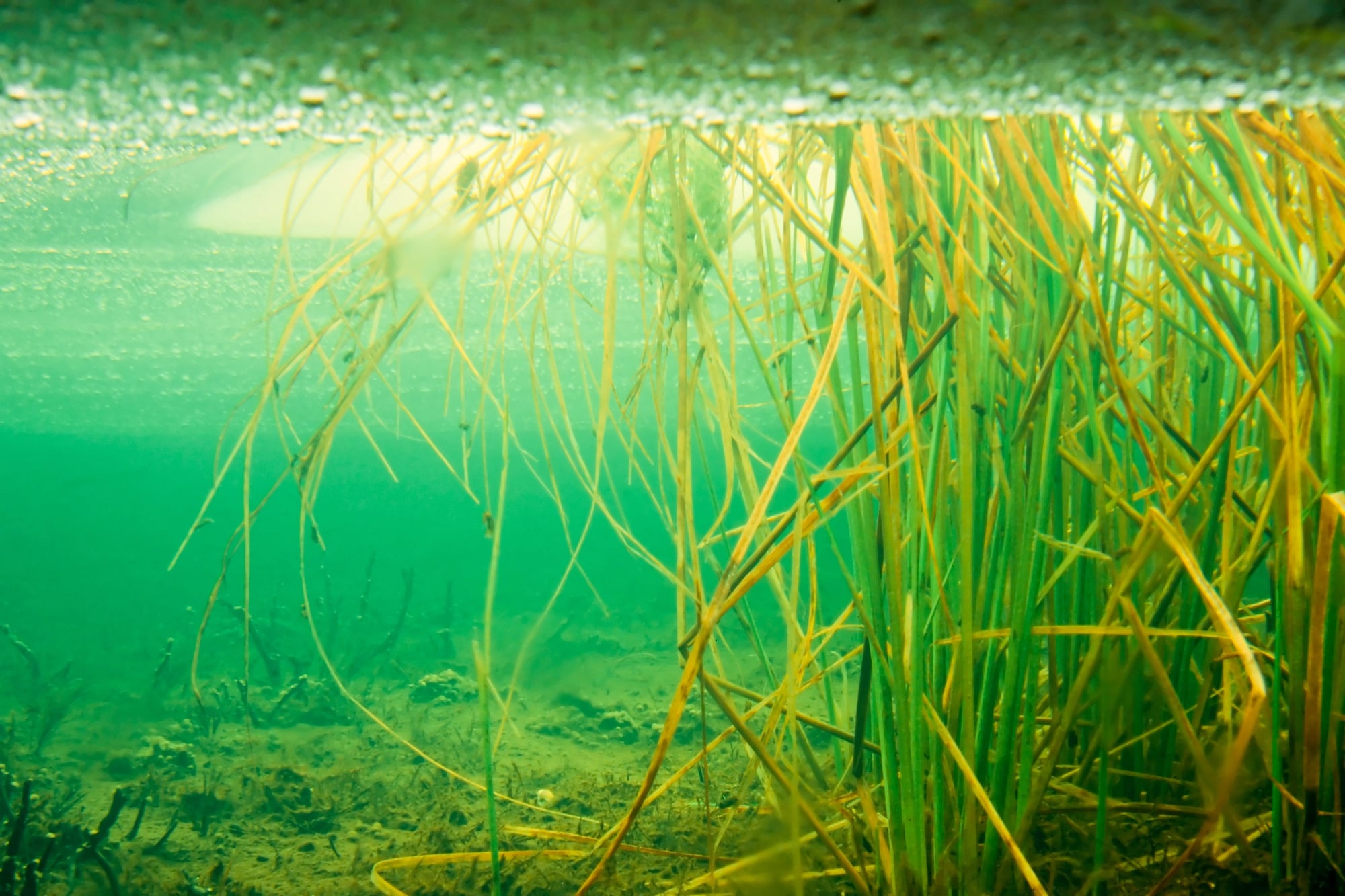
When water spreads out behind beaver dams, more of it seeps into the ground. This helps recharge aquifers and raise water tables, which benefits both wildlife and people who rely on wells and springs.
Historical Significance
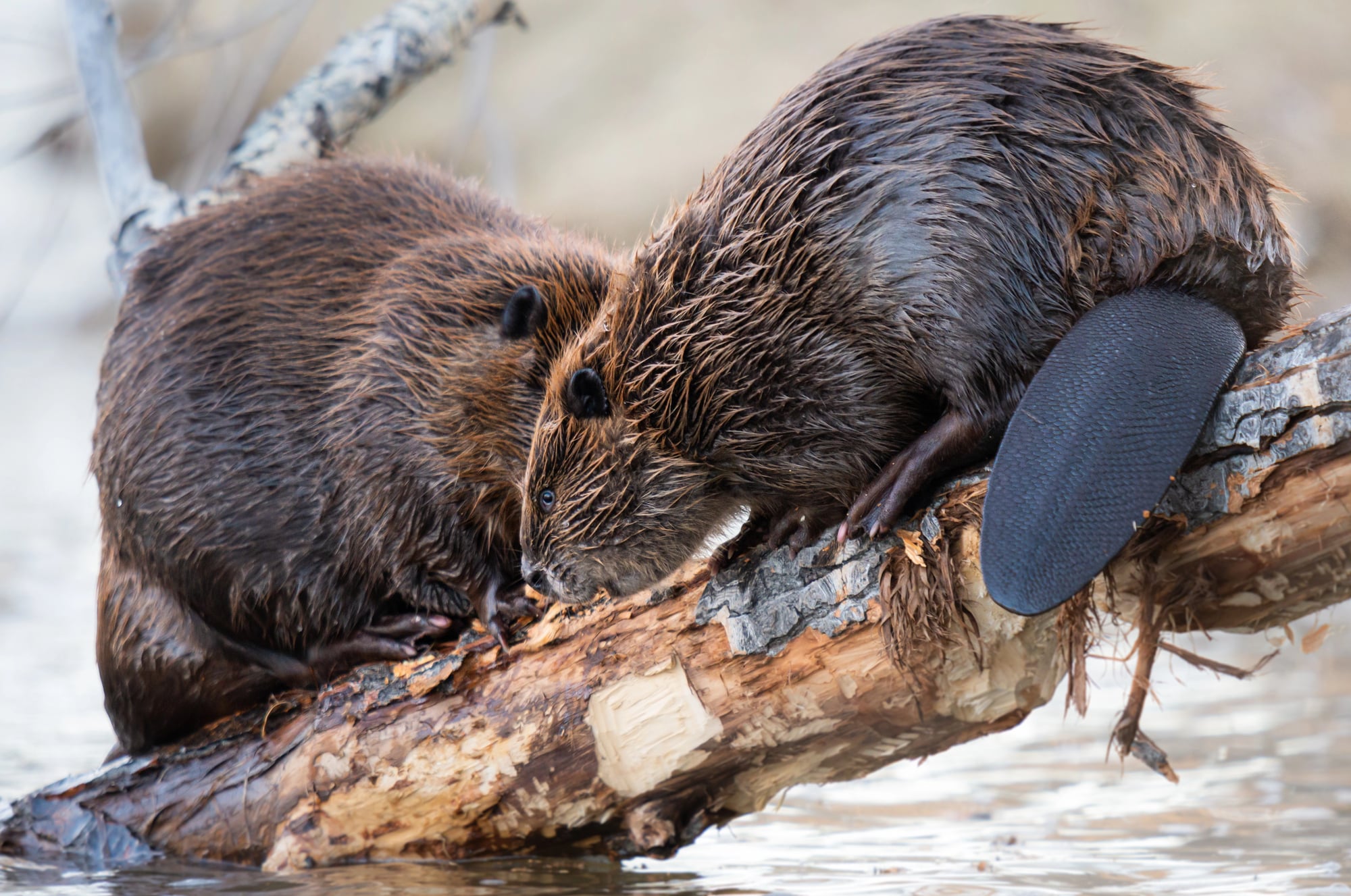
Beavers once shaped the water landscape of North America on a massive scale. Their fur was so valuable it helped drive exploration and settlement. Today’s rivers and wetlands are very different from the beaver-managed systems that once dominated the continent.
Natural Meadow Creation
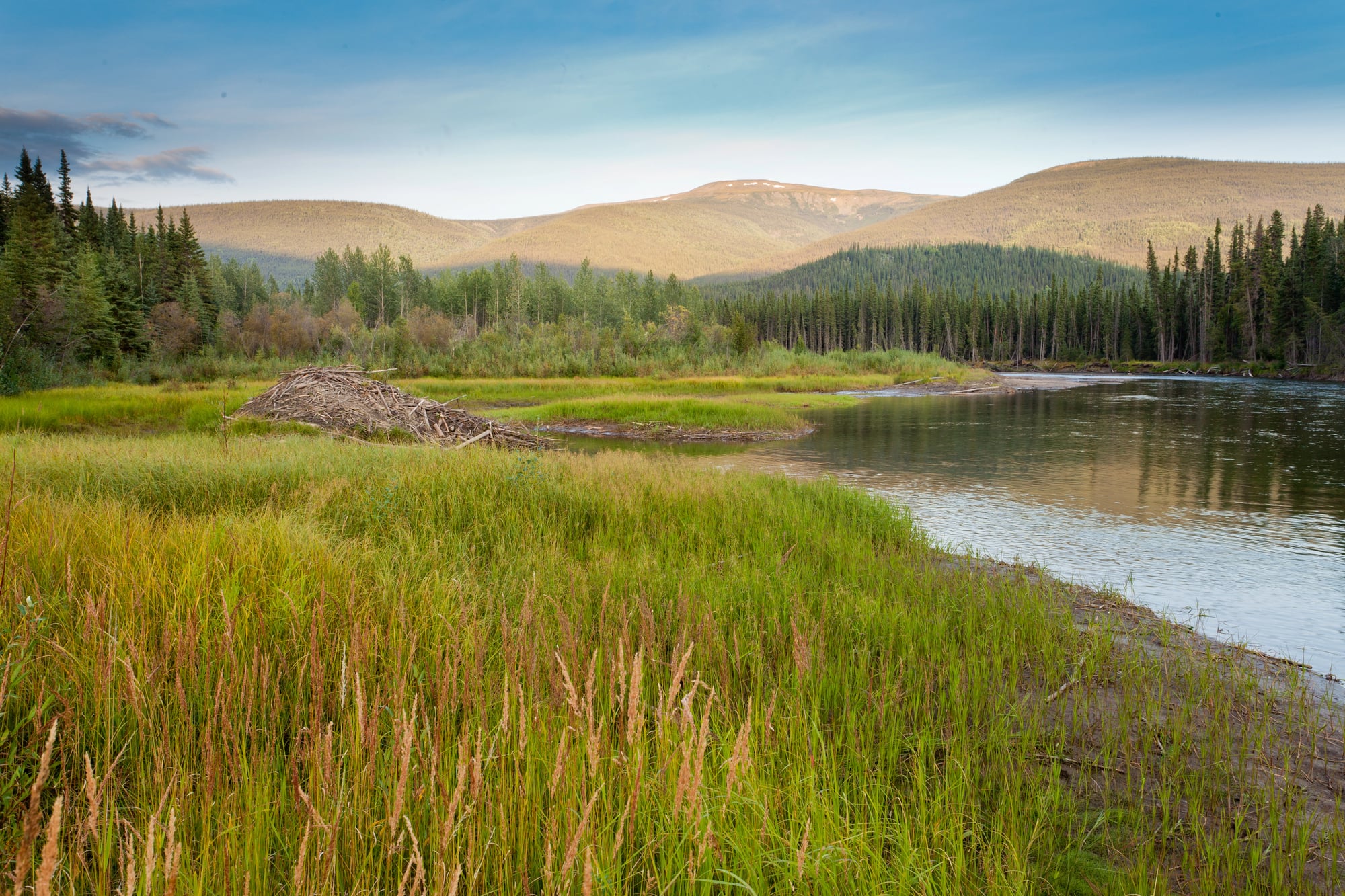
When beavers leave an old pond, the rich sediment left behind turns into lush meadows. These areas attract pollinators, grazing animals, and birds, increasing plant and animal diversity across the landscape.
Wetland Preservation
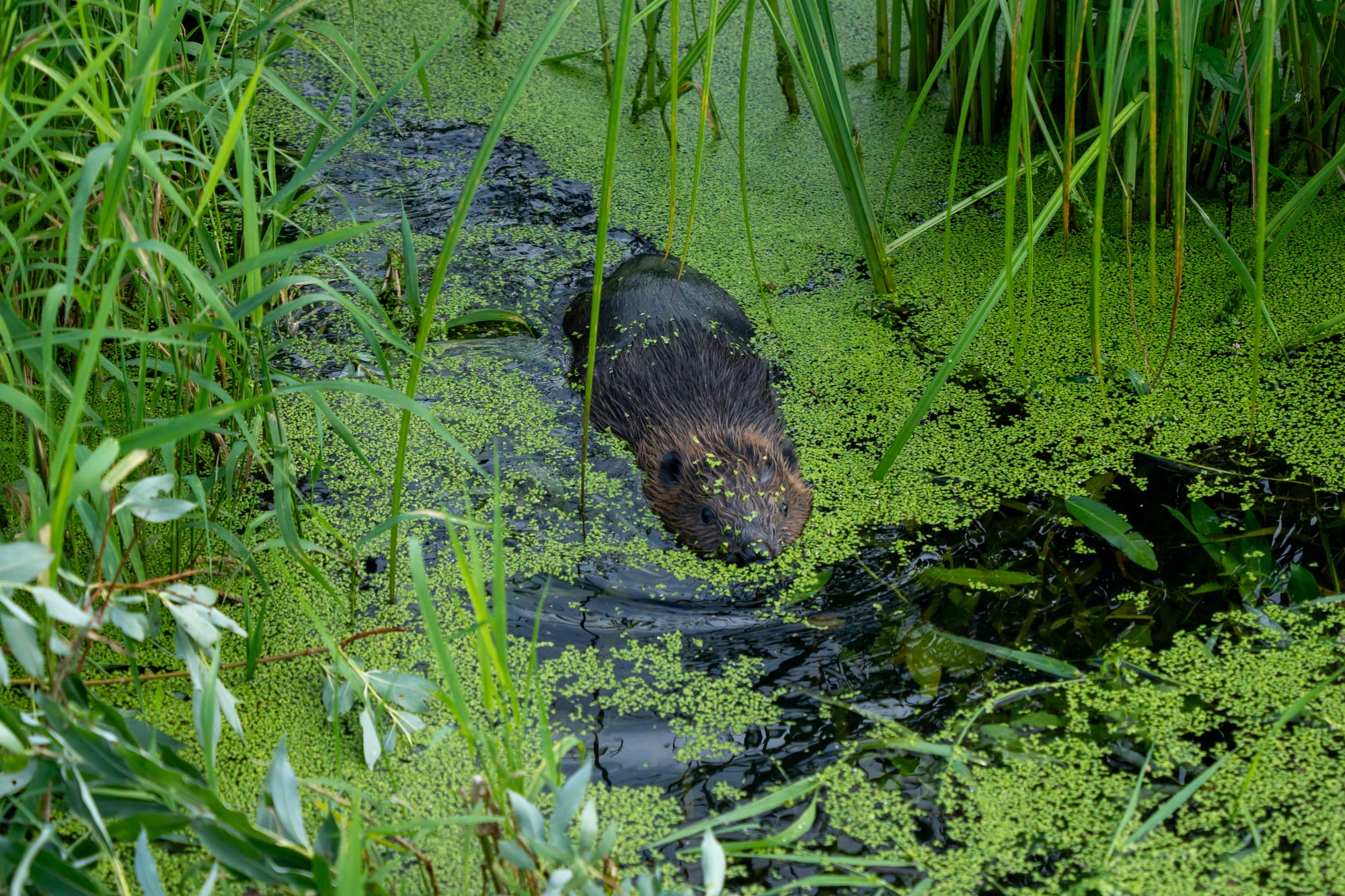
Beavers naturally create and maintain wetlands—habitats that are rapidly disappearing due to development. A single beaver family can support multiple acres of wetland, helping to preserve ecosystems that humans often struggle to restore.
Climate Adaptation
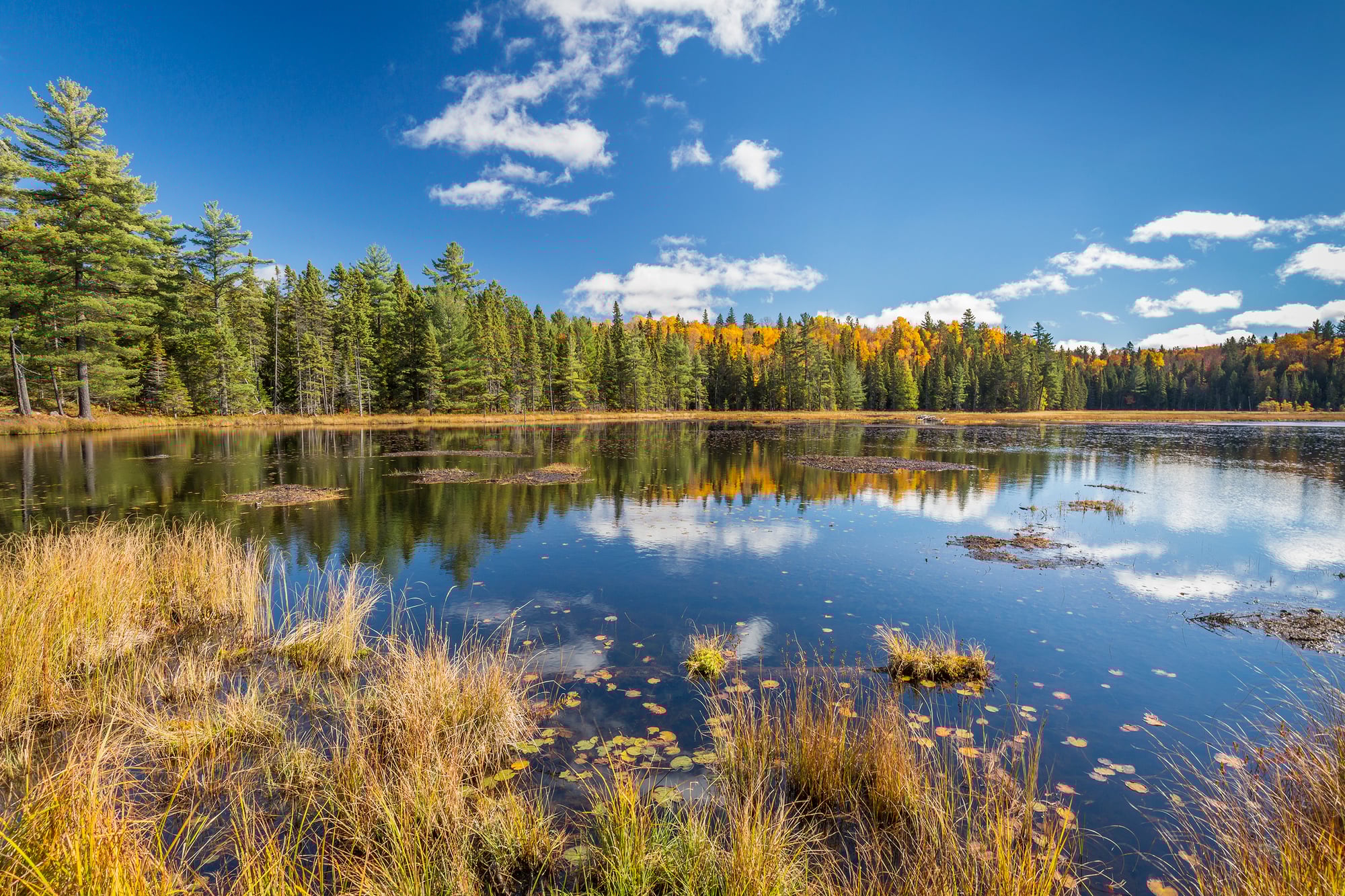
Beaver-created landscapes help buffer the effects of climate extremes by storing water and supporting biodiversity. Their habitats are cooler, wetter, and more stable—offering refuge to species stressed by warming temperatures.
Nature’s Hydrological Engineers: Partnering with Beavers
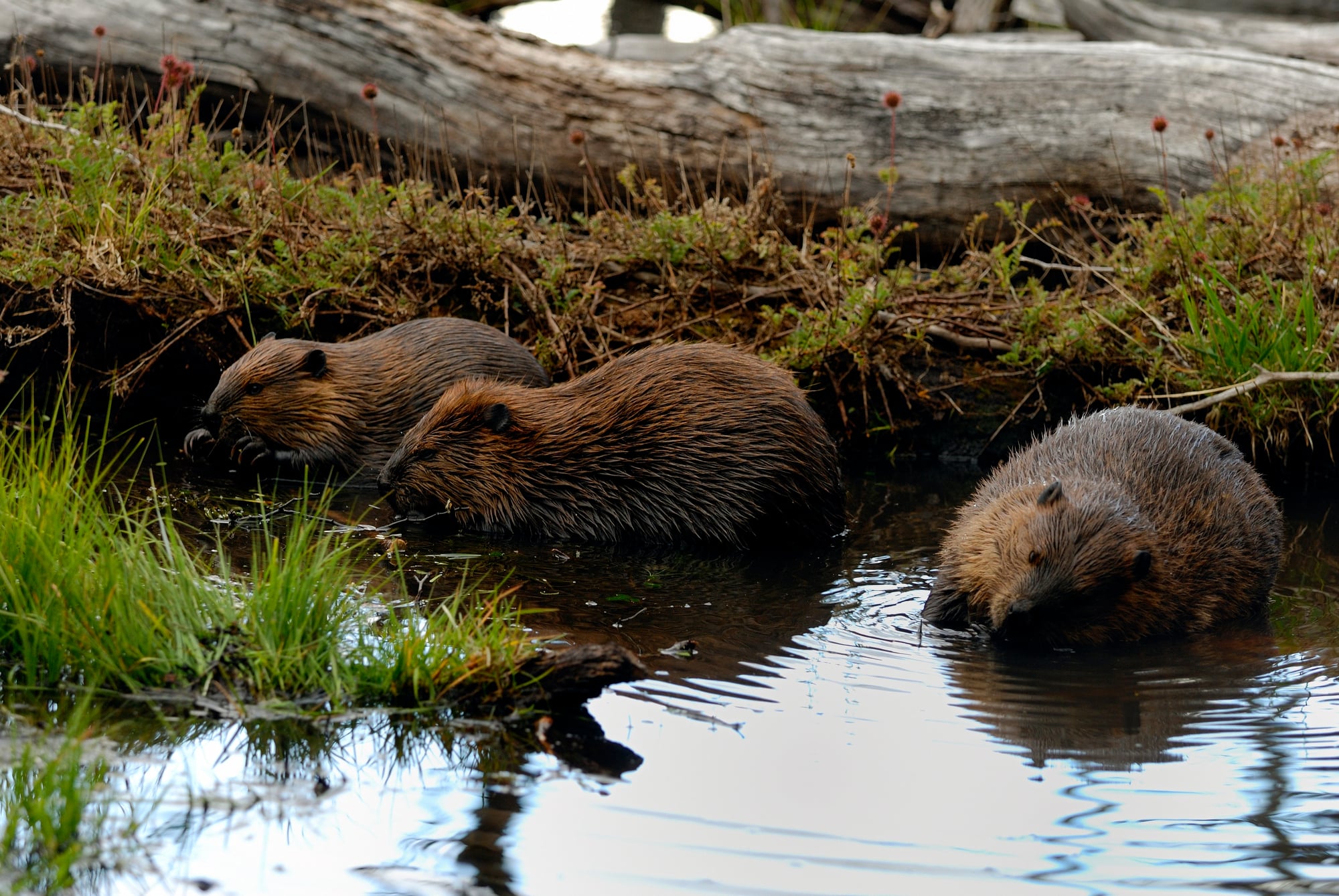
Beavers are more than just dam builders—they’re ecosystem engineers with a talent for solving environmental problems. By working with them instead of against them, we gain natural allies in climate adaptation, biodiversity support, and water management.
Their patient, persistent work is a model for sustainable living—and a reminder that nature often has the best solutions.
More from Go2Tutors!

- The Romanov Crown Jewels and Their Tragic Fate
- 13 Historical Mysteries That Science Still Can’t Solve
- Famous Hoaxes That Fooled the World for Years
- 15 Child Stars with Tragic Adult Lives
- 16 Famous Jewelry Pieces in History
Like Go2Tutors’s content? Follow us on MSN.