Crazy Facts About Bill Gates’ $100M Smart Mansion
When you’re one of the world’s richest people, your home probably isn’t going to be your average suburban house with a white picket fence. Bill Gates, Microsoft’s co-founder and tech visionary, took this concept to an entirely different level when he built his lakefront compound in Washington state.
What started as a $2 million land purchase in 1988 turned into one of the most technologically advanced and expensive private residences ever constructed. Gates spent $63 million building the mansion over seven years, and today the entire complex is valued at over $130 million.
The sheer scale and innovation packed into this home make it feel more like stepping into a science fiction movie than visiting someone’s house. Here’s a list of crazy facts about this technological marvel that’ll make you rethink what’s possible when unlimited money meets unlimited imagination.
The Name Comes from a Movie About Unhappy Rich People

The mansion earned its nickname ‘Xanadu 2.0’ as a reference to the fictional estate of Charles Foster Kane from the 1941 film Citizen Kane. The irony isn’t lost on anyone familiar with the movie’s plot.
Citizen Kane tells the story of a wealthy tycoon whose vast fortune and possessions ultimately fail to bring him happiness. Gates’ biographers gave the house this name, perhaps as a subtle commentary on wealth and materialism.
It’s Basically a Small Town Disguised as a House

At 66,000 square feet, this isn’t just a big house—it’s practically a small municipality. To put that in perspective, the average American home is around 2,000 square feet, meaning you could fit about 33 typical houses inside Gates’ place.
The construction required 300 laborers working for seven years, using 500 Douglas fir trees and seven different types of stone. The sheer logistics of building something this massive are mind-boggling, especially considering it’s all for one family.
Like Go2Tutors’s content? Follow us on MSN.
You Get a Tracking Device at the Front Door

When you visit Xanadu 2.0, you’re given an electronic pin that clips to your clothes and connects you to the house’s electronic services. This isn’t just a fancy name tag—it’s a sophisticated tracking system that monitors your location throughout the mansion.
The pin syncs with sensors embedded in the floors and walls, automatically adjusting lighting, temperature, and music to match your personal preferences as you move from room to room. It’s like having an invisible butler following you around, except the butler is actually an entire computer network.
The House Knows If You’re Not Supposed to Be There

The mansion’s floors contain sensors that can detect anyone walking around without an authorized pin. If you’re wandering the halls without your electronic credentials, you’ll trigger the security system.
This means the house literally knows where everyone is at all times and can distinguish between invited guests and potential intruders. Gates originally speculated that cameras with facial recognition technology might eventually replace the pin system, showing he was thinking about smart home security decades before it became mainstream.
There Are More Bathrooms Than Most Hotels

The mansion contains 24 bathrooms, with 10 of them being full bathrooms complete with bathtubs. That’s more bathrooms than some small hotels, and certainly more than anyone could realistically need.
Despite the enormous size of the house, there are only seven bedrooms, making the bathroom-to-bedroom ratio absolutely bonkers. Gates clearly prioritized guest comfort and convenience, ensuring no one would ever have to wait in line or walk far to find facilities during large gatherings.
Like Go2Tutors’s content? Follow us on MSN.
The Pool Has Its Own Building and Underwater Sound System

The 60-foot swimming pool isn’t just stuck in some corner of the house—it has its own dedicated 3,900-square-foot building. The pool features an underwater sound system for a multisensory swimming experience, and there’s a glass wall that swimmers can pass under to reach an outdoor terrace.
This isn’t your typical backyard pool setup. The entire structure rivals many community recreation centers, and the underwater audio system means you can literally swim to your favorite playlist.
Six Kitchens Because Why Not

The mansion includes six separate kitchens scattered throughout the property. While most people struggle to keep one kitchen organized, Gates apparently decided he needed half a dozen.
This makes sense when you consider the size of the house and the scale of entertaining he likely does. The formal dining room alone can accommodate large dinner parties with breathtaking views through its wall of glass.
The Library Houses a $30 Million Leonardo da Vinci Manuscript

The mansion’s 2,100-square-foot library contains the Codex Leicester, a 16th-century manuscript written by Leonardo da Vinci, which Gates purchased for $30.8 million. The library features a domed ceiling with an inscription from The Great Gatsby that reads: ‘He had come a long way to this blue lawn, and his dream must have seemed so close that he could hardly fail to grasp it.’
The library also includes at least two secret chambers, one of which houses a bar. It’s like something out of a mystery novel, complete with hidden passages and priceless historical documents.
Like Go2Tutors’s content? Follow us on MSN.
Digital Art Gallery That Changes at Your Whim

Storage devices and computer screens worth $80,000 are installed throughout the mansion, displaying artwork and photographs that can be changed instantly. If you get bored with the Picasso, you can switch it out for a Van Gogh or Monet at the touch of a button.
The house features entire walls made of oversized displays that allow guests to choose what art they want to see, anticipating today’s trend of digital galleries and NFT displays. The storage devices alone that hold Gates’ digital art collection cost $150,000.
A 40-Year-Old Tree Gets VIP Treatment

When a 40-year-old maple tree was encroaching on the driveway during construction, Gates didn’t cut it down—he gave it high-tech life support instead. The tree is monitored around the clock by sensors, with water automatically pumped to it whenever it gets too dry.
This tree probably receives better healthcare than most humans, complete with its own dedicated monitoring system. It’s a perfect example of Gates applying technology to solve problems that most people would handle with an axe.
The Beach Sand is Imported from the Caribbean

The lakefront shore of Xanadu 2.0 features sand imported from St. Lucia, which is delivered by barge each year. Lake Washington apparently doesn’t have the right kind of sand for Gates’ taste, so he ships in the good stuff from thousands of miles away.
The artificial stream along the lake is filled with this premium Caribbean sand, creating a tropical beach experience in the Pacific Northwest. It’s the kind of detail that shows how no expense was spared in creating this technological paradise.
Like Go2Tutors’s content? Follow us on MSN.
Underground Garage That Looks Like a Deconstructivist Cave
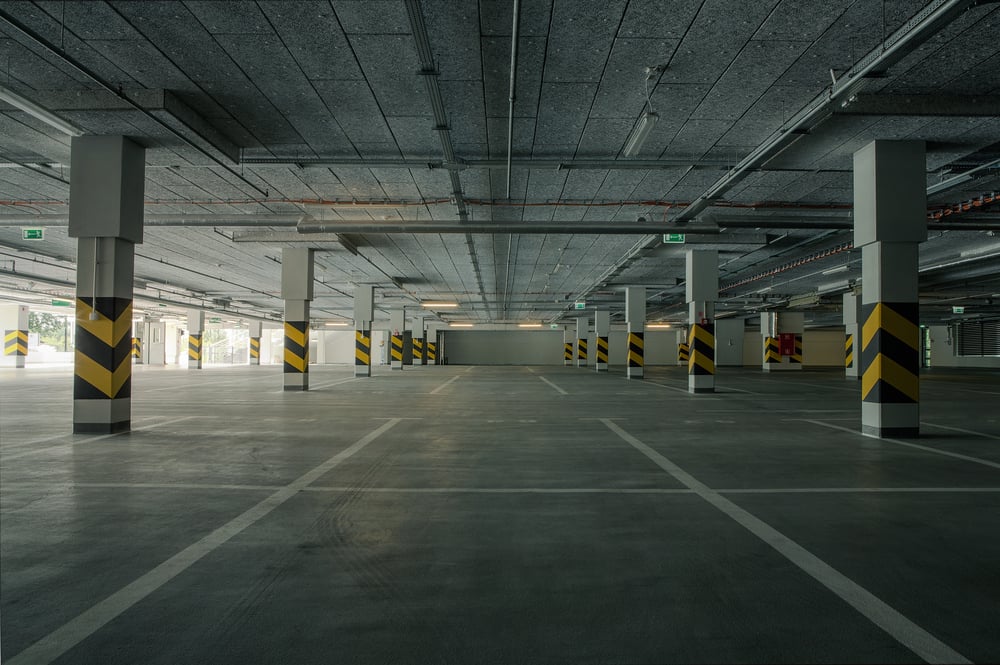
The property can accommodate 23 cars across several different garages, including an underground one built with concrete and stainless steel. The underground garage was deliberately designed with smashed-up concrete to achieve a rough ‘deconstructivist’ look, resembling more of a high-end cave than a typical parking structure.
Legend has it that this underground garage can hold up to 10 cars and has an unpolished, industrial aesthetic that contrasts with the rest of the mansion’s refined design. Even the parking areas in this house are architectural statements.
More from Go2Tutors!

- 16 Historical Figures Who Were Nothing Like You Think
- 12 Things Sold in the 80s That Are Now Illegal
- 15 VHS Tapes That Could Be Worth Thousands
- 17 Historical “What Ifs” That Would Have Changed Everything
- 18 TV Shows That Vanished Without a Finale
Like Go2Tutors’s content? Follow us on MSN.



