Everyday Phrases That Came from Old Traditions
You say them without thinking. “Break a leg.” “Bite the bullet.” “Saved by the bell.”
They roll off the tongue so easily that it’s easy to forget they didn’t just appear out of thin air. Most of them have roots in old trades, superstitions, rituals, or ways of life that most people today have never experienced.
Some came from the battlefield. Others from the blacksmith’s shop, the sailing vessel, or the medieval courtroom.
But they survived — passed down through generations — because they captured something true about human experience. Here’s where some of those familiar phrases actually came from.
Break a Leg

Telling someone to “break a leg” before a performance sounds almost cruel until you learn the reasoning behind it. In old theatrical tradition, wishing someone “good luck” was considered bad luck.
So performers turned the sentiment on its head and said the opposite of what they meant. Some historians trace it further back to the idea of “breaking” the line of the stage leg — the ropes and curtains in old theaters — by actually getting to perform.
Either way, the superstition stuck, and now every actor hears it before every show.
Bite the Bullet
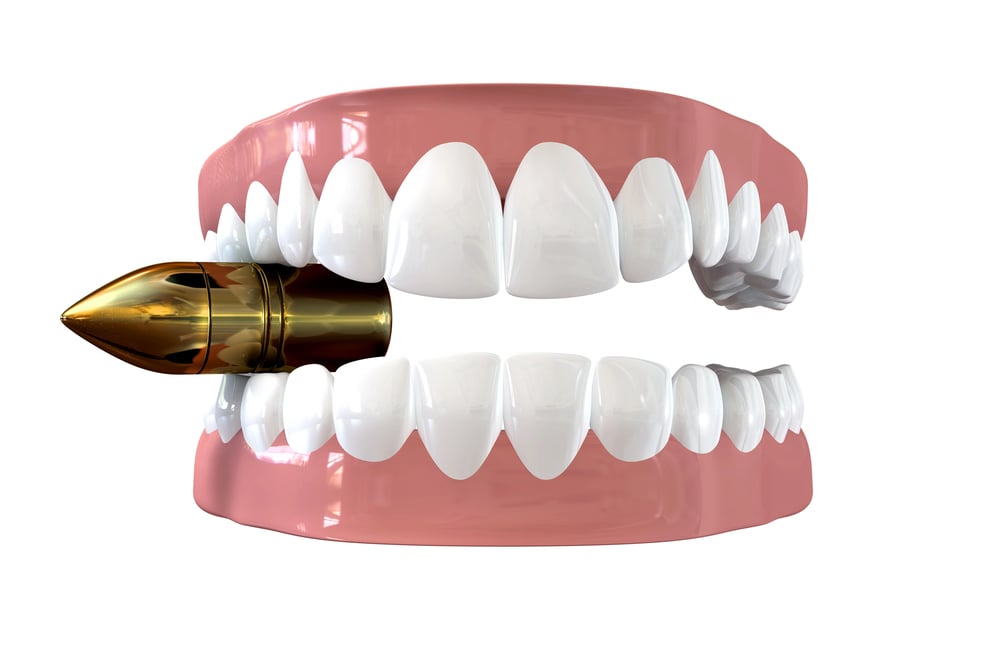
Before modern anesthesia, soldiers undergoing field surgery had nothing to dull the pain. Surgeons would give patients a lead bullet to clench between their teeth — both to give them something to focus on and to stop them from biting their own tongue or screaming loud enough to disturb the rest of the camp.
The phrase now means pushing through something painful or unpleasant without complaint. The original version was considerably worse.
Saved by the Bell
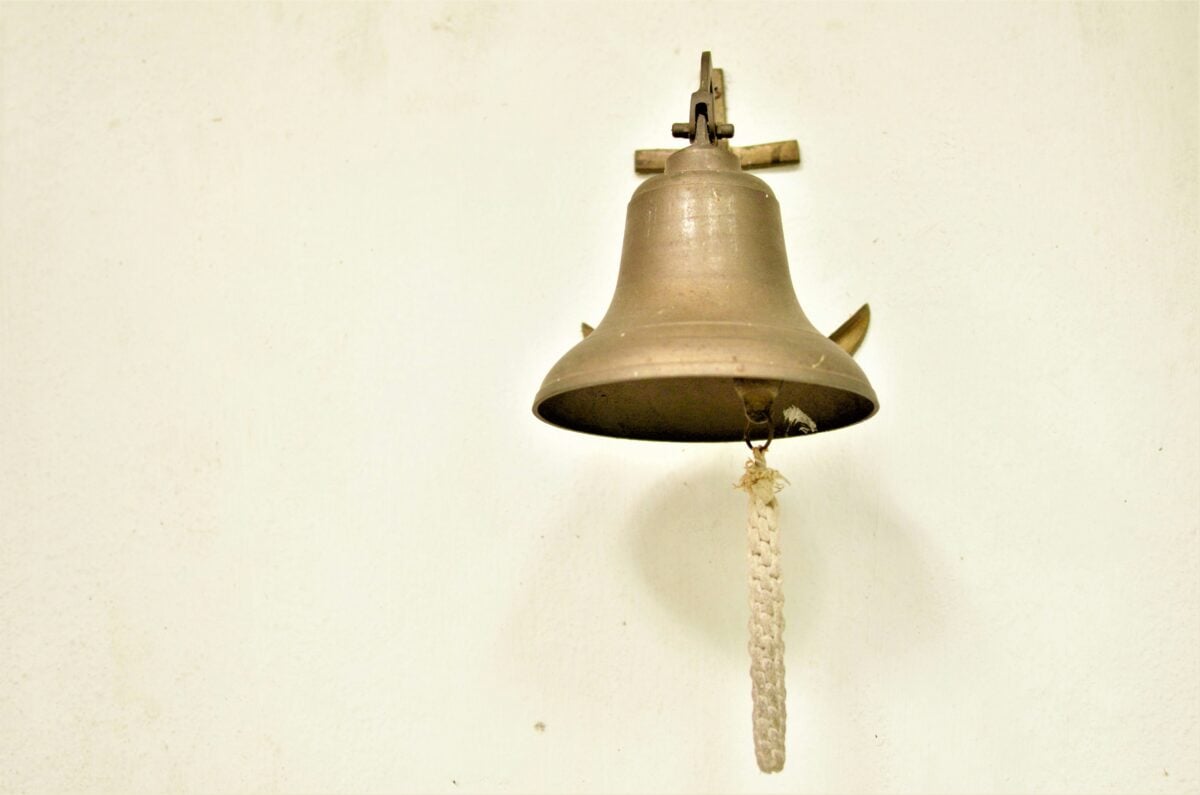
This one is often linked to a fear that was surprisingly common in earlier centuries — being buried alive. The story goes that coffins were sometimes fitted with a string attached to a bell above ground, so that anyone who woke up underground could ring it and be rescued. Whether this happened as often as the legend suggests is debated, but the phrase stuck.
Today it simply means being rescued at the last possible moment, usually from something far less dire than a premature burial.
Turn a Blind Eye

Admiral Horatio Nelson, the British naval commander, was blind in one eye. At the Battle of Copenhagen in 1801, his superior signaled for him to withdraw from the fight.
Nelson supposedly raised his telescope to his blind eye, declared he could not see the signal, and pressed on to win the battle. Whether the story is entirely true or partly embellished, it gave English speakers a phrase for deliberately ignoring something inconvenient.
Pulling Someone’s Leg
The darker version of this phrase’s origin involves street thieves in old London. One thief would trip a victim — literally pull their leg out from under them — while an accomplice robbed them.
Over time, the phrase softened into meaning a harmless joke or teasing. It’s a strange journey from pickpocket tactic to lighthearted banter, but language tends to take those kinds of detours.
Steal Someone’s Thunder

John Dennis was a playwright and critic in early 18th-century London who invented a new method of creating the sound of thunder for stage productions. His play flopped, and the theater moved on to a different production.
But they kept using his thunder machine. Dennis, furious, reportedly shouted that they had stolen his thunder.
The phrase now describes taking credit for someone else’s idea or upstaging them in some way. Dennis didn’t get much else out of the deal.
Dressed to the Nines

The origin here is less certain, but one of the more convincing theories comes from the tailoring world. A perfectly made suit required the full nine yards of fabric — the best quality, no corners cut.
To be dressed to the nines meant you had spared no expense on your clothing, right down to the last inch of material. Whether or not that’s the true origin, the phrase still carries the sense of being dressed at maximum effort.
The Whole Nine Yards

Speaking of nine yards — this one also has a fabric connection in some accounts, though military historians argue it refers to the length of ammunition belts used in WWII aircraft. A full belt measured roughly nine yards. If a pilot used the whole nine yards on a target, he had given everything he had.
The exact origin remains contested, but the meaning is clear: everything, all of it, nothing held back.
Under the Weather
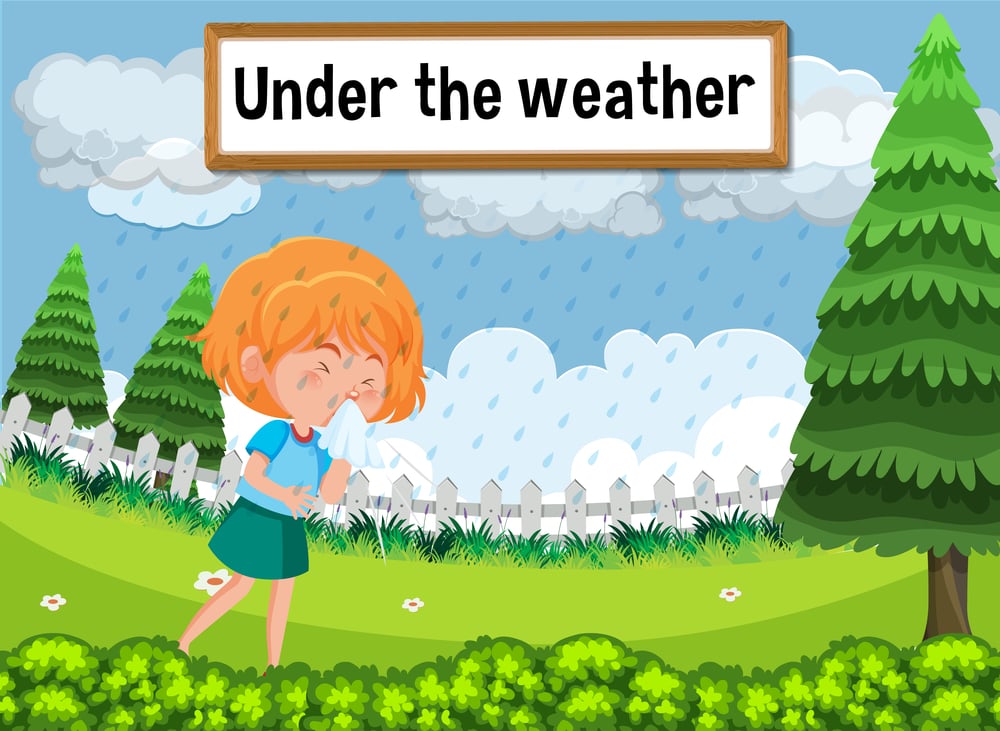
Sailors used this phrase long before it entered everyday speech. When a crew member was feeling ill, they were sent below deck to be sheltered from the harsh conditions above.
Being “under the weather” meant being literally beneath it — out of the wind and rain while they recovered. Now it just means feeling a little unwell, no seafaring required.
Rule of Thumb
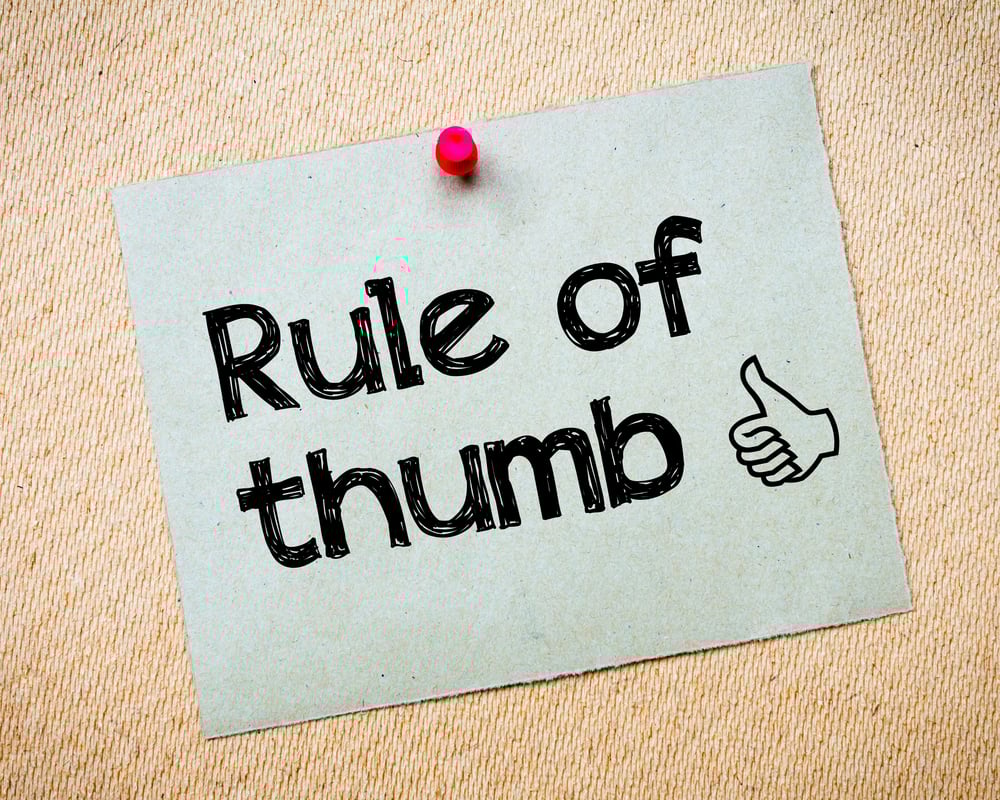
Craftsmen and brewers used their thumbs as rough measuring tools for centuries. A brewer might test the temperature of fermenting liquid by dipping a thumb in — if it was the right warmth, the brew was ready.
Carpenters used finger widths and thumb lengths to estimate measurements before precise tools were standard. The phrase came to mean any practical, approximate method based on experience rather than exact calculation.
Letting the Cat Out of the Bag
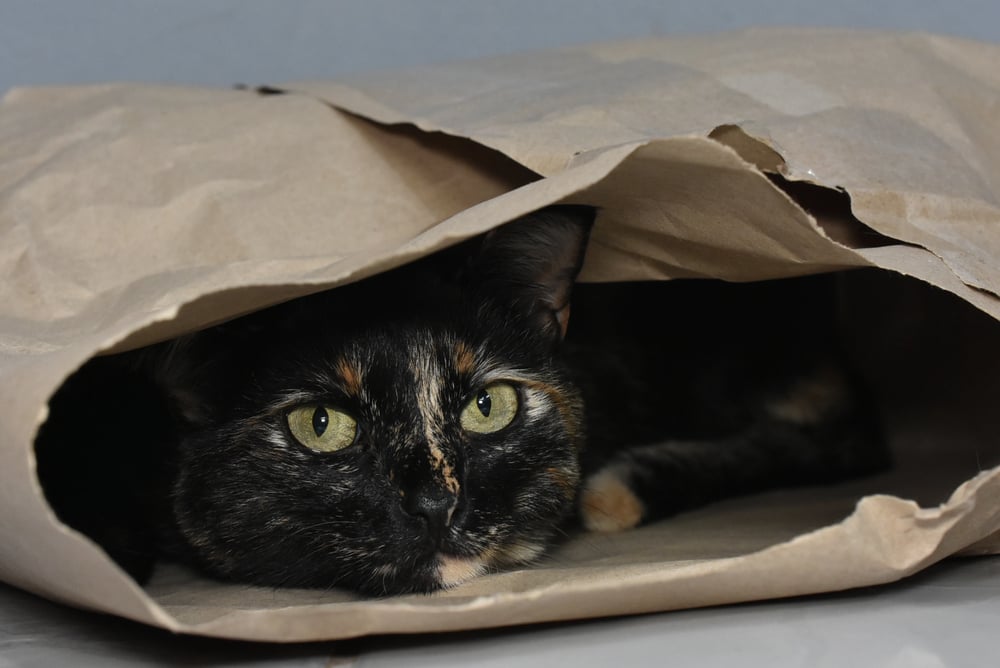
At medieval markets, merchants sometimes sold piglets in bags. A dishonest seller might swap the piglet for a cat — a far less valuable animal — and hope the buyer didn’t check before leaving.
If someone “let the cat out of the bag,” the trick was exposed. Now the phrase simply means accidentally revealing a secret, usually one that wasn’t yours to share.
Cold Shoulder

In medieval England, hosting guests was expensive. When a visitor had overstayed their welcome, the host would serve them a cold shoulder of mutton instead of a warm, freshly prepared meal.
It was a polite but clear signal that it was time to leave. The gesture carried more weight than words might have, and the phrase survived long after the custom itself disappeared.
Mad as a Hatter

Before Lewis Carroll came along, that saying already existed, yet his work gave it staying power. Back during the 1700s and 1800s, men shaping hats relied on mercury nitrate to process furs into felt. Breathing in those vapors over time led to nerve problems – shaking hands, sudden anger, foggy thoughts.
The madness wasn’t made up; workers actually suffered from it, known well by doctors then. He pulled details straight from a dark corner of factory life most would rather forget.
Barking Up the Wrong Tree
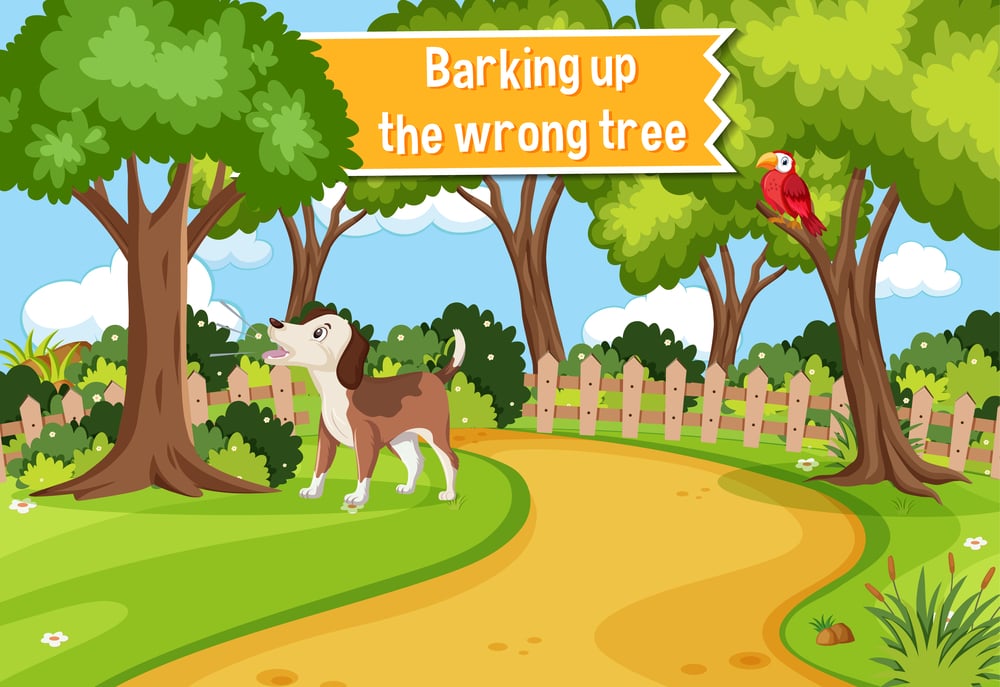
Out in early American woods, hounds learned to push game skyward until it clung tight to branches. Once there, the dog stood below, noise rising sharp and steady to call its master near.
Sometimes though, the creature slipped across treetops like shadow on wind, gone before footsteps drew close. A man reached the spot only to meet a barking guard with jaws aimed at thin air.
Over years that scene gave shape to words used when someone chases emptiness or points at guilt where none lives.
Mind Your Ps and Qs

Possibly, someone once mixed up tiny “p” and “q” while stacking metal letters – mistakes stuck back then. Keeping count at taverns might’ve linked pints with quarts on tallies marked behind the bar.
A dance coach in old France may have muttered about feet and wigs under breath. Nobody knows where it truly began. Still, each tale leans into caution and order.
Bury the Hatchet
Buried tools once signaled peace among some Indigenous tribes across North America. When disputes faded, digging into soil to stash blades became a solemn sign things had shifted.
Colonists watched these moments unfold, wrote them down, later borrowed the image. Over time, tossing an axe underground turned into words people used when enemies stopped fighting.
Few sayings we toss around today began as gestures meant to calm, not conquer.
Words That Survived Their Time

Still, it’s odd how these sayings float free from the times that made them real. Surgery today never thinks twice about lead rounds inside bodies.
Traders won’t trick you by switching livestock in sacks. Men no longer lose their minds from mercury used on hats.
Yet the expressions stick around, holding ghost traces of old fears we’ve forgotten. Words stick around like souvenirs picked up on forgotten trips.
Buried inside everyday phrases sit tiny echoes of moments nobody remembers anymore. Say something as simple as “break a leg,” yet behind it lingers a habit older than reason.
Even when meaning fades, people keep speaking in traces handed down through years. Letting “the cat out of the bag” feels natural now, though its roots lie far beyond sight.
Doing this isn’t special – just part of how speech slowly carries old weight forward.
More from Go2Tutors!

- The Romanov Crown Jewels and Their Tragic Fate
- 13 Historical Mysteries That Science Still Can’t Solve
- Famous Hoaxes That Fooled the World for Years
- 15 Child Stars with Tragic Adult Lives
- 16 Famous Jewelry Pieces in History
Like Go2Tutors’s content? Follow us on MSN.



