Images Of Unusual Food Ingredients Found Worldwide
Out there, a single food can turn heads across borders. Think pickled shark, crunchy crickets – odd at first glance yet bursting with flavor after just one bite.
First looks lie more often than not. Step inside a world where everyday cooking hides surprising secrets.
Not every flavor fits familiar recipes, yet each has its loyal following across continents. Some taste odd at first, still they show up in meals passed down for generations.
You might not expect what sits on shelves in faraway kitchens. These items stick around because people grow up loving them.
Strange to some, normal to others – that is how food memories begin.
Century Eggs
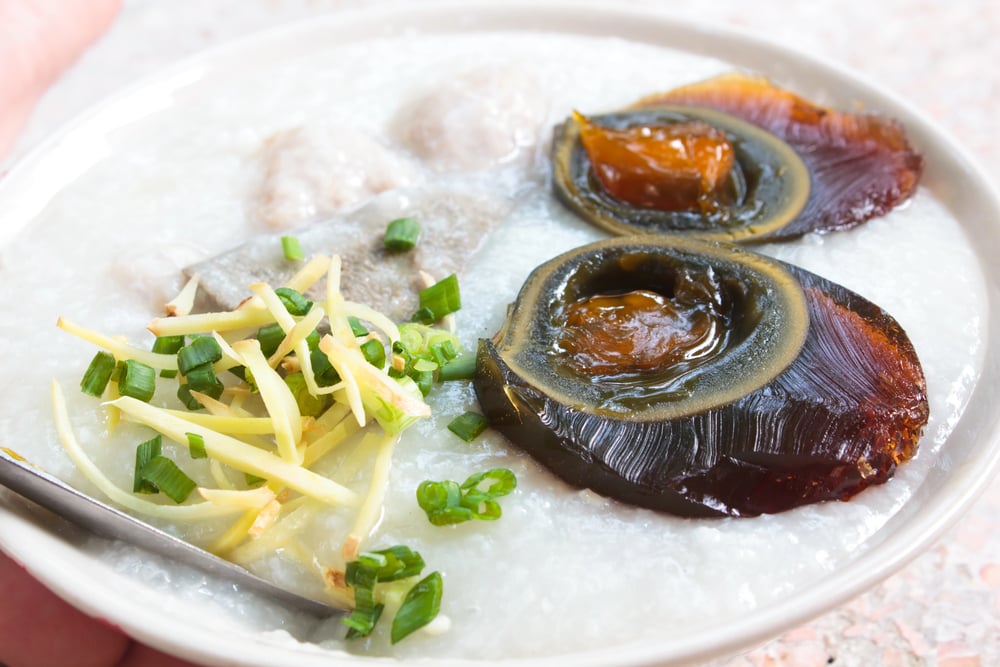
Hidden beneath layers of mud, ash, and time, century eggs emerge transformed. Duck, chicken, or quail eggs rest in this mixture – weeks turn into months before they reappear.
Their whites darken into a translucent gel, while yolks shift toward a soft greenish hue, strange at first glance. Though the smell hints at sulfur, the taste unfolds deeper – a bold umami note lingers on the tongue.
Many pair it quietly beside warm bowls of congee or cool slabs of tofu. What seems odd becomes ordinary when eaten every morning.
Millions do just that without thought. Familiarity shapes appetite more than appearance ever could.
Hákarl

Hákarl comes from Iceland – fermented shark meat with a stench just like you’d imagine. Fresh Greenland shark cannot be eaten due to dangerous levels of ammonia in its body.
Instead, people bury it under stones, let it press into itself, then hang it up to dry for many weeks. That process brings out a harsh odor, impossible to ignore.
The flavor follows the same path: biting, strong, unforgettable. During winter gatherings, locals serve small pieces, often followed by a gulp of Brennivín.
It lingers on the tongue long after.
Natto

Stirring natto pulls out thin, stretchy strands, something you do not expect at first glance. Its scent hits hard – sharp, almost sharp enough to wake someone up across the room.
Soybeans transformed by bacterial fermentation sit quietly in the morning light, humble yet persistent. Some eat it daily without question; others take one bite then push the dish away untouched.
Inside each slimy lump hides plenty of protein, useful bacteria, and slow-released energy. Centuries pass, but the small portion remains, eaten despite resistance, accepted because it works.
Breakfast plates keep holding space for it, year after year, no explanation needed.
Durian
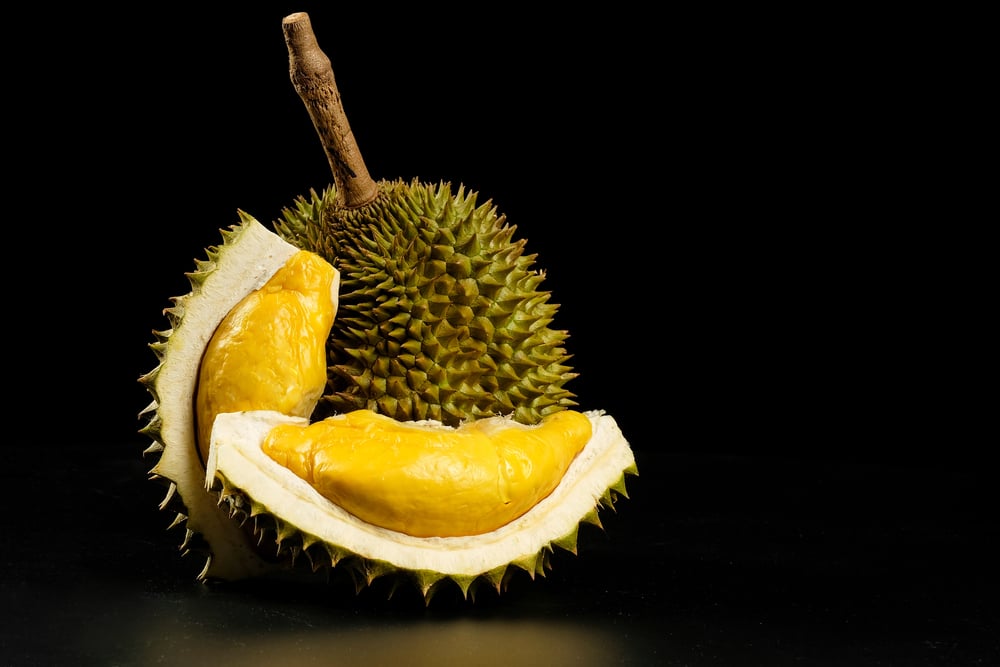
That smelly fruit with spikes? It comes from Southeast Asia and packs an odor fierce enough to get it barred from buses and trains across nations.
Inside, the texture gives way like thick cream, tasting oddly of onion swirls, sweet vanilla hints, and a tang close to aged cheese. Some people crown it top fruit, tossing it raw into bowls, folding it into frozen treats, or simmering it with rice.
In places like Thailand and Singapore, guesthouses tape up notices pleading – no durians past this door.
Casu Marzu
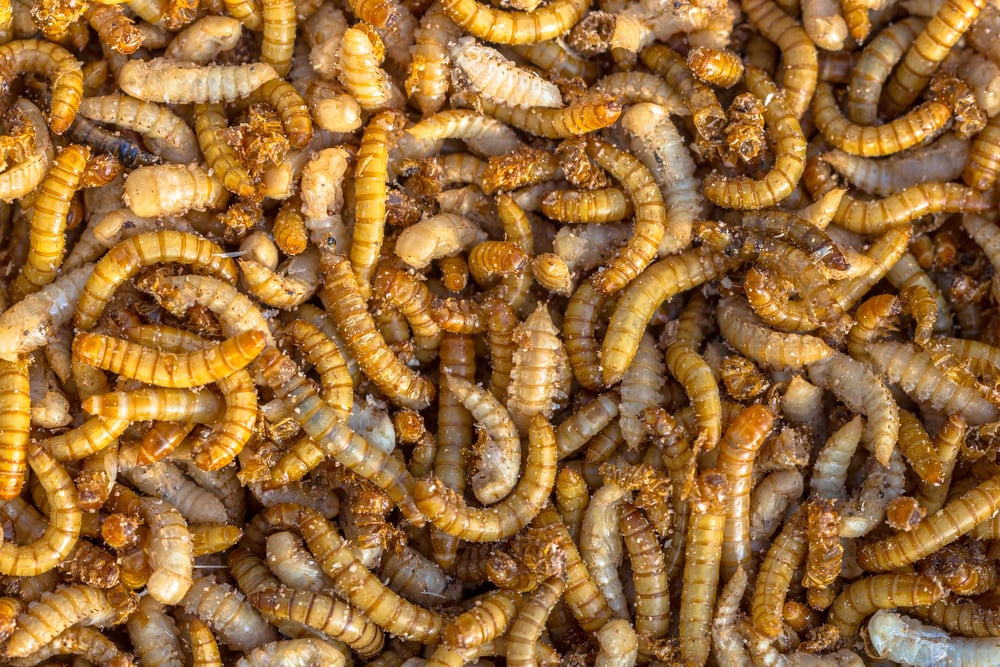
Live maggots wiggle inside casu marzu, a bold Sardinian specialty. Pecorino gets open on purpose so cheese flies can lay eggs right there.
Once hatched, tiny grubs chew through fats slowly turning it runny. People eat it just like that – bugs squirming fresh.
Tradition wraps tightly around this habit for certain island families. Though banned across EU markets officially, backyards keep the practice alive quietly.
Balut

Boiled and served right out of its shell, balut holds a developing duck embryo within. Found often at roadside stalls after dark, it pops up across the Philippines, Vietnam, and pockets of Cambodia.
Depending on incubation time, what you get shifts – sometimes gooey yolk dominates, sometimes tiny skeletal bits show up too. Salt meets vinegar, gets a kick from chili, poured alongside by those who know it best.
Chewy here, rich there, always packed with protein, folks grab it when hunger hits fast. Not everyone leans in, but many do – one bite reveals why.
Mopane Worms

Mopane worms are large caterpillars harvested from mopane trees across southern Africa. They get dried or smoked and then rehydrated before cooking, often fried with tomatoes, onions, and spices until crispy.
They are a serious source of protein for millions of people in Zimbabwe, Botswana, and South Africa. The texture when cooked well is somewhere between jerky and a crunchy chip.
Bird’s Nest Soup

Bird’s nest soup is made from the hardened saliva of swiftlets, small birds that build their nests on the walls of sea caves in Southeast Asia. Harvesters climb dangerous heights to collect the nests, which is why this ingredient is one of the most expensive in the world.
The dissolved nest has a gelatinous texture with almost no flavor on its own, so it is typically cooked in a sweet broth or savory soup. In China, it is considered a luxury health food and has been eaten for centuries.
Surströmming
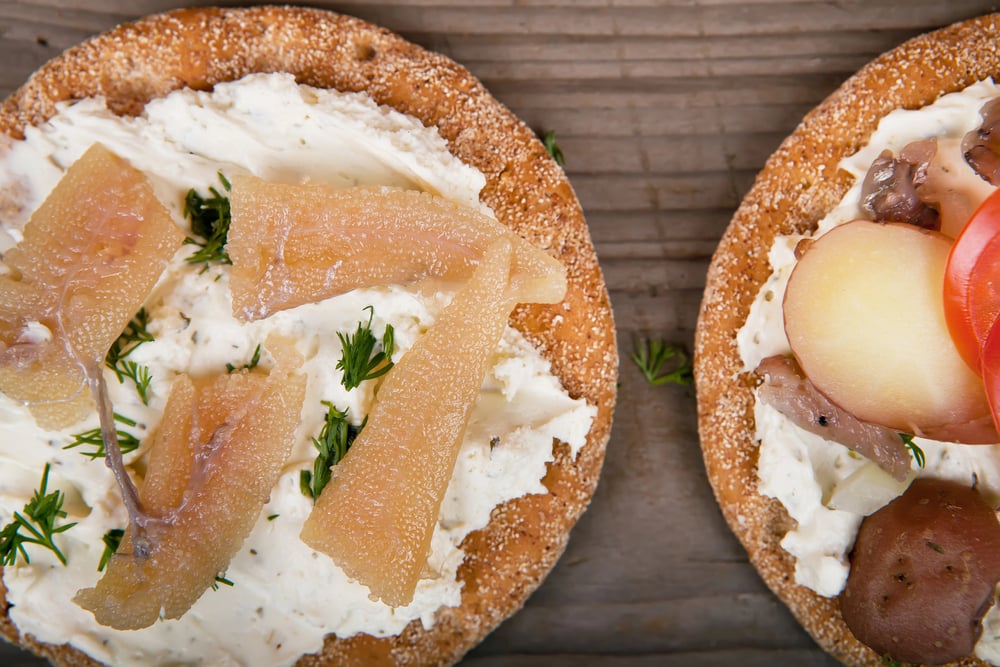
Surströmming is Swedish fermented herring, and it is widely considered one of the strongest-smelling foods on the planet. The fish ferments in barrels for months, and when the can is opened, the gas that escapes has caused people to gag and retreat.
Swedes traditionally eat it outside on flatbread with onions and sour cream because the smell indoors is simply too much for most people. Airlines have banned it from checked baggage due to the pressurized cans.
Fugu

Fugu is puffer fish, a Japanese delicacy that contains enough tetrodotoxin in its organs to kill a person if it is prepared incorrectly. Only licensed chefs who complete years of training are legally allowed to prepare and serve it in Japan.
The flesh is mild, almost delicate in flavor, often served as thin sashimi slices. The thrill of eating something that requires expert handling to be safe is part of the appeal for many diners.
Escamoles
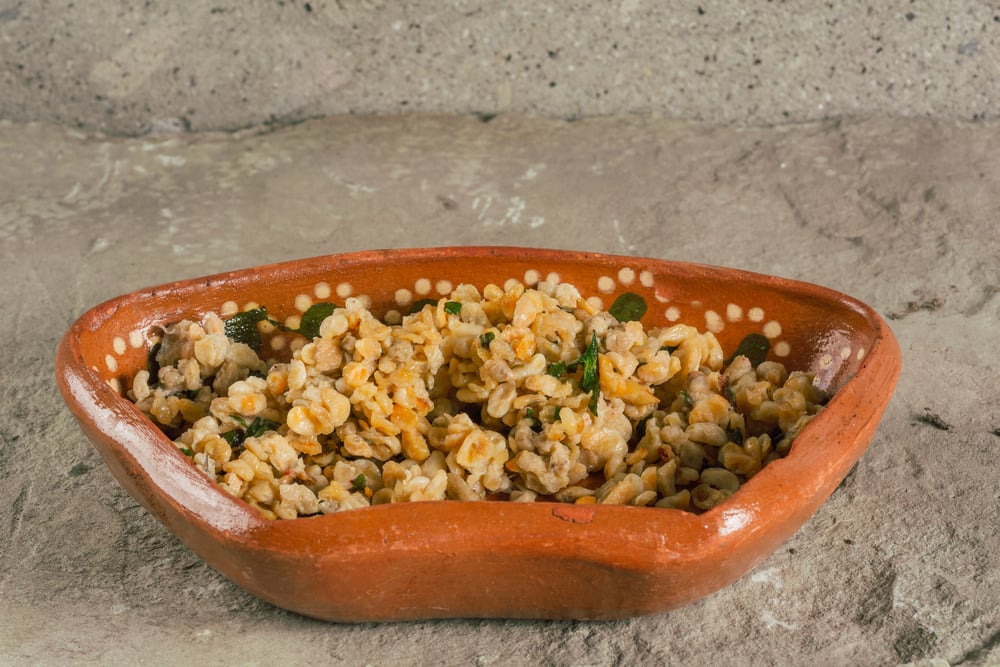
Escamoles are ant larvae harvested from the roots of agave plants in Mexico. They have a soft, buttery texture and a mild, slightly nutty flavor that has earned them the nickname ‘insect caviar.’
The harvest season is short and the work is difficult, which makes them expensive and seasonal. They are commonly served in tacos or scrambled with eggs in Mexico City restaurants.
Stinky Tofu

Stinky tofu is a fermented tofu popular across Taiwan, Hong Kong, and mainland China, sold mostly from night market stalls. The brine used to ferment it can contain vegetables, herbs, and in traditional recipes, dried shrimp, and the tofu sits in it for days to weeks.
The smell travels far down a street, which is how you usually find the stall before you see it. Fried until crispy on the outside and soft inside, it tastes much milder than it smells.
Grasshoppers (Chapulines)

Chapulines are dried and seasoned grasshoppers from Oaxaca, Mexico, eaten as a crunchy snack or ingredient for centuries. They get toasted with lime, chili, garlic, and salt and served in tacos, on top of guacamole, or simply eaten by the handful.
The flavor is salty, tangy, and a little smoky, almost like a flavored chip. They are also high in protein, which has made them interesting to food researchers looking at sustainable protein sources.
Pulque

Pulque is an ancient Mexican drink made from the fermented sap of the agave plant, which is a different product from mezcal or tequila. It has a thick, slightly viscous texture and a mildly sour, yeasty flavor that takes getting used to.
Before Spanish colonization, it was considered a sacred drink reserved for priests and the elderly. Today it is sold fresh in ‘pulquerías’ across central Mexico and has been making a comeback with younger generations interested in traditional foods.
Where The World’s Kitchens Come Together

These ingredients tell the story of human creativity and adaptation across thousands of years of cooking. Every century egg, every fermented herring, and every ant larva taco represents a community that looked at what was available and figured out how to make something worth eating, and often worth celebrating.
The world’s most unusual foods are not strange for the sake of being strange. They are the result of knowledge passed down through generations, shaped by climate, geography, and culture.
Anyone who has the chance to try even one of these ingredients will leave the table with a better understanding of just how wide and varied the world’s table really is.
More from Go2Tutors!

- The Romanov Crown Jewels and Their Tragic Fate
- 13 Historical Mysteries That Science Still Can’t Solve
- Famous Hoaxes That Fooled the World for Years
- 15 Child Stars with Tragic Adult Lives
- 16 Famous Jewelry Pieces in History
Like Go2Tutors’s content? Follow us on MSN.