Interesting Facts About Famous US Universities
The United States is home to some of the most well-known universities in the world. Universities like Harvard, Stanford, and MIT are not only symbols of academic excellence, innovation, and influence, but they are also home to a number of fascinating histories filled with surprising traditions, unusual milestones, and untold stories.
Some of these interesting facts point to remarkable discoveries, while others point to quirky characteristics that are not always included in university brochures and tours. Over time, traditions, rivalries, and stories have all become part of the university’s identity, from one generation of students to another.
Let’s take a look at some of the interesting facts about some of the most well-known universities in the United States of America.
Harvard University

Founded in 1636, Harvard University is the oldest institution of higher education in the United States. Its long history means the campus has witnessed centuries of academic change and cultural transformation.
One well-known tradition involves the statue of John Harvard in Harvard Yard, often called the ‘Statue of Three Lies.’ The statue’s inscription claims John Harvard founded the university in 1638, though the institution was actually established earlier by the Massachusetts Bay Colony.
In addition, John Harvard was a major donor rather than the official founder, and the sculpture itself was based on a model rather than an accurate likeness. Even so, the statue remains one of the most photographed landmarks on campus and has become a symbol of Harvard’s long-standing traditions.
Stanford University

Stanford University sits in the heart of Silicon Valley, and its relationship with the technology industry runs deep. Many major technology companies have roots connected to Stanford graduates or research partnerships with the university.
Still, the campus itself was founded in 1885 by railroad magnate Leland Stanford and his wife Jane as a memorial to their son, who passed away at a young age. The founders envisioned a university that would serve the public good while offering practical education.
Over the decades, Stanford became closely connected to the growth of Silicon Valley, with faculty members and graduates helping launch influential technology companies. Today, the campus is known not only for academic research but also for encouraging entrepreneurship and collaboration between students and industry leaders.
Massachusetts Institute Of Technology

The Massachusetts Institute of Technology, widely known as MIT, is famous for scientific breakthroughs and technological innovation. The university has produced countless engineers, inventors, and researchers whose work has shaped modern society.
One of the campus’s most unusual traditions involves elaborate student pranks known as ‘hacks.’ These carefully planned stunts often require technical skill and engineering creativity.
Over the years, students have placed unexpected objects on top of the campus dome, turning playful mischief into a demonstration of ingenuity. Still, these pranks are usually designed with precision and respect for safety, reflecting the technical expertise students develop during their studies.
Princeton University

Princeton University began as the College of New Jersey in 1746 before eventually adopting its current name in the late nineteenth century. The campus is known for its beautiful Gothic architecture and strong focus on undergraduate education.
One interesting tradition is the annual ‘cane spree,’ a historic student contest that once involved physical competition between classes using wooden canes. Although the original event disappeared long ago, Princeton still maintains many unique traditions tied to its early history.
The university also places strong emphasis on independent research, requiring undergraduates to complete senior theses. This long-standing academic practice helps students develop original ideas and research skills before graduating.
Yale University

Yale University is known not only for academic excellence but also for its distinctive residential college system. Students live in smaller communities within the larger university, each with its own traditions and social life.
Still, Yale also has a reputation for secret societies, the most famous of which is Skull and Bones. Founded in the nineteenth century, the society has counted several prominent political figures among its members.
While much about the group remains private, its mysterious reputation has become part of Yale’s enduring legend. Beyond its traditions, Yale is also known for its impressive libraries, which collectively hold millions of books and historical documents.
Columbia University

Located in New York City, Columbia University offers a campus environment surrounded by one of the world’s busiest urban landscapes. Yet the institution itself dates back to 1754, making it one of the oldest universities in the United States.
Columbia is also home to the Pulitzer Prize, one of the most prestigious awards in journalism and literature. The prize was established through a bequest from newspaper publisher Joseph Pulitzer, and it continues to be administered by the university.
Each year, the awards recognize excellence in reporting, writing, and public service, reinforcing Columbia’s long-standing influence in journalism and media education.
University Of Chicago

The University of Chicago has built a reputation for rigorous academic debate and intellectual exploration. Founded in 1890, the university quickly became known for encouraging bold ideas and challenging conventional thinking.
One of the most famous scientific milestones connected to the university occurred in 1942, when physicists achieved the first controlled nuclear chain reaction beneath the university’s football stadium. This moment marked a turning point in scientific history and demonstrated the university’s role in groundbreaking research.
Today, the institution remains known for strong programs in economics, political science, and philosophy.
University Of California, Berkeley

The University of California, Berkeley is widely recognized for both academic excellence and political activism. During the 1960s, the campus became a central location for the Free Speech Movement, a student-led campaign advocating for greater freedom of expression on university grounds.
That period helped define Berkeley’s identity as a place where ideas and debate thrive. Even so, the university also stands out for its research achievements, with numerous Nobel Prize winners connected to its faculty and alumni.
Its location near San Francisco has also contributed to strong partnerships with industries focused on science, technology, and environmental research.
Duke University
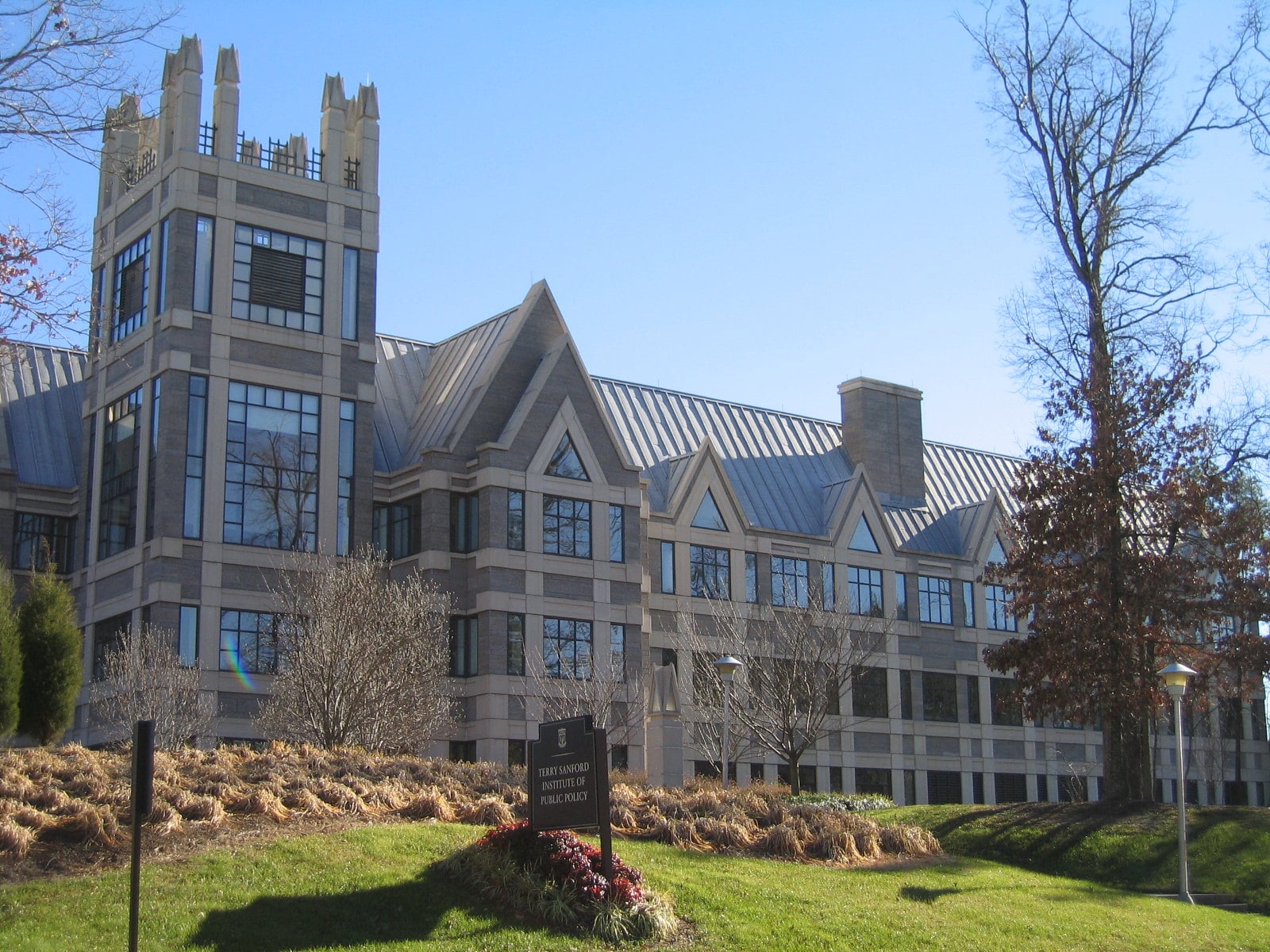
Duke University in North Carolina is known for its striking campus architecture and strong athletic traditions. The university’s iconic Duke Chapel stands at the center of campus and serves as one of the most recognizable landmarks in American higher education.
Still, Duke’s history is closely tied to the cig industry. The university received major financial support from industrialist James B. Duke in the early twentieth century, allowing it to expand into a leading research institution.
Over time, Duke developed strong programs in medicine, law, and public policy, helping establish its reputation as a major academic center in the southeastern United States.
University Of Pennsylvania

The University of Pennsylvania traces its origins to ideas proposed by Benjamin Franklin, who believed education should focus on practical knowledge as well as classical subjects. Franklin’s vision helped shape the university’s early curriculum.
Still, Penn also claims a unique historical distinction. Its Wharton School, founded in 1881, became the first collegiate business school in the United States.
That legacy helped establish business education as a major academic discipline across American universities. Today, the university continues to emphasize interdisciplinary learning, encouraging students to combine business, technology, and social sciences in new ways.
Why These Universities Continue To Fascinate

The stories of well-known universities tell us something about how universities change over time. Many of them were once small campuses with big dreams and ambitious founders.
Their traditions, innovations, and cultural impact extend well beyond the classroom and the library. Today, these universities contribute to the development of technology, science, public policy, and global culture in ways that touch the lives of millions of people around the world.
Reflecting on the past is a reminder that universities are more than just academic institutions; they’re communities in progress.
More from Go2Tutors!

- The Romanov Crown Jewels and Their Tragic Fate
- 13 Historical Mysteries That Science Still Can’t Solve
- Famous Hoaxes That Fooled the World for Years
- 15 Child Stars with Tragic Adult Lives
- 16 Famous Jewelry Pieces in History
Like Go2Tutors’s content? Follow us on MSN.