Kitchen Staples Our Grandparents Couldn’t Live Without
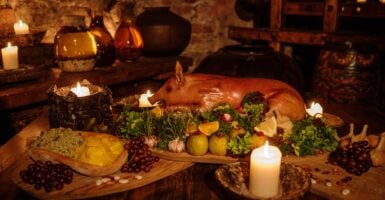
A kitchen from the 1940s ran on a short list of reliable supplies, most of them stored in tins, crocks and paper sacks. Cooks of that generation could turn those few things into a week of meals, a birthday cake and a cupboard of preserves without a recipe card in sight.
Plenty of those staples are still on store shelves, though many now sit on the bottom row, bought mostly out of habit or nostalgia. Others have nearly vanished.
Each one says something about how households of that era cooked, saved and stretched.
Lard in the Crock
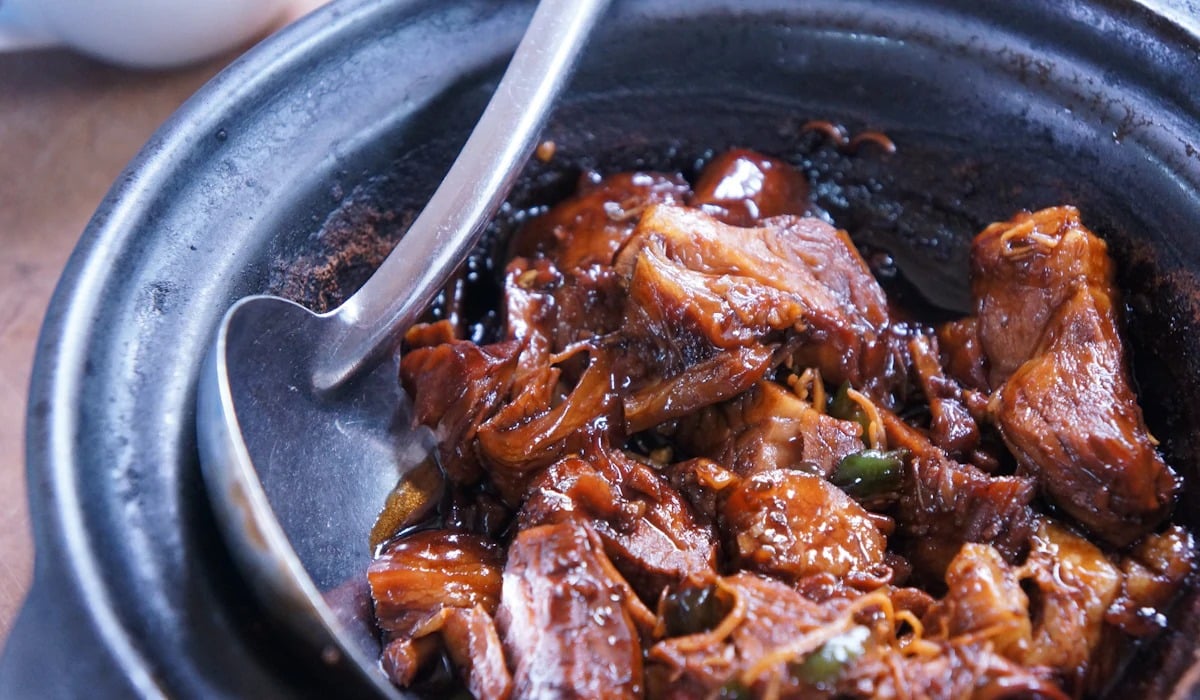
Rendered pork fat was the default cooking fat across rural America well into the twentieth century. Farm families rendered their own after hog butchering in late fall, storing the white fat in crocks or tin pails that lasted through winter.
Lard made famously flaky pie crusts and biscuits, and it fried chicken and potatoes at high heat without breaking down. Its reputation slipped after vegetable shortening arrived and doctors began warning about saturated fat.
Many bakers still keep a tub on hand for crusts, insisting nothing else produces quite the same layers.
Bacon Grease Saved in a Can
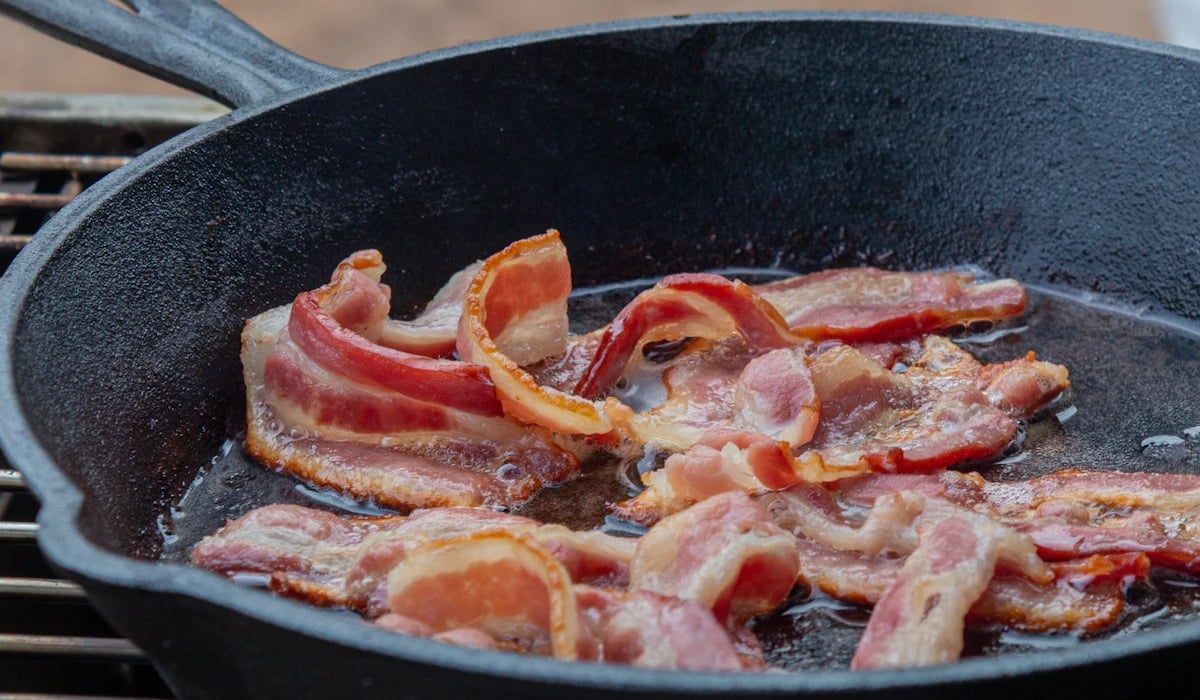
Next to many old stoves sat a coffee can or a small metal keeper marked “drippings,” where every bit of bacon fat went after breakfast. Grandmothers spooned it into green beans, cornbread batter and gravy, and wasting it would have seemed absurd.
During World War II the habit took on a patriotic purpose, as the American Fat Salvage Committee urged households to turn in used kitchen fats so glycerin could be extracted for explosives. A 1942 Disney cartoon starring Minnie Mouse and Pluto pushed the same message.
Plenty of Southern kitchens still keep the can going.
Crisco and the Shortening Revolution
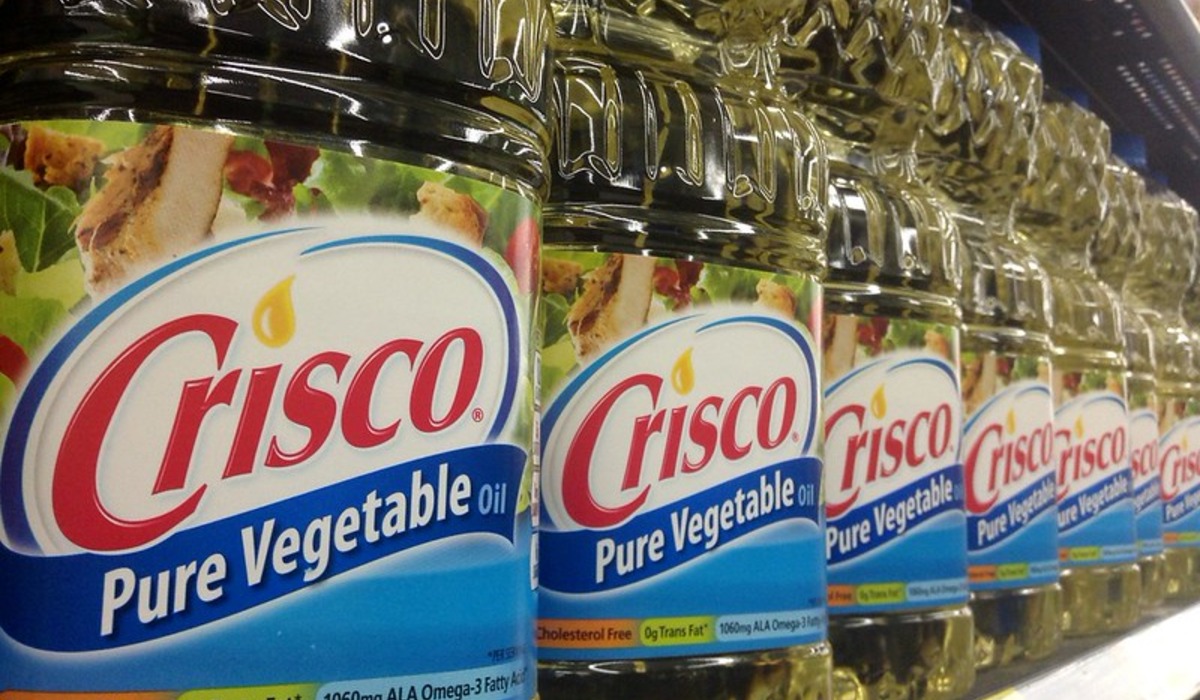
Procter and Gamble introduced Crisco in 1911 as an all-vegetable alternative to lard, made from hydrogenated cottonseed oil. The company backed it with an aggressive campaign that included free cookbooks filled with recipes calling for the new product by name.
Its shelf stability and pure white color appealed to home cooks who wanted a consistent fat that did not taste of pork. By midcentury the blue can was a fixture in American pantries.
The formula changed in 2007 to remove most trans fats, but the brand still sells heavily around the holiday baking season.
Oleomargarine With a Color Packet
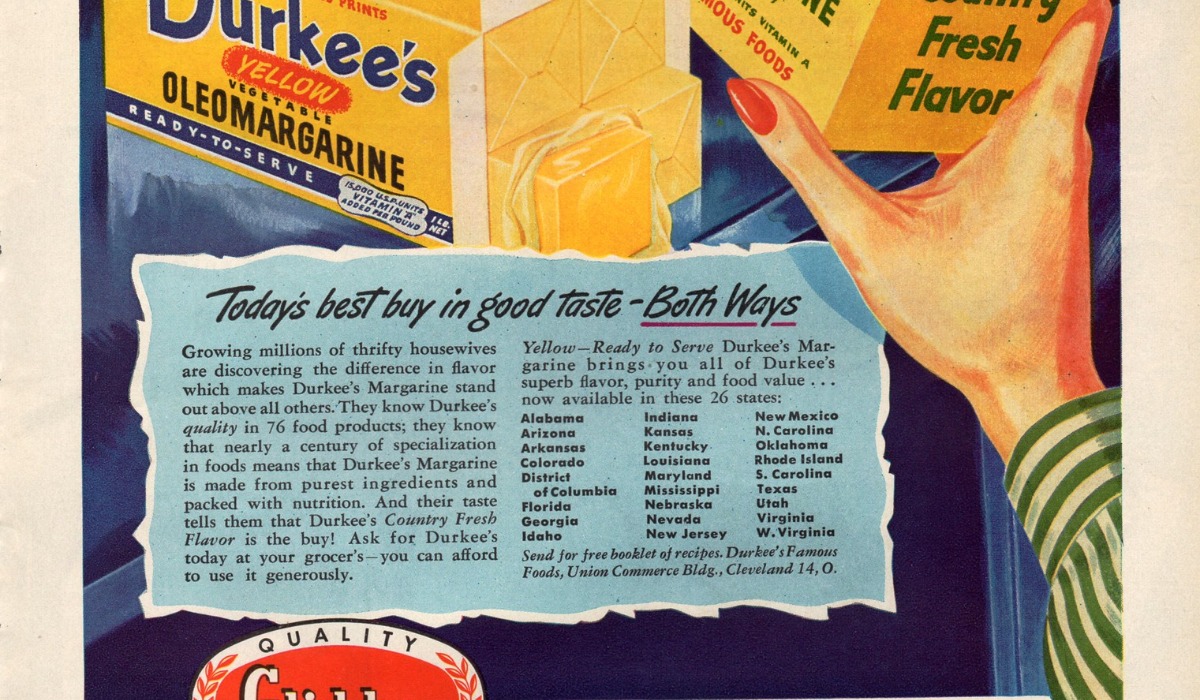
For decades dairy states fought margarine with laws that kept it from looking like butter. Many states banned yellow margarine outright, so manufacturers sold it white with a capsule of yellow dye that families kneaded into the block, often a job given to children.
Later packaging put the dye inside a sealed plastic bag so it could be squeezed and mixed without opening. Federal taxes on colored margarine were repealed in 1950, but Wisconsin held out on its ban until 1967.
Grandparents who lived through rationing often remember the coloring chore vividly.
Flour in Printed Feed Sacks
Flour, sugar and animal feed once arrived in cotton sacks, and thrifty households turned the fabric into dish towels, aprons and children’s clothes. Mills noticed and, by the 1930s, began printing sacks in floral and checked patterns to win customers who wanted matching material.
Shoppers sometimes chose a brand based on which print they needed to finish a quilt or dress. The practice faded in the 1950s as paper bags took over.
Surviving feed-sack quilts and dresses are now studied by textile historians as a record of Depression and wartime ingenuity.
Baking Soda in the Yellow Box
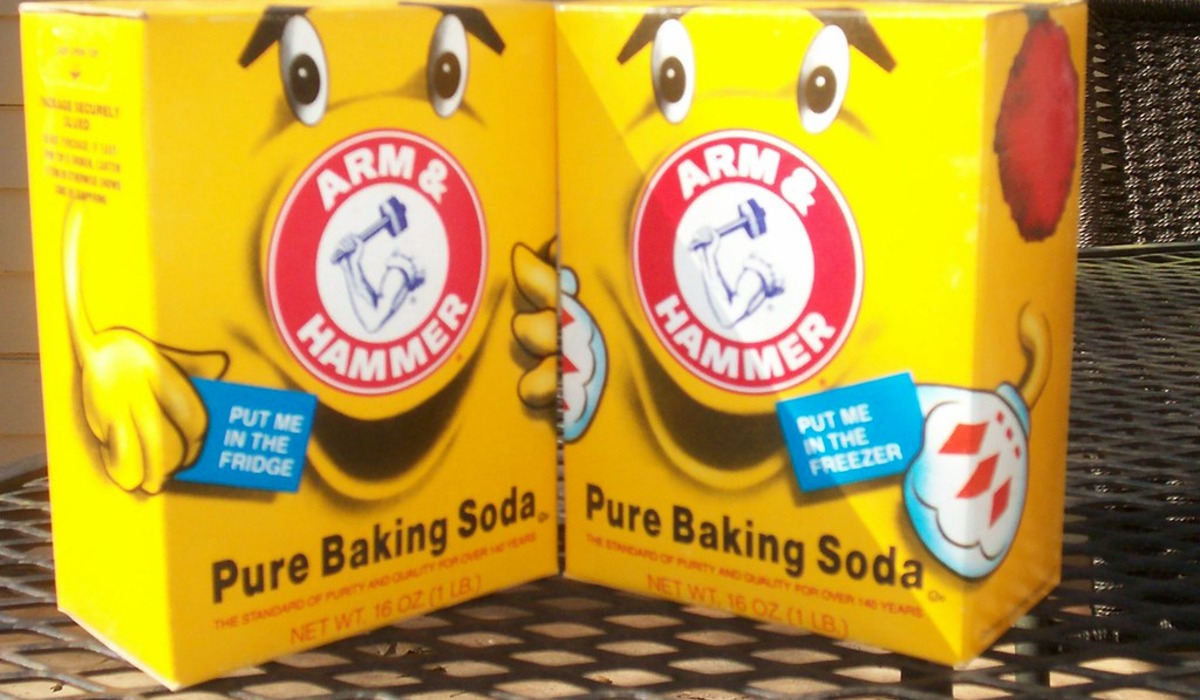
Arm and Hammer baking soda traces its roots to 1846, when John Dwight and Austin Church began selling sodium bicarbonate in New York, and the arm and hammer logo followed later in the century. Home cooks used it for leavening buttermilk biscuits and soda bread, but its uses ran far beyond baking.
The same box cleaned sinks, soothed bee stings, eased heartburn and brushed teeth. A 1972 advertising campaign suggested leaving an open box in the refrigerator to absorb odors, and sales jumped.
The orange box now shows up in laundry rooms nearly as often as kitchens.
Clabber Girl Baking Powder
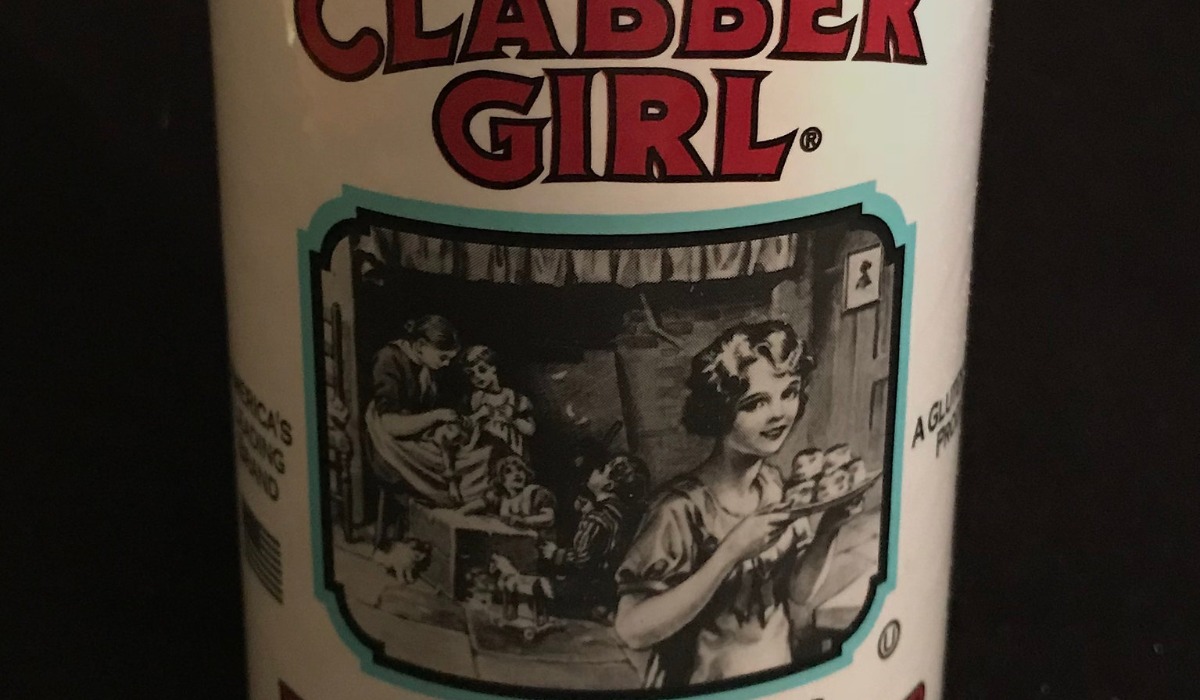
The tin with the smiling girl on the label came from Hulman and Company of Terre Haute, Indiana, which introduced Clabber Girl baking powder in 1899. The name refers to clabber, soured milk that cooks once used for leavening before reliable powders existed.
Its double-acting formula rose once when mixed and again in the oven, a big help in temperamental wood and coal ranges. Profits from the business helped the Hulman family buy the Indianapolis Motor Speedway in 1945.
Clabber Girl remains one of the most familiar baking powder brands in Midwestern kitchens.
Morton Salt and the Umbrella Girl

Morton’s round blue canister with the girl under an umbrella became one of the most recognized packages in America. The slogan “When It Rains It Pours” debuted in 1914, advertising salt that flowed freely even in damp weather thanks to an added anticaking agent.
In 1924 Morton began selling iodized salt, a public health measure aimed at goiter, which was common in parts of the Great Lakes region and the Northwest. Generations of cooks refilled shakers from the same canister.
The girl’s dress and hairstyle have been updated several times, but the umbrella has never left.
Cornmeal by the Sack
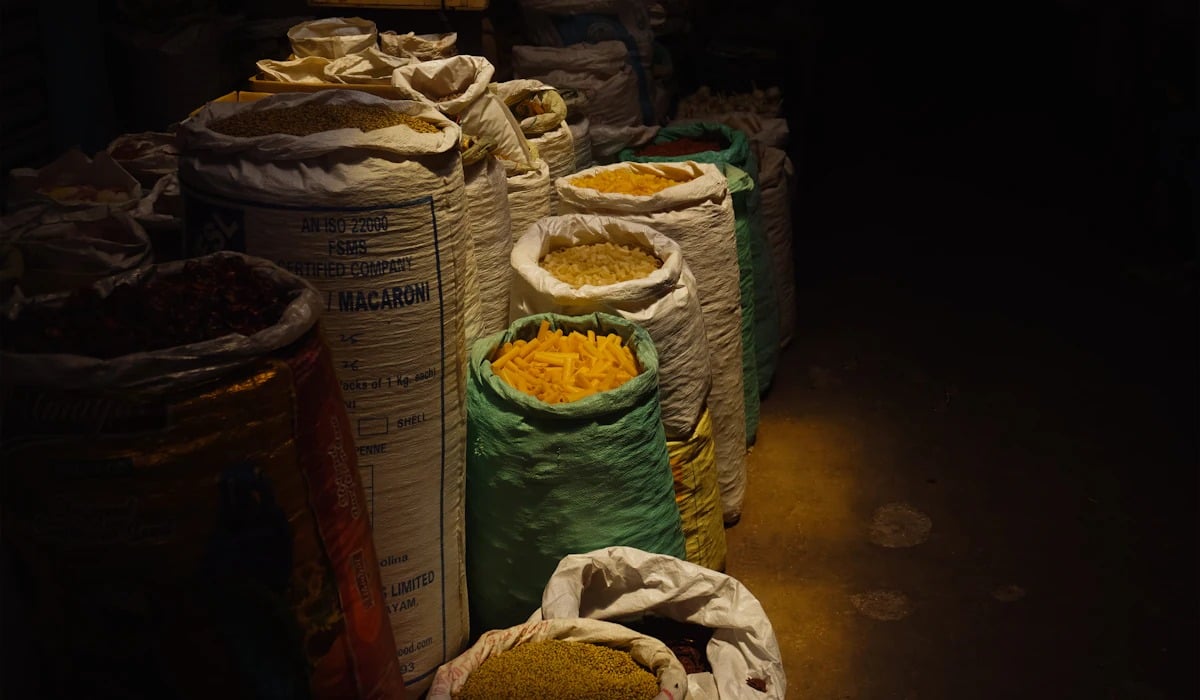
Across the South and much of the Midwest, cornmeal was as basic as flour and often cheaper. Households used it for cornbread, coating fish and okra for frying, thickening stews and making breakfast porridge.
Many families bought it stone-ground from local mills, while others relied on national brands such as Quaker and Aunt Jemima in the 1940s and 1950s. White cornmeal tended to dominate in the South and yellow in the North, a regional loyalty that still shows up in grocery aisles.
A sack in the bin meant no one would go hungry that week.
Evaporated Milk in a Can
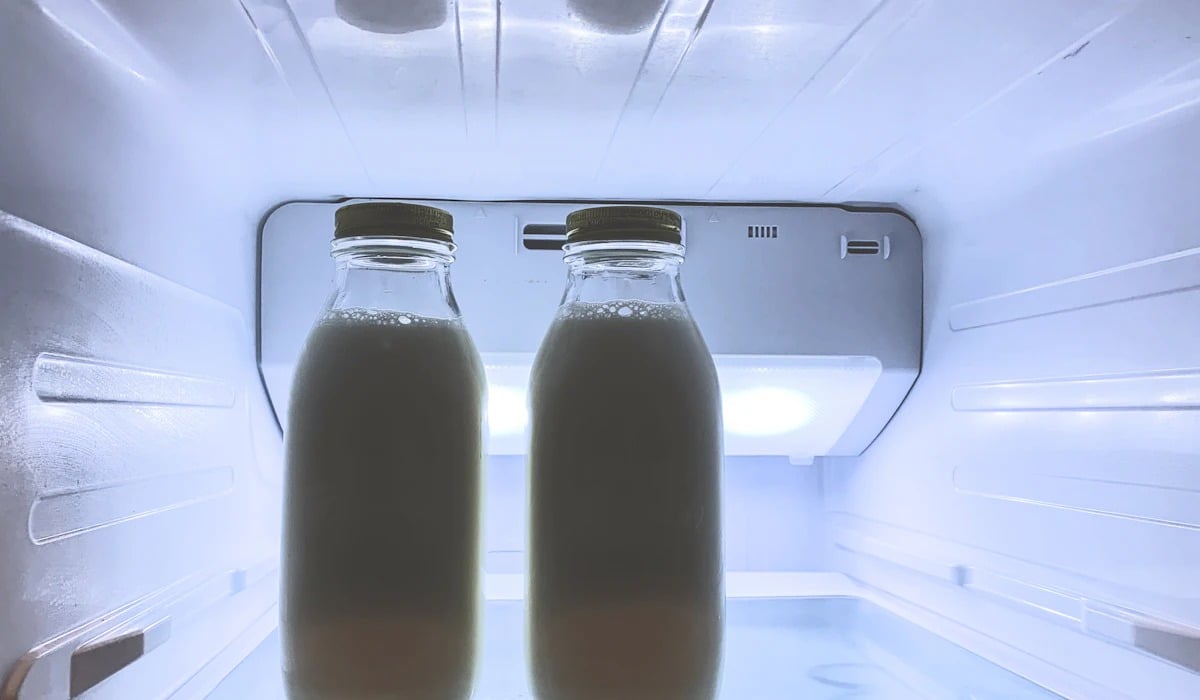
Before refrigeration was universal, canned evaporated milk solved the problem of milk that spoiled within days. Pet Milk traces its origins to the Helvetia Milk Condensing Company, founded in Highland, Illinois, in 1885, and Carnation launched in Kent, Washington, in 1899 with the slogan about milk from contented cows arriving soon after.
Cooks used it in pumpkin pie, fudge, creamy soups and coffee. It was also widely used for infant formula through the middle of the twentieth century.
Many families still consider pumpkin pie incomplete without that specific can.
Eagle Brand Sweetened Condensed Milk
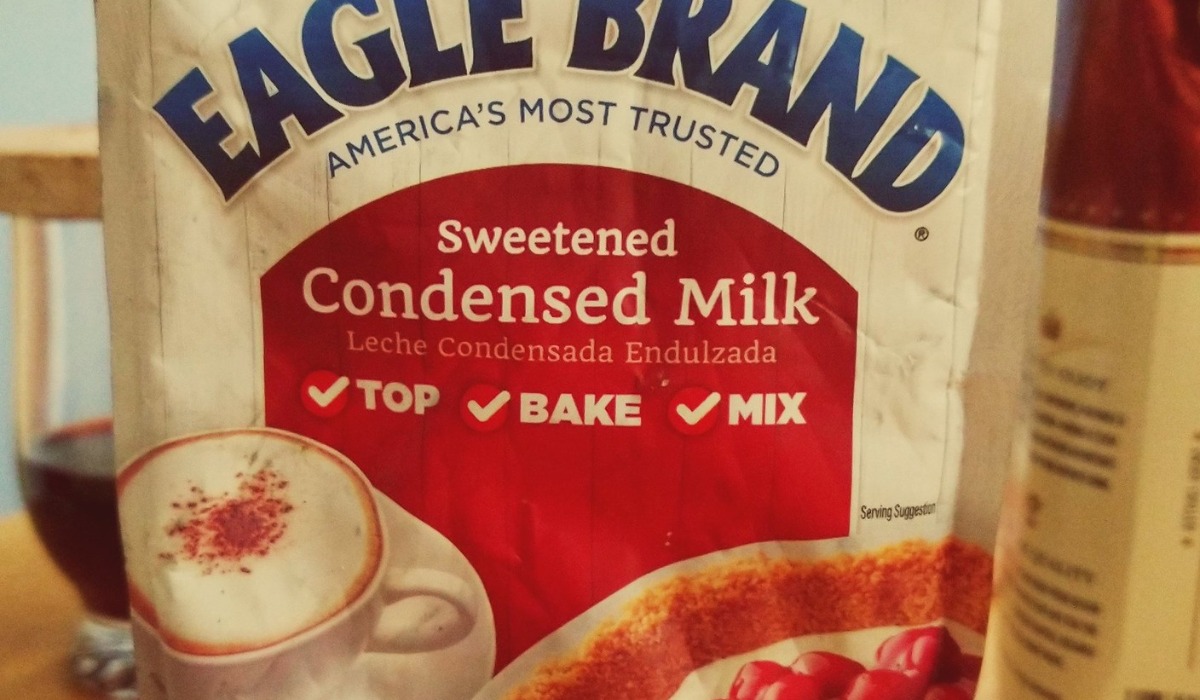
Gail Borden patented a method for condensing milk in a vacuum in 1856, and his sweetened version became known as Eagle Brand. Sugar acted as a preservative, so the thick, syrupy milk kept for months in a sealed can.
The Union Army bought large quantities during the Civil War, which helped make the product famous. Home cooks later relied on it for no-bake pies, fudge, magic cookie bars and key lime pie, where the milk sets up with acidic lime juice.
Many grandparents kept a can in reserve for emergency desserts.
Spam in the Cupboard

Hormel introduced Spam in Austin, Minnesota, in 1937, a canned pork product that needed no refrigeration until opened. The name came from a contest, and the usual story says actor Ken Daigneau, brother of a Hormel executive, won 100 dollars for suggesting it.
World War II made Spam a global commodity as it fed American troops and allies overseas. Back home, families fried slices for breakfast, baked them with brown sugar glaze and cubed them into fried rice.
Hawaii, Guam and South Korea remain among its most loyal markets.
Jell-O in Every Flavor
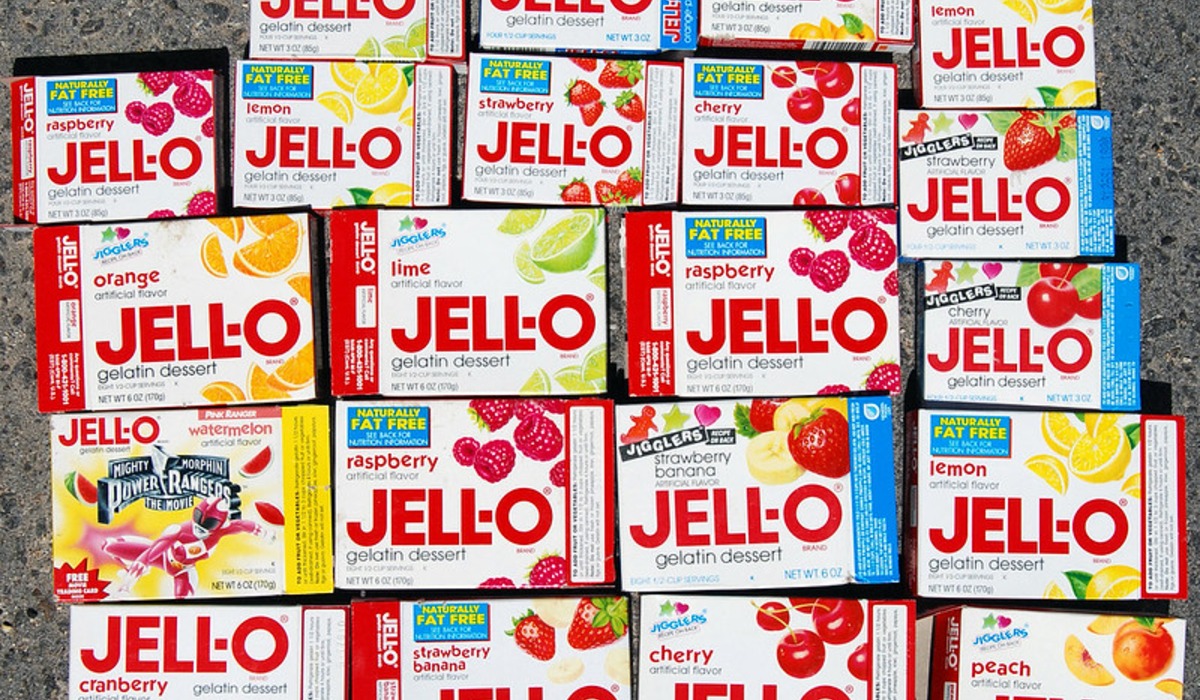
Pearle Wait, a carpenter in Le Roy, New York, trademarked Jell-O in 1897, then sold the rights two years later to Orator Woodward for 450 dollars. Woodward’s company turned it into a national brand with recipe booklets and door-to-door salesmen.
Home cooks of the midcentury era set it in molds with fruit, vegetables, cottage cheese and even canned seafood, and congealed salads became potluck fixtures. Packages lined pantry shelves in strawberry, lime and cherry.
Le Roy now hosts the Jell-O Gallery Museum, devoted to the dessert that put the town on the map.
Bisquick in the Yellow Box
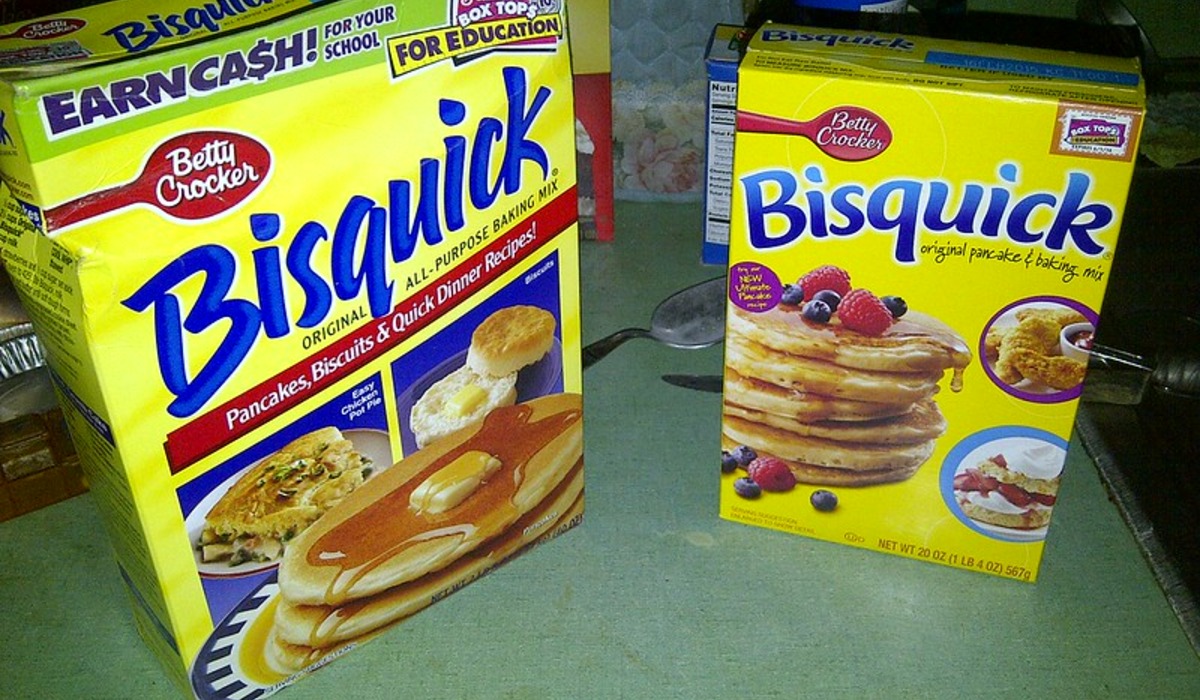
General Mills introduced Bisquick in 1931, a premixed blend of flour, shortening, salt and leavening that only needed liquid added. The company’s origin story credits sales executive Carl Smith, who reportedly watched a dining car chef on a Southern Pacific train mix biscuits quickly from a premade blend.
The box promised fresh biscuits in minutes during the Depression, when time and money were both short. Cooks soon used it for pancakes, dumplings, shortcake and dozens of recipes printed on the package.
Many families still treat a box as the base for weekend breakfasts.
Karo Syrup Bottles
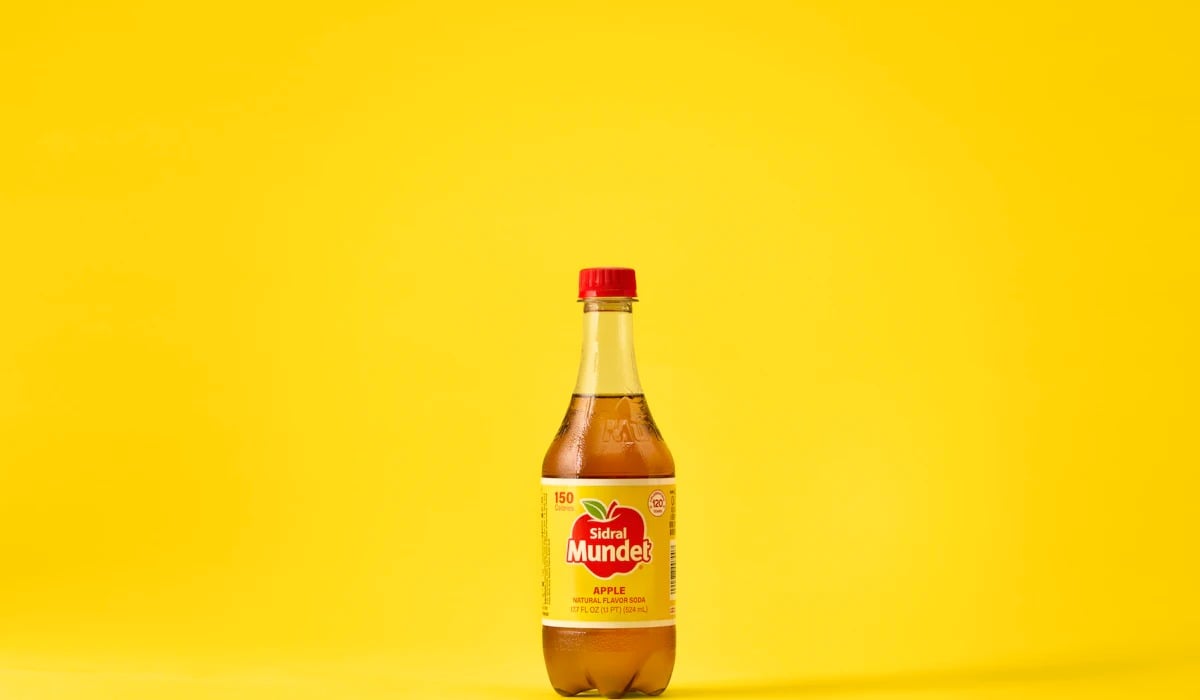
Karo corn syrup arrived in 1902 from the Corn Products Refining Company, and the light and dark versions quickly found a place in American kitchens. Southern cooks made it the backbone of pecan pie, a recipe the brand helped popularize on its labels.
It also went into homemade candy, popcorn treats and pancake syrup when maple was too expensive. Light corn syrup kept sugar from crystallizing in candies and frostings, which made it essential for holiday baking.
Bottles still sit in many pantries, often purchased just once a year for pecan pie.
Molasses for Gingerbread and Beans
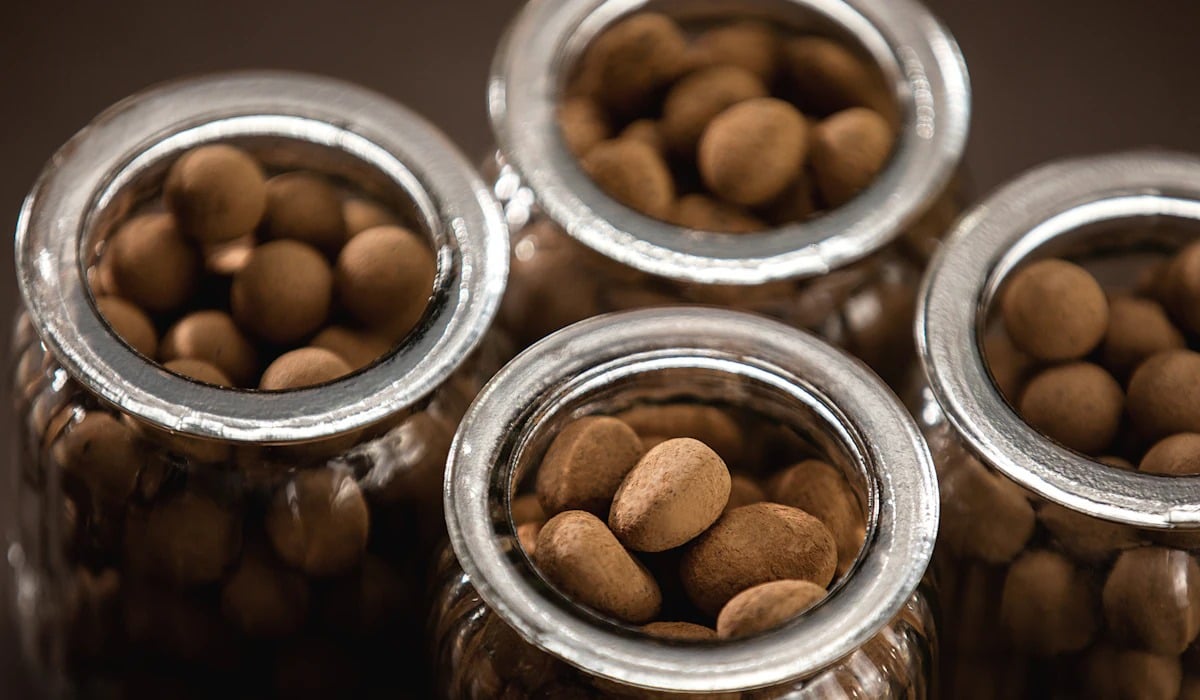
Molasses was the everyday sweetener in many American homes long before refined sugar became cheap. Cooks used it in gingerbread, molasses cookies, Indian pudding, brown bread and baked beans, giving those dishes their deep color and slightly bitter edge.
Brands such as Grandma’s Molasses and Brer Rabbit were familiar labels in the twentieth century. Blackstrap, the darkest grade, was sometimes taken by the spoonful as an iron supplement.
A jar in the cupboard meant a pan of gingerbread could appear whenever someone needed cheering up.
White Vinegar for Everything
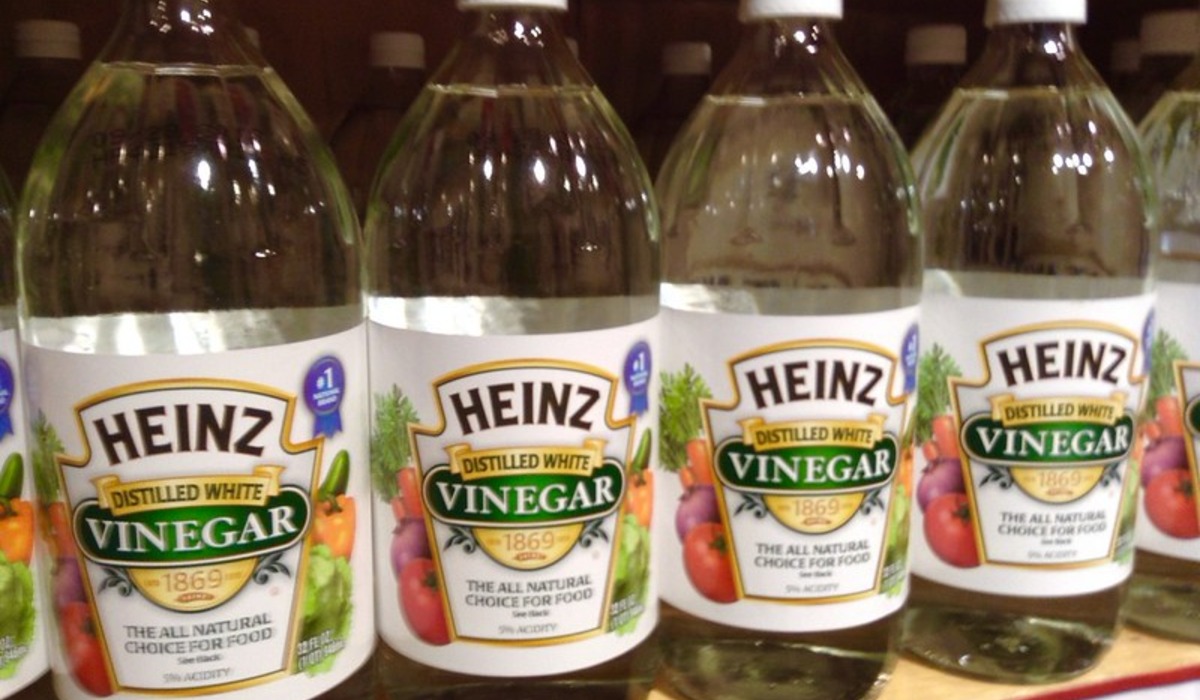
A gallon jug of distilled white vinegar handled pickling, salad dressing and a long list of household chores. Home canners relied on it for cucumbers, beets, peppers and chowchow, since its consistent acidity made pickles safe.
Cooks added a splash to boiled eggs to help with peeling, to buttermilk substitutes and to tenderizing tough cuts of meat. Off the stove, the same vinegar cleaned windows, freshened laundry and descaled kettles.
Its versatility explains why so many households bought it by the gallon rather than the small bottle.
Canned Salmon on the Shelf
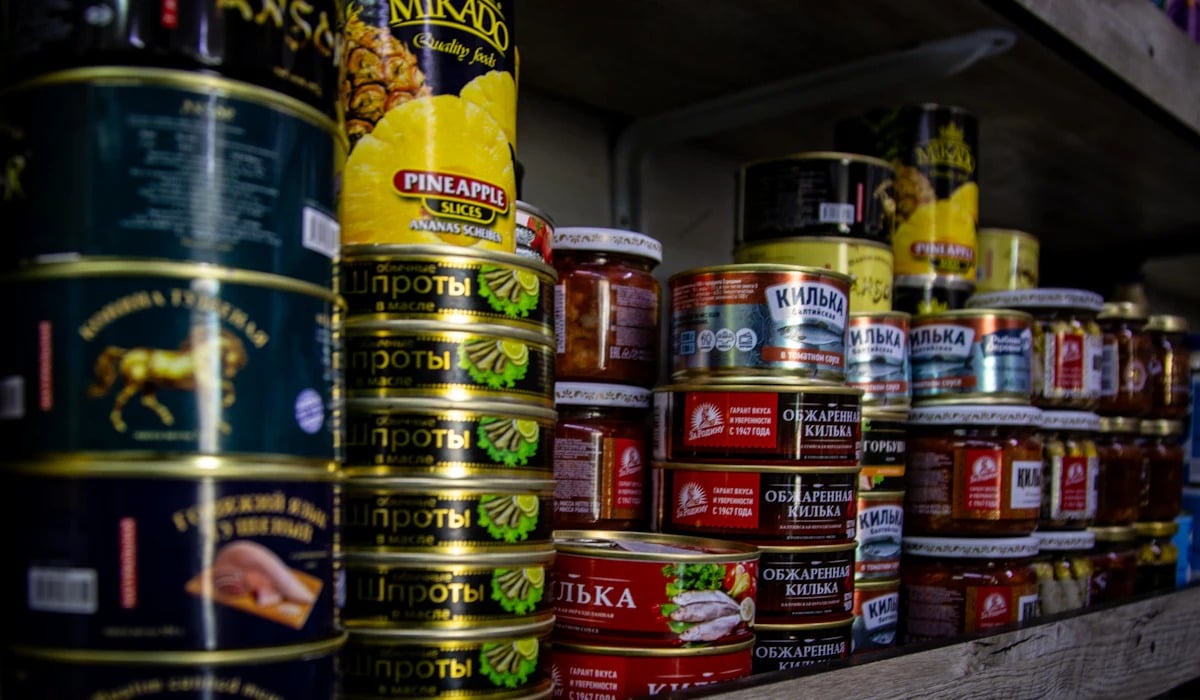
The first Pacific Coast salmon cannery opened in 1864 on the Sacramento River, run by William Hume, George Hume and Andrew Hapgood. The industry moved north to the Columbia River and Alaska, and canned salmon became one of the cheapest sources of protein in American stores.
Grandparents turned it into salmon patties, salmon loaf and creamed salmon on toast, often on Fridays when many Catholic families skipped meat. The softened bones were usually mashed in for extra calcium.
Cans of pink salmon still sit in pantries as a quick backup supper.
Quaker Oats in the Round Box
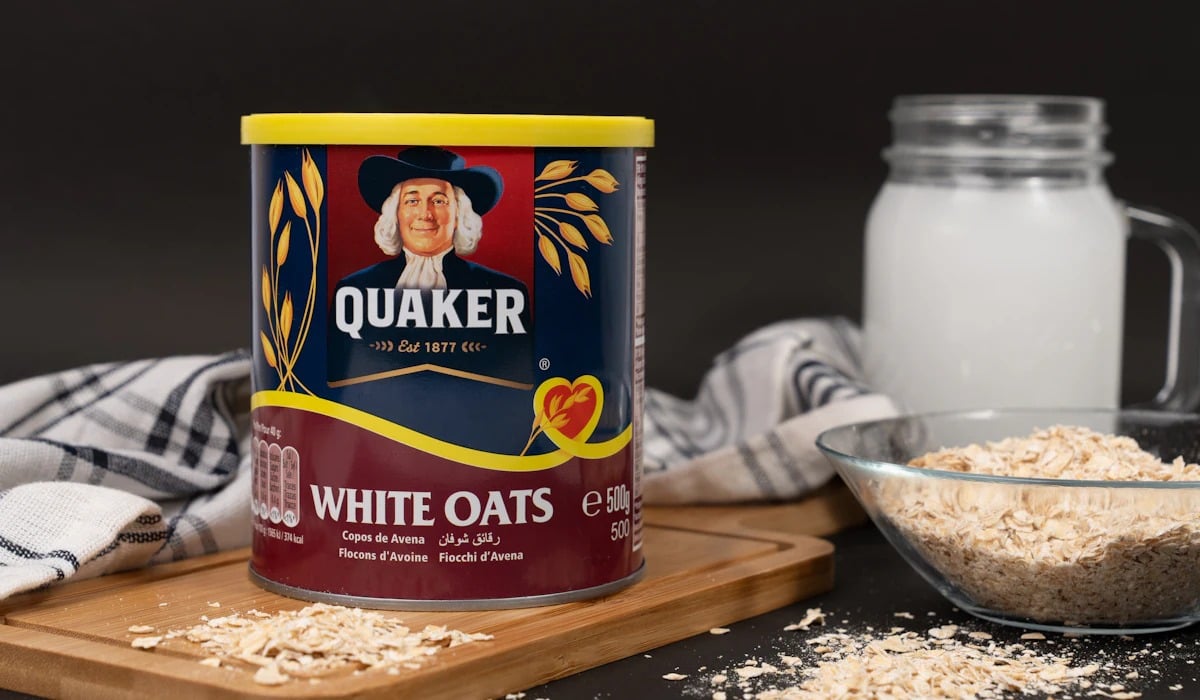
The Quaker Oats trademark was registered in 1877, often cited as the first trademark for a breakfast cereal. Henry Parsons Crowell, who later led the company, helped turn oats from horse feed into a branded breakfast food sold in sealed packages instead of open barrels.
The cylindrical cardboard canister became so familiar that families reused empties for buttons, toys and drums. Cooks used rolled oats for porridge, meatloaf filler, oatmeal cookies and crisp toppings.
The cylinder has changed little over many decades, which helps explain its nostalgic pull.
Postum as a Substitute Brew

C.W. Post introduced Postum in 1895 as a caffeine-free drink made from roasted wheat, bran and molasses.
It became especially popular during World War II, when coffee was rationed, and among families who avoided caffeine for religious reasons. Many grandparents drank a cup of the hot, roasted brew at breakfast for decades.
Kraft discontinued it in 2007, prompting loyal fans to hoard jars and trade them online. A small North Carolina company bought the rights and returned it to stores in the 2010s, proving how attached its drinkers remained.
Mason Jars and Home Canning
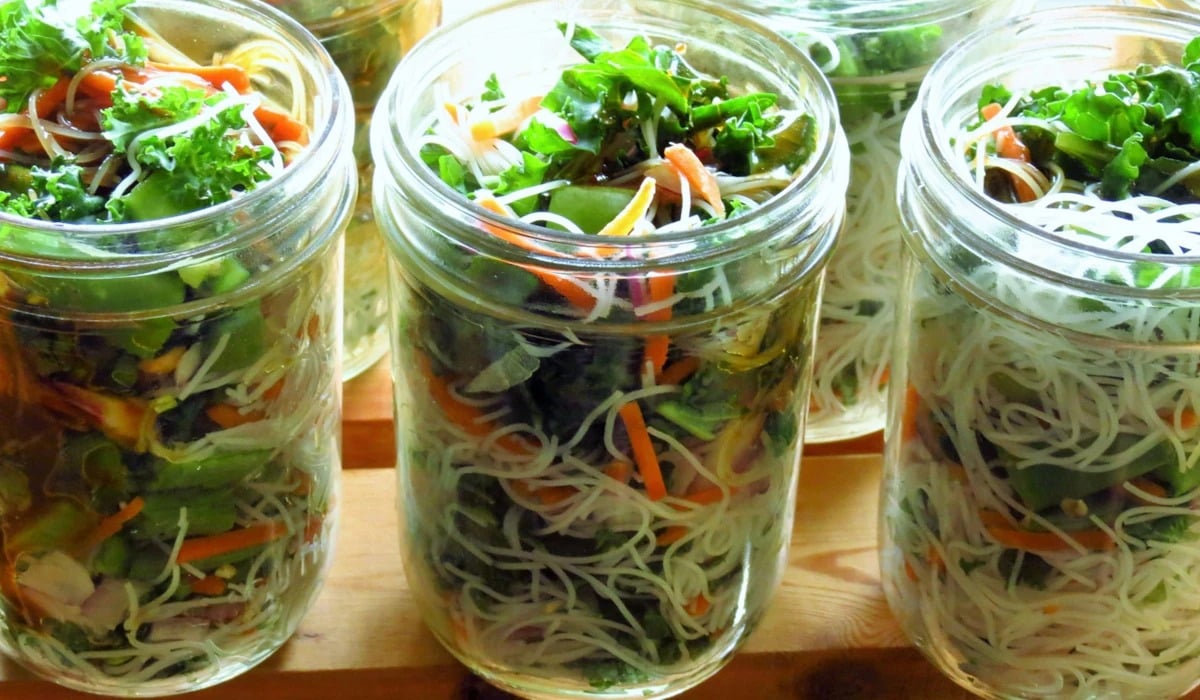
John Landis Mason patented his screw-top glass jar in 1858, and it transformed home food preservation. Grandparents filled dozens of jars every summer with tomatoes, green beans, peaches, jams and pickles, lining cellar shelves with enough to last through winter.
During World War II, home canning was part of the Victory Garden effort, when families were encouraged to grow and preserve as much of their own food as possible. Canning days were often group events, with relatives sharing kettles, lids and labor.
The same jars were washed and reused year after year.
Dried Beans by the Pound
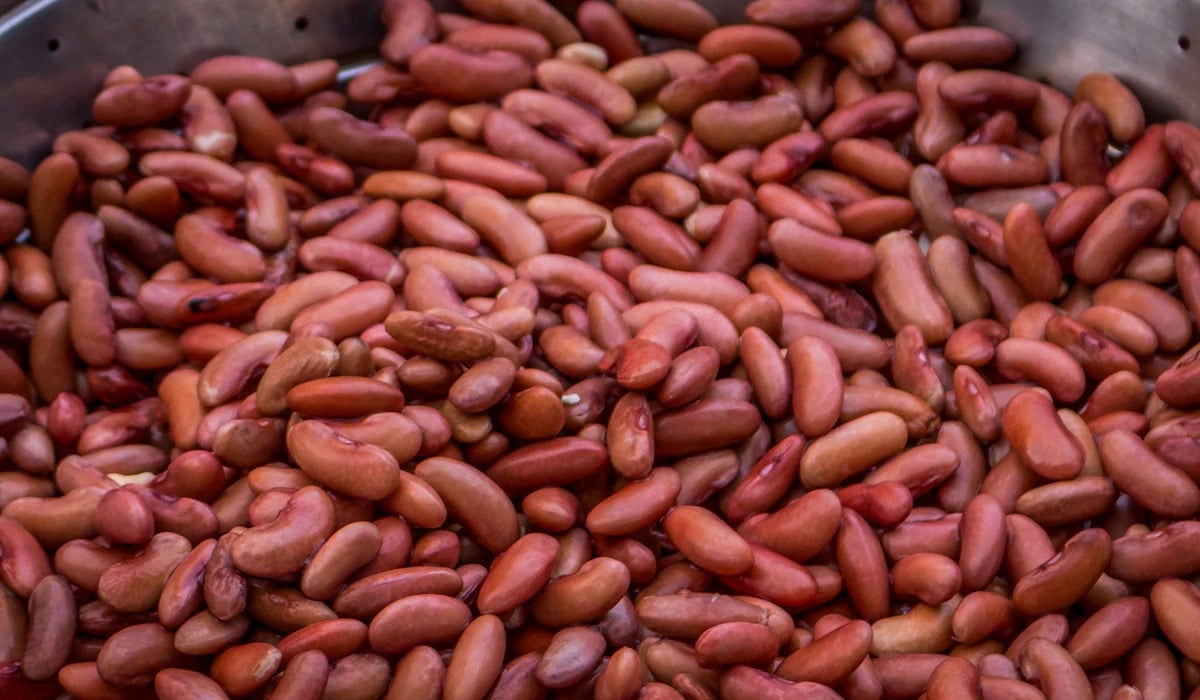
A bag of dried beans was cheap protein that kept almost indefinitely, which made it a permanent pantry resident. Families cooked pinto beans with a ham hock in the South, baked navy beans with molasses in New England and simmered butter beans or black-eyed peas for Sunday dinner.
Cooks soaked them overnight and simmered them slowly on the back of the stove. The navy bean takes its common name from the United States Navy, which served the bean to sailors in the nineteenth century.
Dried beans remain among the cheapest foods a family can buy.
Velveeta in the Long Box
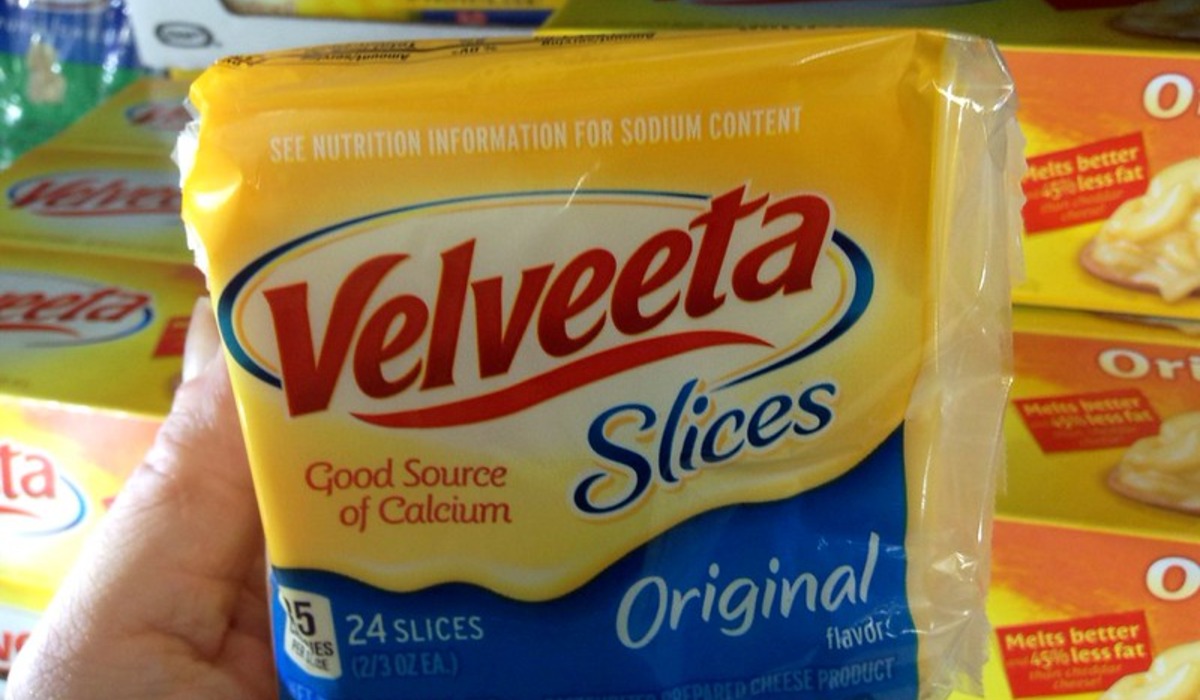
Velveeta was developed in 1918 by Emil Frey at the Monroe Cheese Company in Monroe, New York, as a way to turn broken cheese wheels into a smooth, meltable product. Kraft acquired the brand in 1927 and promoted it as nutritious and easy to digest.
The long golden block melted into perfectly smooth sauces without separating, which made it a favorite for macaroni, dips and grilled sandwiches. Families also sliced it straight from the box for quick lunches.
Its texture is still the reason cooks reach for it at game-day dip time.
Saltine Crackers in the Tin

F.L. Sommer and Company of St.
Joseph, Missouri, is generally credited with the saltine, introduced in 1876 under the Premium name, a brand later acquired by Nabisco. Grandparents bought crackers in large tins or boxes that kept them crisp, and served them with soup, chili and oyster stew.
Crushed saltines became a coating for fried fish and a binder for meatloaf and salmon patties. They were also the standard sick-day food for upset stomachs, paired with ginger ale.
Many families still keep a sleeve in reserve as an all-purpose kitchen helper.
Cast Iron Skillet on the Stove
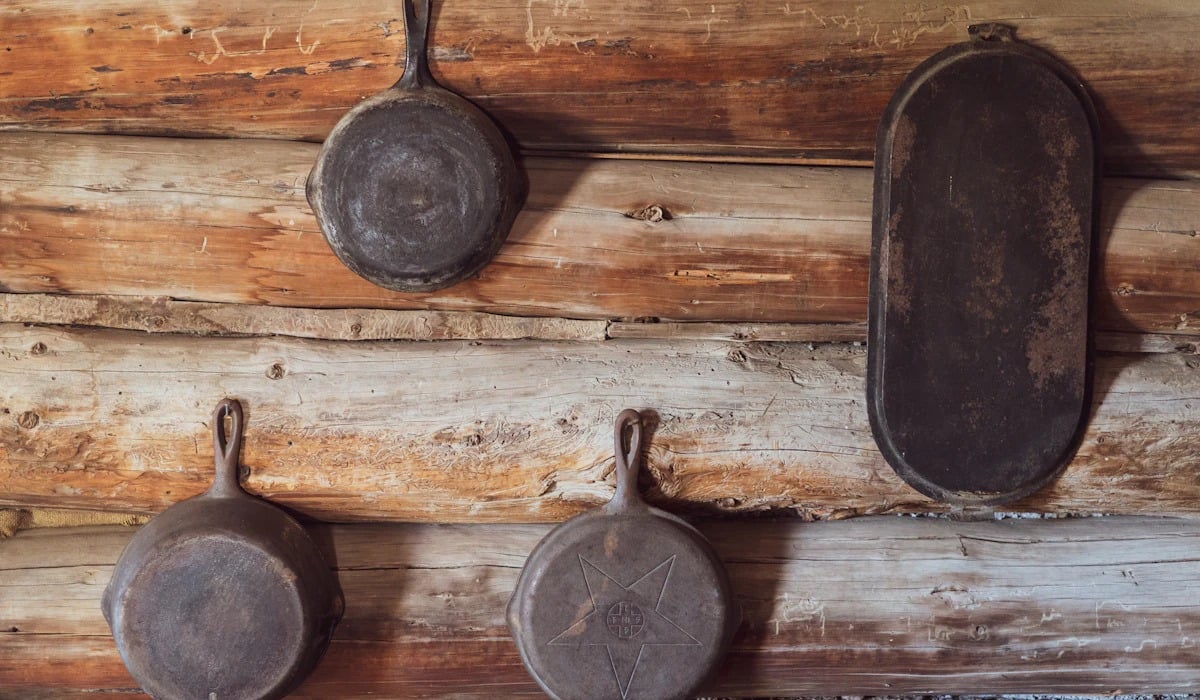
Most kitchens of that generation had at least one heavy black cast iron skillet, often handed down from a parent. Lodge, founded by Joseph Lodge in South Pittsburg, Tennessee, in 1896, and Griswold of Erie, Pennsylvania, were common makers.
Cooks fried chicken, baked cornbread and seared steaks in the same pan, which grew more nonstick with every year of seasoning. Washing it with soap or leaving it to soak was considered a serious offense in many homes.
The pan usually lived right on the stove, too heavy and too useful to put away.
Pantries Built on Thrift
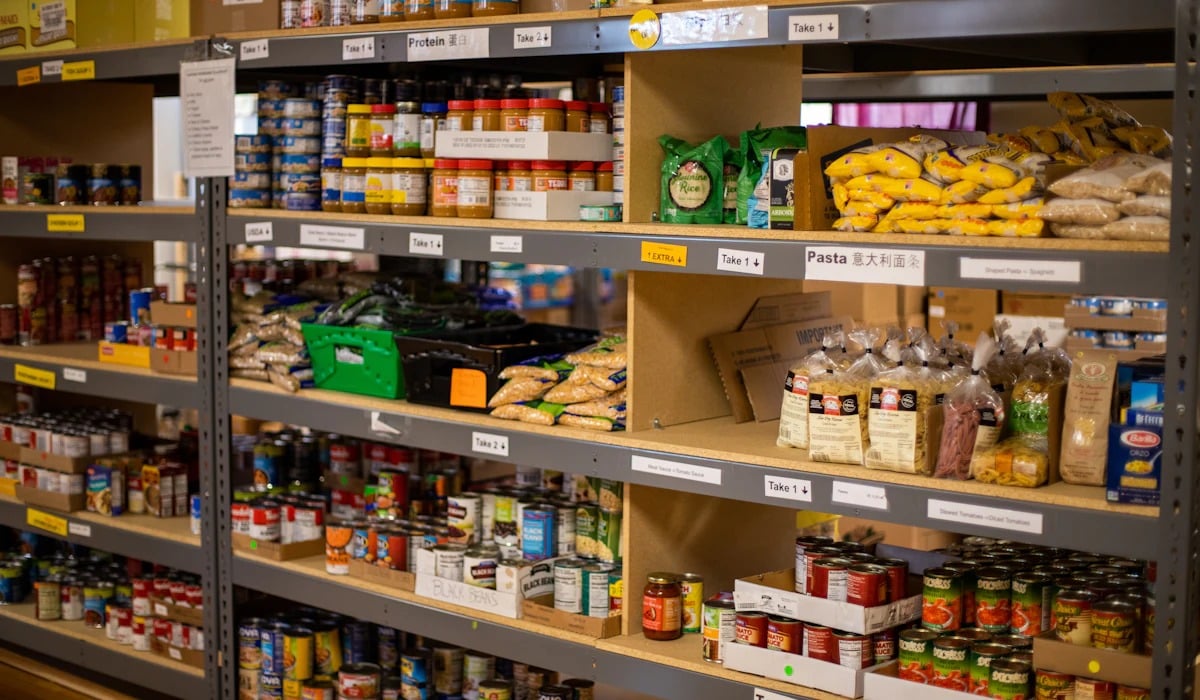
Those staples shared a few traits. Most kept for months without refrigeration, most could be stretched across several meals and most came from companies that worked hard to earn household loyalty.
The canisters, jars and crocks reflected a way of cooking where waste was close to unthinkable.
Modern kitchens hold more choices than any earlier generation could have imagined, yet many of those older staples are still being bought. A tin of baking powder or a jar of bacon drippings connects a modern cook to a long line of practical hands.
Thrift, in the end, turned out to be a very durable recipe.
MORE FROM GO2TUTORS!

- The Romanov Crown Jewels and Their Tragic Fate
- 13 Historical Mysteries That Science Still Can’t Solve
- Famous Hoaxes That Fooled the World for Years
- 15 Child Stars with Tragic Adult Lives
- 16 Famous Jewelry Pieces in History
Like Go2Tutors’s content? Follow us on MSN.