Last Meals Ordered by Famous Figures in History
The final meal holds a peculiar place in human ritual. It’s the last act of choice, the final expression of preference before the ultimate surrender of control.
Throughout history, condemned prisoners have been offered this small mercy — one last taste of whatever they desired most. When that privilege extended to famous figures, their choices revealed something profound about who they truly were when stripped of everything else.
Some requested elaborate feasts that spoke to a lifetime of luxury. Others chose simple comfort foods that connected them to childhood memories or happier times.
A few made requests so bizarre they seemed designed to confuse or delay their executioners. These final meals became windows into souls facing the ultimate reckoning, showing us that even in death, personality persists.
Mary, Queen Of Scots
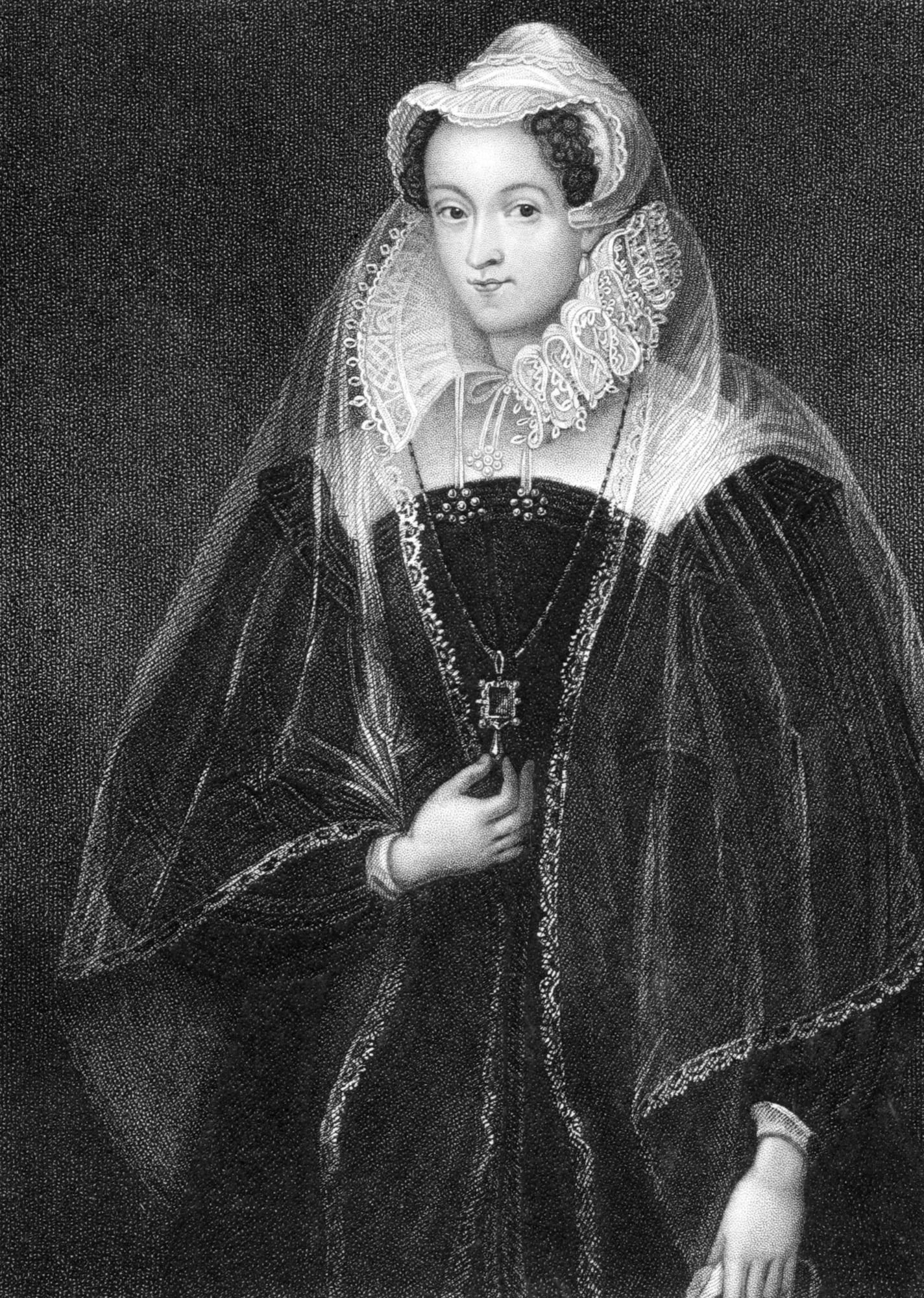
Mary Stuart knew how to make a statement, even with her final meal. She requested wine and bread — not the simple peasant fare this sounds like, but carefully chosen symbols of her Catholic faith.
The bread and wine mirrored the Eucharist, transforming her last meal into a religious ceremony. She took communion one final time before facing the executioner’s axe.
Protestant England had condemned her, but she would die as she lived: defiantly Catholic.
Marie Antoinette
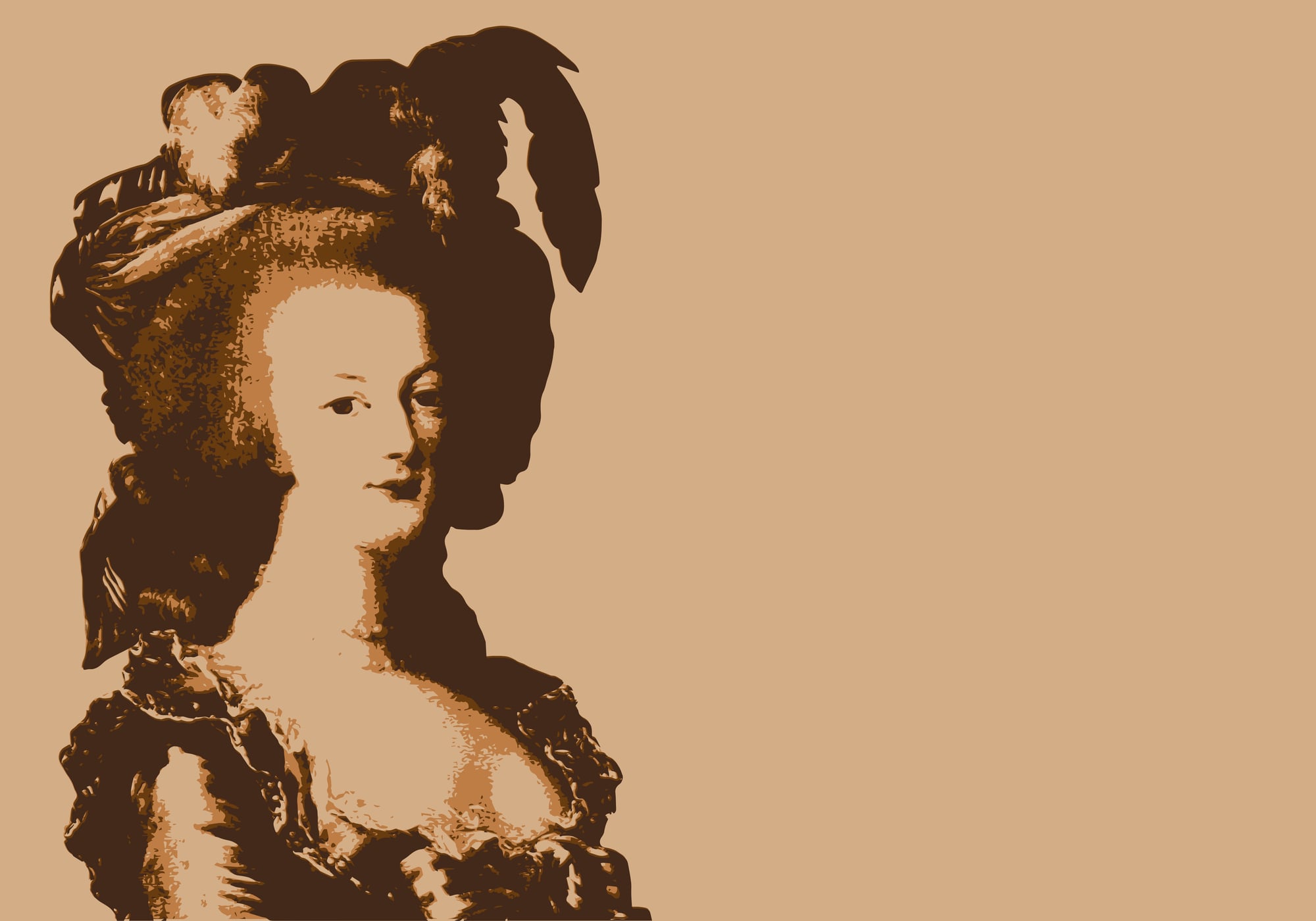
The former queen who allegedly said “Let them eat cake” chose something far more modest for her own final meal. She requested a simple cup of chocolate and some bread.
After months of imprisonment during the French Revolution, the woman once known for extravagant parties had been reduced to basics. Her final meal reflected either a newfound humility or perhaps just the reality of what was available in her prison cell.
The irony wasn’t lost on anyone — the queen who symbolized excess ended with almost nothing.
Sir Walter Raleigh
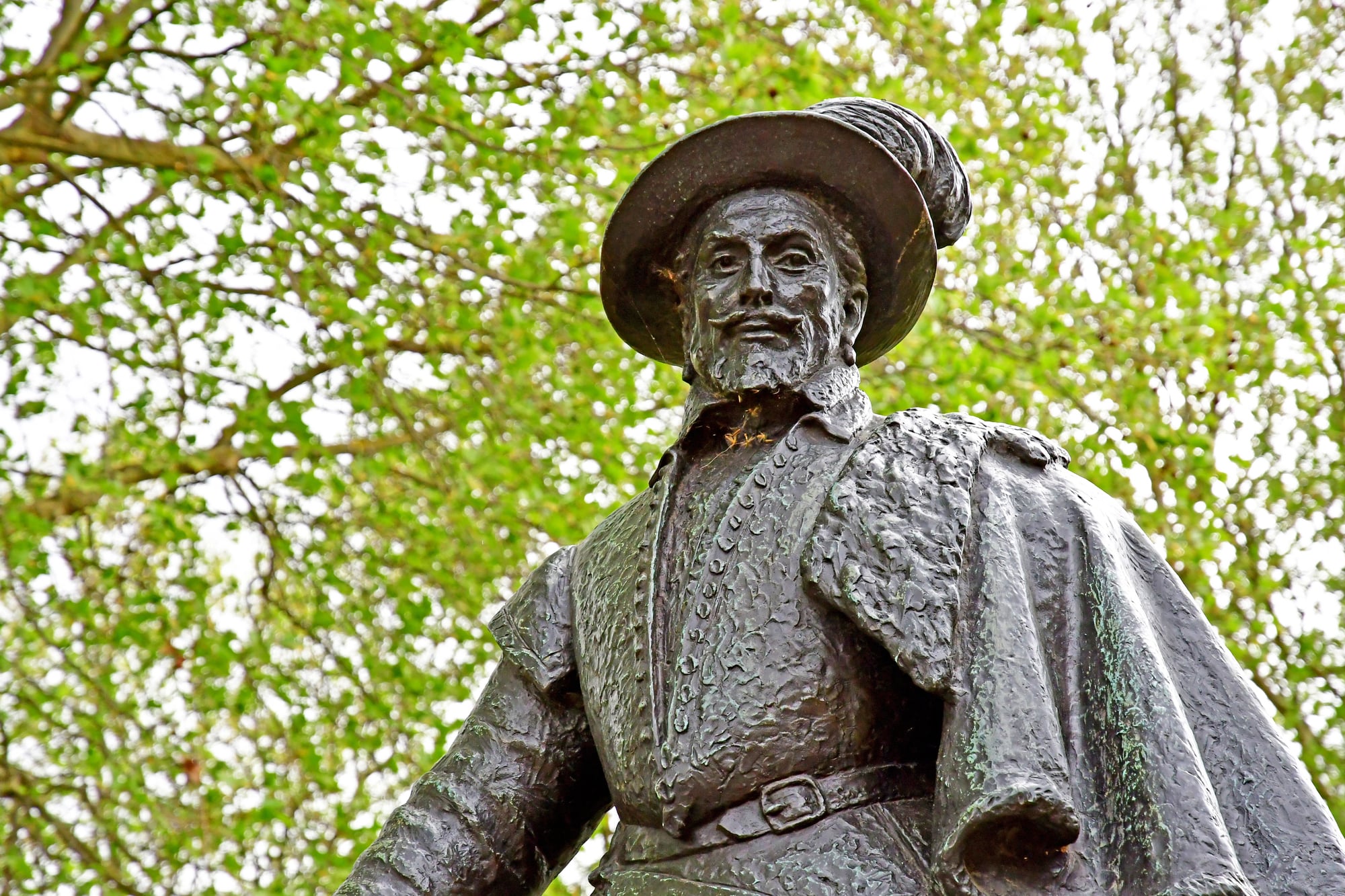
Here’s what fascinates about Raleigh’s final morning (and what tells you everything about the man’s character, really): he was offered breakfast before his execution, but he declined it entirely, saying he had no need for it where he was going. Practical to the end.
But then — and this is where it gets interesting, because Raleigh was nothing if not theatrical — he asked for his pipe and nicotine instead, claiming he wanted one last smoke before meeting his maker.
So the man who helped introduce nicotine to England spent his final conscious moments doing exactly what he’d spent decades promoting. The executioner apparently waited patiently while Raleigh finished his pipe, which must have been surreal for everyone involved.
And yet there’s something oddly fitting about it: the explorer who brought back exotic pleasures from the New World choosing that very pleasure as his farewell to life.
King Charles I
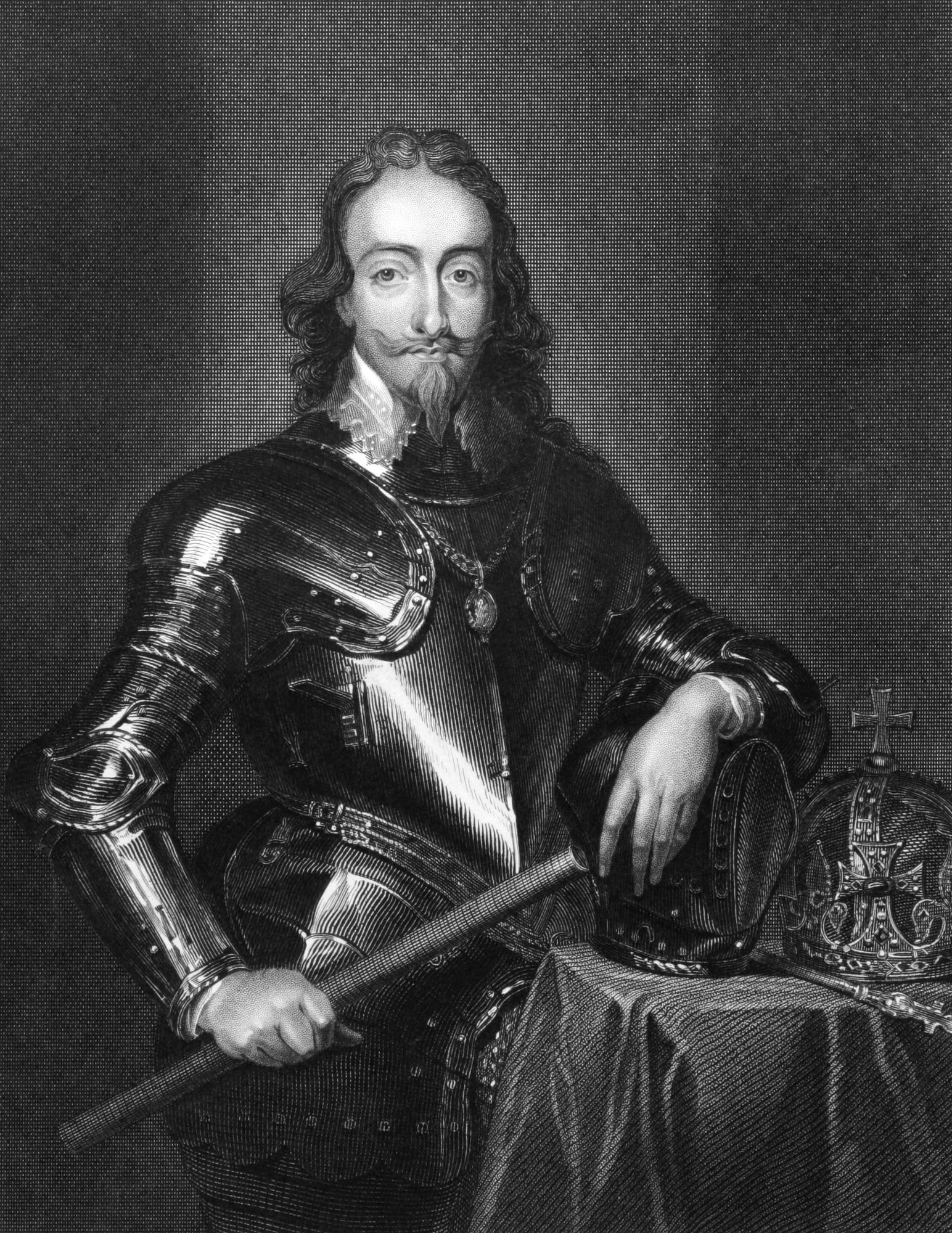
The king approached his final meal like a man attending a dinner party he didn’t particularly want to attend but felt obligated to see through properly. He ate bread and drank a glass of claret wine — nothing fancy, nothing that would draw attention to itself.
Charles had spent his entire life performing the role of king. Even facing execution, he couldn’t quite shake the habit of propriety.
The meal was correct, appropriate, and utterly forgettable. Which was probably exactly what he wanted — to die as he had lived, with dignity intact and no one able to say he’d made a spectacle of himself.
Captain William Kidd
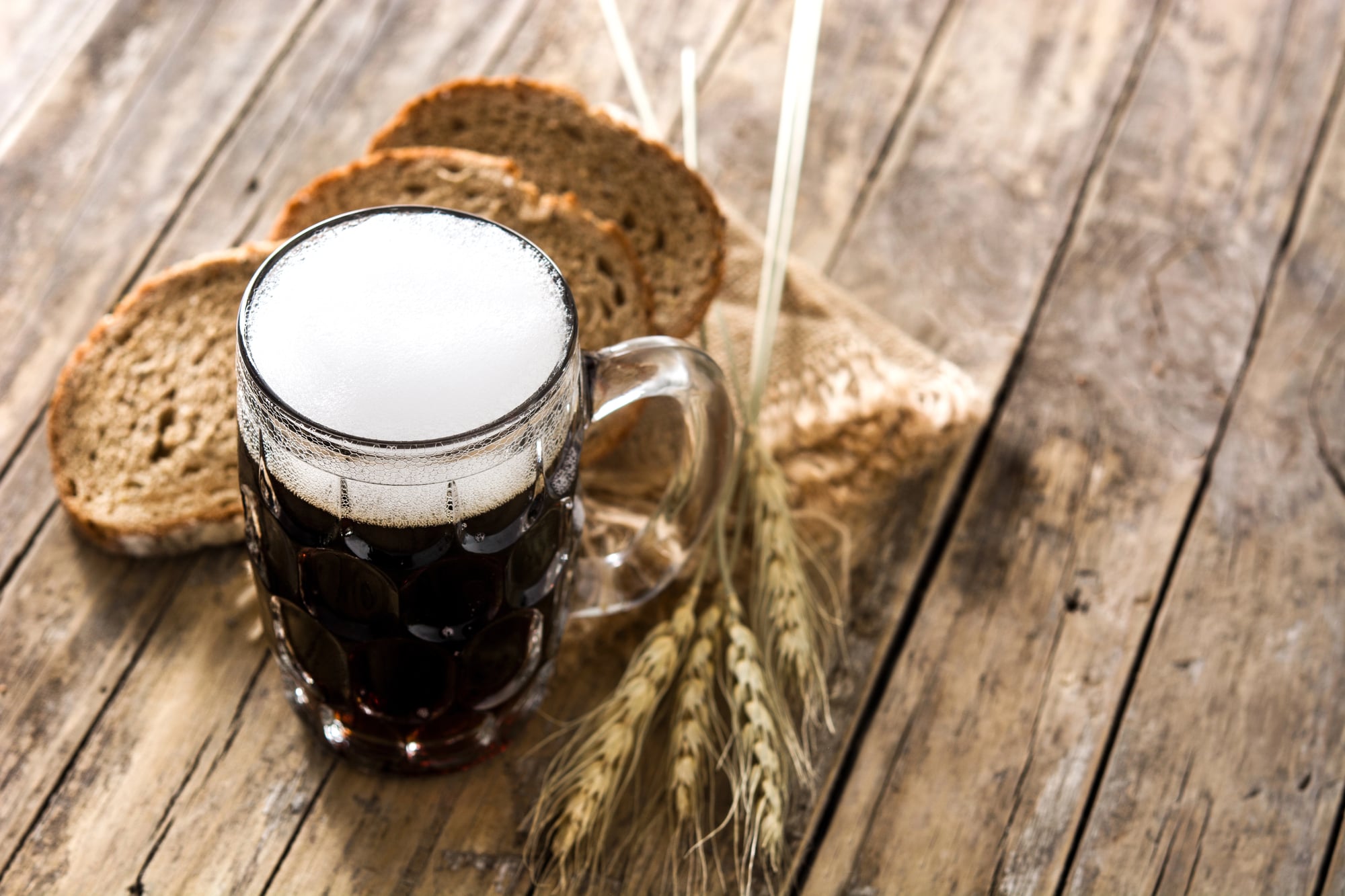
Kidd’s final meal tells you exactly what kind of man he was. No elaborate requests, no symbolic gestures — just ale and bread.
The pirate kept things simple. Whether this reflected genuine humility or just a man too defeated to care about food is hard to say.
Kidd had spent his final months insisting he was innocent of piracy charges, claiming he was actually a privateer working for the Crown. His plain final meal matched his straightforward defense: uncomplicated and unpretentious.
Nathan Hale
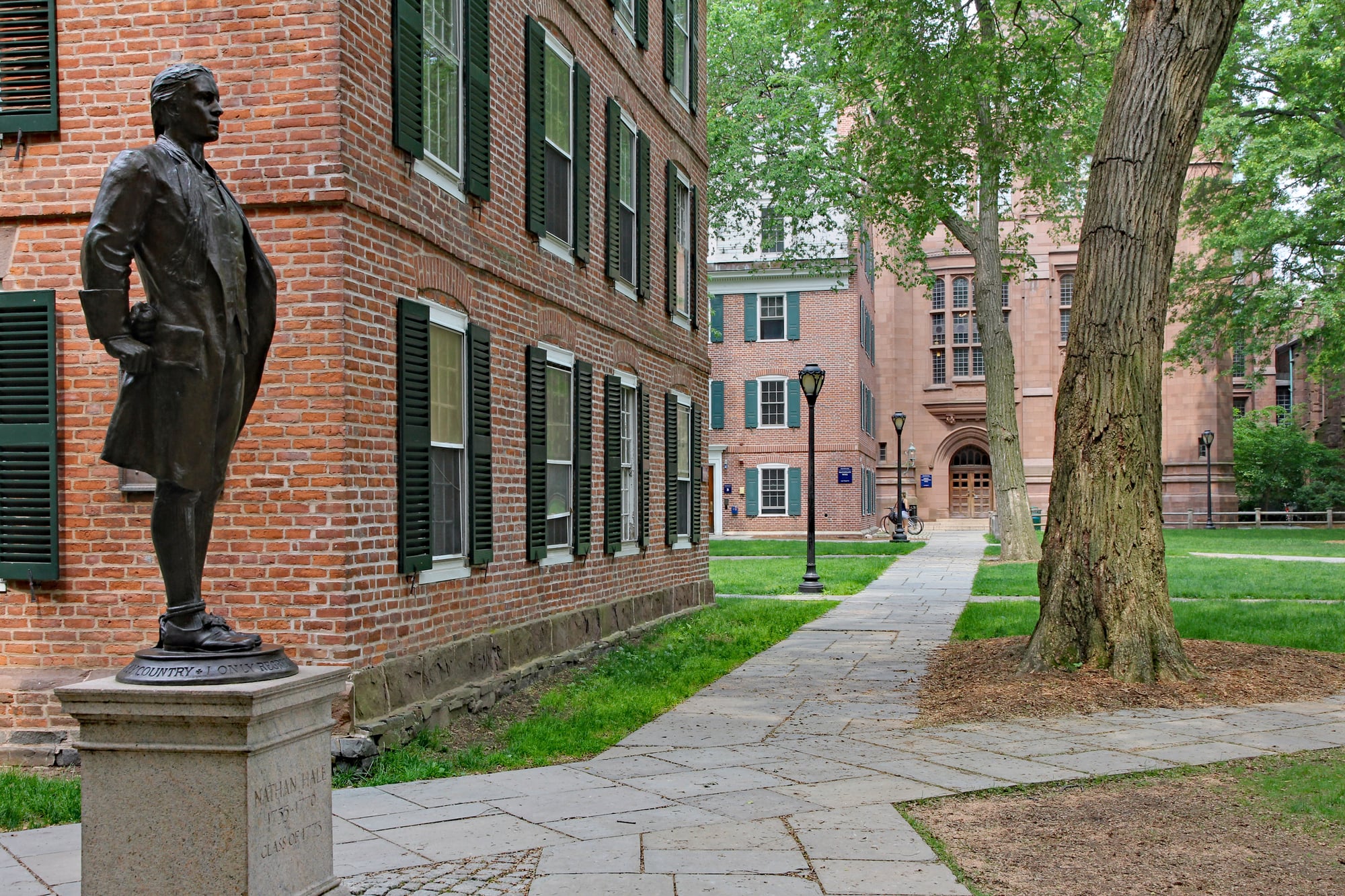
The young American spy (barely 21, which somehow makes the whole thing worse) was captured by British forces during the Revolutionary War, and according to most accounts, he refused his final meal entirely. But here’s what’s remarkable about Hale’s last hours: he spent them writing letters to his family and reportedly reading from his Bible, treating the approaching execution as just another task to complete properly before moving on to whatever came next.
The refusal of food wasn’t dramatic posturing — it was practical. Hale apparently told his captors he had no appetite and preferred to spend his remaining time on correspondence rather than eating.
So the man who gave us “I only regret that I have but one life to lose for my country” approached his final meal the same way he approached his final moments: with the kind of matter-of-fact courage that turns regular people into legends.
Anne Boleyn
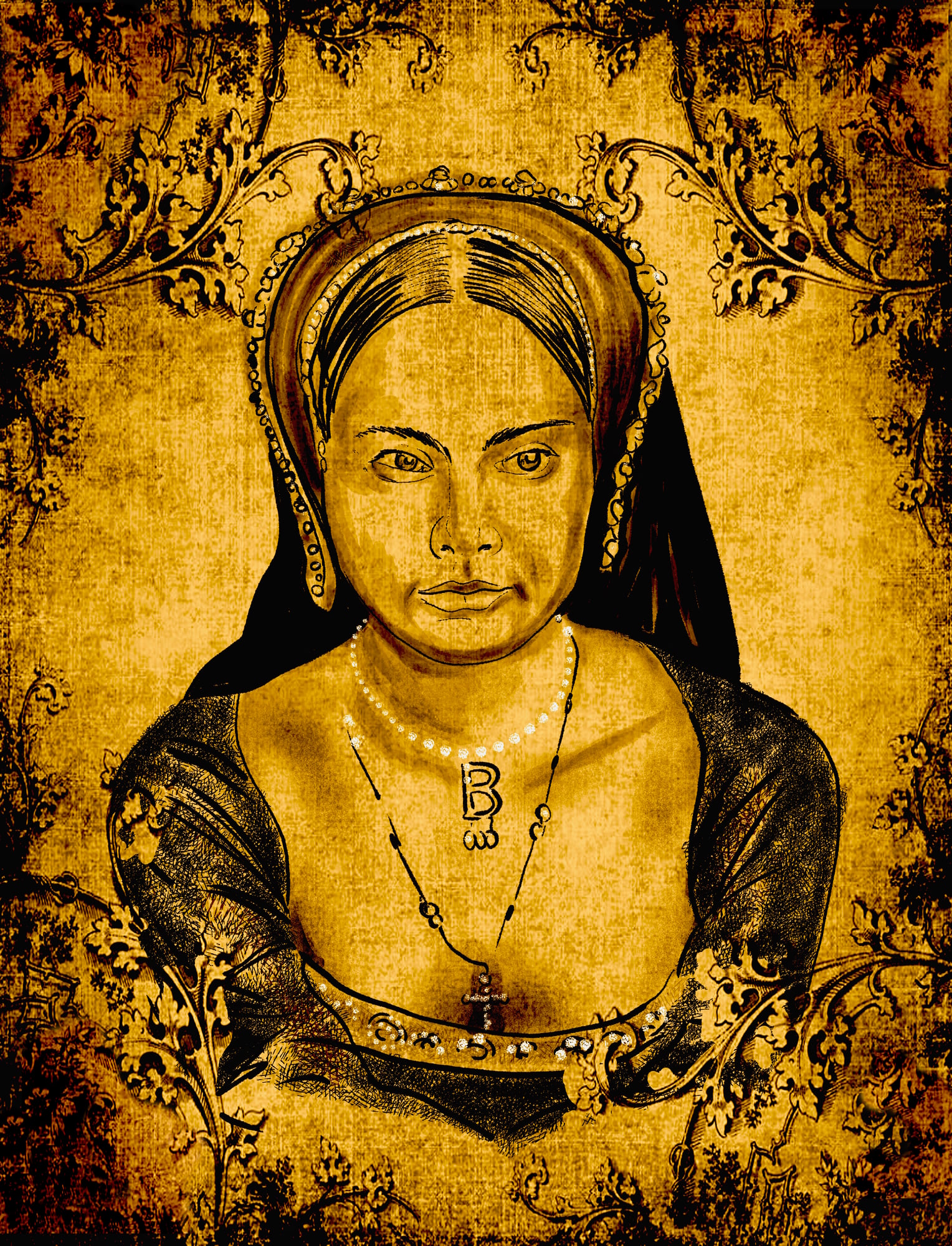
Anne’s final meal reflected the strange limbo she occupied in her last days — still technically queen, but condemned to die. She ate little, reportedly just some bread and wine, consumed in her chambers in the Tower of London.
The woman who had captivated Henry VIII and changed the course of English history faced her end with the same composure she’d maintained throughout her trial. Her appetite was gone, but her dignity remained.
She spent more time praying than eating, preparing her soul rather than satisfying her body.
Lady Jane Grey
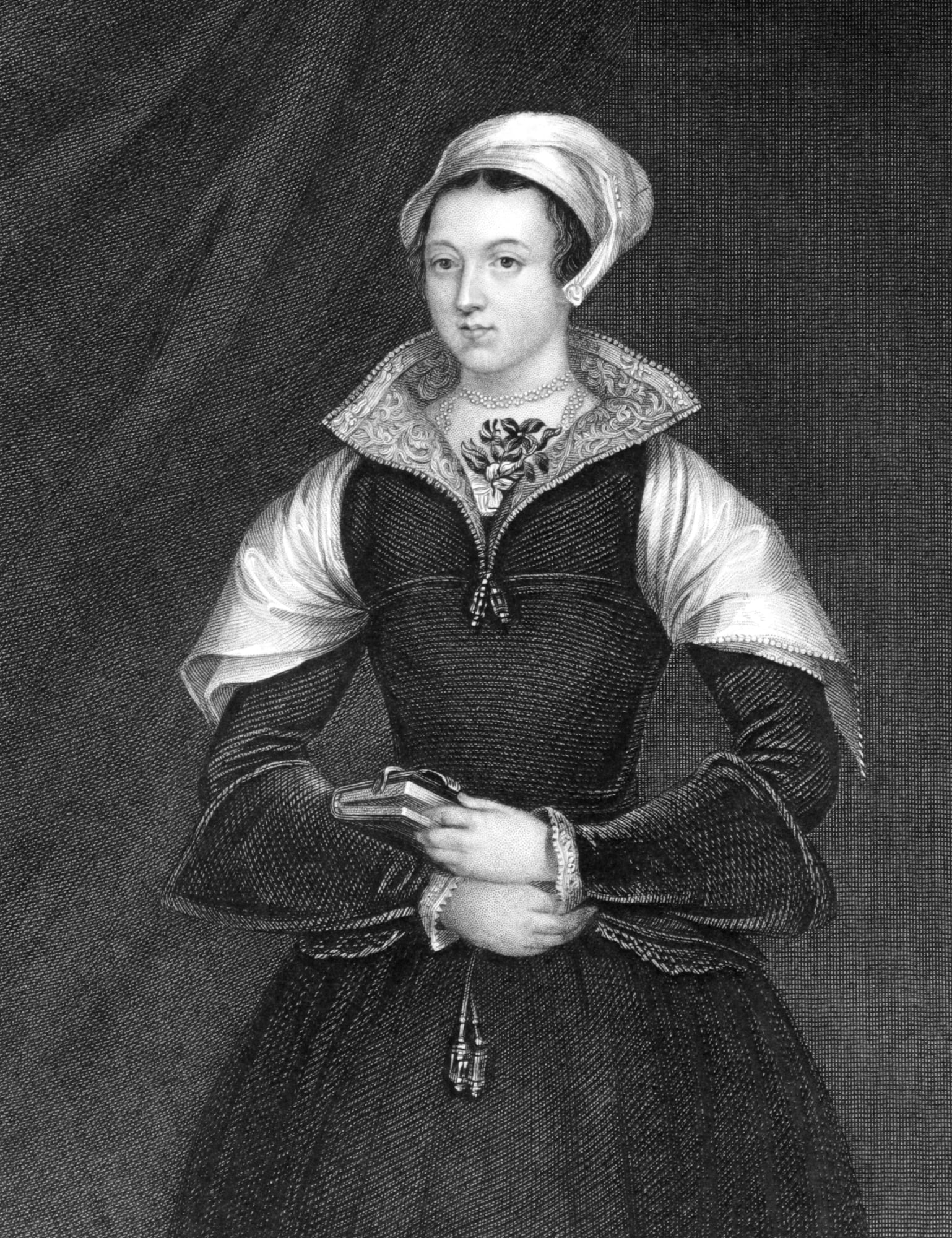
The Nine Days’ Queen was barely 16 when she faced execution (though given what she’d been through — basically used as a political pawn by adults who should have protected her instead — she probably felt much older). Her final meal was reported to be simple: bread, a small portion of meat, and watered wine, which was typical fare for someone of her station even under normal circumstances, let alone in the Tower of London.
But here’s what’s heartbreaking about Jane Grey’s final hours: she spent most of them writing. Not letters of complaint or desperate pleas for mercy, but careful, thoughtful notes to her family and friends.
She treated her execution like a departure she needed to prepare for properly. And when she finally sat down to eat that last meal, she reportedly ate very little of it — not from nerves, but because she genuinely seemed more interested in getting her affairs in order than in food.
Sir Thomas More
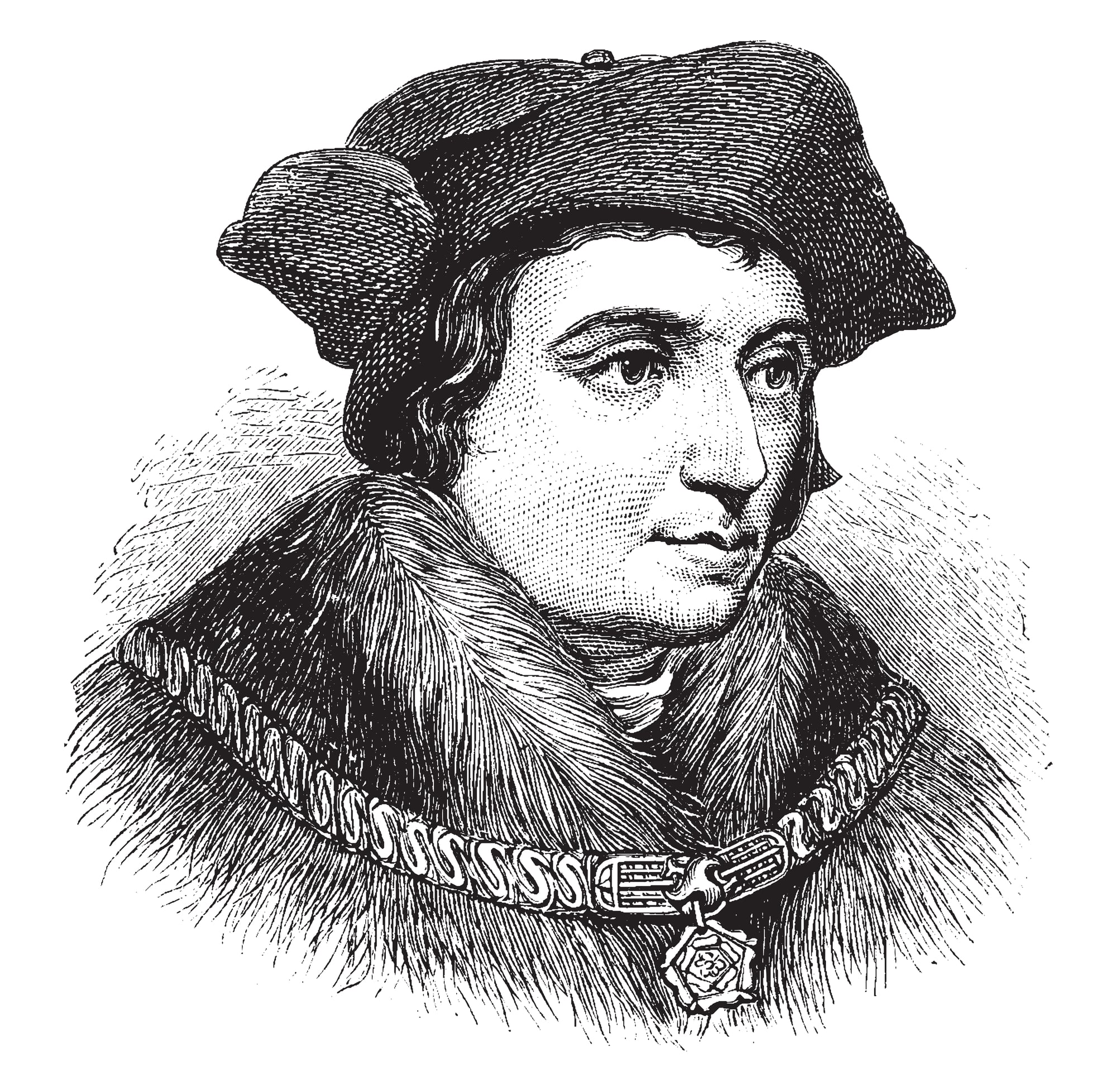
More’s final meal was bread, cheese, and small beer — exactly what you’d expect from a man who had spent his career balancing worldly success with spiritual devotion. He ate slowly, deliberately, as if savoring not the taste but the simple act of being alive to taste anything at all.
The former Lord Chancellor had refused to acknowledge Henry VIII’s supremacy over the Church, and now he was paying the price. His plain meal reflected the plain-spoken conviction that had brought him to this point.
More died as he had lived: principled, thoughtful, and utterly unwilling to compromise his beliefs for convenience.
John Brown
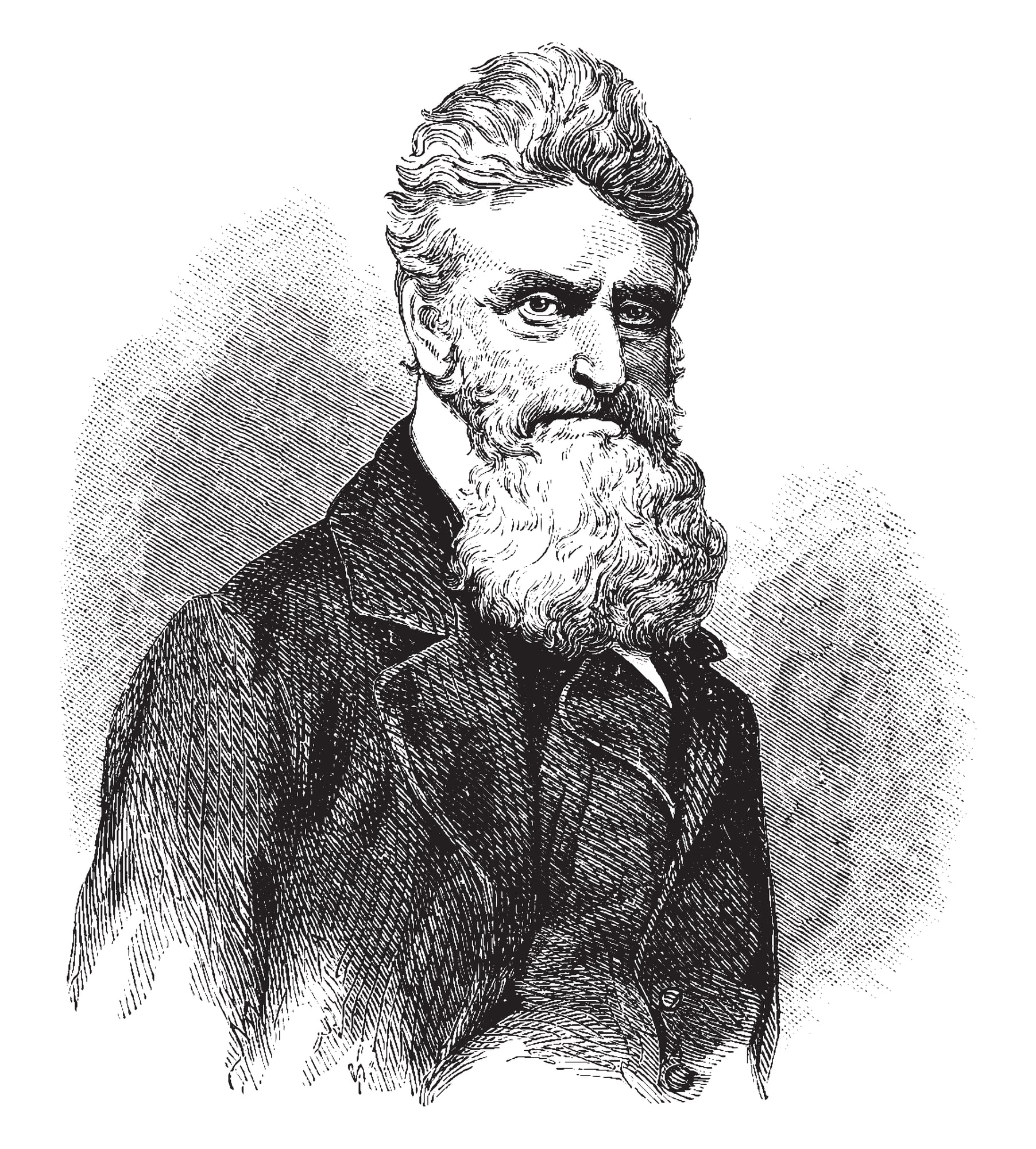
Brown requested no special meal — just simple prison food. The abolitionist who had attempted to spark a slave uprising at Harpers Ferry approached his final day with the same uncompromising attitude that had defined his entire campaign against enslavement.
He spent his final hours writing notes and letters rather than focusing on food. Brown saw himself as a martyr to the cause of abolition, and martyrs don’t typically worry about their last meal.
He ate what he was given and saved his energy for the letters that would outlive him.
Joan Of Arc
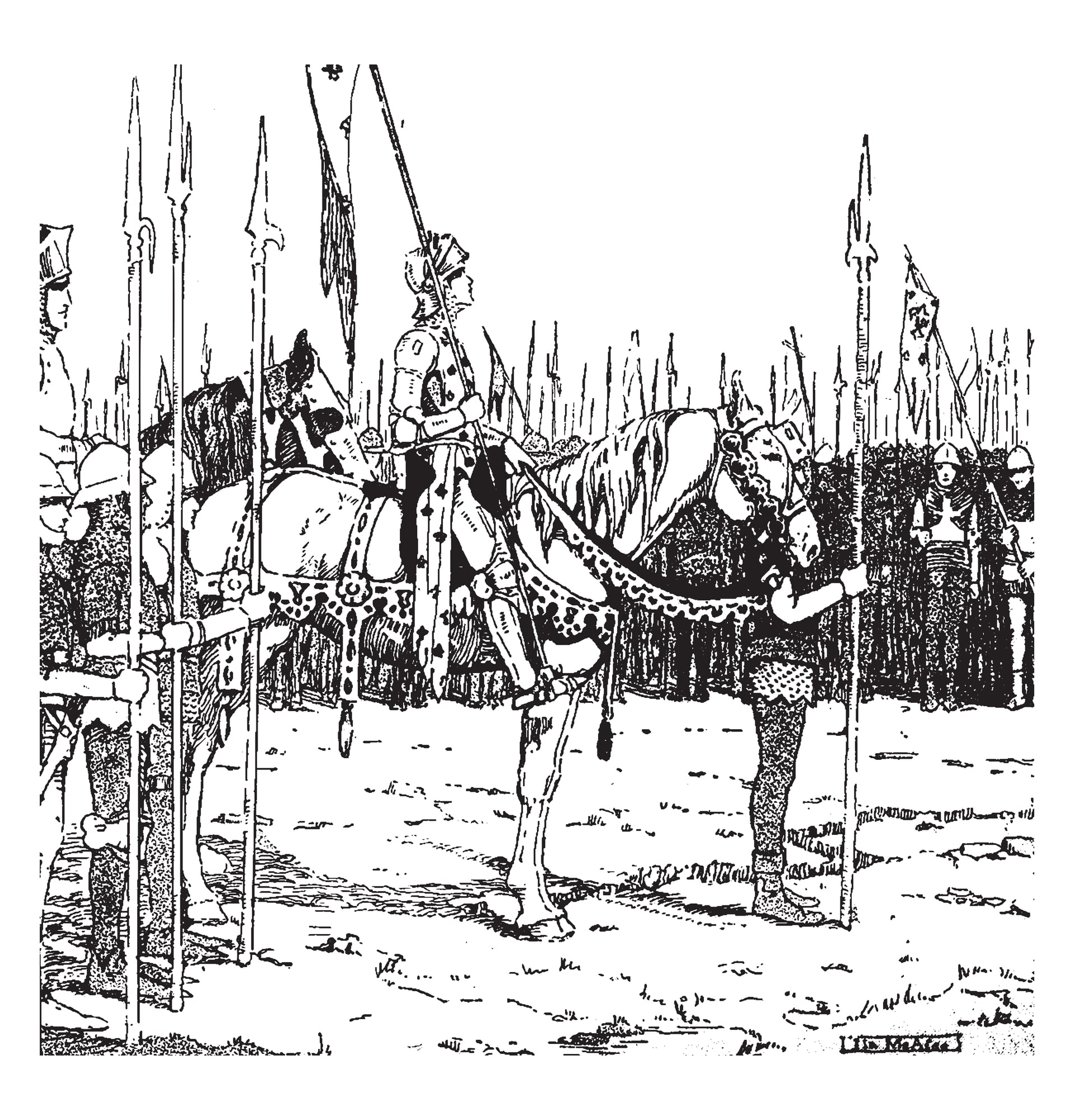
The records of Joan’s final meal are sparse, but accounts suggest she ate very little — some bread and possibly wine. The 19-year-old peasant who had convinced the French court she was divinely inspired spent her final day in prayer rather than eating.
Joan faced burning at the stake for heresy and witchcraft, charges she maintained were false until the end. Her lack of appetite makes sense; she was preparing to die for her beliefs, not indulging in earthly pleasures.
Food seemed irrelevant compared to the eternal questions she was about to have answered.
Giles Corey

Corey’s final “meal” wasn’t food at all — it was his refusal to speak. The 80-year-old farmer was being pressed to death (literally crushed with stones) during the Salem Witch Trials for refusing to enter a plea.
His only recorded words during the torture were “More weight.” He wouldn’t eat, wouldn’t drink, wouldn’t speak except to demand they add more stones.
Corey understood something his accusers didn’t: sometimes the only power left is the power to choose how you die. His final act wasn’t consuming food but consuming his torturers’ patience.
Mata Hari
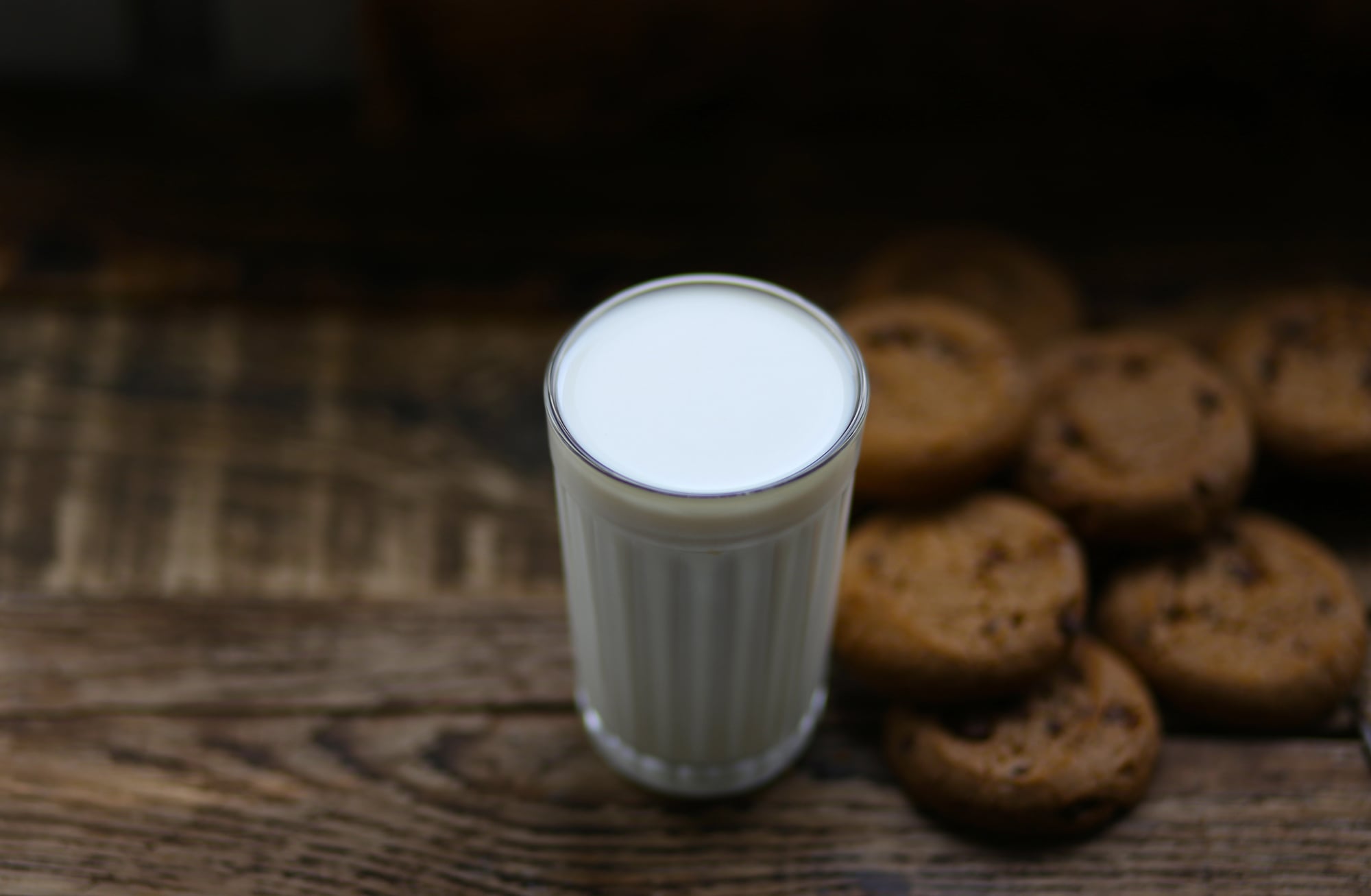
The exotic dancer turned accused spy requested milk and cookies for her final meal — a choice so innocent it bordered on heartbreaking. Margaretha Geertruida Zelle, who had reinvented herself as the mysterious Mata Hari, returned to something that might have reminded her of childhood.
She maintained her innocence until the end, insisting she was guilty of adultery but not espionage. The milk and cookies suggested a woman who, facing death, wanted to remember simpler times before the complications of adult life had led her to this French firing squad.
Gary Gilmore
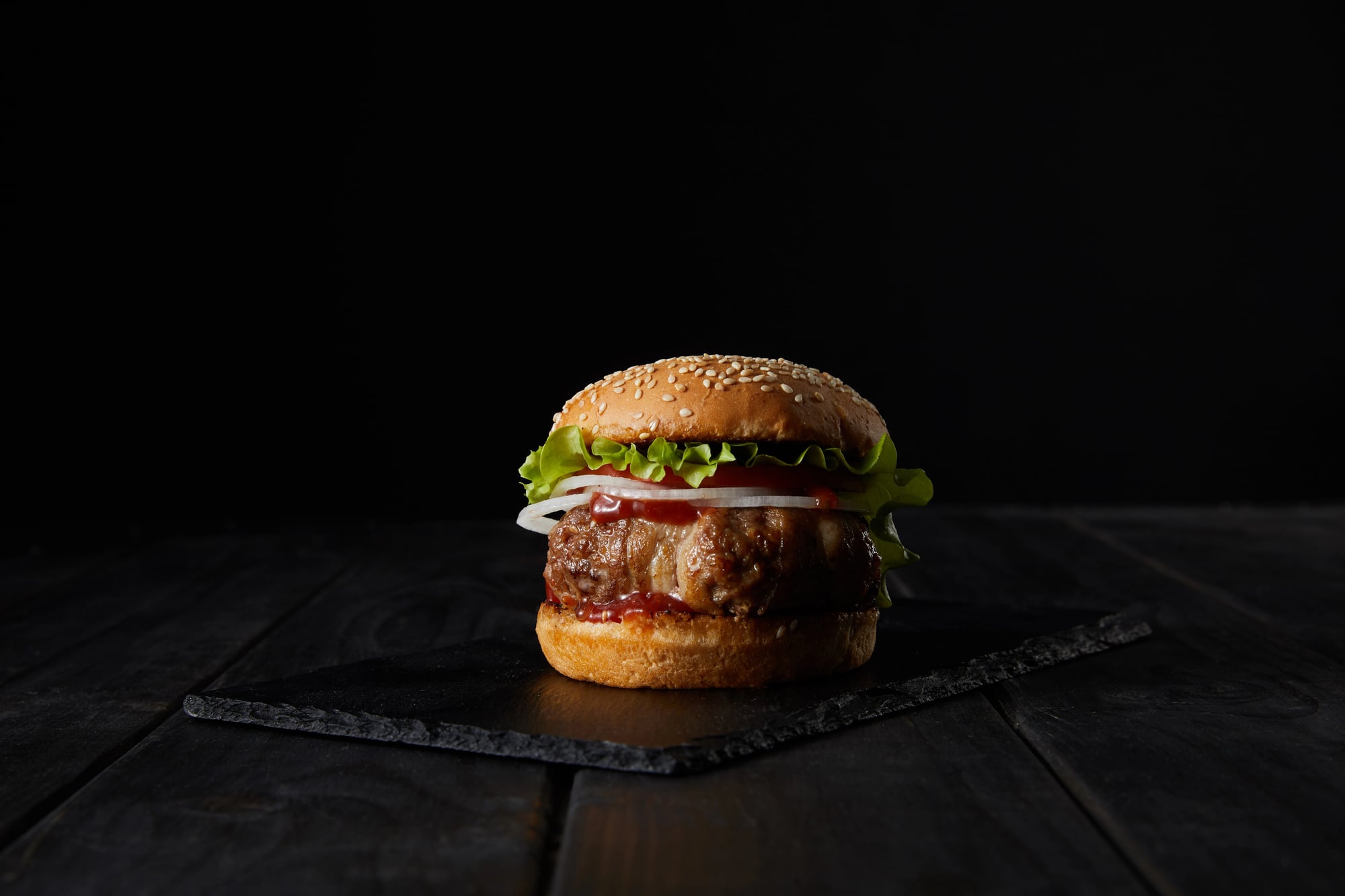
Gilmore was the first person executed in the United States after the death penalty was reinstated in 1976. His final meal was hamburger, hard-boiled eggs, a baked potato, and coffee — standard American fare for a man who had become the center of a national debate about capital punishment.
He had actually fought for the right to be executed, refusing appeals and demanding that Utah carry out his sentence. His ordinary final meal matched his desire to face death without drama or delay.
Gilmore wanted the whole thing over with, and his food choices reflected that practical impatience.
Ted Bundy
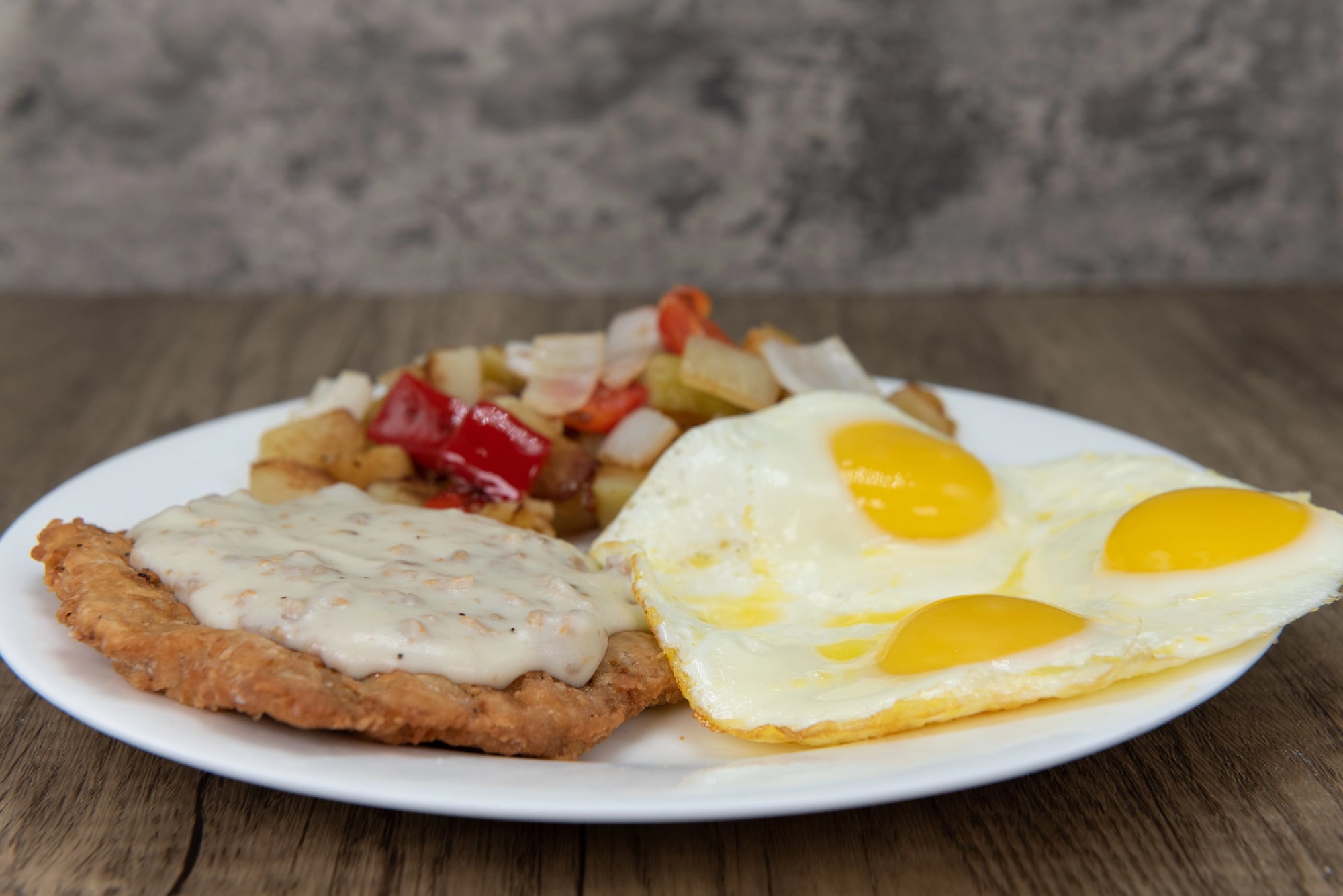
Bundy declined to request a special final meal, so he was given the standard last meal: steak, eggs, hash browns, toast, milk, coffee, juice, butter, and jam. He barely touched any of it.
The serial killer who had charmed his way into victims’ trust seemed to have lost his appetite entirely by his final day. Whether this was nerves, guilt, or simply the reality of what awaited him is impossible to know.
The man who had taken so much life showed little interest in sustaining his own.
John Wayne Gacy
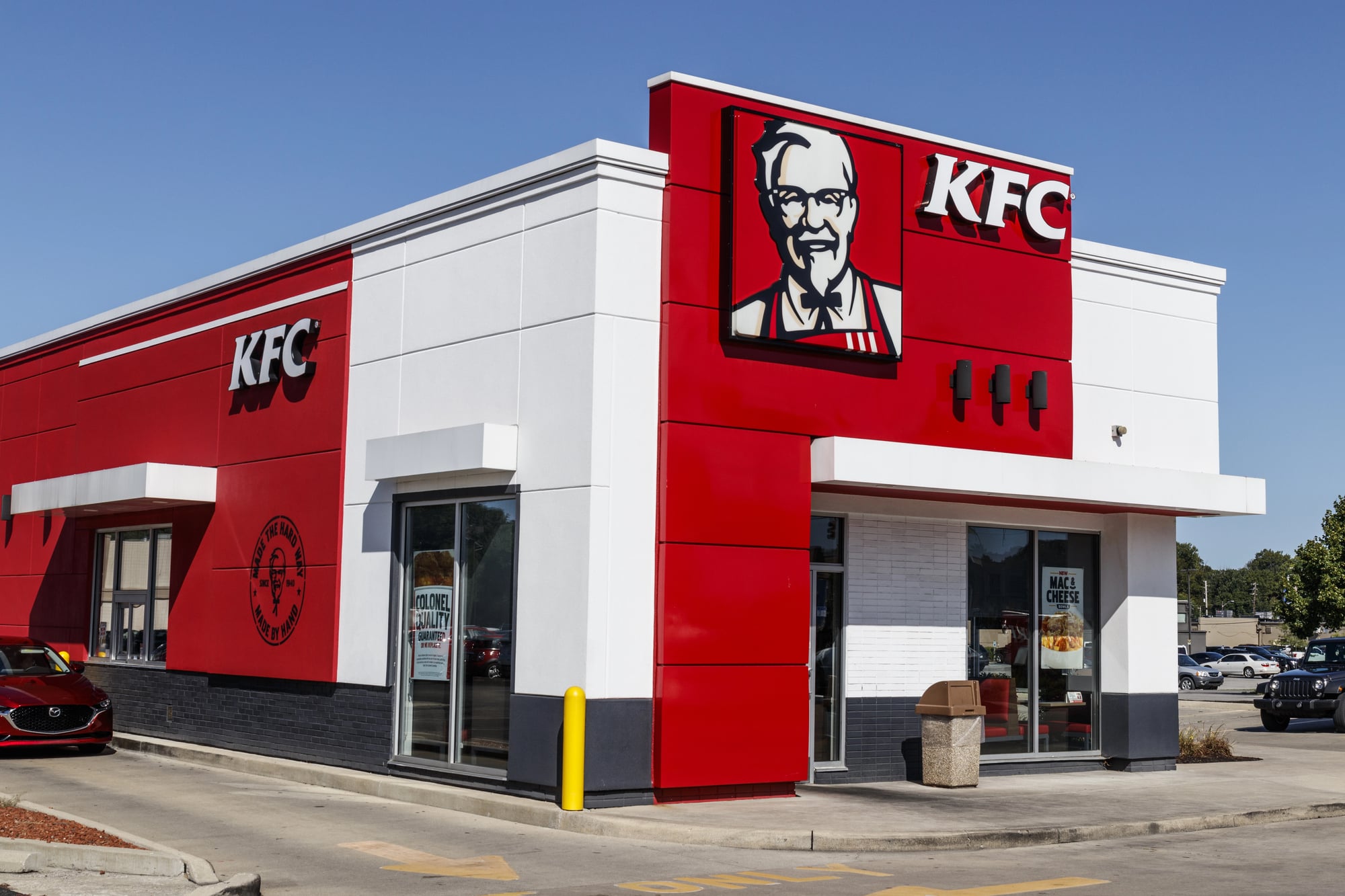
Gacy requested KFC fried chicken, fried shrimp, French fries, and strawberries — a meal that seemed almost aggressively normal for someone who had committed such abnormal crimes. The man known as the Killer Clown ordered food that millions of Americans might choose for a regular dinner.
The mundane quality of his final meal was perhaps the most disturbing thing about it. Here was someone who had murdered 33 people, and his final act of choice was ordering fast food.
The banality of evil, served with extra crispy.
Timothy McVeigh
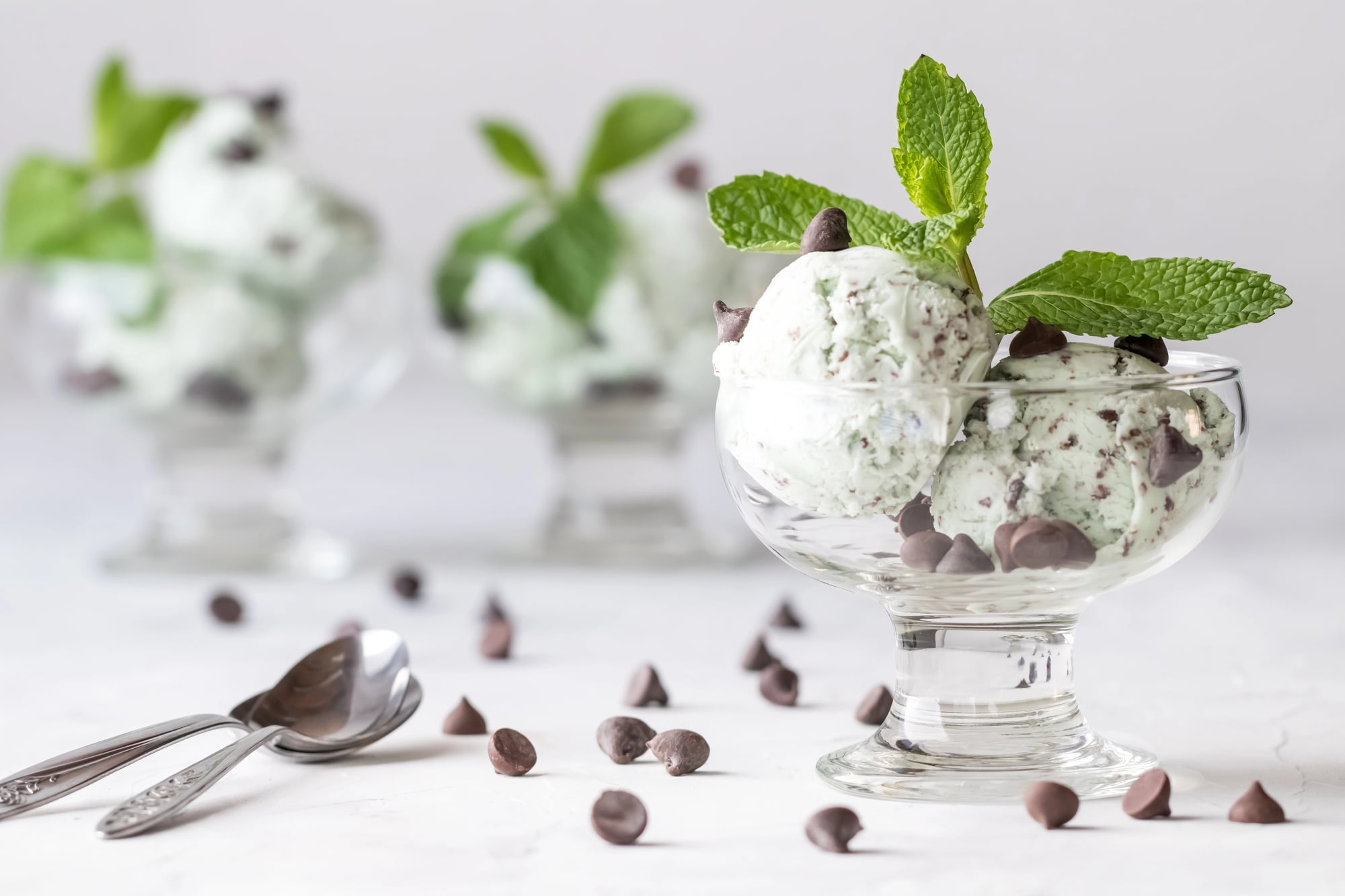
McVeigh requested two pints of mint chocolate chip ice cream for his final meal. That’s it — just ice cream.
The Oklahoma City bomber, responsible for 168 deaths, chose something that belonged at a child’s birthday party. He ate both pints slowly, deliberately, showing no apparent emotion.
McVeigh had always been methodical, from his military service through his domestic terrorism. Even his final meal was consumed with the same calculated precision that had characterized his bombing of the Alfred P. Murrah Federal Building.
Looking Back At The Last Bite
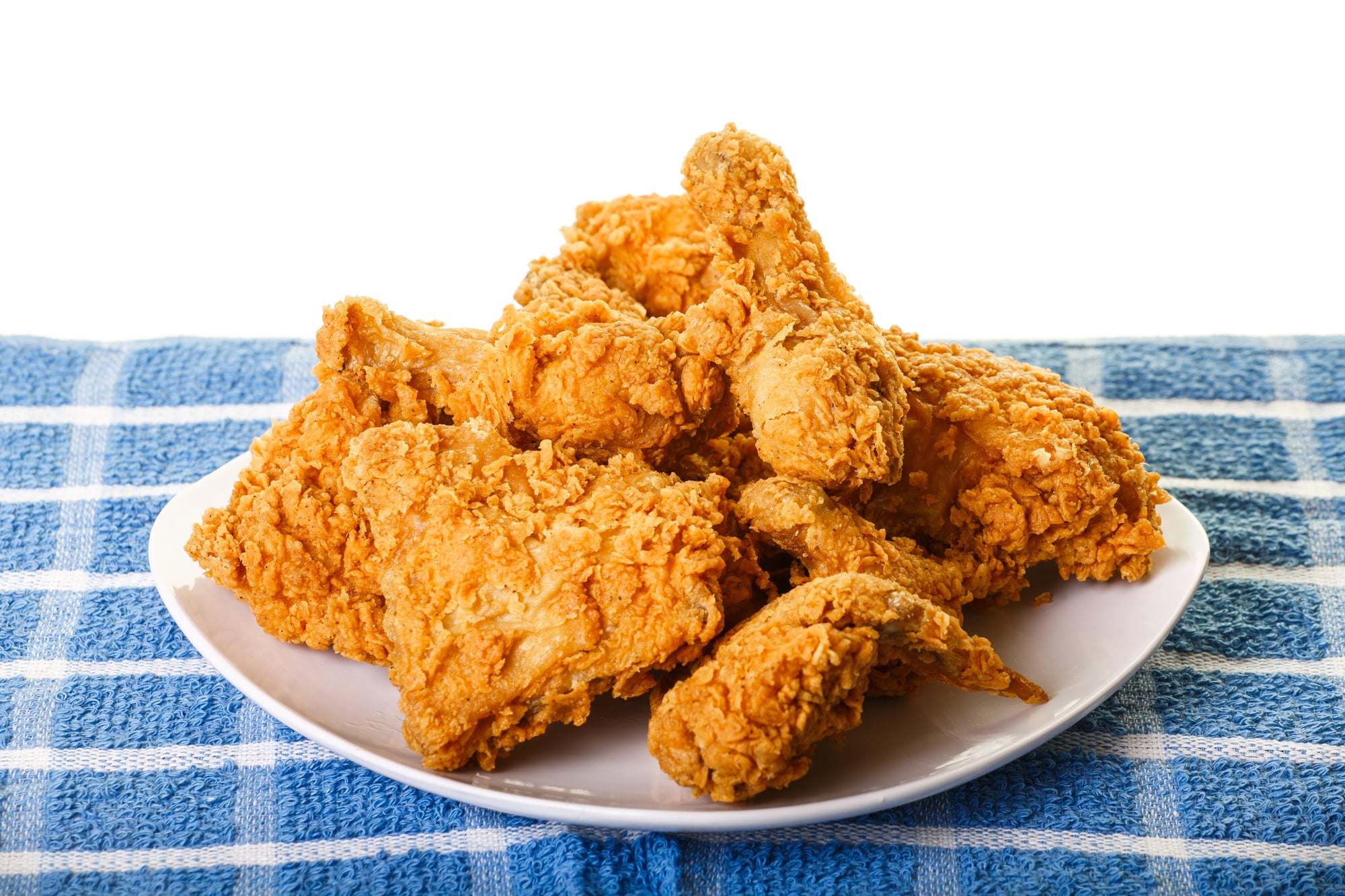
These final meals tell stories their eaters probably never intended to share. Some revealed a return to faith, others a retreat to childhood comfort.
A few showed defiance, while others displayed acceptance. But all of them proved that even in humanity’s darkest moments, choice matters.
The condemned faced their final decision about something as basic as food, and somehow that choice became a window into their souls. Whether they selected elaborate feasts or simple bread, their final meals became their final statements — not about guilt or innocence, but about who they were when everything else was stripped away.
More from Go2Tutors!

- The Romanov Crown Jewels and Their Tragic Fate
- 13 Historical Mysteries That Science Still Can’t Solve
- Famous Hoaxes That Fooled the World for Years
- 15 Child Stars with Tragic Adult Lives
- 16 Famous Jewelry Pieces in History
Like Go2Tutors’s content? Follow us on MSN.