Monuments Built to Honor Animals
Animals have shaped human history in ways most people never think about. They’ve carried us across continents, defended our homes, saved lives during wars, and kept us fed through countless generations.
Yet we rarely stop to acknowledge their sacrifices. That’s what makes animal monuments so moving.
These structures stand as permanent reminders that humans haven’t forgotten what animals have done for us.
The War Horse Memorial in England
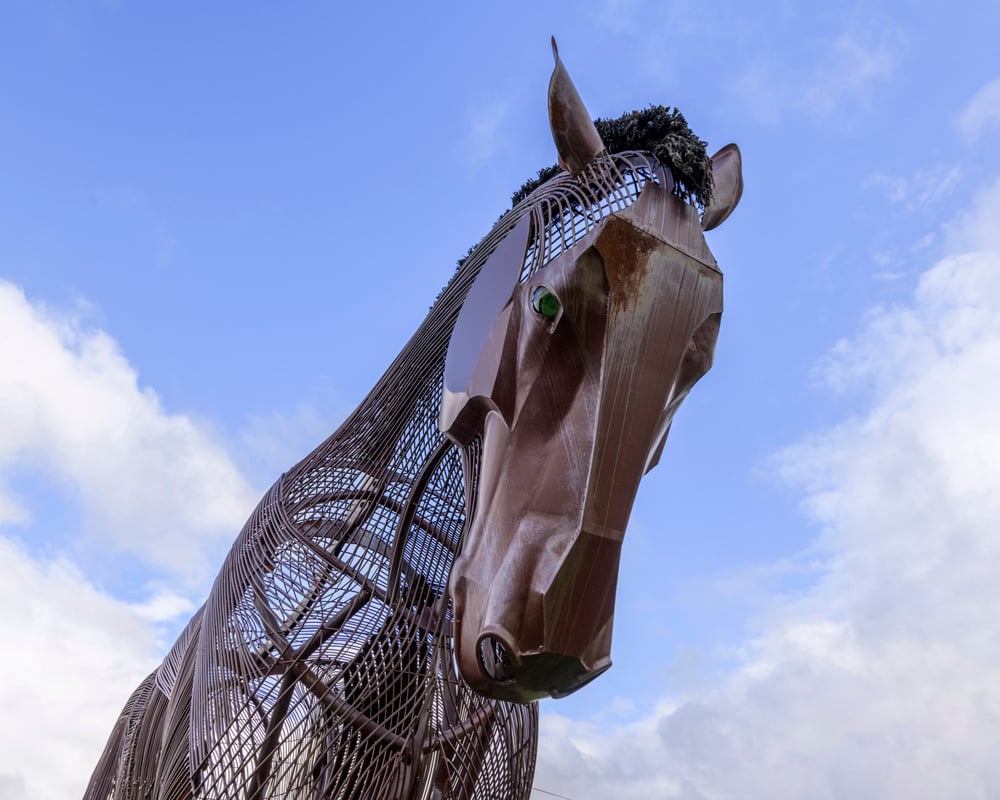
Ascot, England hosts a towering bronze horse that captures the spirit of millions of horses who served in World War I. The memorial shows a horse in full military gear, its head held high despite the weight it carries.
Over eight million horses died during that war. Most perished from exhaustion, starvation, or artillery fire.
This statue makes sure those animals aren’t reduced to a footnote in history books.
Hachiko’s Bronze Likeness in Tokyo
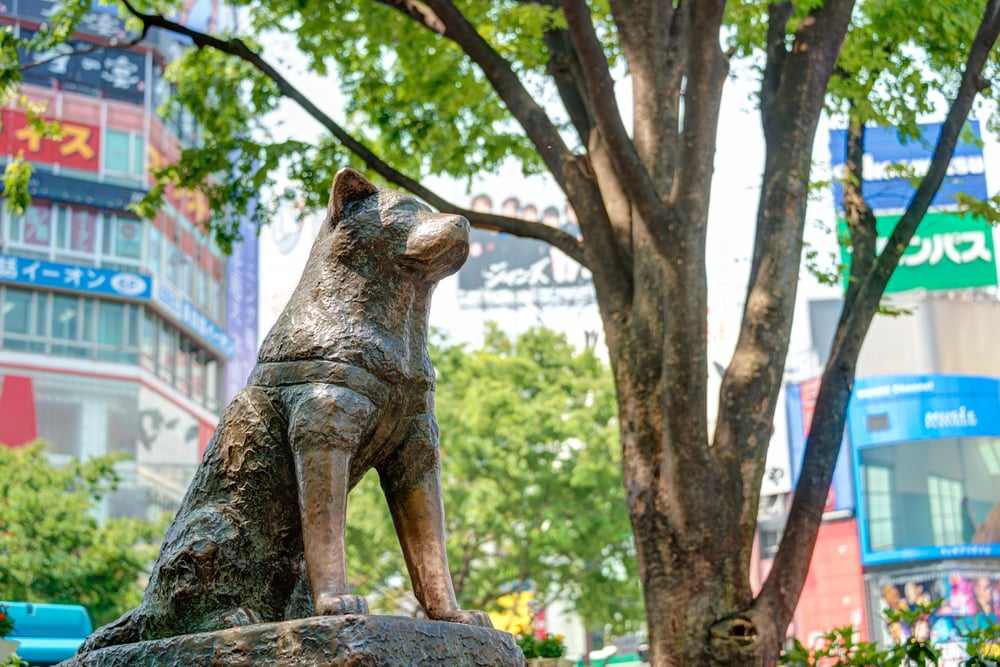
Everyone who visits Shibuya Station sees Hachiko’s statue. The Akita dog waited at that exact spot every day for nine years, hoping his deceased owner would return from work.
The bronze figure sits in a patient pose, forever watching for someone who will never come. Locals and tourists both pause there, some placing flowers at the base.
The story transcends language and culture because loyalty needs no translation.
The Animals in War Memorial in London
Hyde Park Corner features a large wall embedded with bronze mules, horses, and dogs. The inscription simply reads: “They had no choice.”
That phrase hits harder than any flowery language could. Millions of animals served in British wars, carrying supplies through mud, detecting mines, and delivering messages under fire.
The memorial doesn’t glorify war. It acknowledges suffering.
Two bronze mules stand in front of the wall, loaded with equipment, their heads lowered. You can almost feel their exhaustion.
Behind them, a horse and dog push through a gap in the wall, representing all the animals who never made it home.
Balto in Central Park
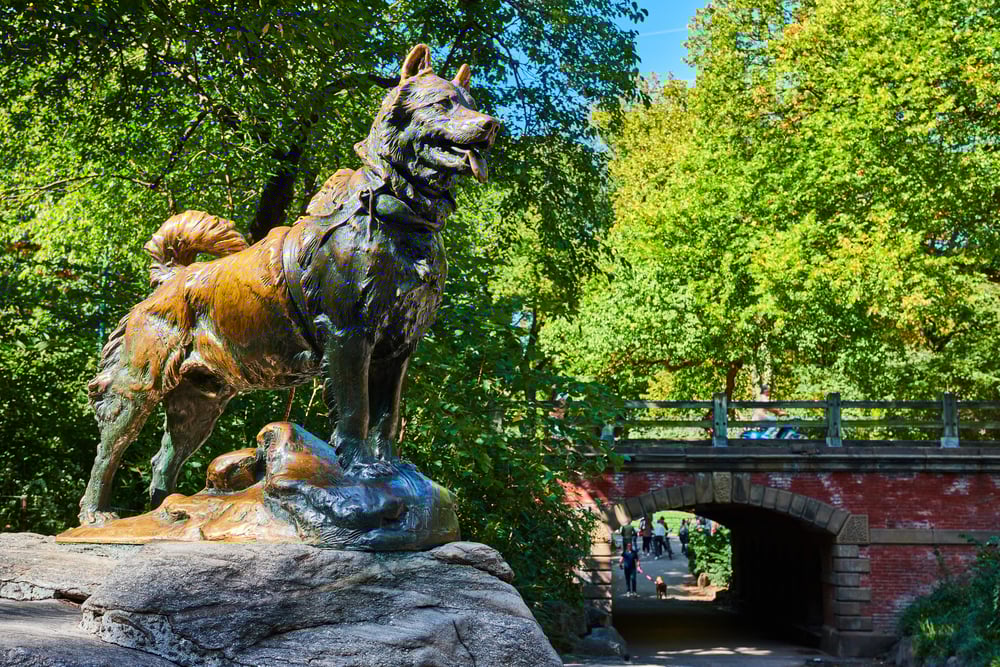
New York City honors a sled dog who delivered medicine during a diphtheria outbreak in Nome, Alaska. In 1925, Balto led his team through a blizzard to bring serum that saved the town’s children.
The bronze statue shows him mid-stride, muscular and determined. Children climb on it constantly.
Their parents explain the story while waiting for photos. That’s exactly what a memorial should do—keep history alive through new generations.
Wojtek the Bear in Edinburgh

Scotland erected a statue for a Syrian brown bear who served with Polish soldiers during World War II. Wojtek carried artillery shells, wrestled with soldiers for fun, and boosted morale during brutal campaigns.
The bronze figure shows him carrying a shell, standing upright like he actually did. His story sounds too strange to be true, but the memorial confirms it.
Sometimes reality outdoes fiction.
The Pigeons of War in Brussels

Belgium’s monument features a dying soldier cradling a carrier pigeon. The bird delivered his final message despite being wounded.
Over 100,000 pigeons served in World War I, flying through poison gas and gunfire to carry messages when radio communication failed. This statue captures that desperate reliance on animals when human technology wasn’t enough.
The Police Dog Memorial in South Africa
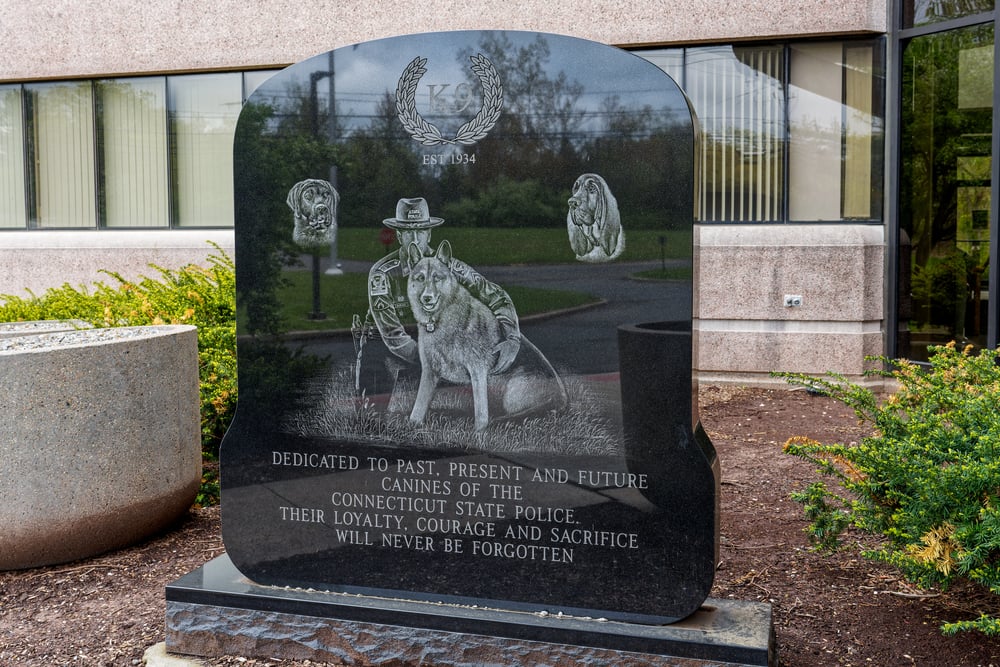
Pretoria displays bronze German Shepherds in various working poses—sniffing for explosives, protecting their handlers, tracking suspects. These dogs save human lives daily, yet most people only notice them when something goes wrong.
The memorial recognizes their constant vigilance. Police dogs don’t choose their profession.
Their handlers train them, and they serve regardless of danger.
Greyfriars Bobby in Edinburgh

Another Scottish memorial honors a Skye Terrier who guarded his owner’s grave for 14 years. The small bronze dog sits patiently near Greyfriars Kirkyard.
His nose shines from decades of visitors rubbing it for luck. The statue stands only a few feet tall, but the story represents towers over size.
Bobby’s devotion became legendary during his own lifetime. The memorial ensures that legend continues.
The Donkey of Gallipoli in Australia

Adelaide erected a statue showing a donkey carrying a wounded soldier, commemorating the animals used to evacuate injured troops during the Gallipoli Campaign. Donkeys made hundreds of trips down shell-torn paths, their handlers guiding them through constant bombardment.
The sculpture captures motion—the donkey mid-step, the soldier slumped but alive. You can see the determination in every bronze muscle.
Smoky the Tiny War Dog in Cleveland

Ohio honors a four-pound Yorkshire Terrier who served in World War II. Smoky ran communication wires through narrow culverts, warned of incoming artillery, and performed in hospitals to cheer wounded soldiers.
The small statue sits on a helmet, the dog’s size making its accomplishments even more remarkable. Sometimes the smallest creatures show the biggest courage.
The Elephant Sanctuary Memorial in Tennessee

Unlike most animal monuments that honor service in war or work, this memorial celebrates retirement and sanctuary. Bronze elephants of various sizes represent the elephants who found peace after years in circuses and zoos.
The sculptures show them in natural poses—playing, bathing, resting. This memorial acknowledges a different debt: the one humans owe animals for entertainment.
The Sled Dogs of Antarctica

Multiple monuments exist for sled dogs who aided polar exploration. These dogs hauled supplies across impossible terrain, slept in temperatures that would kill most animals, and never complained about conditions that broke human spirits.
The memorials show teams in harness, pulling forward against invisible resistance. Their eyes look alert, ready for the next command that will never come.
The Mule Train Memorial in California
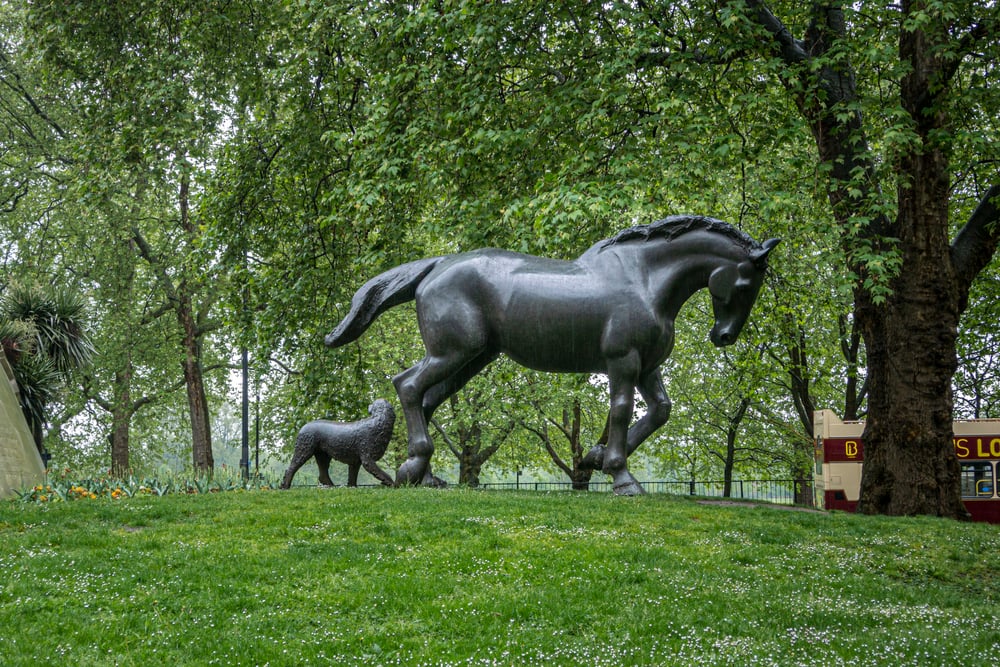
Bishop, California honors pack mules that carried supplies through the Sierra Nevada mountains. Before modern roads, mules were the only way to transport goods through those peaks.
The bronze sculpture shows a mule train navigating rocky terrain, each animal sure-footed despite the load. People who hike those trails today can barely manage it with lightweight gear and proper boots.
The mules did it carrying hundreds of pounds.
The Ravens of the Tower of London

The Tower doesn’t have a regular statue, yet it houses real ravens – kept alive to honor old customs. Folks say the country crumbles should the birds fly off.
Even if you doubt such tales, these creatures still get guarded like royalty. Instead of monuments made of metal or rock, something breathing can stand just as tall.
These animals? They tie nature straight into what it means to belong.
What Bronze and Stone Remember

These landmarks have more in common than just how they look. When you see them, you pause – realizing achievements might vanish if not honored.
Creatures never pen stories about the past. No public talks come from them, nor do they ask for attention.
These figures speak without words. One by one, they show how people – when truly kind – honor animals who gave everything but demanded nothing.
More from Go2Tutors!

- The Romanov Crown Jewels and Their Tragic Fate
- 13 Historical Mysteries That Science Still Can’t Solve
- Famous Hoaxes That Fooled the World for Years
- 15 Child Stars with Tragic Adult Lives
- 16 Famous Jewelry Pieces in History
Like Go2Tutors’s content? Follow us on MSN.