Most Expensive Hobbies People Maintain
Some people collect stamps. Others spend their weekends building model trains.
But for a select group of enthusiasts, hobbies aren’t just pastimes—they’re serious financial commitments that can rival mortgage payments. These passionate individuals pour thousands, sometimes millions, of dollars into pursuits that bring them joy, status, or simply a reason to wake up excited each morning.
Let’s explore the hobbies that demand the deepest pockets and the strongest dedication.
Collecting vintage cars
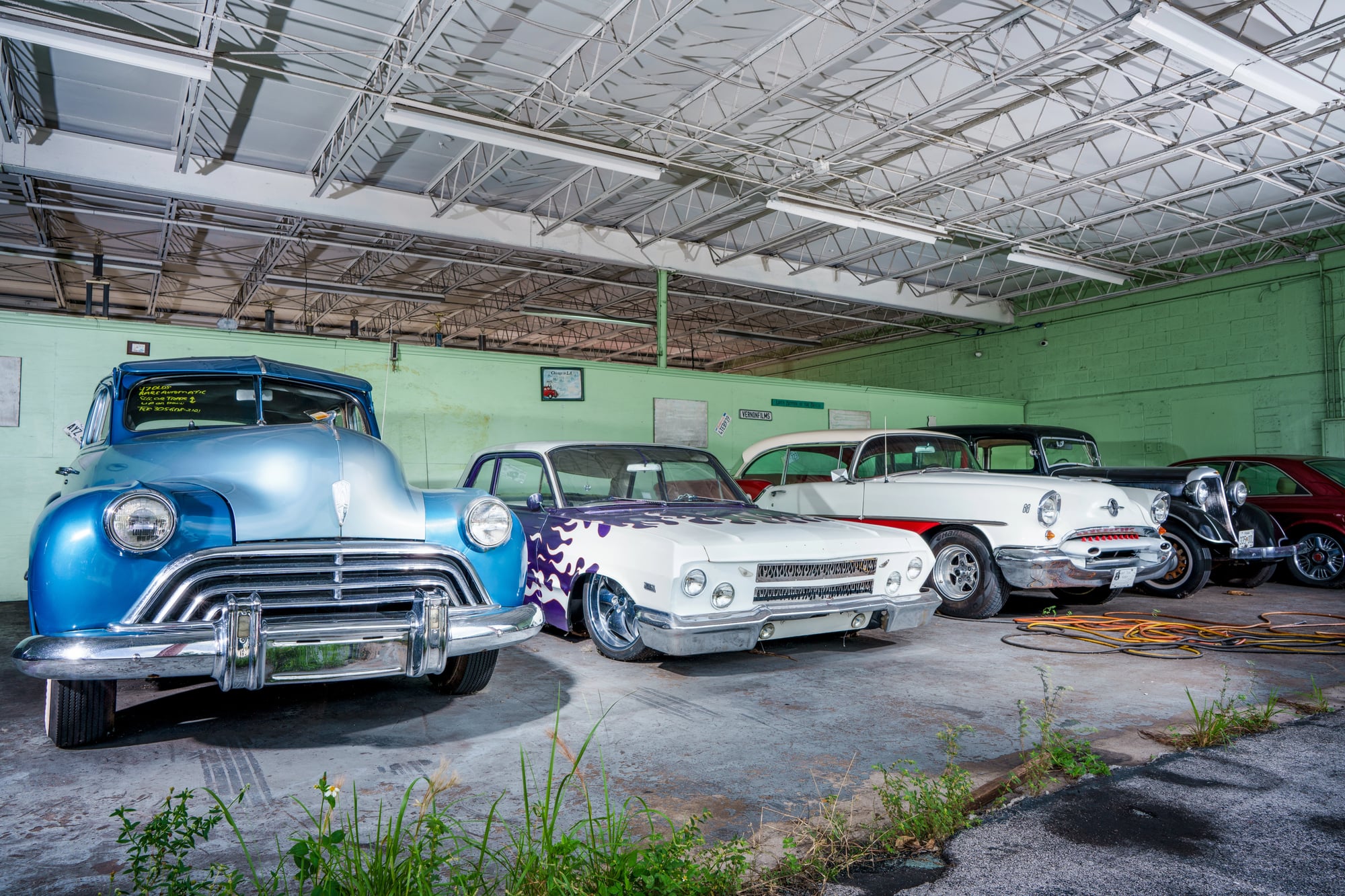
Owning classic automobiles goes far beyond the initial purchase price. A single rare Ferrari or Porsche can cost anywhere from hundreds of thousands to tens of millions of dollars at auction.
But the real drain comes from storage, insurance, maintenance, and restoration work that requires specialized mechanics who charge premium rates. Parts for vintage vehicles are increasingly scarce, which drives prices through the roof.
Many collectors find themselves spending more on upkeep each year than they originally planned for the purchase itself.
Yacht ownership and sailing

The saying goes that the two happiest days of boat ownership are the day you buy it and the day you sell it. Yachts represent one of the most consistently expensive hobbies because the costs never stop.
Marina fees, crew salaries, fuel, maintenance, and insurance create an endless stream of bills. A mid-sized yacht can easily cost several hundred thousand dollars annually just to keep afloat.
The larger the vessel, the more dramatic these expenses become, with some superyacht owners spending millions each year before they even leave the dock.
Horse racing and breeding
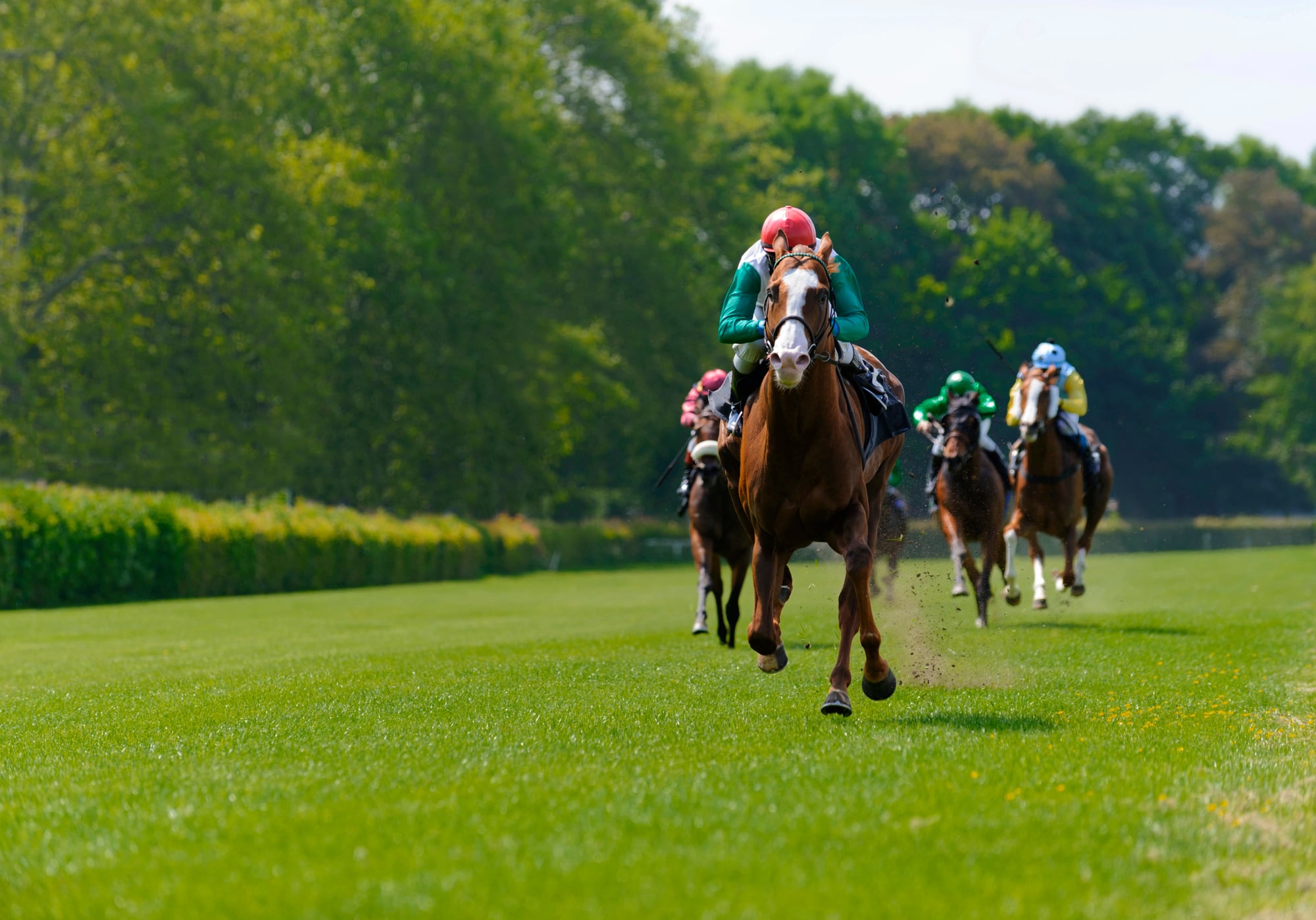
Getting into thoroughbred racing requires either serious wealth or a tolerance for financial risk. Purchasing a promising racehorse can cost anywhere from tens of thousands to millions of dollars.
Then come training fees, veterinary care, stable costs, jockey fees, and transportation expenses. Many owners never recoup their investment through race winnings.
Breeding adds another layer of complexity and cost, with stud fees for champion bloodlines reaching astronomical figures. Despite the financial reality, the thrill of watching your horse cross the finish line first keeps people hooked.
Flying private planes
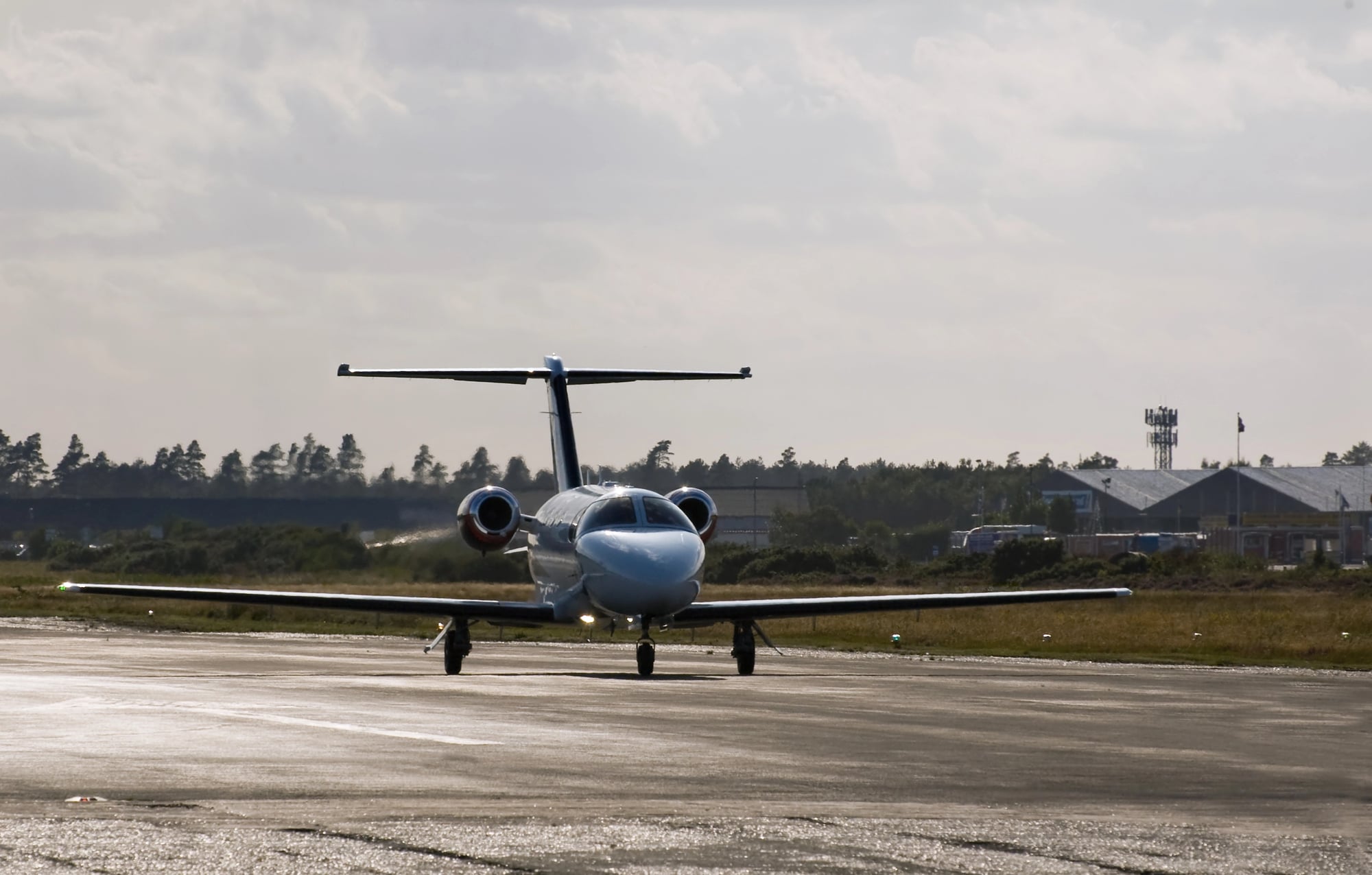
Pilots who own their aircraft face a unique set of financial challenges. The purchase price is just the beginning, whether it’s a small single-engine plane or a larger jet.
Hangar rental, fuel costs, regular maintenance checks, and insurance premiums add up fast. Aviation regulations require frequent inspections and certifications that aren’t negotiable.
Many recreational pilots spend between fifty thousand and several hundred thousand dollars yearly, depending on how often they fly and what type of aircraft they own.
Collecting fine art
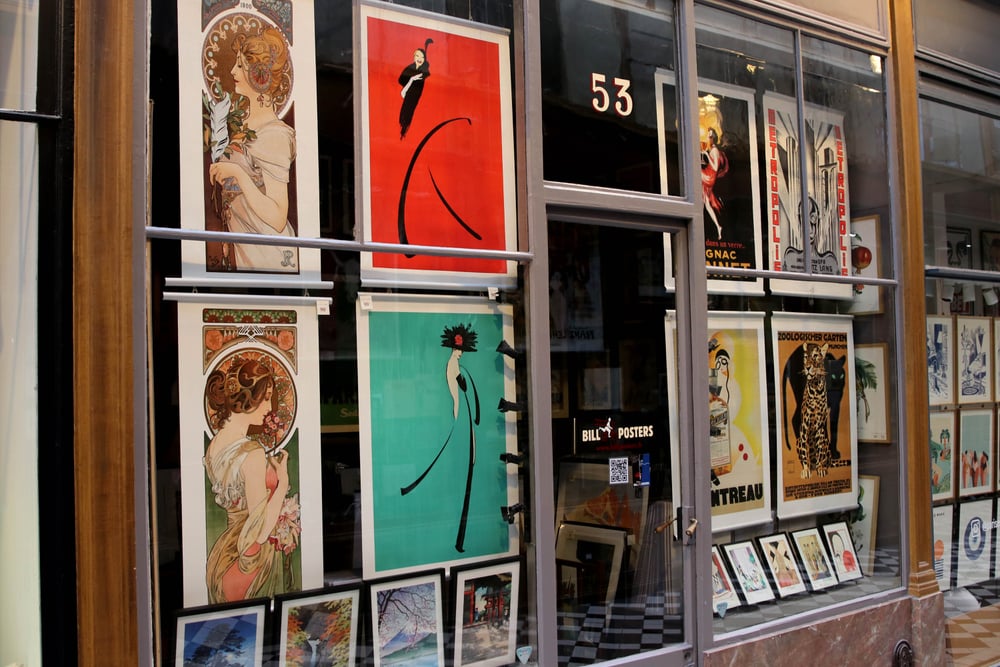
One artwork might cost what others make in their whole working life. Owning such pieces means paying for secure storage that keeps temperature steady.
Theft and harm must be covered through special insurance plans. Experts verify each piece to confirm it is genuine.
What something is worth often shifts without warning. Trends shift, artists gain or lose attention, money climates change.
A few see buying art as putting money to work. Others just enjoy having striking or challenging works nearby.
Price tags matter less when passion drives the choice.
Polo playing

Horses change often during play, so riders must own quite a few just to compete. One after another, they gallop through drills shaped by experience and steady hands.
Fees pile up – not only gear but coaching eats into budgets regularly. Matches happen far from home, pulling athletes across regions where stays and transport stack high.
What looks like a game on grass turns out to be effort spread wide – time, cash, motion all pulled tight.
Exotic animal collecting
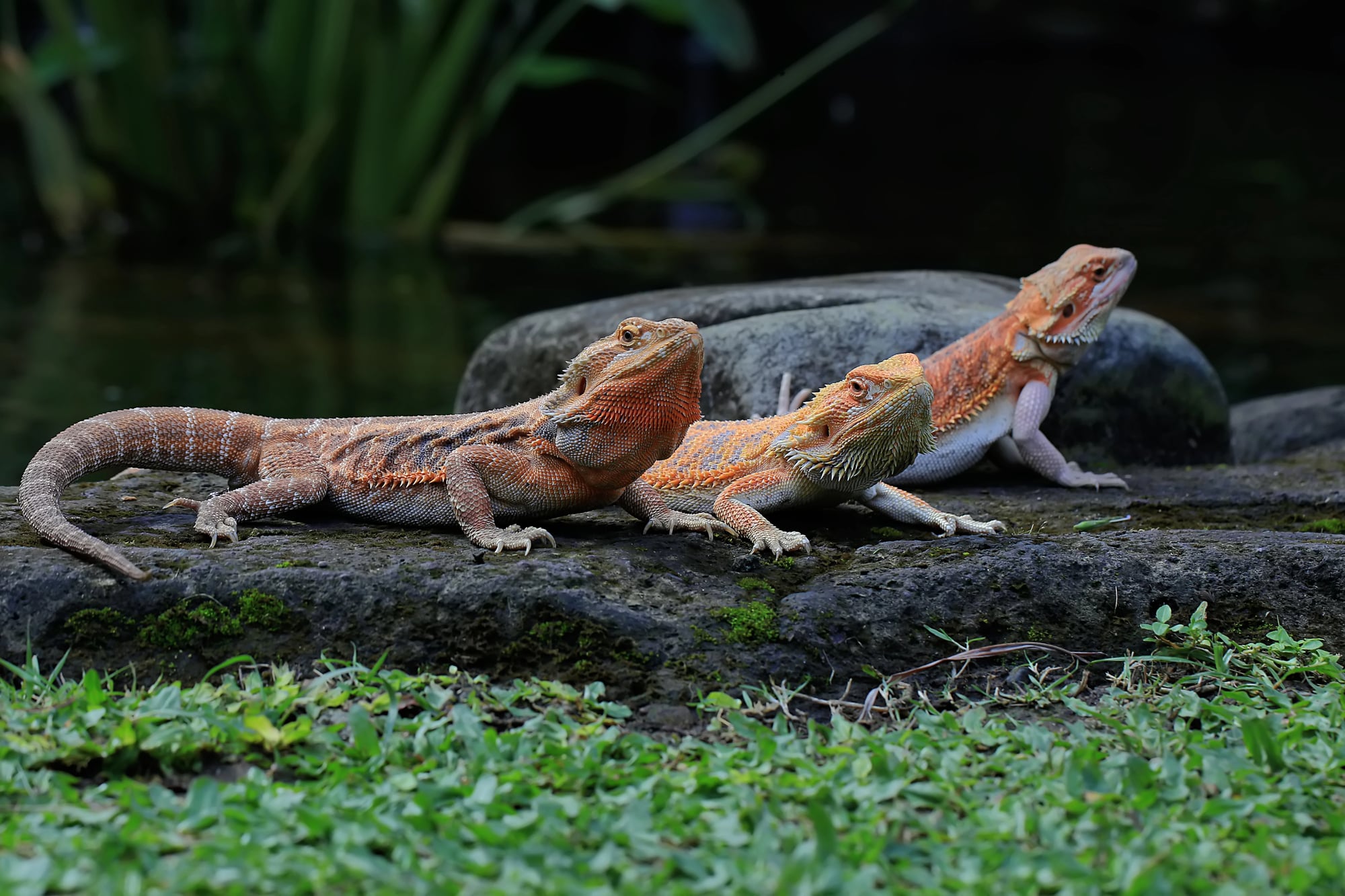
A few people keep rare reptiles, big cats, or odd birds just for themselves. Getting one of these animals usually doesn’t cost much compared to what comes next.
Housing them right means spending heavily on heat, lights, and safety setups. Medical help from vets who actually know exotics?
That part adds up fast. Figuring out what to feed certain animals gets tricky – costs pile up fast when dealing with meat eaters.
On top of that, paperwork like licenses and coverage brings extra expenses into play.
Competitive golf at elite courses
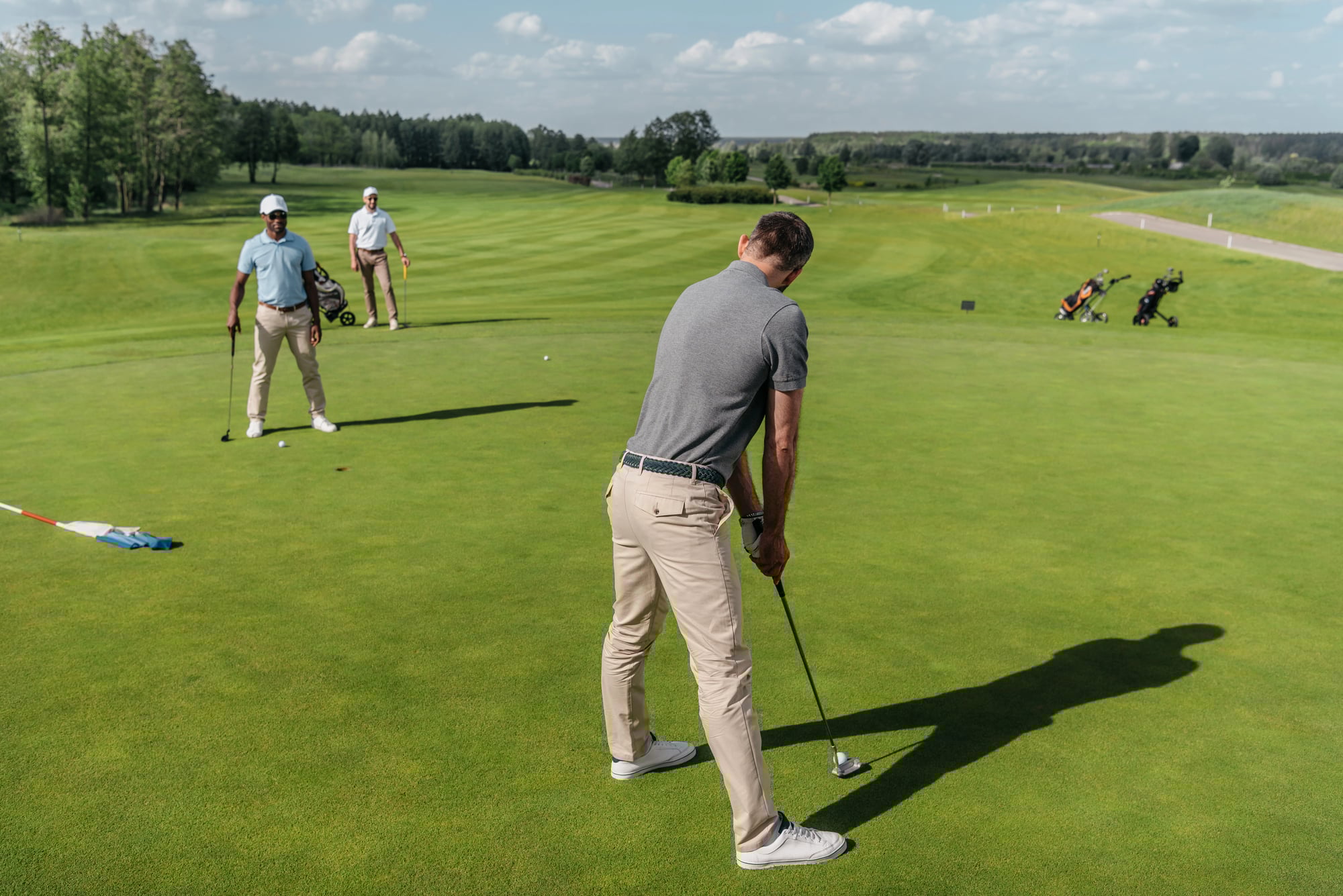
While casual golf can be reasonably affordable, playing at prestigious private clubs is a different story. Initiation fees at top clubs can reach six figures, with annual dues adding tens of thousands more.
Equipment obsession is common among serious golfers, with custom-fitted clubs, premium tools, and the latest technology costing substantial amounts. Travel to play famous courses worldwide, entry fees for amateur tournaments, and lessons with top instructors all contribute to making this a wallet-draining hobby.
Watch collecting
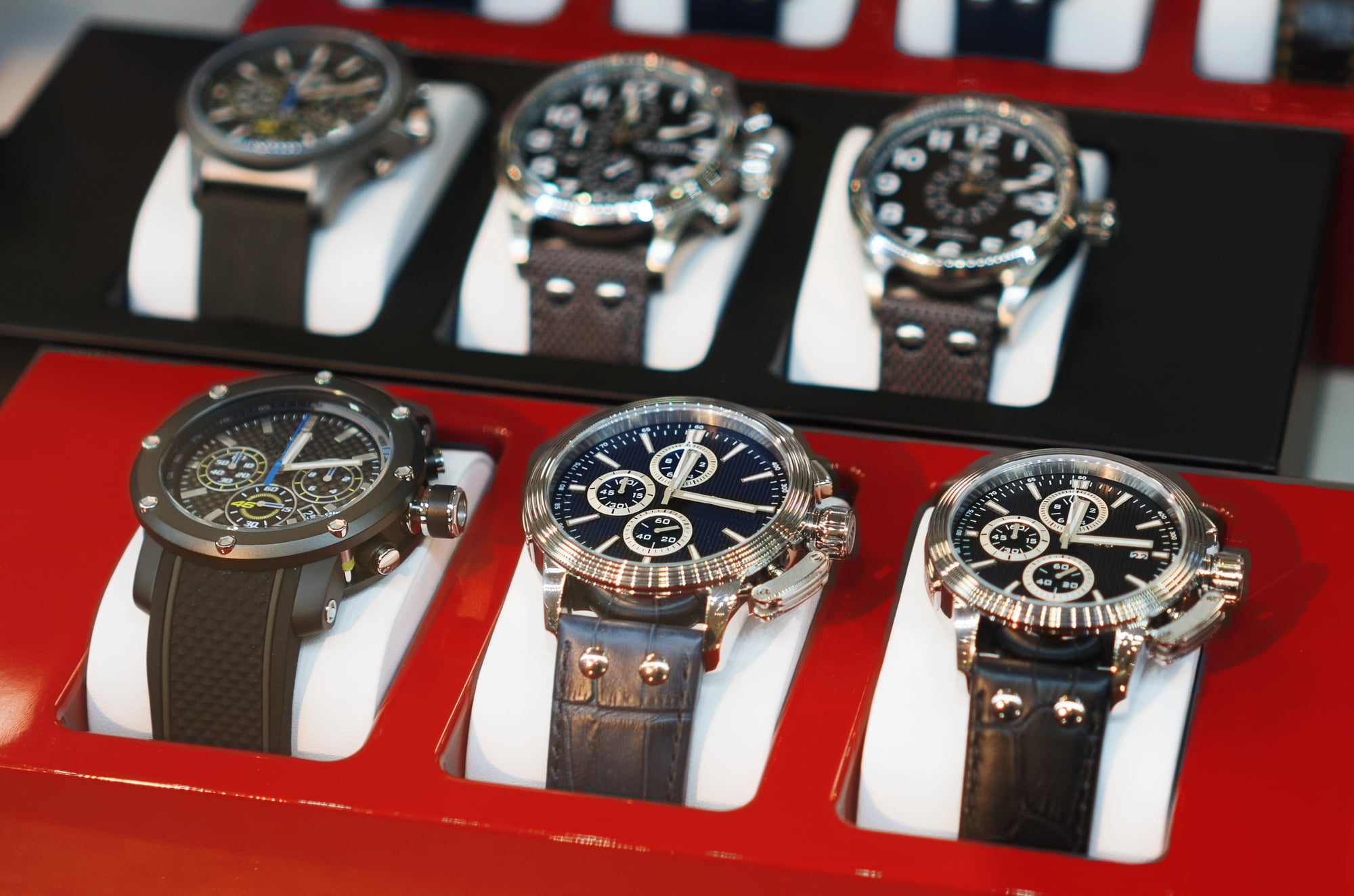
Timepiece enthusiasts chase rare and complicated watches from brands like Patek Philippe, Rolex, and Audemars Piguet. A single high-end watch can cost more than a house, with some pieces selling for millions at auction.
Collectors often own dozens of watches, each requiring regular servicing to maintain accuracy and value. The watch market has boomed in recent years, pushing prices higher and making entry into serious collecting increasingly difficult.
Many collectors also invest in watch winders, safes, and insurance to protect their investments.
Wine collecting and cellaring

Money and time go hand in hand when putting together a real wine set. Bottles from famous areas, old ones especially, might run into many thousands.
Keeping them right means having a cellar that holds steady temp and moisture levels. Some folks get into private groups, sample pours at events, and also visit grape fields across countries.
Wine tastes better when shared, yet keeping a stash alive demands fresh buys after each pour. Not everyone sips their top picks – some lock away prized vintages like vaulted assets.
Competitive shooting sports
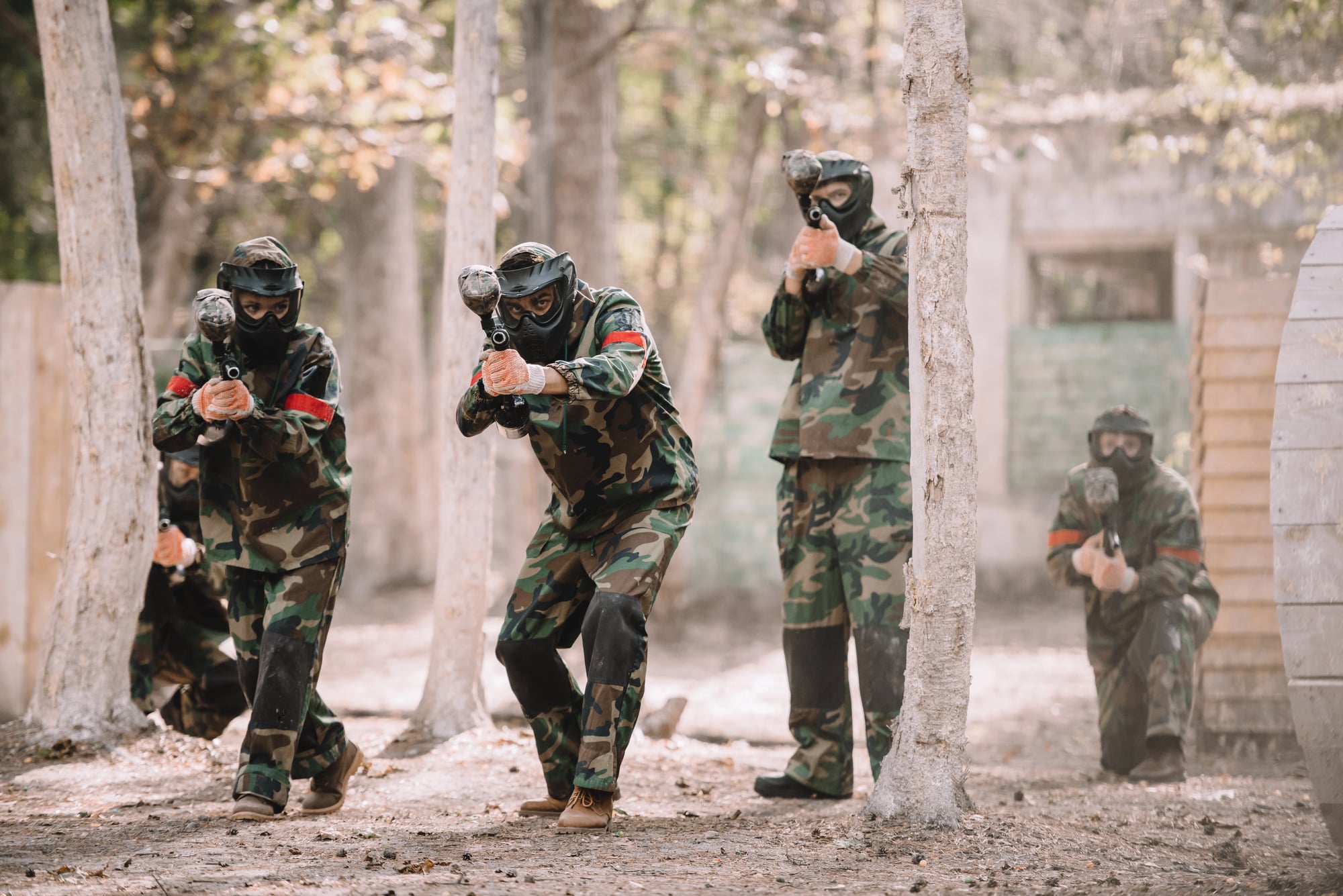
A single match-grade rifle might set you back more than a used car, yet top shooters often have five or six. Practice means firing hundreds of rounds every week, which eats through cash faster than expected.
Instead of buying new loads each time, some build their own using reloading gear – though the tools alone demand big spending upfront. Entry fees stack up when events are far away, requiring hotel rooms, fuel, meals on the road.
Even minor tweaks to a trigger or scope mount pull money out of pocket. What looks like just shooting is actually years of slow accumulation: parts, training days, worn-out barrels replaced.
Luxury travel and adventure tourism
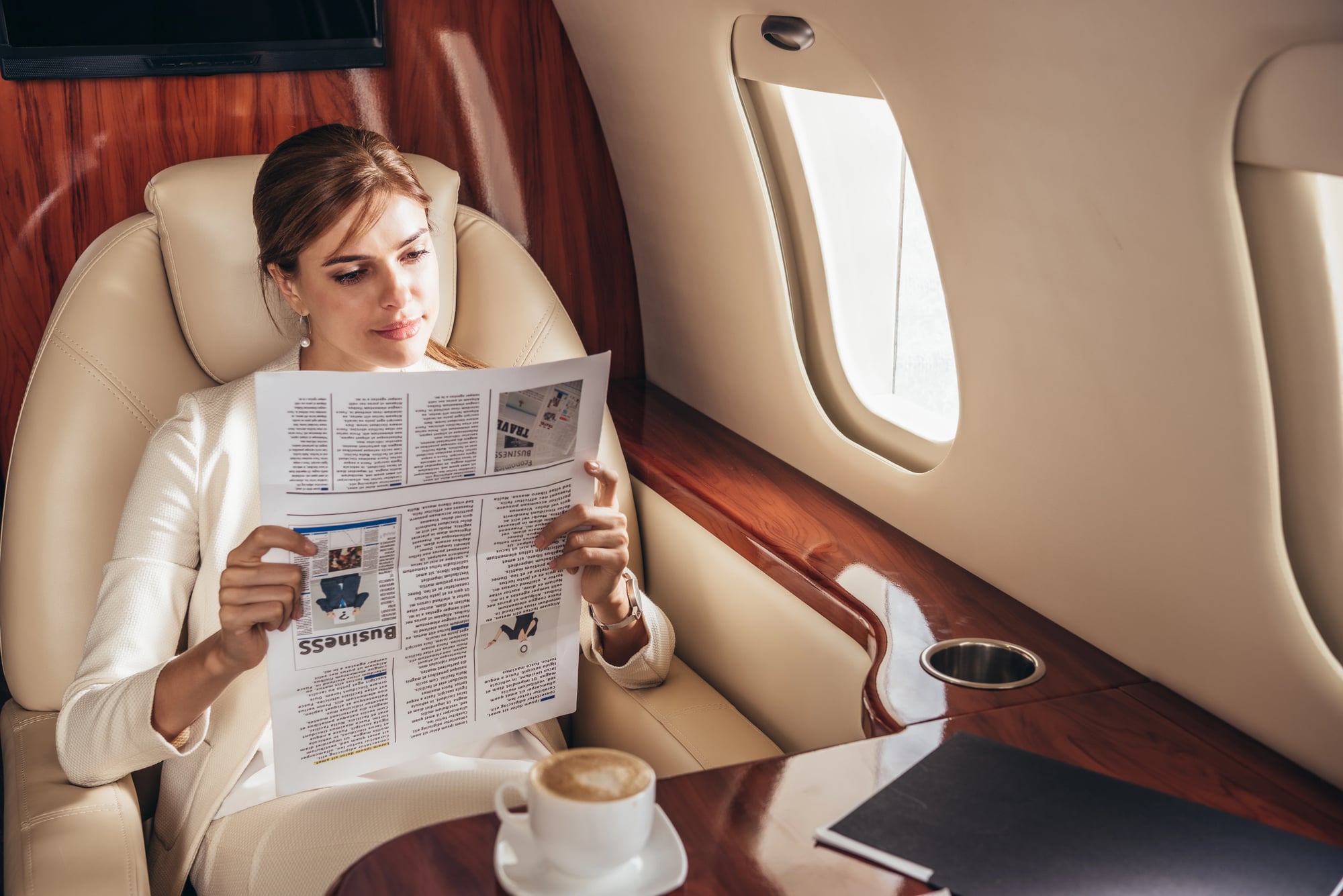
Not everyone travels just to relax. Take climbing Everest – that journey often needs more than a hundred thousand dollars once everything is counted, like guides, permission fees, tools, and flights.
Going deep into Antarctica, tracking wildlife across Africa, or reaching far-off islands? Those usually cost about the same.
Then there’s the clothing and gadgets built for freezing winds, scorching sun, or rough terrain – another layer of spending. Frequent journeys mark the routine of these globetrotters, each outing stacking up into a demanding yearly rhythm.
What they gather along the way – moments, insights, shifts in perspective – matters deeply, regardless of mounting expenses.
Vintage watch restoration
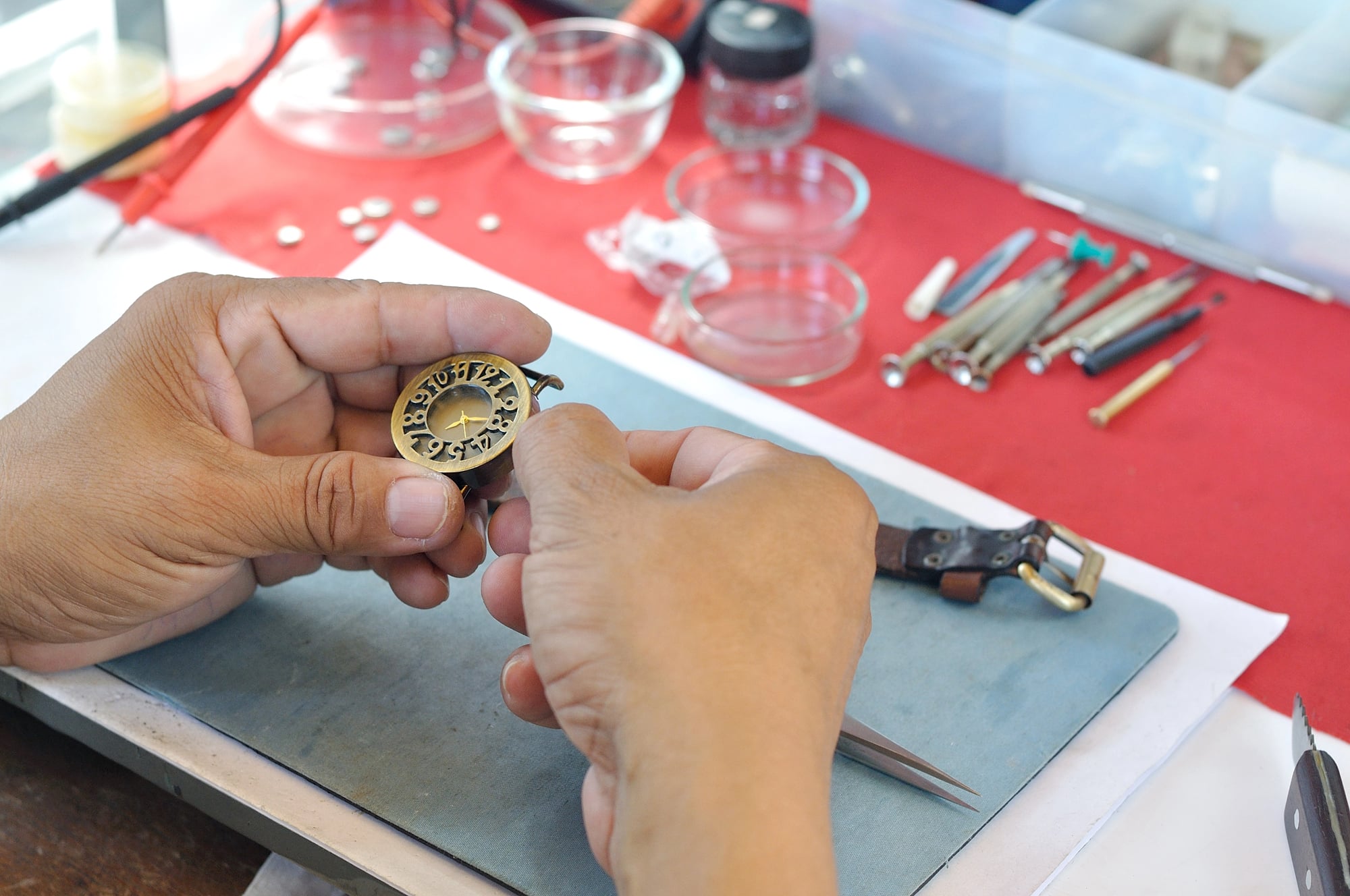
Beyond simply collecting watches, some enthusiasts specialize in finding and restoring vintage timepieces. Sourcing original parts for watches from the 1940s through 1970s requires patience, knowledge, and deep pockets.
Skilled watchmakers who can perform authentic restorations charge premium rates. Authentication services are essential to avoid purchasing counterfeits.
Many restorers maintain workshops with specialized tools that cost thousands of dollars. The hobby combines historical research, mechanical skill, and significant financial investment.
High-end photography equipment
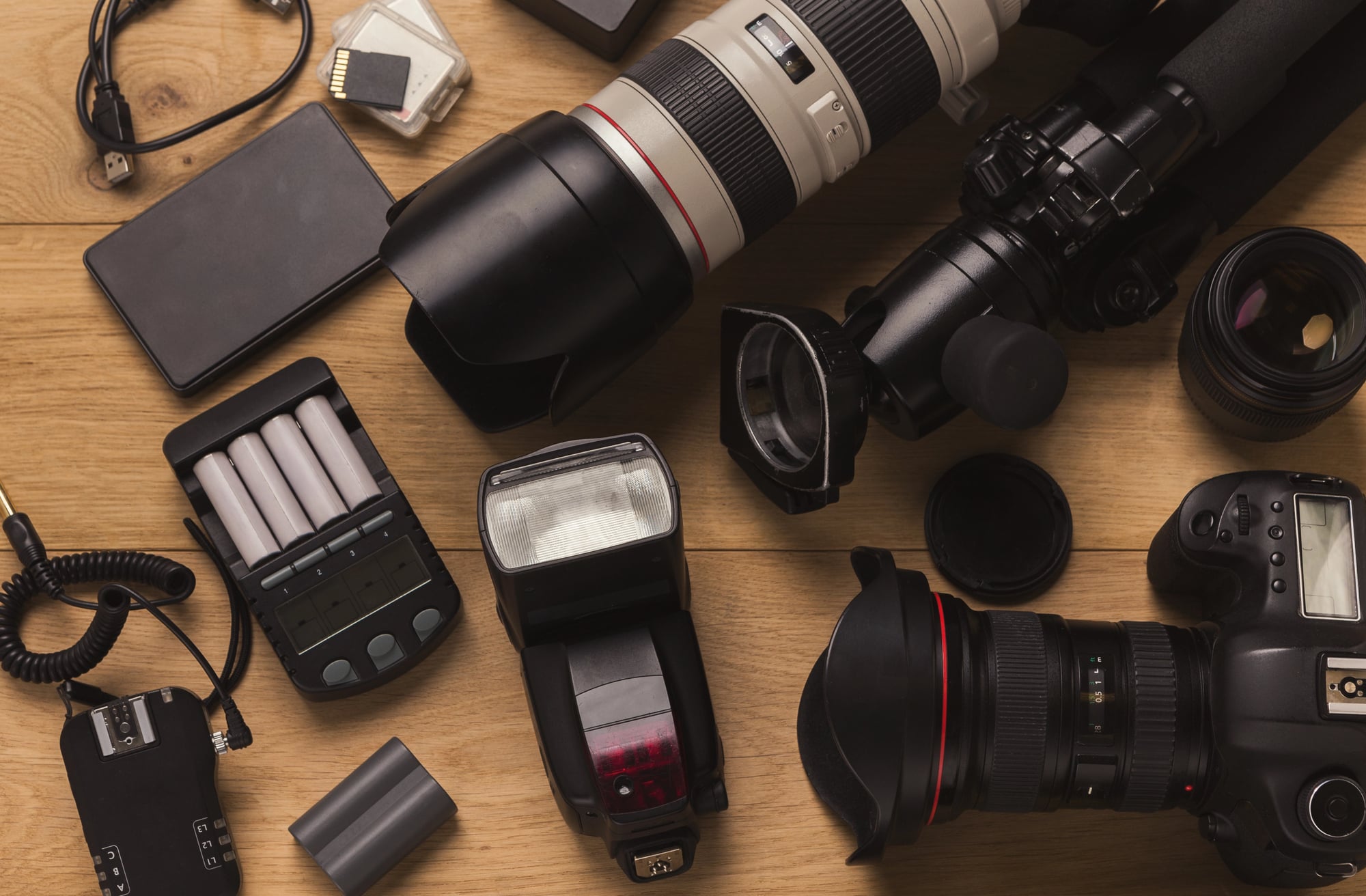
Professional-grade photography gear reaches astronomical prices. Camera bodies from top manufacturers cost several thousand dollars, and that’s before adding lenses.
A single high-quality lens can cost more than a used car. Serious photographers own multiple camera bodies, dozens of lenses, lighting equipment, tripods, and computer systems for editing.
The technology evolves constantly, creating pressure to upgrade regularly. Travel to exotic locations for the perfect shot adds another significant expense.
Many photographers justify the cost through paid work, but hobbyists bear the full financial burden themselves.
Custom motorcycle building

The custom motorcycle scene attracts people willing to spend serious money creating unique machines. Starting with a base bike, builders add custom paint, specialized engines, modified frames, and unique components.
Skilled fabricators and painters charge high rates for custom work. Parts from boutique manufacturers cost multiples of standard components.
Some builds take years to complete and cost well over one hundred thousand dollars. The finished bikes are rolling sculptures that often see limited road time since owners want to preserve their investments.
Competitive ballroom dancing

Reaching the top levels of competitive dance requires substantial financial commitment. Custom-made costumes can cost thousands of dollars and are often worn only once or twice.
Professional coaching sessions run several hundred dollars per hour. Competitors travel to events nationwide and internationally, covering entry fees, accommodation, and travel costs.
Many serious dancers train multiple times weekly with their partners and instructors. The physical demands also mean regular fitness training, nutrition planning, and sometimes physical therapy to prevent injuries.
Deep-sea diving and underwater exploration

Diving beyond regular limits pushes into deeper, tougher underwater zones. Heavy-duty gear for those depths runs much higher in price than basic sets.
Stuff like rebreathers, backup mechanisms, and tailor-made drysuits pile on the cost fast. Learning these skills means stacking several classes under seasoned guides.
Getting to top-tier spots often involves flying across borders with niche diving crews. Some tech divers take up photo work below the surface, piling on more costly tools.
Because of classes, equipment needs, and trips, few can actually do it.
Private telescope ownership and astronomy

Some hobby stargazers buy gear nearly as powerful as what schools use. Top-tier scopes, able to track stars and take photos automatically, run into big money – think thirty, forty grand.
At home, a number of them construct small stations complete with sliding roofs and air regulation. Tools like cameras, special filters, even strong computers pile on the price when analyzing night-sky shots.
Far from city lights, patches of true night grow scarce. Because of this, certain star watchers buy land where darkness still holds.
Chasing views of far-off galaxies makes some invest in better tools over time. For them, sharper images come through steady improvements to gear.
Heart leads where cost follows

Hobbies like these? They seldom seem like wasted cash to those chasing them. A rush of velocity here, fine detail there – one thing stands out each time.
What matters shifts when moments matter more than money. Belonging grows where effort meets joy, hands-on and real.
Passion sets its own value, quiet and sure.
More from Go2Tutors!

- The Romanov Crown Jewels and Their Tragic Fate
- 13 Historical Mysteries That Science Still Can’t Solve
- Famous Hoaxes That Fooled the World for Years
- 15 Child Stars with Tragic Adult Lives
- 16 Famous Jewelry Pieces in History
Like Go2Tutors’s content? Follow us on MSN.



