Movies Critics Loved but Audiences Hated
Sometimes the gap between what professional film critics praise and what regular moviegoers actually enjoy becomes a canyon. Critics might appreciate a film’s artistic vision, innovative cinematography, or bold storytelling choices, while audiences just want to be entertained.
This disconnect happens more often than you’d think, and it’s not always about one group being right or wrong—it’s about different priorities when sitting down in that theater seat. Here is a list of movies that earned critical acclaim but left audiences scratching their heads or checking their watches.
Uncut Gems

Adam Sandler delivered what many consider his best performance as Howard Ratner, a jeweler spiraling through bad decisions in New York’s Diamond District. The Safdie brothers crafted an anxiety-inducing masterpiece that earned 91% from critics but only 52% from audiences.
The relentless tension and Ratner’s thoroughly unlikable character proved too much for many viewers. People wanted to root for Sandler, not watch him play someone whose every choice makes you want to yell at the screen.
Ad Astra

Brad Pitt’s journey through the solar system to find his missing father looked stunning and explored deep themes about legacy and isolation. Critics gave it 83%, appreciating its contemplative approach to sci-fi.
Audiences handed it a 40%, having expected something closer to Interstellar or The Martian. The slow burn that critics found meditative felt ponderous to moviegoers who wanted more action and less introspection during their space adventure.
Noah

Darren Aronofsky’s biblical epic starring Russell Crowe took creative liberties with the flood story, earning 76% from critics who appreciated its ambition. Audiences were far less forgiving at 39%, finding it confusing and overly dark.
The film tried to reimagine a familiar story with rock monsters and environmental themes, but that approach alienated both religious viewers who wanted faithfulness to scripture and general audiences who found it pretentious. It became a rare case where almost nobody got the version they wanted.
King Kong (2005)
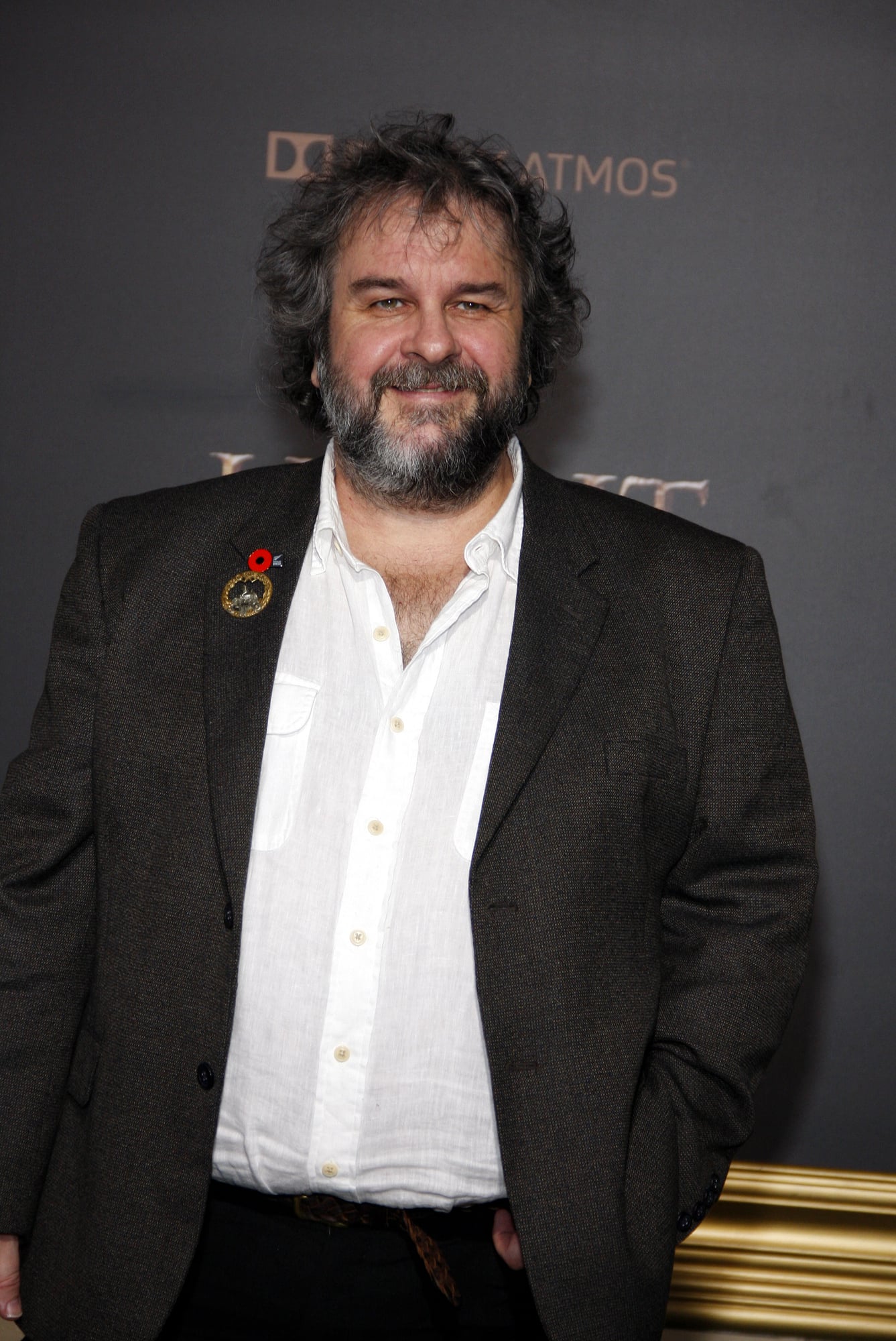
Peter Jackson’s three-hour love letter to the 1933 classic earned an impressive 84% from critics who praised its technical achievements and emotional depth. Regular viewers gave it just 51%, many feeling their patience tested by the extended runtime.
Jackson included every reference and expanded scene he could, which delighted film scholars but made casual moviegoers wish someone had told the director that less can be more. The film became a symbol of ambition overpowering pacing.
White Noise

Noah Baumbach adapted Don DeLillo’s postmodern novel about a family facing an airborne toxic event, and critics appreciated the ambitious attempt at translating such difficult source material. It earned 64% from critics but a dismal 31% from Netflix audiences.
The film’s tonal shifts between dark comedy and apocalyptic dread confused viewers who couldn’t tell if they were supposed to laugh or feel existential dread. For many, it felt like an inside joke they weren’t invited to.
It Comes at Night

This psychological horror film trapped two families in a house after an unexplained apocalypse, earning 88% from critics for its slow-burn tension. Audiences rated it 44%, feeling misled by marketing that suggested creature-feature scares.
The title itself became a point of contention since nothing particularly scary comes at night, leaving horror fans feeling cheated out of the monster movie they’d anticipated. The mismatch between expectation and delivery defined its reception more than the film itself.
Hail, Caesar!

The Coen Brothers crafted this Hollywood satire about a 1950s film studio fixer, delighting critics who gave it 86%. Audiences responded with just 43%, finding the meandering plot and inside-baseball humor inaccessible.
The film required knowledge of old Hollywood to fully appreciate its references and jokes, creating a barrier for viewers who just wanted a straightforward story rather than a love letter to cinema history. It became a niche favorite but mainstream frustration.
Spring Breakers

Harmony Korine’s neon-soaked crime drama starring former Disney stars earned 67% from critics who praised its subversive take on youth culture. Audiences scored it at 41%, many feeling the art-house aesthetic clashed with what they expected from a movie about college kids on vacation.
The film’s repetitive structure and deliberate trashiness that critics found fascinating struck regular viewers as simply boring and weird. It highlighted how differently critics and moviegoers interpret satire.
Under the Skin

Scarlett Johansson played an alien preying on men in Glasgow in Jonathan Glazer’s experimental thriller. Critics gave it 84%, later ranking it among the best films of the 21st century.
Audiences managed only 55%, confused by its minimal dialogue and abstract storytelling. The film prioritized atmosphere and visual symbolism over traditional narrative, which works great in film studies classes but less so on date night.
Sausage Party

This R-rated animated comedy about grocery store products discovering their fate earned 79% from critics who appreciated its raunchy humor and surprising philosophical depth. Audiences split right down the middle at 52%, with many finding the relentless profanity and shocking finale more off-putting than funny.
Critics loved that an animated film tackled atheism and existentialism, but regular viewers just wanted their adult cartoons less aggressively crude. The divide became part of the movie’s legacy.
Mother!

Darren Aronofsky’s allegorical horror starring Jennifer Lawrence as a woman whose home gets invaded by increasingly chaotic visitors earned 69% from critics. Audiences massacred it with an F CinemaScore and a 51% on Rotten Tomatoes.
The biblical and environmental metaphors that critics found bold struck audiences as pretentious and punishing, especially given how relentlessly unpleasant the viewing experience becomes. It remains one of the most polarizing films ever released.
The Lighthouse

Robert Eggers returned with this black-and-white tale of two lighthouse keepers descending into madness, earning 90% from critics who praised Willem Dafoe and Robert Pattinson’s performances. Audiences gave it 72%, which isn’t terrible but shows a clear divide.
The archaic dialogue and ambiguous ending that critics found mesmerizing left many viewers feeling like they’d been assigned homework instead of entertainment. Its art-house qualities overshadowed its horror appeal for many.
The Green Knight

David Lowery’s medieval fantasy reimagining of the Arthurian legend earned 89% from critics for its stunning visuals and mythological depth. Audiences countered with 50%, expecting a traditional adventure and getting an art-house meditation on honor and mortality instead.
The film’s dreamlike pacing and symbolic storytelling worked for critics familiar with the source material but confused viewers wanting straightforward sword-and-sorcery action. It became a poster child for mismatched expectations.
Antz

This DreamWorks animation featuring Woody Allen voicing a neurotic ant earned 92% from critics but just 52% from audiences. The political themes and adult-oriented humor that reviewers praised didn’t connect with kids, while parents found it less charming than Pixar’s competition.
Coming out the same year as A Bug’s Life, Antz suffered from unfortunate timing and a tone that tried too hard to be sophisticated. It struggled to find a clear audience despite critical approval.
Only God Forgives

Nicolas Winding Refn followed up Drive with this neon-drenched Bangkok revenge tale starring Ryan Gosling. Critics gave it 41%, which is actually low, but audiences went even lower at 37%—and when you dig into reviews, audiences were significantly more hostile.
People wanted another cool crime thriller and instead got an ultra-violent art film with minimal dialogue and bizarre pacing that alienated the fans Refn had just earned. The film became a notorious lesson in subverted expectations.
Married to the Mob
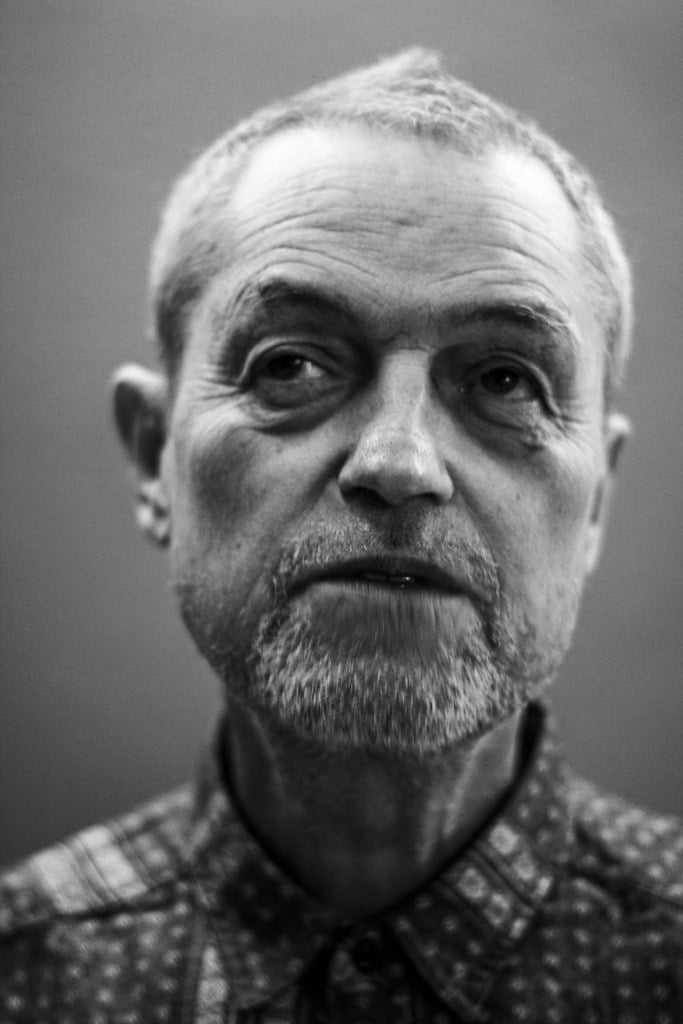
Jonathan Demme’s 1988 crime comedy starring Michelle Pfeiffer earned 90% from critics who appreciated its offbeat humor. Audiences found it middling, with modern ratings reflecting disappointment in the watered-down comedy and aimless direction.
The quirky tone that critics found refreshing came across as indecisive to viewers who wanted either straight comedy or genuine crime drama, not something stuck awkwardly between. It remains appreciated mainly by film historians.
The Last Duel

Ridley Scott’s medieval drama starring Matt Damon and Adam Driver told the same story from three perspectives, earning 86% from critics who praised its feminist themes and bold structure. Audiences gave it just 81%, which seems close but represents a notable gap in enthusiasm.
The lengthy runtime and challenging subject matter of trial by combat over an assault allegation made for a film audiences respected more than enjoyed. It became an example of a movie admired more than loved.
Where Art Meets Commerce
The critic-audience divide reveals something fundamental about how we experience movies. Critics watch hundreds of films yearly and crave innovation, artistic risk, and technical mastery.
Regular audiences watch for escape, emotion, and entertainment after a long work week. Neither approach is wrong—they’re just different lenses for viewing the same art form, proving that sometimes the most critically celebrated movies are the ones that challenge viewers in ways they never asked for.
More from Go2Tutors!

- The Romanov Crown Jewels and Their Tragic Fate
- 13 Historical Mysteries That Science Still Can’t Solve
- Famous Hoaxes That Fooled the World for Years
- 15 Child Stars with Tragic Adult Lives
- 16 Famous Jewelry Pieces in History
Like Go2Tutors’s content? Follow us on MSN.



