Secret Ingredients in Famous Fast Food Items
Fast food chains spend enormous amounts of money making sure their food tastes exactly the same everywhere in the world. That consistency doesn’t happen by accident.
Behind every familiar flavour is a carefully guarded formula — and sometimes, an ingredient that nobody at the company is particularly eager to put on a billboard. Some of these secrets have leaked over the years.
Others have been reverse-engineered by food scientists and obsessive home cooks. A few have been confirmed by the companies themselves, usually after the information had already spread too widely to deny.
McDonald’s Fries and the Beef Flavouring
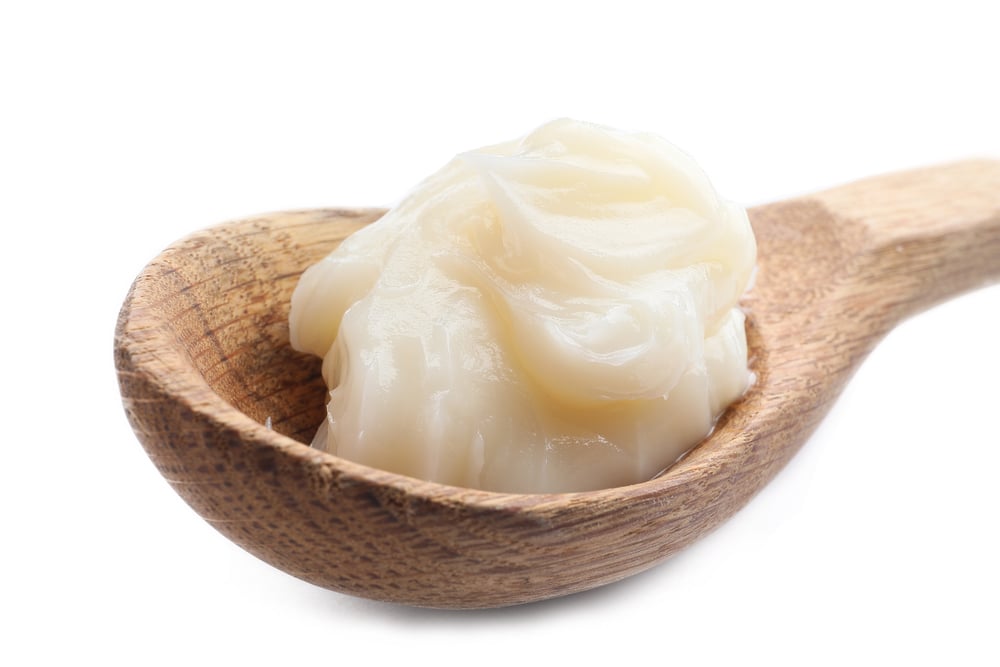
For decades, McDonald’s fries were fried in beef tallow, which gave them a rich, distinctive flavour that devoted fans still mourn. When the chain switched to vegetable oil in the early 1990s — partly in response to health concerns — the fries tasted different.
McDonald’s solved the problem by adding natural beef flavouring to the fries during processing. This matters for a specific reason: the fries are not, as a result, vegetarian or vegan in the United States.
The beef flavouring contains hydrolysed wheat and hydrolysed milk derivatives, but the “natural flavour” listing on ingredients labels comes from beef. McDonald’s acknowledged this in 2001 following a lawsuit brought by Hindu and vegetarian customers who had not been informed.
In some other countries, the formulation differs, but in the US, that flavour has a specific origin.
KFC’s 11 Herbs and Spices
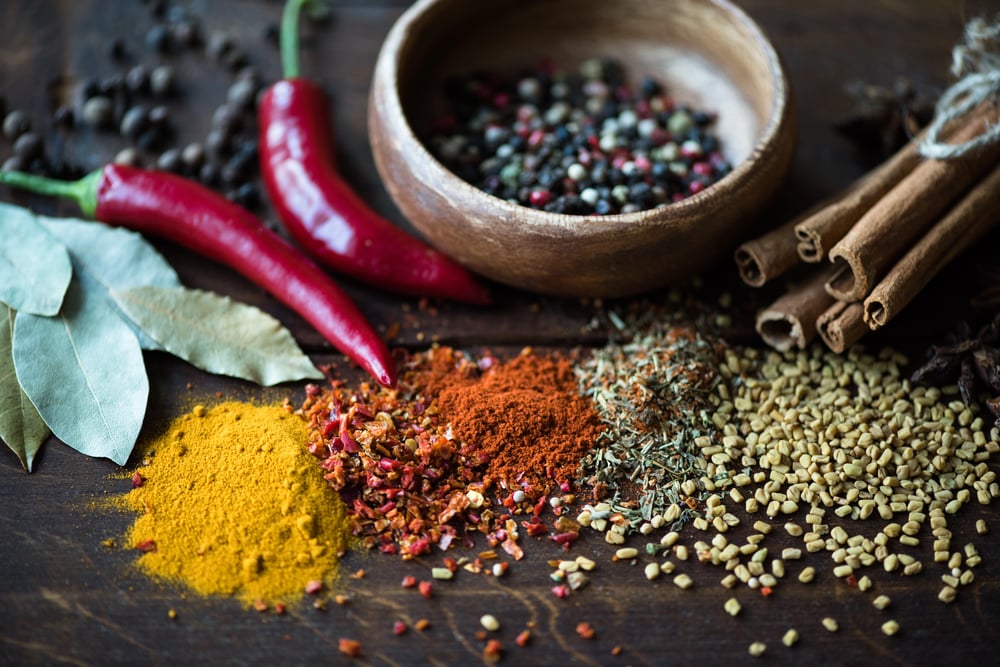
Colonel Harland Sanders built an entire mythology around his fried chicken recipe, and KFC has maintained that mystique for decades. The “11 herbs and spices” have been the subject of obsessive speculation, countless attempted replications, and at least one high-profile claim of discovery.
In 2016, a journalist visiting the home of Sanders’ nephew photographed what appeared to be a handwritten copy of the original recipe, listing ingredients including paprika, white pepper, garlic salt, and celery salt alongside more familiar seasonings. KFC did not confirm the recipe but also did not flatly deny it.
Food writers who tested the combination found it produced chicken that tasted remarkably close to the real thing. Whether that notebook contained the actual recipe or a plausible imitation remains technically unresolved.
The McRib’s Restructured Meat
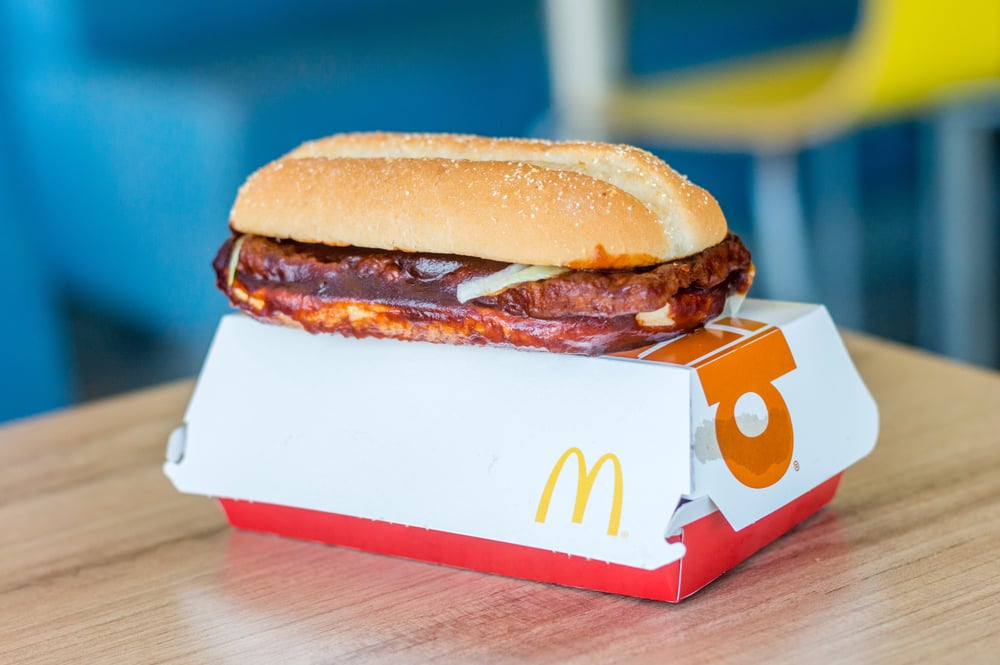
— Photo by Robson90
The McRib is a boneless pork sandwich shaped to look like a rack of ribs, which is a somewhat startling thing once you stop to think about it. The meat isn’t carved from a rib cut.
It’s made from restructured pork — a mixture of pork shoulder and other cuts that is ground, seasoned, shaped into a mold, frozen, and then cooked from that form. Restructured meat products are common throughout the food industry, not just at McDonald’s.
The process was originally developed in part by the US military as a way to use lower-value cuts efficiently. The McRib’s periodically limited availability is widely believed to be a deliberate scarcity strategy rather than a supply issue. The pork itself is not particularly scarce. The appearance of scarcity drives demand in a way that permanent menu status wouldn’t.
Subway’s Bread and the Sugar Question
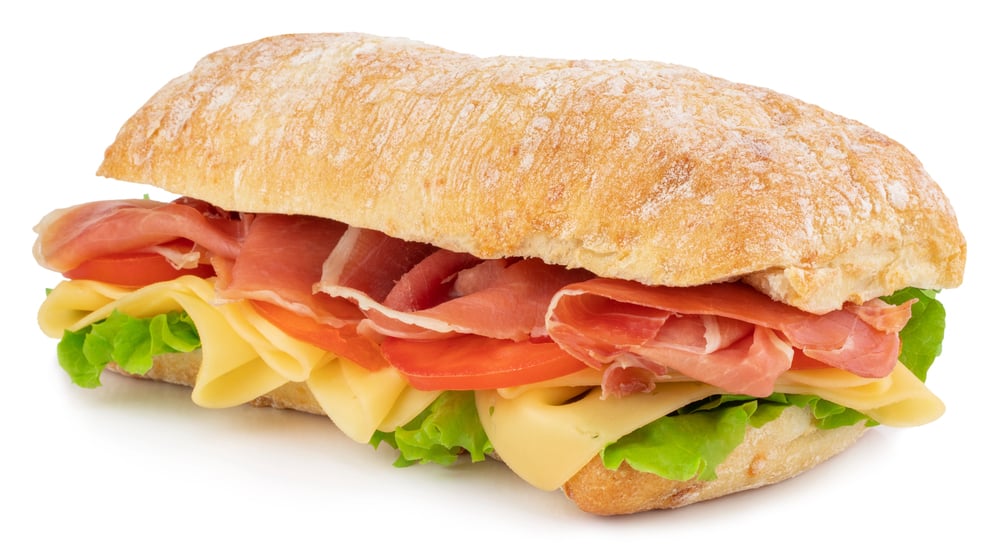
In 2020, Ireland’s Supreme Court ruled that Subway’s bread contains too much sugar to legally qualify as bread under Irish tax law. The sugar content — roughly five times what Irish law allows for bread to be classified as a staple food — means that Subway sandwiches attract a different tax rate in Ireland than ordinary bread products would.
Subway disputed the characterisation, but the ruling was based on their own ingredient formulations. The sugar in Subway’s bread isn’t there by accident.
It affects texture, helps browning during baking, and contributes to the slightly sweet flavour that distinguishes Subway’s bread from a plain loaf. It’s a feature of the product, not a flaw. The Irish court just decided it crossed a line.
Wendy’s Frosty and the Fudge Factor
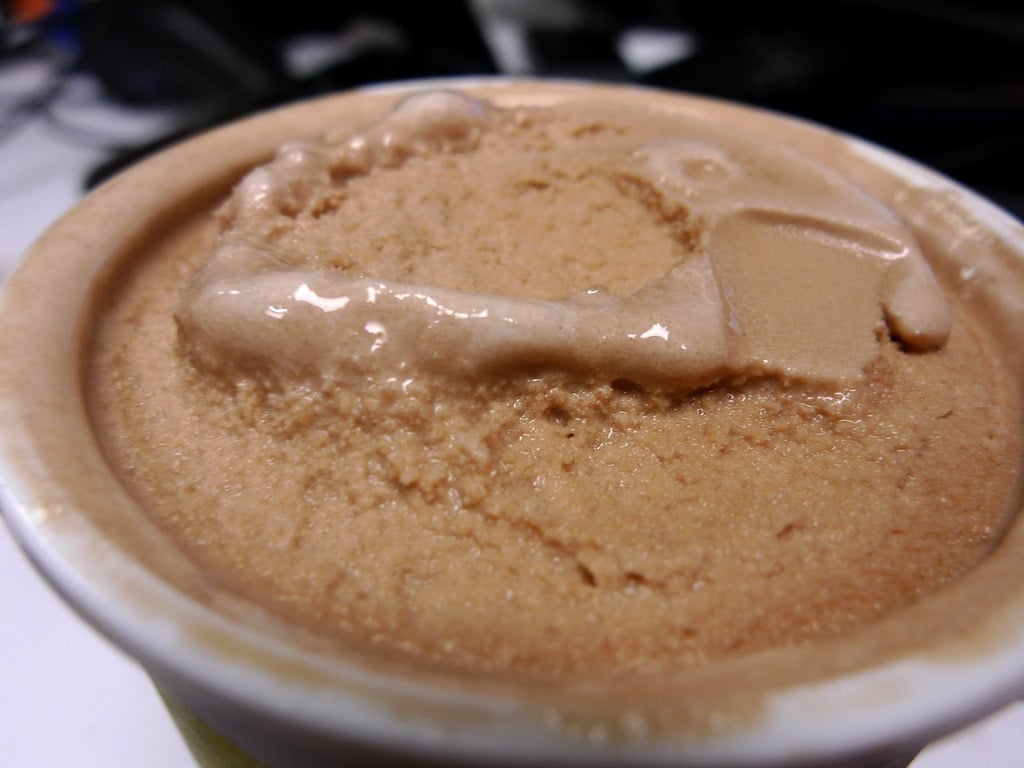
Wendy’s Frosty has a flavour that doesn’t quite fit neatly into chocolate or vanilla. It tastes like both and neither at the same time, which has puzzled people since the item launched in 1969.
The reason is that the Frosty contains both chocolate and vanilla flavouring — the combination was intentional from the start. Dave Thomas, Wendy’s founder, reportedly wanted a dessert thick enough that eating it alongside a burger wouldn’t feel like too much sweetness.
Pure chocolate would have been too intense. Pure vanilla might have been too bland.
The blend he settled on occupies a middle ground that pairs better with savoury food than either flavour alone. It’s a small piece of product design thinking that most people experience without realising it.
Coca-Cola’s Mysterious Ingredient 7X
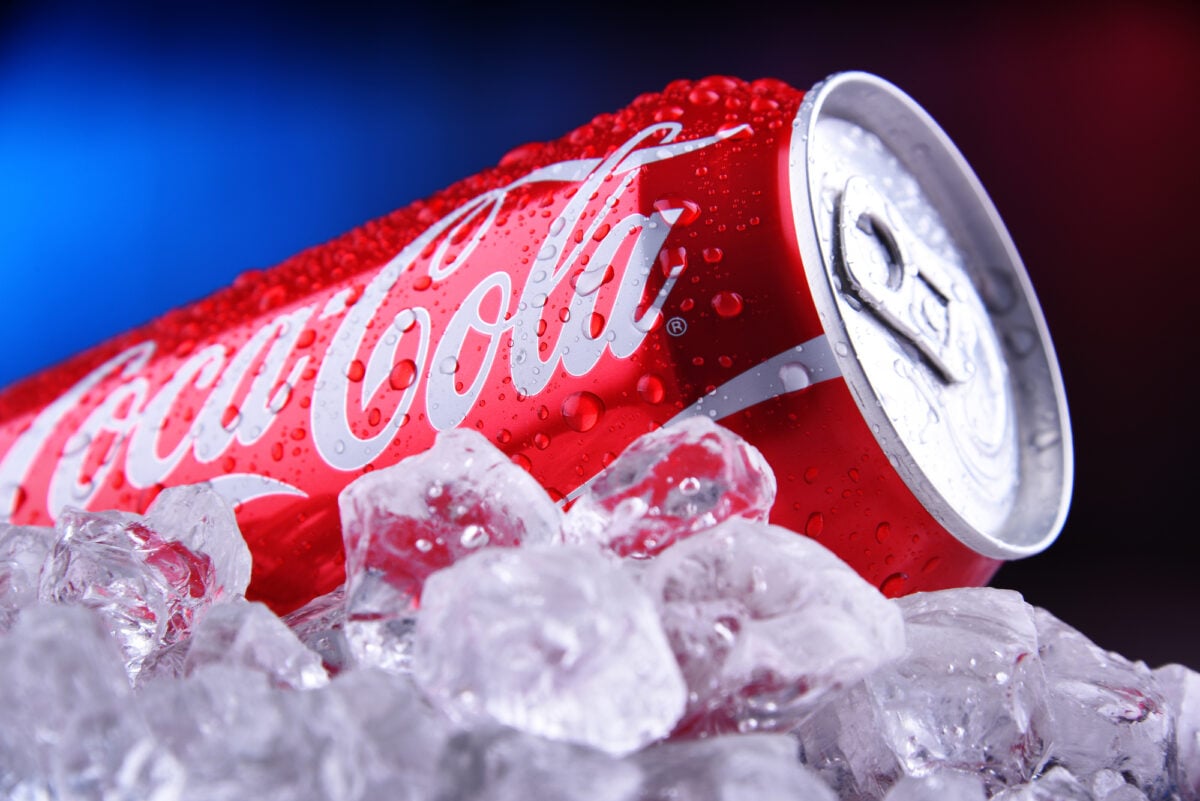
Coca-Cola’s formula is one of the most famous trade secrets in the world, kept in a vault in Atlanta and allegedly known to only a small number of people at any one time. The main ingredients — caramel colour, phosphoric acid, caffeine, natural flavours — appear on the label because they have to.
What doesn’t appear in any detail is the natural flavour component, which Coca-Cola refers to internally as Merchandise 7X. Various people have claimed over the years to have identified the 7X formula, and some reverse-engineered versions have been published.
The consensus among food chemists is that it likely involves a blend of citrus and spice oils — possibly orange, lemon, lime, cinnamon, and nutmeg in specific proportions. Whether any published version is accurate, Coca-Cola has never confirmed.
The company’s entire brand identity is partly built on the existence of the secret, which means confirming any version of it would cost them something regardless of accuracy.
McDonald’s Special Sauce
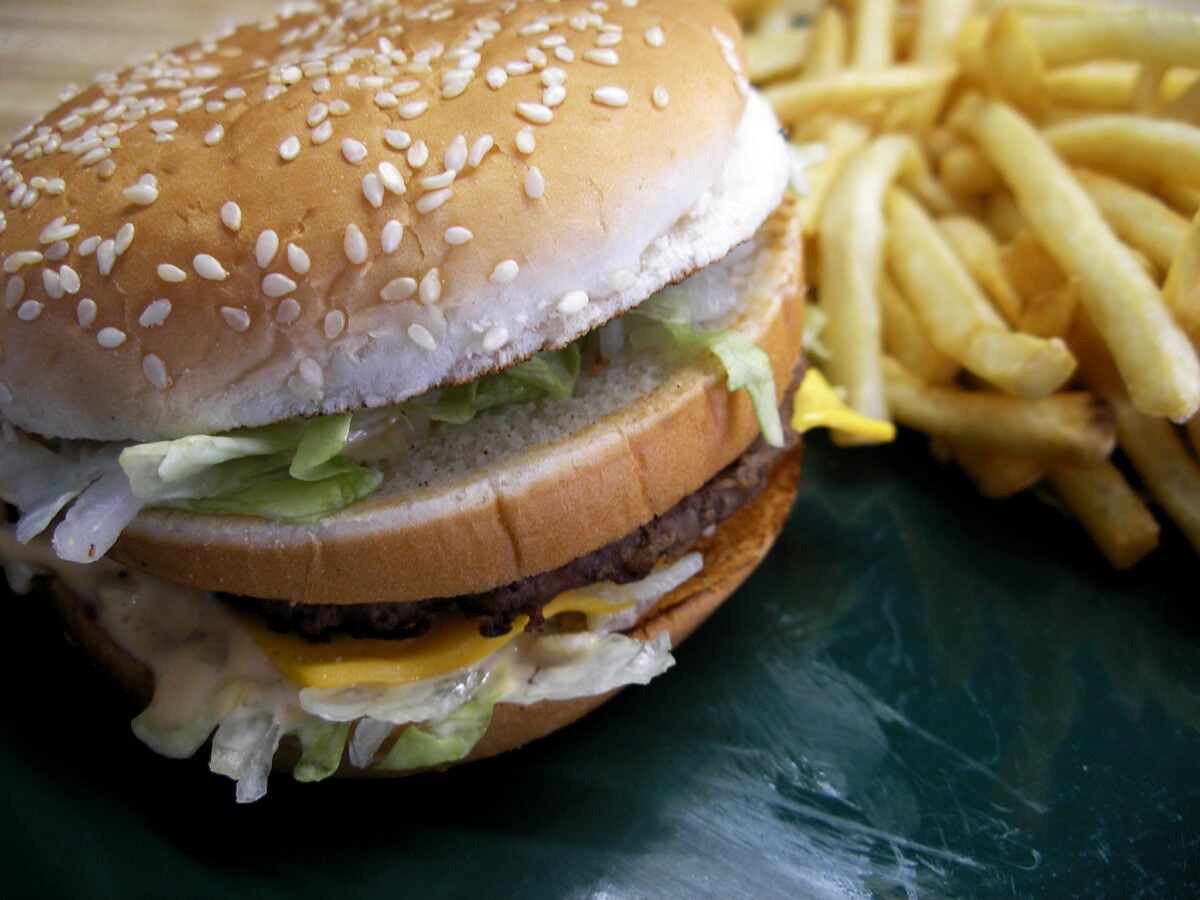
The Big Mac’s special sauce was, for a long time, treated as something proprietary and mysterious. In practice, it is a variant of Thousand Island dressing.
McDonald’s has acknowledged this, and the company even published the recipe publicly in 2012 via a YouTube video — a decision that probably reflected the realization that the secret had become an open one. The sauce combines mayonnaise, sweet relish, yellow mustard, white wine vinegar, garlic powder, onion powder, and paprika.
The proportions matter, and McDonald’s version is designed to work specifically with the other flavours in the sandwich. But if you’ve ever eaten Thousand Island dressing, you’ve eaten something very close to what’s on a Big Mac.
Chick-fil-A’s Chicken and the Pickle Juice Brine
— Photo by Loganimages
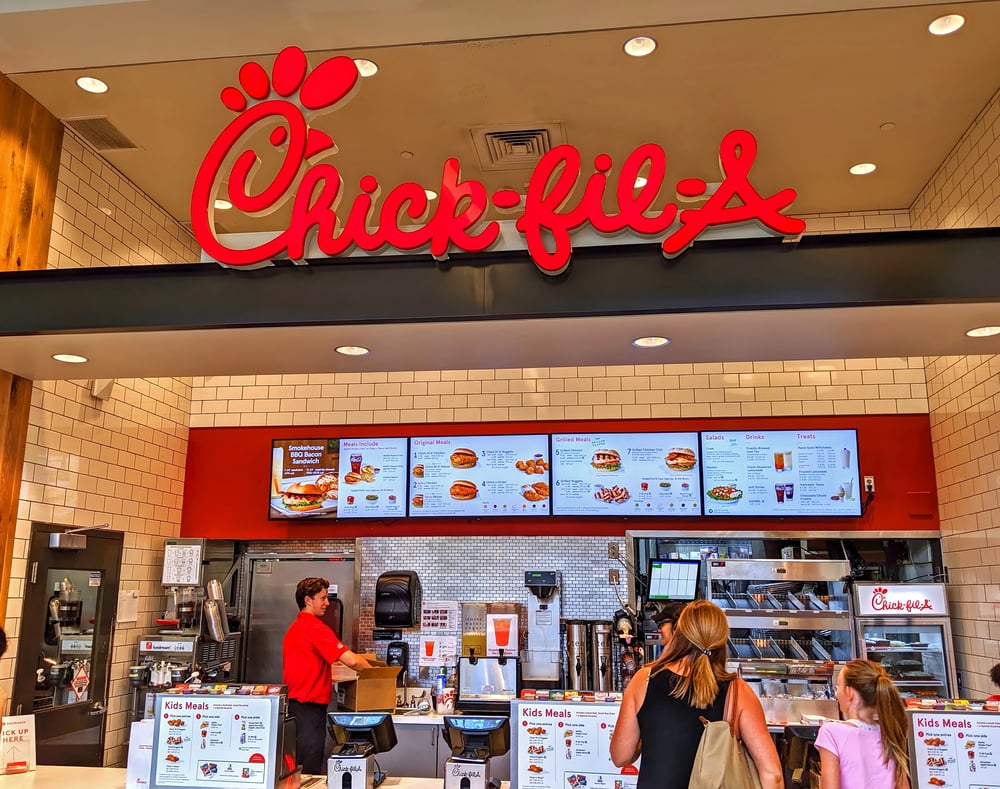
Chick-fil-A’s chicken sandwiches have a following that borders on devotion in parts of the United States. Part of what makes the chicken tender and flavourful is a simple brine.
The chicken is soaked in pickle juice before being cooked. The acid in the brine — primarily from vinegar — breaks down some of the proteins in the meat, keeping it moist during frying.
It also adds a faint background flavour that you can detect if you’re looking for it. Chick-fil-A has been relatively open about this technique, and home cooks who replicate it at home report results that come close to the original.
The method itself is straightforward. The execution at scale is where the difference lies.
Popeyes’ Buttermilk Marinade
— Illustration by jetcityimage2
Popeyes’ chicken achieves a flavour and texture that’s distinct from most competitors, and buttermilk is a significant part of why. The chicken marinates in a buttermilk mixture before being seasoned and fried, a technique borrowed from Southern home cooking traditions.
Buttermilk’s acidity tenderises the meat in the same way that pickle brine does, but with a creamier flavour base. The resulting chicken holds onto its seasoning better and fries with a crust that adheres more firmly.
Popeyes has never hidden the use of buttermilk — it appears in their marketing as a quality indicator rather than a secret. But the specific blend of spices that goes into the marinade and coating is considerably more guarded.
In-N-Out’s Spread
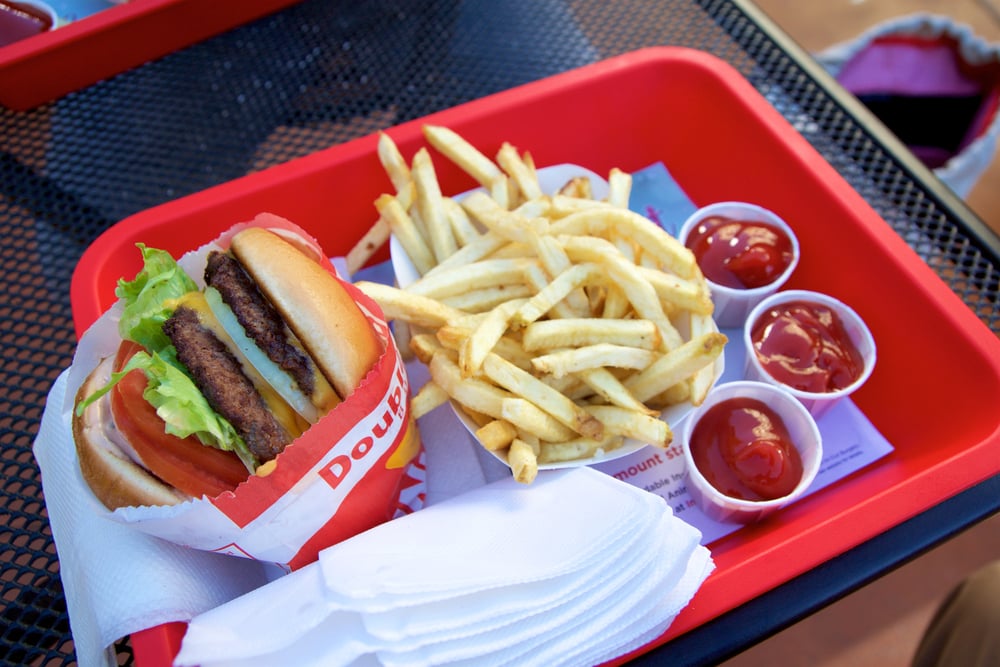
In-N-Out Burger is a West Coast institution with a following that Californians take seriously enough to mourn when they move to states that don’t have one. The “secret sauce” — called simply “the spread” — is applied to both burger and Animal Style options.
Like McDonald’s special sauce, it’s a Thousand Island variant, but with a slightly different ratio and a tangier flavour profile. In-N-Out’s entire “secret menu” exists in a strange space — it’s secret in name only, since the chain prints descriptions of the options on the tray liners and encourages staff to explain them.
The spread recipe has been reverse-engineered countless times. What keeps people coming back has less to do with any single ingredient than with the combination of fresh, never-frozen beef and a straightforward menu that doesn’t try to do too much.
Taco Bell’s Seasoned Beef
— Photo by Robson90
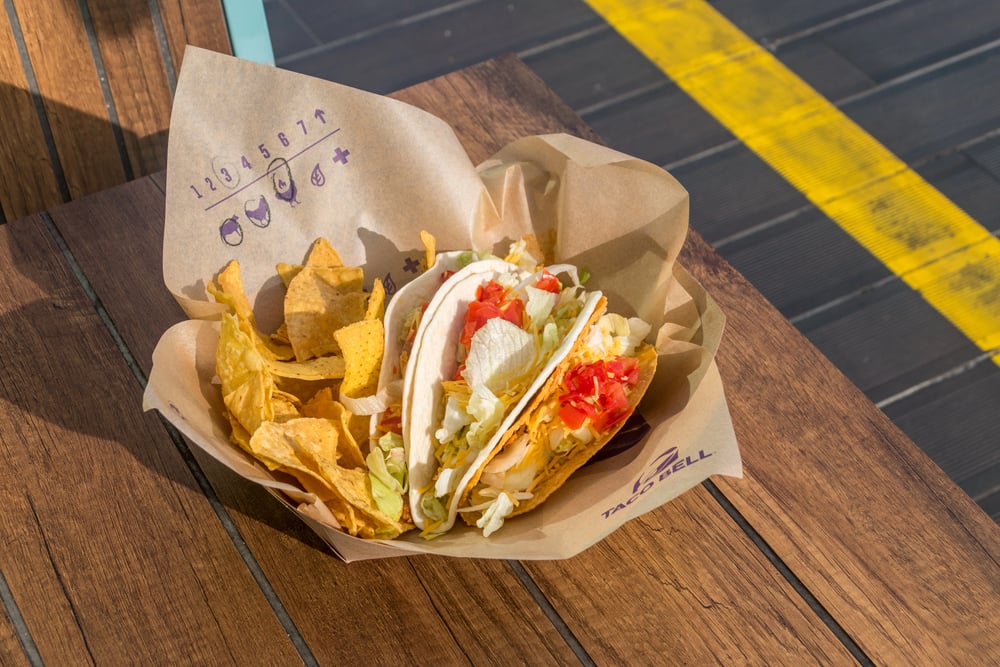
In 2011, a law firm filed a class action lawsuit against Taco Bell claiming that its beef filling contained so little actual beef that it couldn’t legally be called beef under USDA regulations, which require meat to contain at least 40 percent protein. Taco Bell’s response was unusually direct — they launched a public advertising campaign defending their beef and published the full ingredient list.
The filling is approximately 88 percent beef. The remaining 12 percent consists of water, spices, oats, and a handful of additives including maltodextrin and soy lecithin.
The oats serve as a binder and add texture. The overall blend produces a filling that tastes consistently seasoned and holds together in a taco without falling apart.
The lawsuit was eventually dropped. Taco Bell kept the recipe.
The MSG Question Nobody Wants to Answer Directly
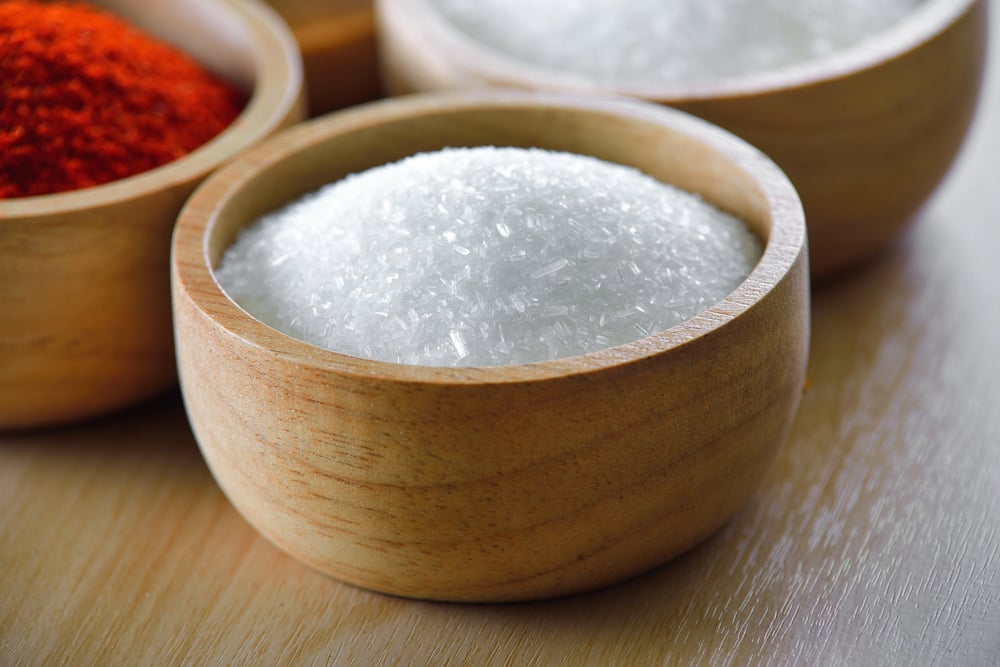
Monosodium glutamate appears in the ingredients of a long list of fast food products, from seasoning blends to sauces to coatings. It amplifies savoury flavours and contributes to the quality food scientists call umami — the deep, satisfying taste that makes you want another bite.
Fast food chains are rarely eager to lead with MSG in their marketing, given decades of largely unfounded public concern about it. But it’s present in many of the flavour profiles you find most satisfying.
Doritos Locos Tacos at Taco Bell, various KFC seasonings, and a range of burger and chicken seasonings across the industry all contain it. The science on MSG is clear — it’s a naturally occurring compound found in tomatoes, parmesan, and soy sauce, and the evidence for it causing harm is weak.
The marketing instinct to keep it quiet persists anyway.
The Flavour Nobody Can Quite Name
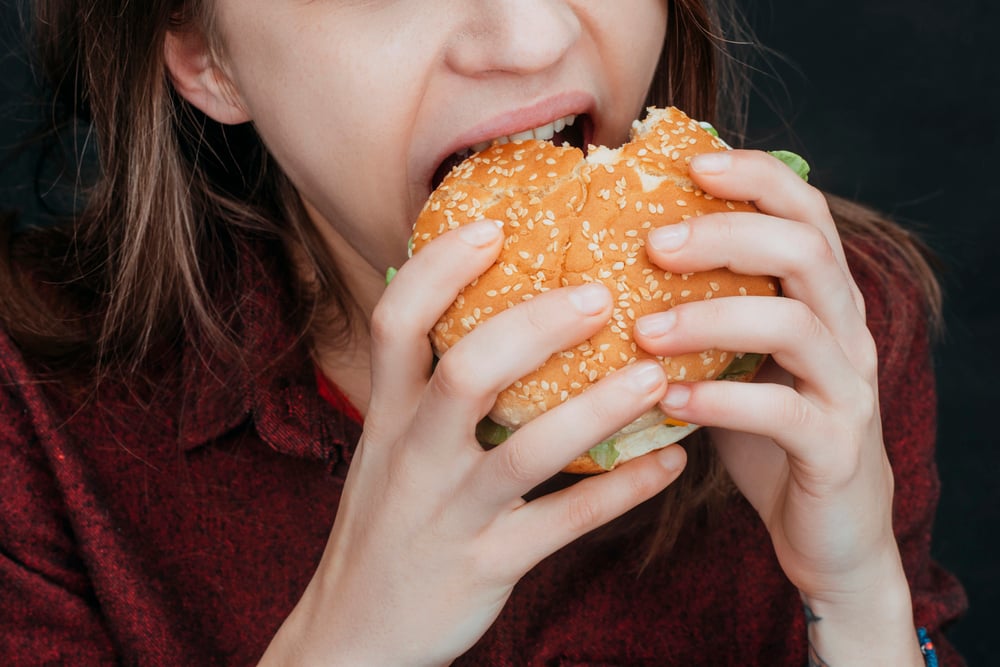
A funny sort of flavour lives in fast food, tricky to label but always there. That unmistakable note hits your tongue whether it’s from here or across town – same beef, yet somehow not quite the same as what simmers at home.
Heat blasts through metal griddles in ways backyard flames never copy. Oils blend just so, shaped by choices buried deep in lab reports and trial batches.
Salt finds its sweet spot after mountains of surveys, tweak upon tweak. Hidden helpers linger inside, holding shape and looking from city to city.
Not any single thing brings that signature punch. This taste sticks around because food experts spent years perfecting just one goal – consistency, each bite matching the last.
Not magic. A carefully built moment. Works even if you do not agree.
More from Go2Tutors!

- The Romanov Crown Jewels and Their Tragic Fate
- 13 Historical Mysteries That Science Still Can’t Solve
- Famous Hoaxes That Fooled the World for Years
- 15 Child Stars with Tragic Adult Lives
- 16 Famous Jewelry Pieces in History
Like Go2Tutors’s content? Follow us on MSN.