Strange Superstitions from Different Cultures
Every culture holds on to certain habits that seem small at first but carry deep meaning for the people who follow them. Some of these beliefs feel funny, others feel a bit odd, yet each one says something about how people try to make sense of the world.
Now that the scene is set, it helps to step into these customs with an open mind. The mix of logic, fear, and comfort makes them easy to remember and even easier to talk about.
The number four in East Asia

In places like China and Japan, many people avoid the number four because it sounds similar to a word linked to bad luck. Buildings skip the fourth floor, and families prefer not to choose it for room numbers.
The superstition sits so deeply that people sometimes choose a different address just to feel safer.
Stepping on thresholds in Russia

People in Russia often avoid shaking hands or greeting someone while standing in a doorway. They believe doorways sit between two different spaces and can bring tension or small problems.
Visitors usually step inside before offering a friendly hello.
Whistling indoors in Turkey

Many people in Turkey avoid whistling inside their homes. They believe the sound can bring trouble or attract unwanted energy.
Even families who do not follow many old customs still pause before making that sharp tune indoors.
Chewing gum at night in South Korea

Some people in South Korea believe chewing gum after the sun goes down invites bad spirits or unwanted attention. The idea may feel old today, but it still shows up in small reminders from elders.
Kids often hear it the way American kids might hear old sayings from grandparents.
Sleeping with feet toward the door in China

This direction resembles the way people leave a room at the end of life, so many families avoid pointing feet toward the door. They say it invites bad luck or weak energy.
Even in tight spaces, beds often shift around to avoid this layout.
Cutting nails at night in India

In some parts of India, people view nighttime nail trimming as a way to bring small misfortune. Long ago it may have been linked to poor light and the risk of losing trimmed pieces on the floor.
The habit stuck, and families still pass it down as a small rule.
Opening umbrellas indoors in the U.K.

While people around the world know this superstition, it feels especially strong in the U.K. Folks say an open umbrella inside a home can bring a streak of bad luck.
Even today, many choose to pop it open only once they are outside.
Knocking on wood in the U.S.
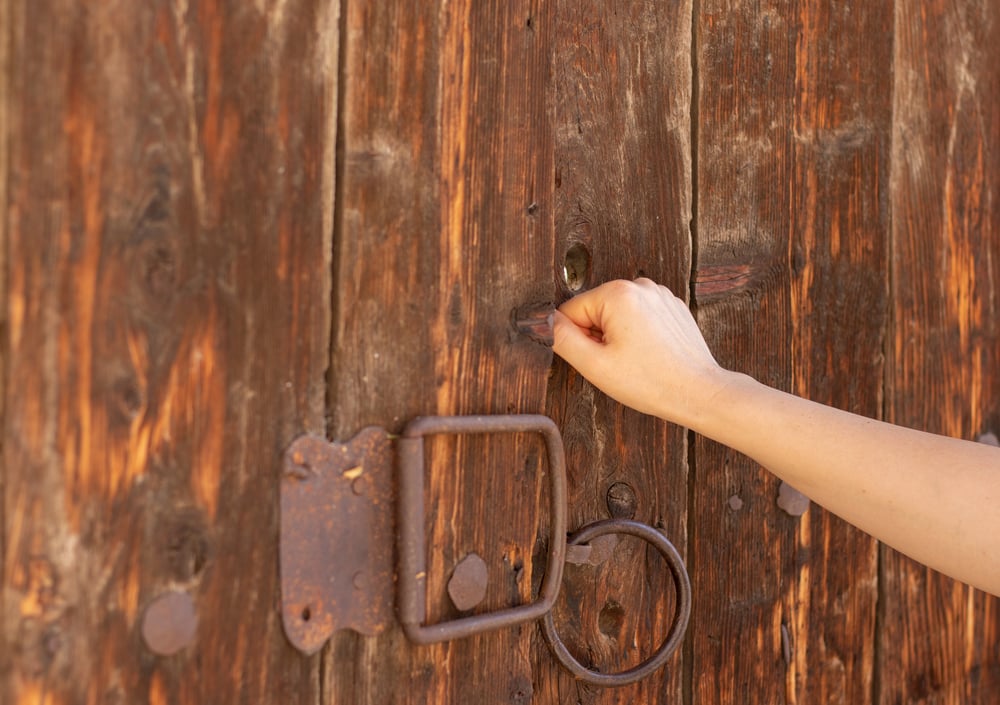
Many people in the U.S. tap on wood to keep good luck from slipping away after saying something hopeful. It acts like a quick safety button for the moment.
The habit shows how even modern beliefs lean on small actions for comfort.
The evil eye in the Mediterranean
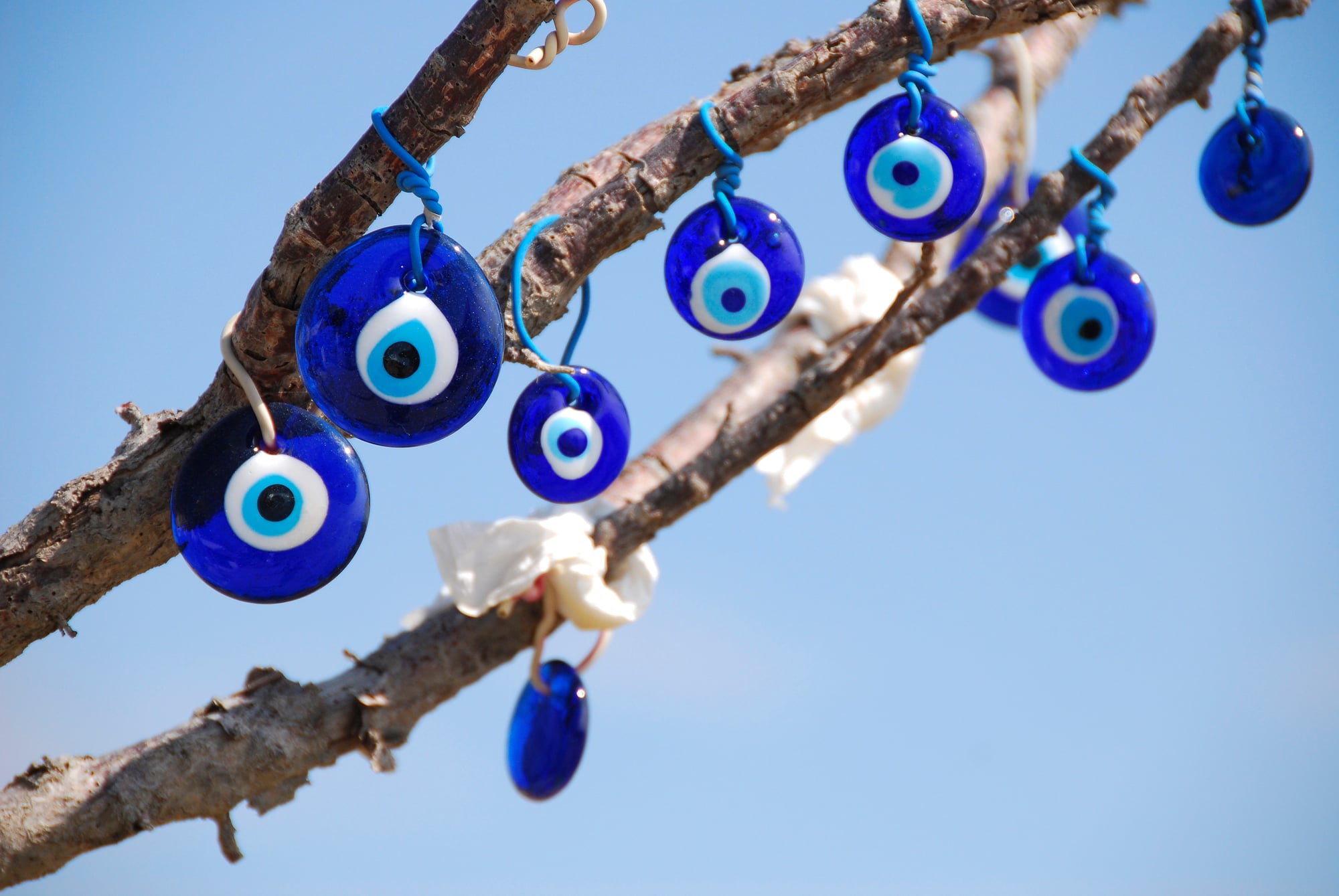
Across Greece, Italy, and other Mediterranean places, people trust charms to protect against harsh looks that might bring trouble. These charms show up on home walls, necklaces, and even baby strollers.
Fear of a strong stare may sound simple but still feels real to many families.
Pointing at rainbows in the Philippines
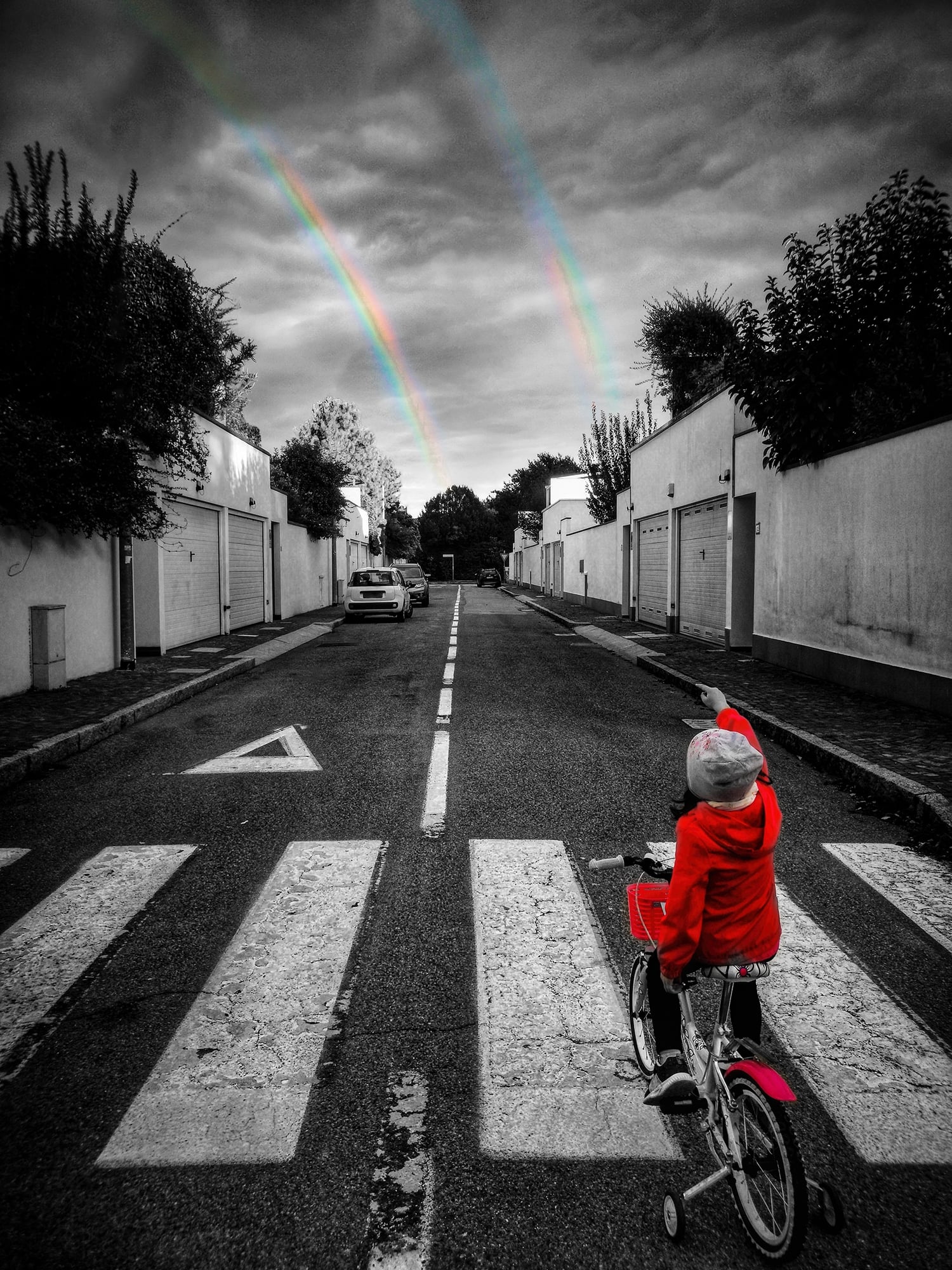
Some families in the Philippines say pointing at a rainbow can cause a small mark or skin issue. Elders usually share the warning with a smile, and kids treat it like a gentle rule to keep in mind.
It works much like a playful limit that still stays in the family’s culture.
Entering with the right foot in parts of Spain
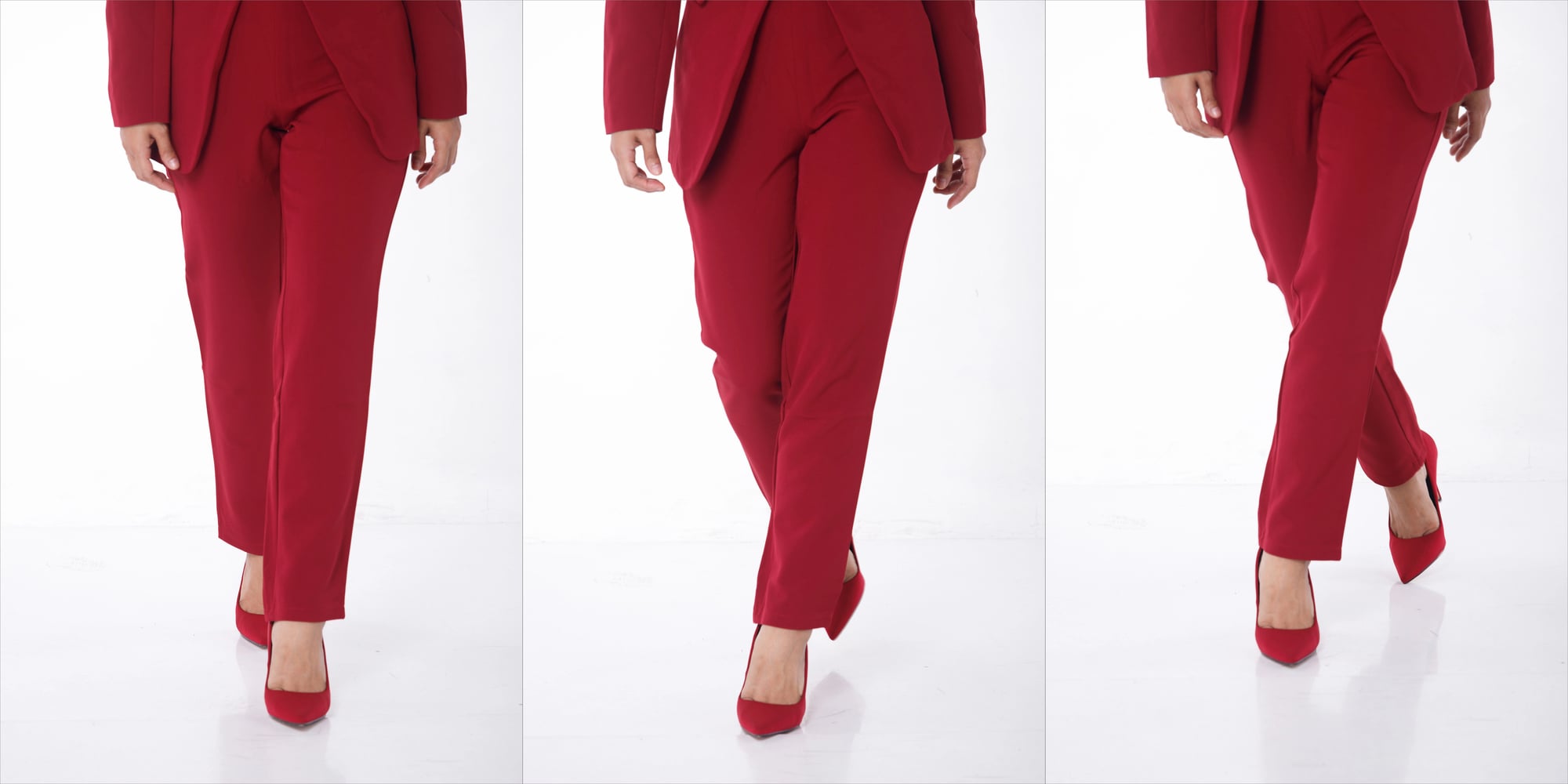
People in some Spanish regions like to step into a home or store with their right foot first. They believe it brings good luck and sets the tone for the visit.
Even when someone forgets, the idea stays in the back of the mind like a friendly reminder.
Pouring water after someone in Serbia

In Serbia, some families pour a bit of water behind someone as they leave for a journey. They believe water brings calm and helps the traveler return home safely.
It turns a simple goodbye into a warm gesture.
Breaking a plate in Greece
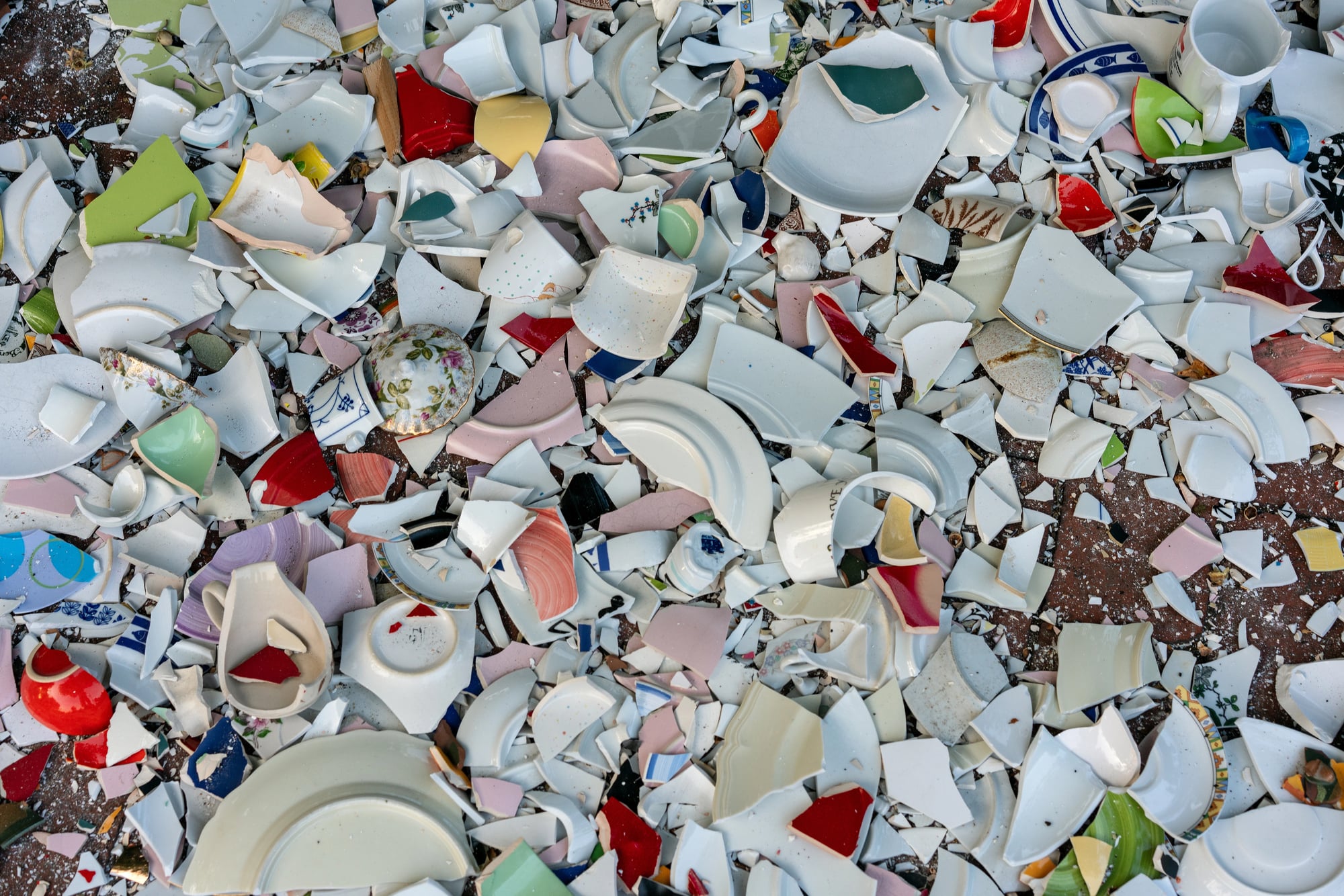
Breaking a plate during celebrations feels like a way to welcome good spirits and joy. The loud sound brings excitement to the room.
While not as common today, it still appears at events that carry strong tradition.
Passing salt in parts of Germany

Some homes in Germany believe that handing salt directly from one person to another might spark tension. People often place it on the table instead.
This small step feels like a tidy trick to keep the peace.
Leaving a chair empty on Christmas Eve in Ukraine
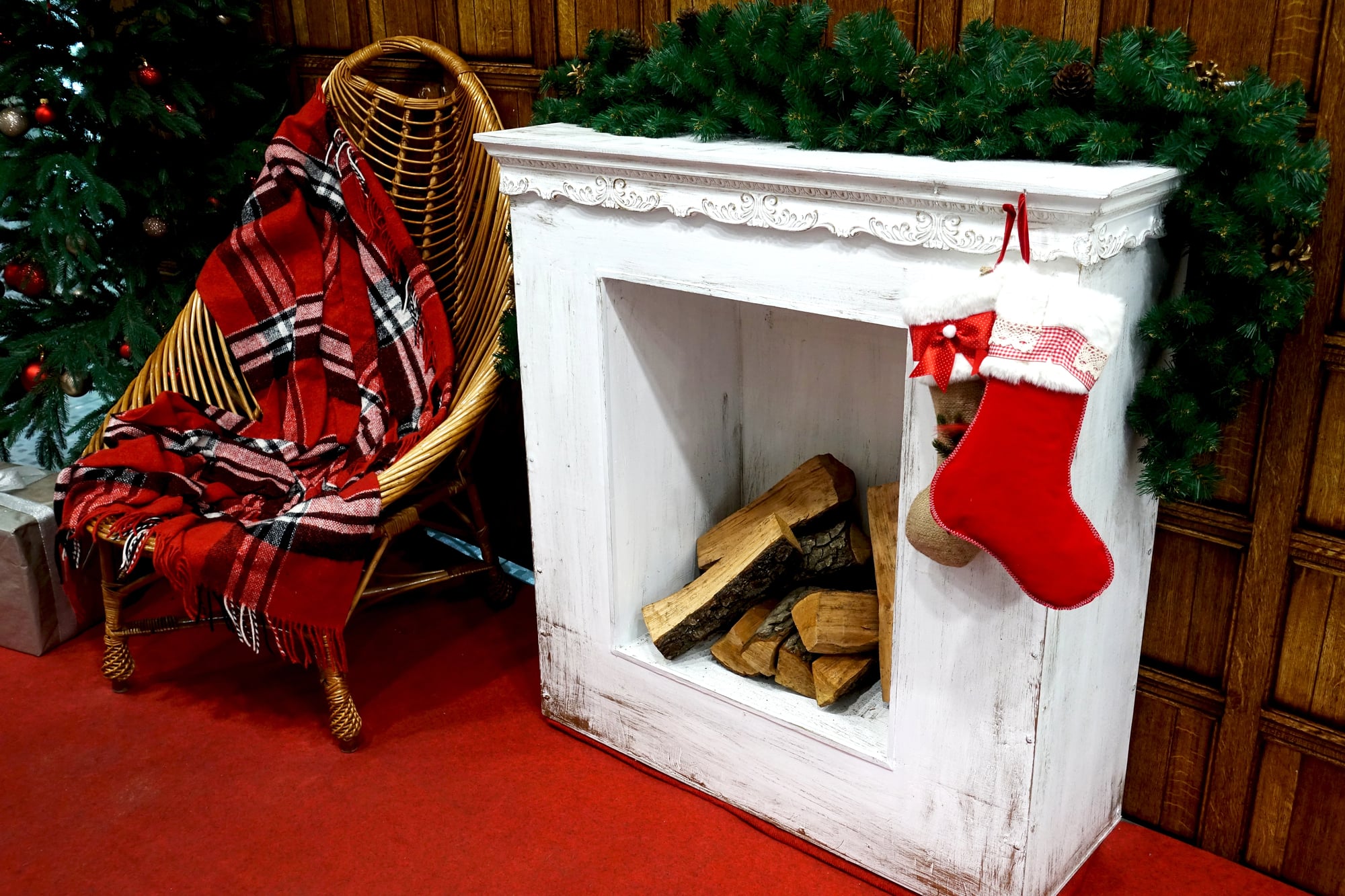
Families in Ukraine sometimes keep one chair empty at the table for a guest from the spirit world or for someone who cannot be with them. It acts as a sign of respect and care.
The open space feels warm and hopeful.
Saying thank you for bread in France

In France, bread holds a special place, and some people avoid placing it upside down on the table. They believe it shows disrespect and may invite small trouble.
Keeping it upright feels like a simple way to honor a valued food.
Tucking thumbs in Japan

People in Japan sometimes tuck their thumbs under their hands when passing a cemetery. They do this to protect loved ones, especially parents.
The gesture takes only a second yet carries strong emotion.
Old beliefs in a modern world

These superstitions may come from faraway times, but they continue to shape everyday moments. They show how people everywhere look for comfort, control, or a little guidance in small habits.
Some fade with each generation while others stay strong because they still feel like gentle companions. Even in a fast world filled with new ideas, these customs remind readers that culture grows from both the serious and the strange.
More from Go2Tutors!

- The Romanov Crown Jewels and Their Tragic Fate
- 13 Historical Mysteries That Science Still Can’t Solve
- Famous Hoaxes That Fooled the World for Years
- 15 Child Stars with Tragic Adult Lives
- 16 Famous Jewelry Pieces in History
Like Go2Tutors’s content? Follow us on MSN.