The Sound of a Dial-Up Modem Still Triggers an Instant Flashback for Millions
There are sounds that live permanently in the brain — not filed away, but wired directly to something older and more stubborn than memory. The dial-up modem is one of them.
That sequence of static, screeching negotiation, and eventual digital handshake doesn’t just remind people of the early internet. It transports them.
Fully, viscerally, without warning. Anyone who spent time online between roughly 1993 and 2005 carries that sound somewhere behind the ears, waiting for the right trigger to pull it forward.
And the trigger doesn’t take much.
What That Sound Actually Was
The modem wasn’t making noise for the user’s benefit. It was two machines talking — negotiating a shared language across telephone infrastructure that was never designed for data — and the speaker just happened to be left on so you could monitor whether the connection was working.
So the shriek wasn’t a flaw. It was a conversation you weren’t supposed to understand but couldn’t help hearing.
Why the Brain Holds Onto It So Tightly

Sounds tied to strong anticipation — the kind that arrives when you’re waiting for something genuinely new — embed themselves with unusual stubbornness, and the early internet carried that anticipation in almost comical quantities: every connection felt like cracking open a door that hadn’t existed the day before, which meant every sound attached to that moment got encoded alongside the feeling. The modem noise wasn’t just background noise.
It was the overture. And the brain, which is not particularly sentimental but is obsessively associative, filed it accordingly — not under “technology” but under “what it felt like to be young and curious and on the edge of something enormous.”
The Specific Sequence Nobody Forgets
It wasn’t one sound. It was a ritual — the dial tone, the number being dialed in tones, the busy signal if someone was already on the phone, the reconnect attempt, and then if luck held, that unmistakable screech-and-settle that meant it was working.
Each stage had its own emotional weight. The busy signal was a small defeat. The final handshake was a quiet triumph.
How Slow It Actually Was
Dial-up speeds are almost abstract by current standards — a 56K modem, the fastest widely available before broadband, transferred data at roughly 56 kilobits per second, which means a single three-minute MP3 song took somewhere between five and fifteen minutes to download, depending on the server and the connection quality on that particular afternoon. People waited.
Not impatiently, the way someone waits for a buffering stream today, but with a specific focused patience — the patience of someone who understood, in their bones, that the alternative was not getting it at all. And somehow that made the eventual arrival feel like something.
The Telephone Line Problem

Using the internet meant surrendering the phone. One wire, one purpose at a time — if someone picked up the extension in another room mid-download, the connection collapsed and you started over. Entire households negotiated internet access schedules the way earlier generations negotiated bathroom time.
Parents waiting for calls, teenagers waiting for connection windows, everyone performing the low-grade domestic calculus of shared infrastructure.
What People Were Actually Doing Online
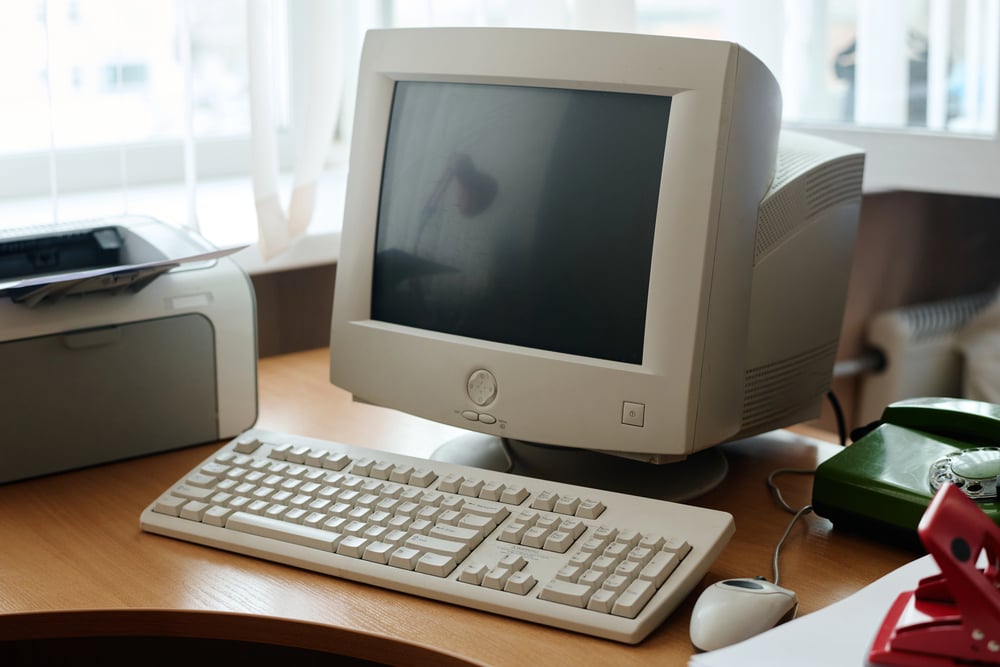
The early internet was quieter than most people now remember it — not a stream of content arriving faster than anyone could process, but a sparse, slightly strange landscape of GeoCities pages, bulletin boards, chat rooms, and slow-loading images that revealed themselves line by line like a photograph developing in a darkroom. You’d visit a page and watch it assemble itself from the top down, pixel row by pixel row, and there was something almost meditative about it — a forced attention that the modern web, which delivers everything before you’ve fully decided you wanted it, never quite replicates.
How Time Worked Differently

There’s something the modem era did to impatience that broadband quietly reversed. Waiting three minutes for a page to load didn’t feel like failure — it felt like the expected cost of doing something genuinely unusual, the way standing in line for a concert feels different from standing in line at the DMV.
The wait was built into the value. Strip the wait out, and something subtle changes in how the thing feels when it arrives.
When Someone Picked Up the Phone

The connection drop was instant, total, and infuriating in a way that no modern internet disruption quite matches. One lifted receiver, one incoming call, one household member who didn’t know or didn’t check — and whatever you’d been building toward, downloading, waiting on, simply vanished.
You learned to close the door. You learned to post a note.
You learned that the internet and the phone were locked in a zero-sum negotiation, and neither was willing to yield.
The Cost of Getting Online

Internet access in the mid-1990s was not cheap by the standards of what it delivered. Early AOL pricing charged by the hour — $2.95 per hour in the early years, with monthly minimums — and families sometimes received bills that genuinely shocked them, run up by teenagers who hadn’t checked the clock or hadn’t understood that the meter was running.
The flat monthly rate felt, when it arrived, less like a business model and more like a rescue.
The Sound as a Generational Marker
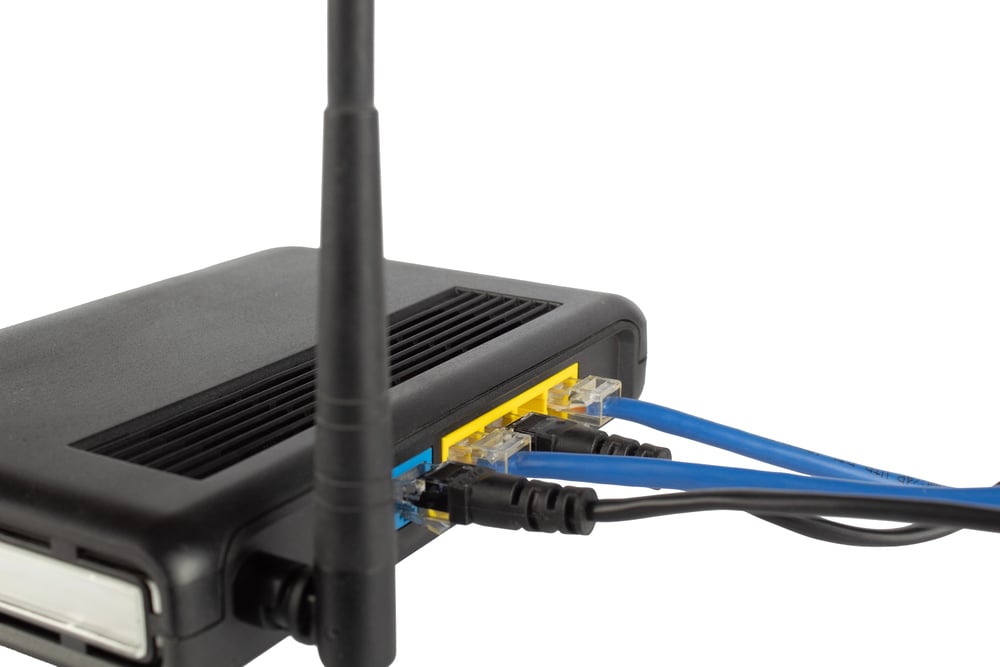
Playing the modem sound to someone who was online before broadband and someone who wasn’t produces a reaction gap that’s almost diagnostic. The first group reacts before the sound finishes — something shifts in the face, or the shoulders, or the breath.
The second group just hears noise. That gap is precisely how a generational marker works: not a fact you know, but a feeling stored in the body, inaccessible through explanation, accessible only through the original stimulus.
Why Nostalgia for It Makes Sense
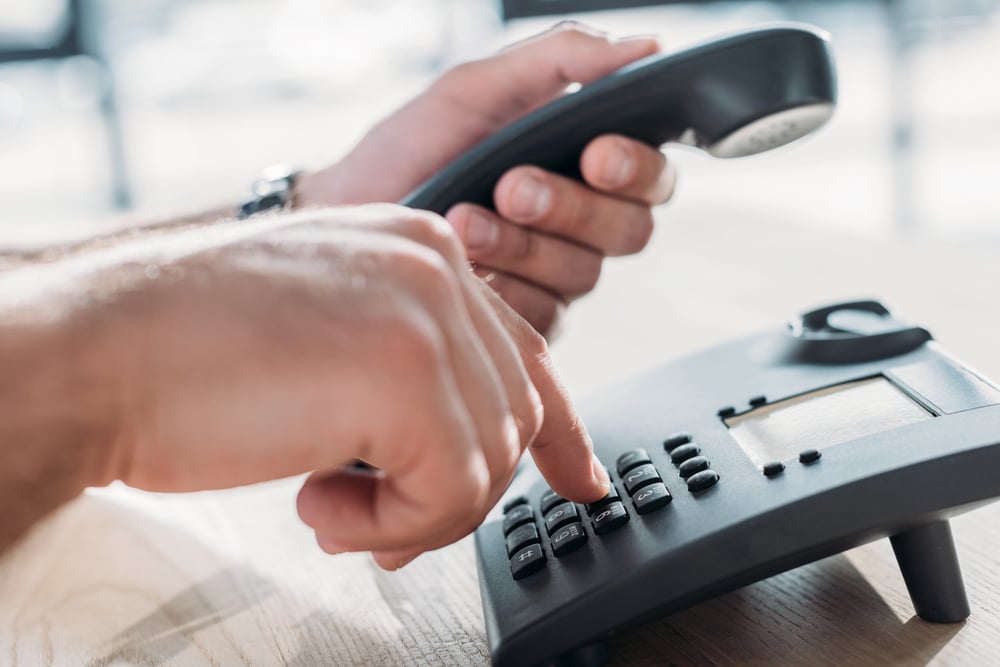
The modem era was objectively worse than what followed — slower, more expensive, more fragile, more exclusive — and yet the nostalgia for it is genuine rather than ironic, which is worth sitting with. What people are missing isn’t technology.
It’s the version of themselves that existed when the internet still felt like discovery rather than obligation, and the modem sound is simply the most reliable available shortcut back to that feeling.
What Happened to Those Sounds

The modem handshake is gone from daily life in a way that makes it a genuinely extinct sound — not archived and obscure, like the song of a bird that no longer nests in your region, but simply absent, replaced by connections that establish themselves silently and instantly. You don’t hear fiber negotiate.
You don’t hear broadband shake hands. The silence is cleaner and the connection is faster and something small but real has been traded away for it.
The Recordings That Keep Circulating
YouTube videos of dial-up modem sounds collect millions of views with a consistency that should probably count as data. The comments are uniformly the same: a timestamp, a year, an age, a one-line account of what someone was doing when that was the sound of their evenings.
People aren’t watching these videos for information. They’re watching them to confirm that the feeling they carry is shared — that the nostalgia isn’t private and strange, but collective and accurate.
When You Still Hear It Unexpectedly

The flashback arrives hardest when the sound appears without warning — in a TV show set in the 1990s, in a YouTube video someone sent you, in an old recording someone’s digitized from a home movie where a computer sits in the background doing its thing. It lands differently than anticipated nostalgia does.
There’s a half-second of pure, unfiltered temporal dislocation before the brain catches up and files it correctly. That half-second is the whole thing.
That’s what all the comments are trying to describe.
Where That Era Fits in the Larger Story

The dial-up period sits at an unusual junction — early enough that the internet still felt like a frontier, late enough that millions of ordinary households were actually on it, which means it’s the shared formative experience of a generation-sized cohort that remembers both the before and the after. That position makes it sticky in ways that purely historical events aren’t.
It’s not something people read about. It’s something they were there for, in specific rooms, at specific desks, listening to that specific sound.
What the Sound Carries Now
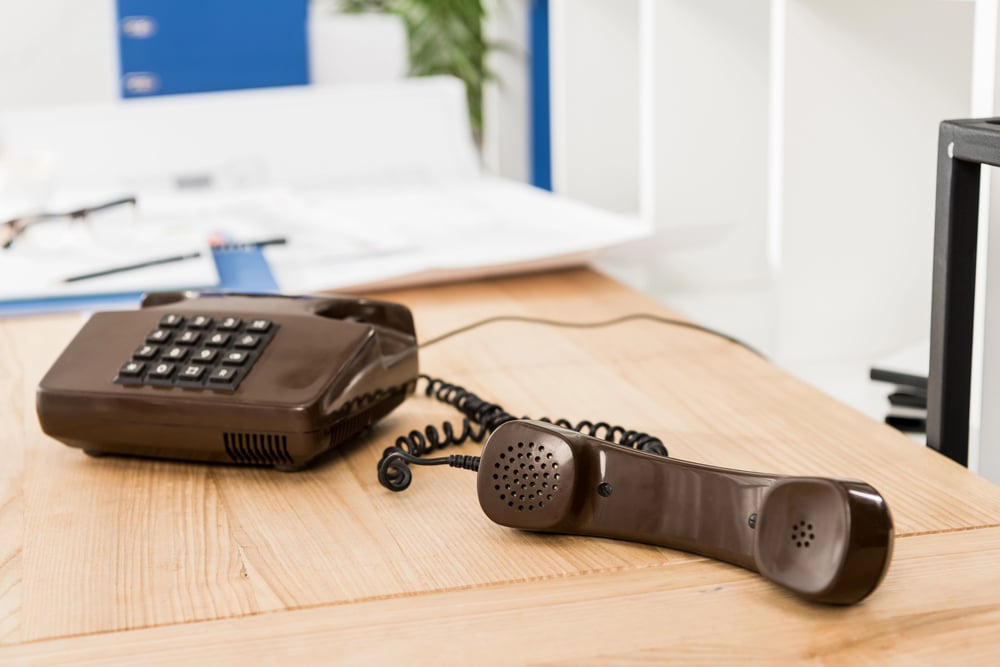
The modem noise has become a time machine disguised as static. It doesn’t just return you to an era — it returns you to a specific kind of attention, a specific quality of anticipation, a specific understanding that what was on the other side of that handshake was genuinely new and genuinely worth waiting for.
That feeling is harder to find now, not because the internet has gotten worse but because it’s everywhere and always on and no longer requires anything from you. The sound is a reminder of when it did.
Still Connecting After All This Time
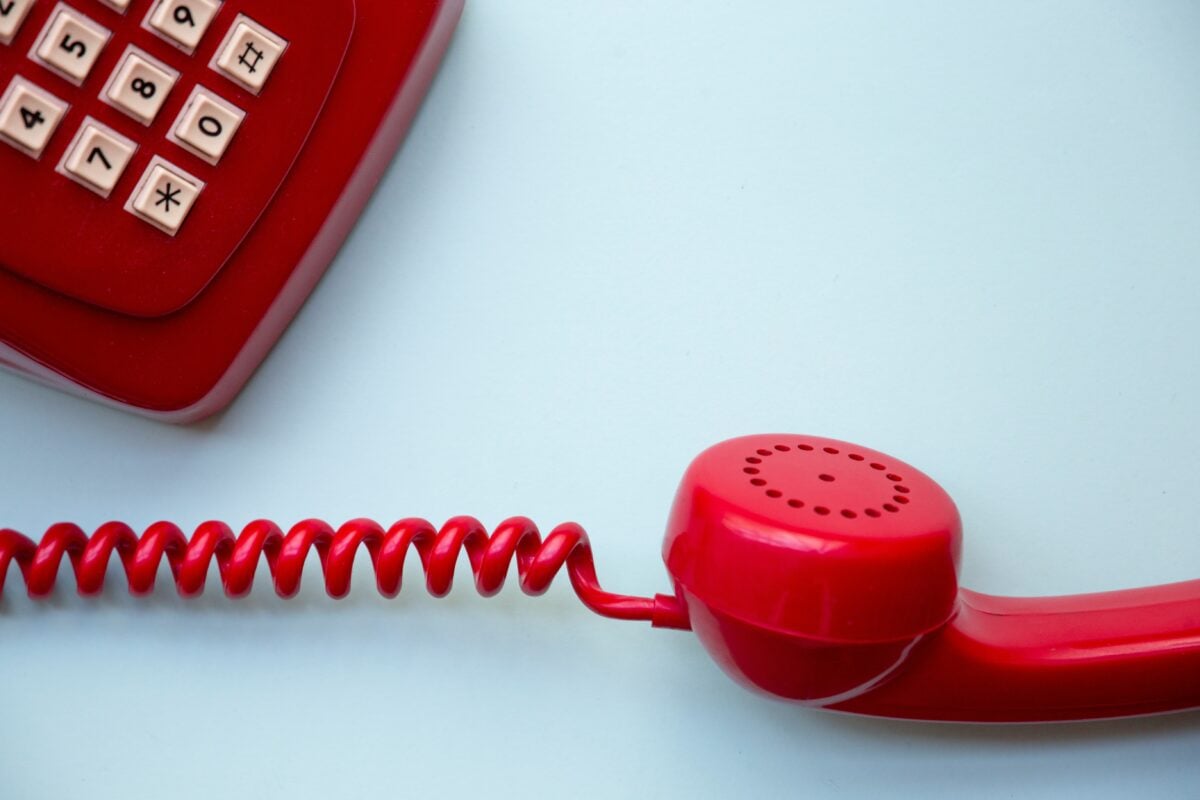
Some things leave a mark not because they were beautiful or important but because they arrived at exactly the right moment — when the world was different enough that showing up to witness it felt like a privilege, and when the ritual of connection still carried the slight electric charge of something that hadn’t been routine long enough to feel ordinary. The modem sound is the artifact of that charge.
Play it for anyone who was there, and watch what happens to their face. The connection still completes.
More from Go2Tutors!

- The Romanov Crown Jewels and Their Tragic Fate
- 13 Historical Mysteries That Science Still Can’t Solve
- Famous Hoaxes That Fooled the World for Years
- 15 Child Stars with Tragic Adult Lives
- 16 Famous Jewelry Pieces in History
Like Go2Tutors’s content? Follow us on MSN.



