Things People Almost Threw Away That Were Worth Surprising Money
The worst mistake in collecting is not the item you fail to purchase—it’s the item you own but don’t recognize as valuable. These stories surface when someone discovers, usually years too late, what they threw away.
A first edition Harry Potter discarded as worthless junk. A hard drive with eight figures worth of Bitcoin buried in a landfill under thousands of tons of waste.
A painting concealing historical documents tossed for next to nothing. These discoveries happen because value isn’t visible to those without knowledge—discarding something worthless is rational until you realize what you discarded was precious.
First Edition Harry Potter and the Philosopher’s Stone
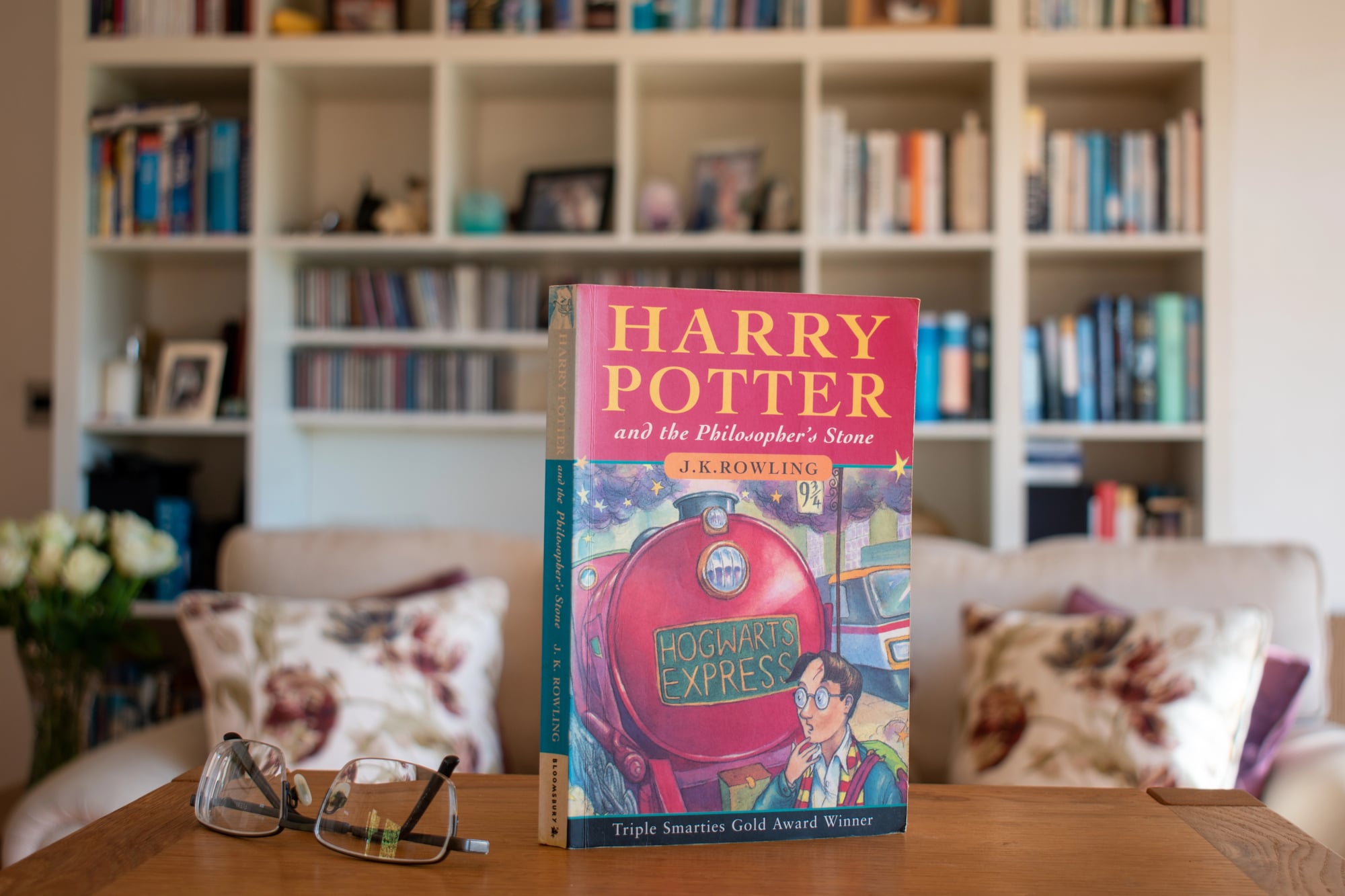
Author J.K. Rowling gave a first edition copy of The Philosopher’s Stone to an interviewer named Nigel Reynolds as a thank-you gift. Reynolds didn’t believe the book had any worth and binned it without hesitation.
Since then, first edition copies have fetched upwards of £50,000 at auction. The one copy Reynolds threw away represents the single most costly mistake in his life.
$4 Painting Hiding the Declaration of Independence
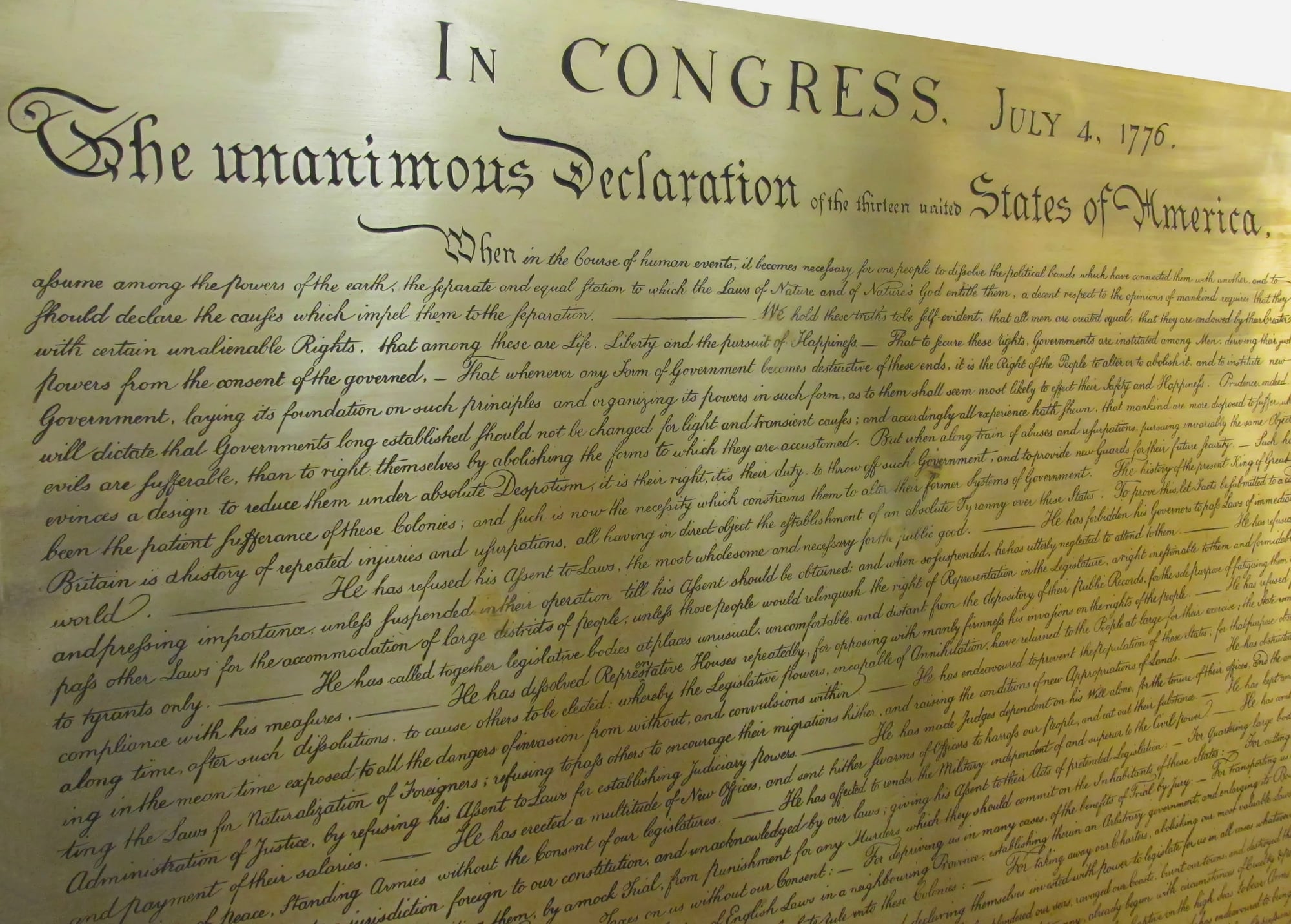
An American collector bought a cheap painting at a yard sale for $4, intending to use the frame. After getting it home, he discovered that a copy of the American Declaration of Independence was attached to the back of the canvas, hidden from casual viewing.
The document alone sold for $2.42 million in 1991, then resold in 2000 for $8.14 million. The painting that concealed it had nearly been discarded.
$1 Million Scratch-Off Lottery Ticket in Trash

In 2005, Kevin Donovan purchased an entire roll of “Hold ’em Poker” scratch-off lottery tickets and then threw them away into a convenience store dumpster. An 82-year-old man named Edward St. John, digging through trash as he regularly did, discovered one ticket worth $1 million and attempted to claim the prize.
After his discovery, the original purchaser’s family sued for their winnings.
$5 Million in Diamonds in Wooden Boxes

Employees at a New York jewelry store threw out three beaten-up wooden boxes while helping their boss move to a new floor. A building security guard discovered the boxes contained $5 million in diamonds.
He sold several of them to another store in the same building, making a discovery that changed a discarded mistake into extraordinary fortune.
$22,000 in U.S. Savings Bonds Mixed in Scrap Metal

A worker at a Burlington, Kentucky recycling facility was sorting through a barrel of scrap metal when he spotted what he initially thought was nothing significant. Closer examination revealed U.S. savings bonds worth $22,000.
Someone had thrown away the bonds without understanding their value.
Bitcoin Hard Drive Worth Tens of Millions in a Landfill

James Howells threw away a hard drive containing his Bitcoin private keys—the digital currency equivalent of tossing millions into the garbage. By the time he realized his mistake, the hard drive sat buried under 25,000 cubic meters of waste and earth at a Newport, Wales landfill.
Years later, when Bitcoin appreciated substantially, the forgotten drive contained bitcoins worth an estimated $80 million. Howells has spent years trying to retrieve it from the landfill.
Churchill’s Top Hat and Cigars with Correspondence

Someone threw away a collection containing Winston Churchill’s top hat and cigars, apparently understanding neither the item’s historical significance nor the value of the 200 accompanying letters from Churchill’s personal cook. The collection was discovered, authenticated, and valued substantially for its historical documentation and provenance.
The original owner had apparently not recognized what they were discarding.
Staffordshire Hoard Discovered and Nearly Lost
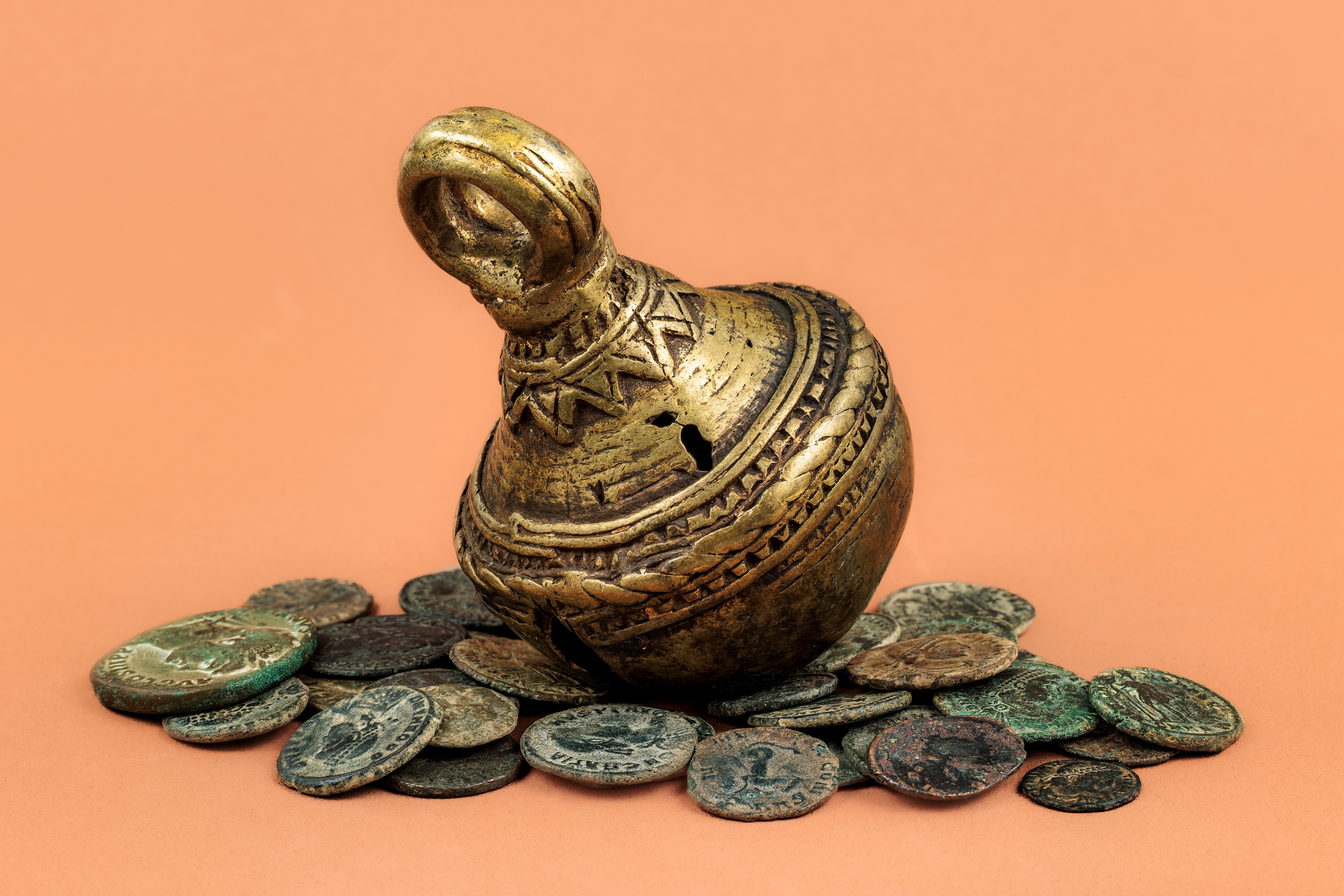
Metalwork treasure worth millions was discovered in a field but came perilously close to being discarded or treated as scrap metal before experts recognized its significance. When two museums pooled resources to purchase the hoard, the finders each walked away with more than $2 million in cash—money that would never have existed had the items reached actual scrap metal recycling.
Vintage Designer Clothing from Luxury Brands
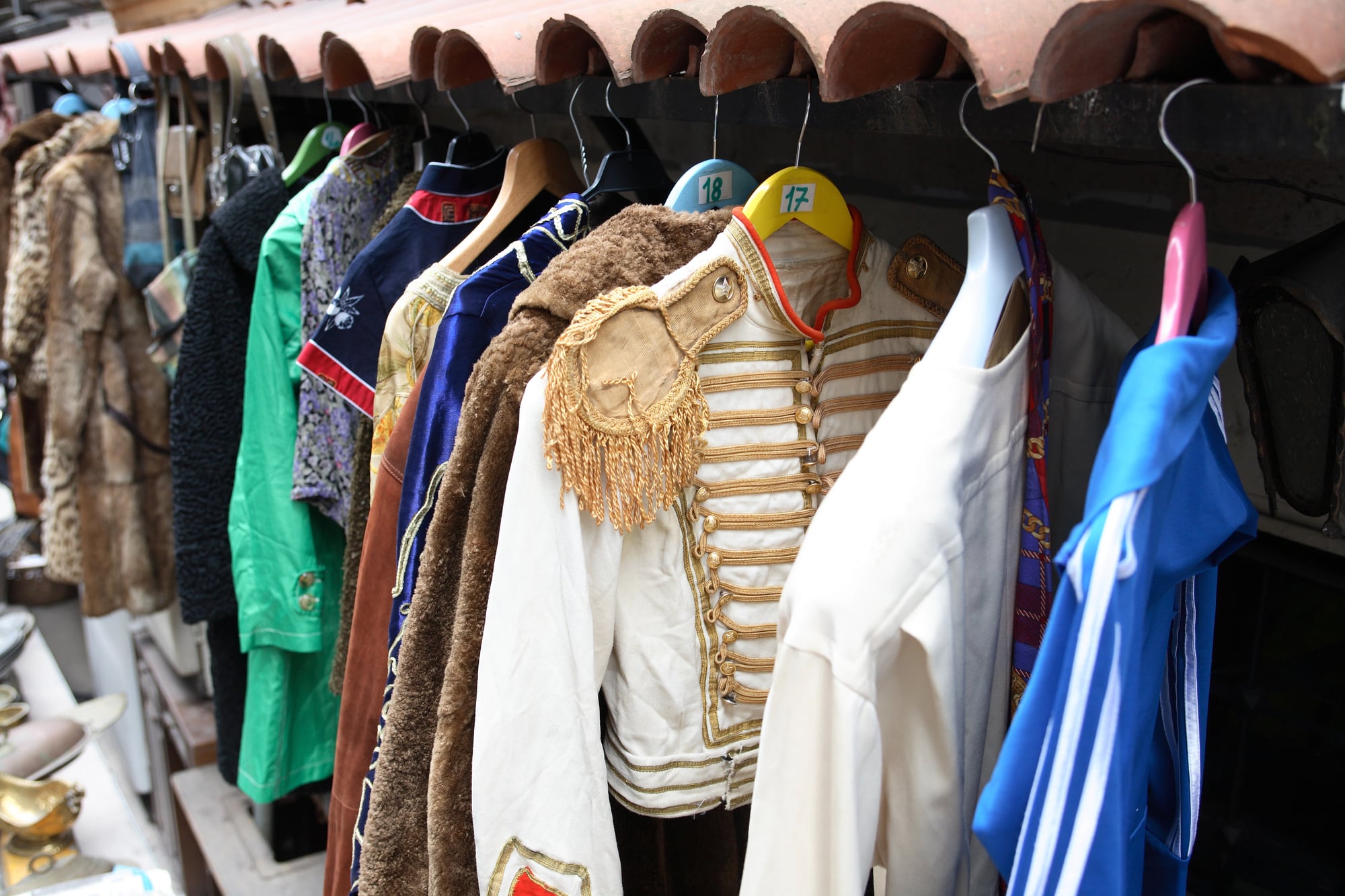
Discarded garments from high-end fashion brands like Chanel, Gucci, and Versace regularly end up in trash and donation bins, only to be discovered by those with knowledge of designer fashion history. Elegant evening gowns and tailored suits from these makers, thrown away during cleanouts, sometimes resurface with substantial resale value.
Antique Furniture Left on Curbs for Pickup

Discarded furniture with intricate craftsmanship and unique design sometimes sits on the curb awaiting garbage pickup, only to be rescued by collectors and interior design enthusiasts. These pieces, abandoned because the previous owners didn’t recognize their value, become highly sought-after items worth hundreds or thousands of dollars.
1979 Mickey Mouse Pez Dispenser as Prototype
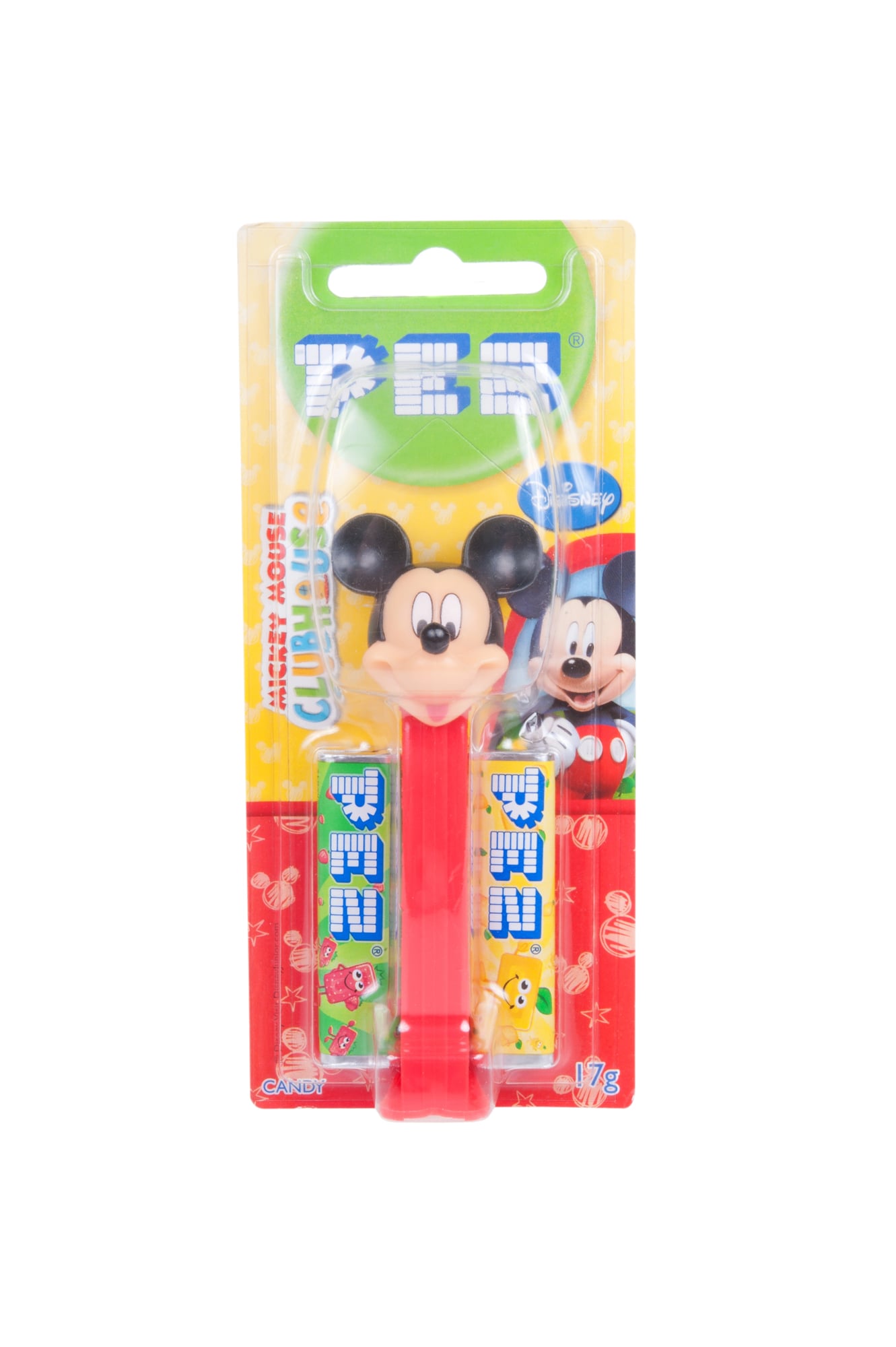
A single prototype 1979 Mickey Mouse Pez dispenser, thought to be the only one ever made, ended up nearly being discarded as children’s junk before collectors recognized its rarity. The piece later sold for $7,000, representing the value of specialized collector knowledge that most people lack.
Historic Magazines and Newspapers About Major Events
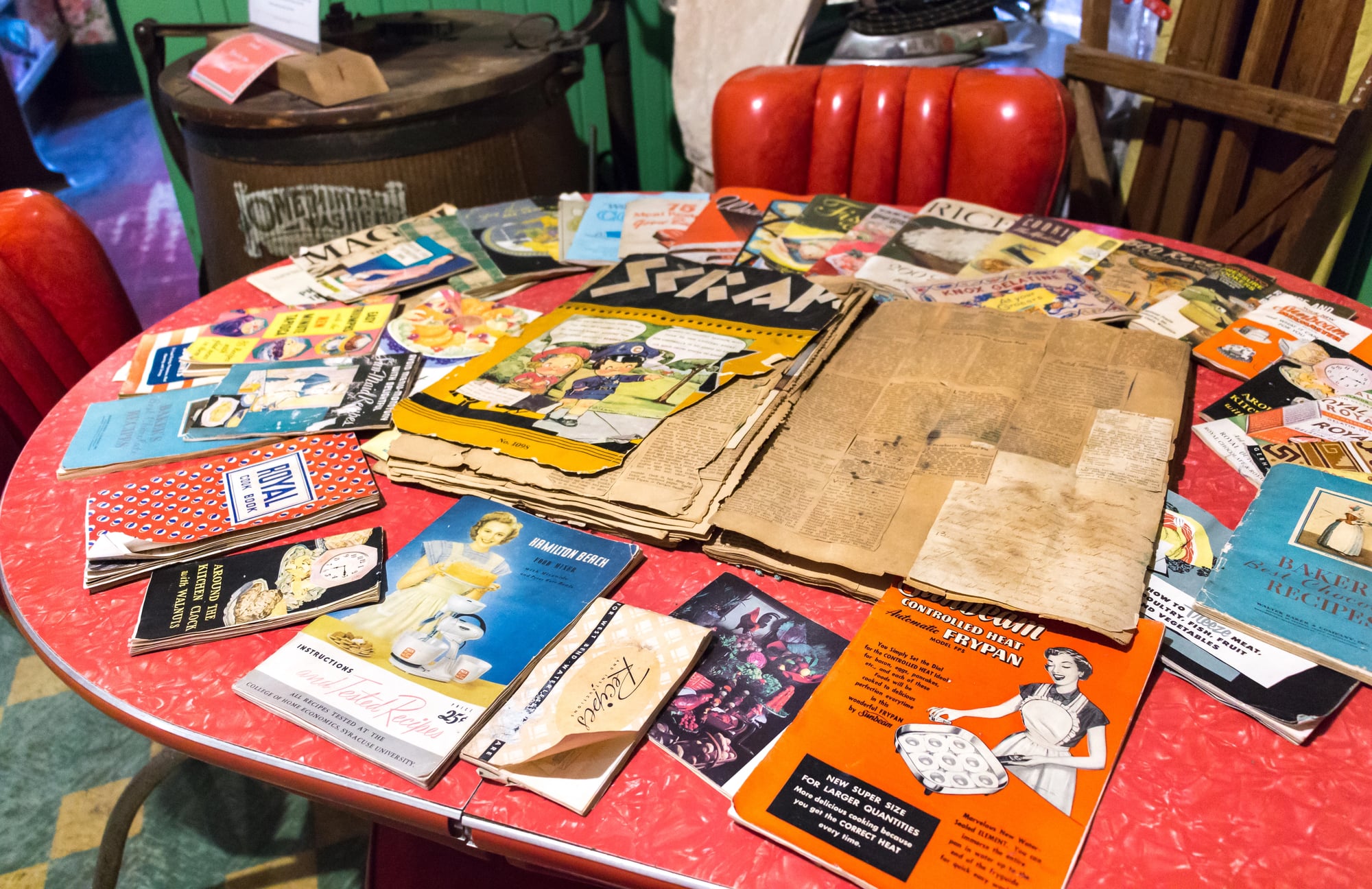
Issues of TIME magazine or local newspapers covering major historical events—moon landings, royal weddings, significant disasters—are regularly thrown away without recognition of their historical value. Issues tied to historic moments fetch $10 to $100 each or more, yet most are discarded as recyclable paper.
Old Designer Perfume Bottles with Original Caps

Ornate vintage perfume bottles from brands like Chanel and Dior are discarded as decorative trash, despite being collectible items worth hundreds of dollars. Condition critically matters—original caps and clean glass bottles command premium prices—yet most are tossed without recognition of their value.
Collections of Retro Pyrex and Tupperware
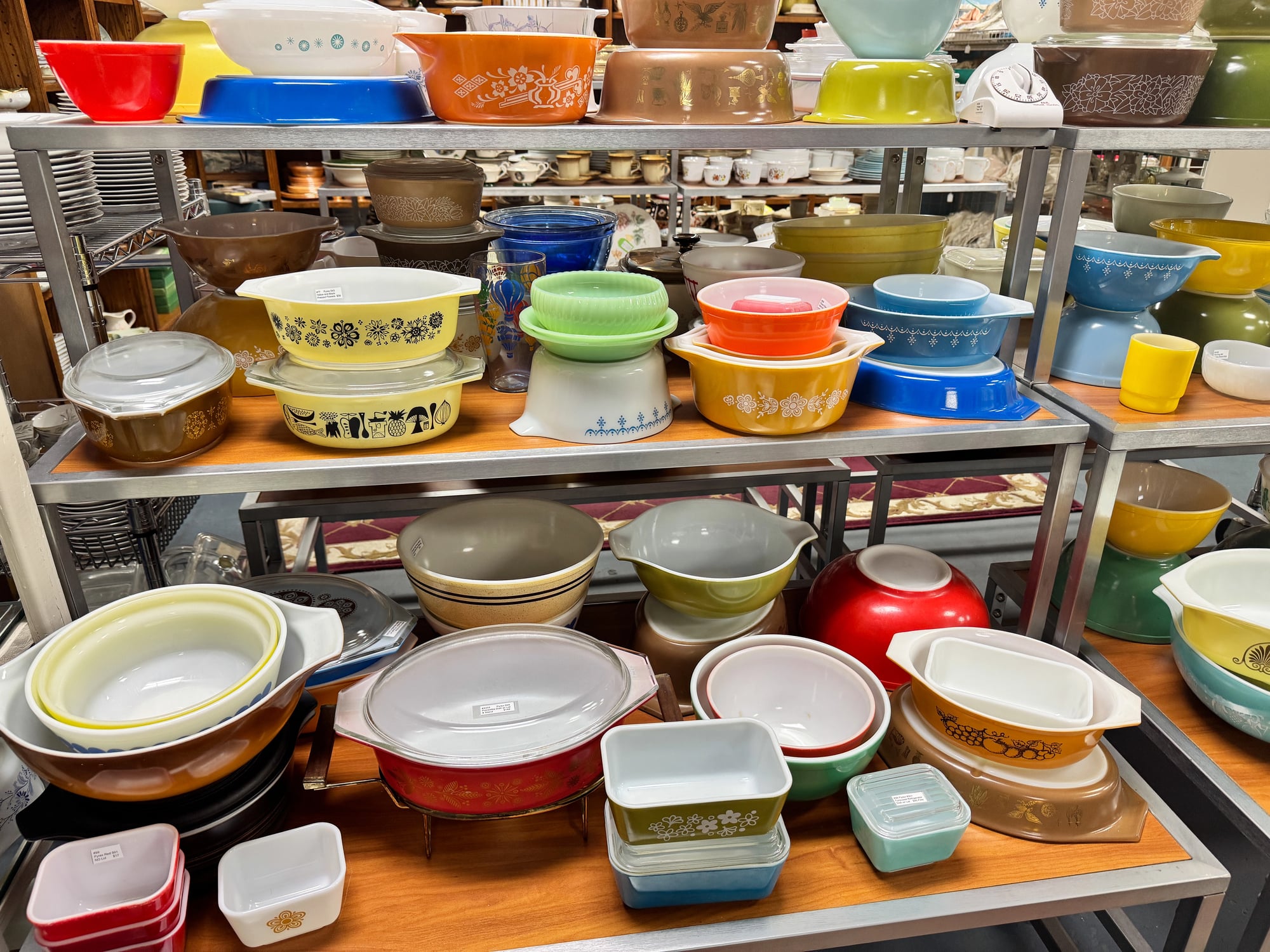
Pastel Pyrex bowls and Tupperware sets from the 1960s through 1980s are regularly discarded during home cleanouts, often going to landfills rather than resale channels. Collectors pay $50 to $300 for prime pieces in rare patterns and discontinued colors.
A discarded set might represent hundreds of dollars in value.
Vintage Coins and Currency in Jars and Drawers

Americans accidentally throw away more than $60 million in coins each year, according to waste management estimates. Beyond loose change, old bills and rare coins hidden in drawers, jars, or with estate items often get discarded without any attempt at identification or appraisal.
Pre-1920 silver coins alone represent material value beyond face value.
Collections of Valuable Stamps and Stamp Sets
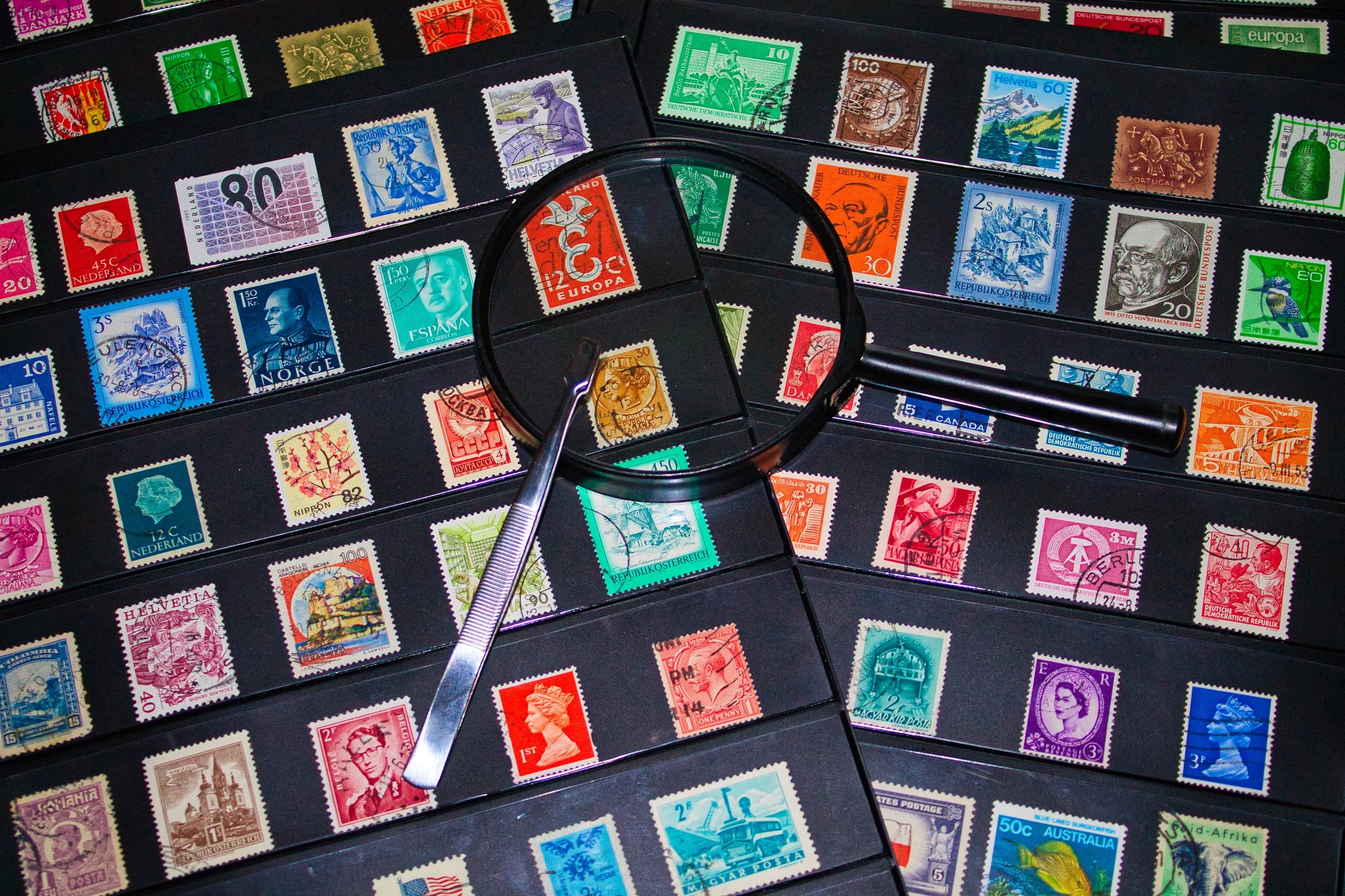
Stamp collections and individual stamps from specific eras, particularly those showing rare printing variations or historical significance, are routinely discarded. Philatelists actively search for collections that previous owners treated as worthless childhood hobbies.
First Edition Books and Literary Classics

Discarded books regularly end up at landfills or in donation bins without identification of rarity or first-edition status. Valuable first editions, signed copies, or rare literary classics worth $100 to $10,000 or more often get transported to waste sites rather than evaluated for resale.
Vintage Photographs and Postcards with Historical Value

The world’s oldest postcard sold for £31,750 (equivalent to £52,000 in modern currency) in 2002 after being discovered, yet similar items are routinely discarded. Photographs from specific eras, particularly those showing historical moments or locations, attract collectors willing to pay substantially for authenticity and condition.
Abandoned Vintage Automobiles in Barns and Garages

Classic cars—ranging from iconic muscle cars to elegant vintage roadsters—have been discovered in barns and garages, deteriorated and abandoned until discovery. These vehicles, worth tens of thousands to collectors, were often discarded or forgotten without recognition of their value.
Why Discarded Value Remains Invisible
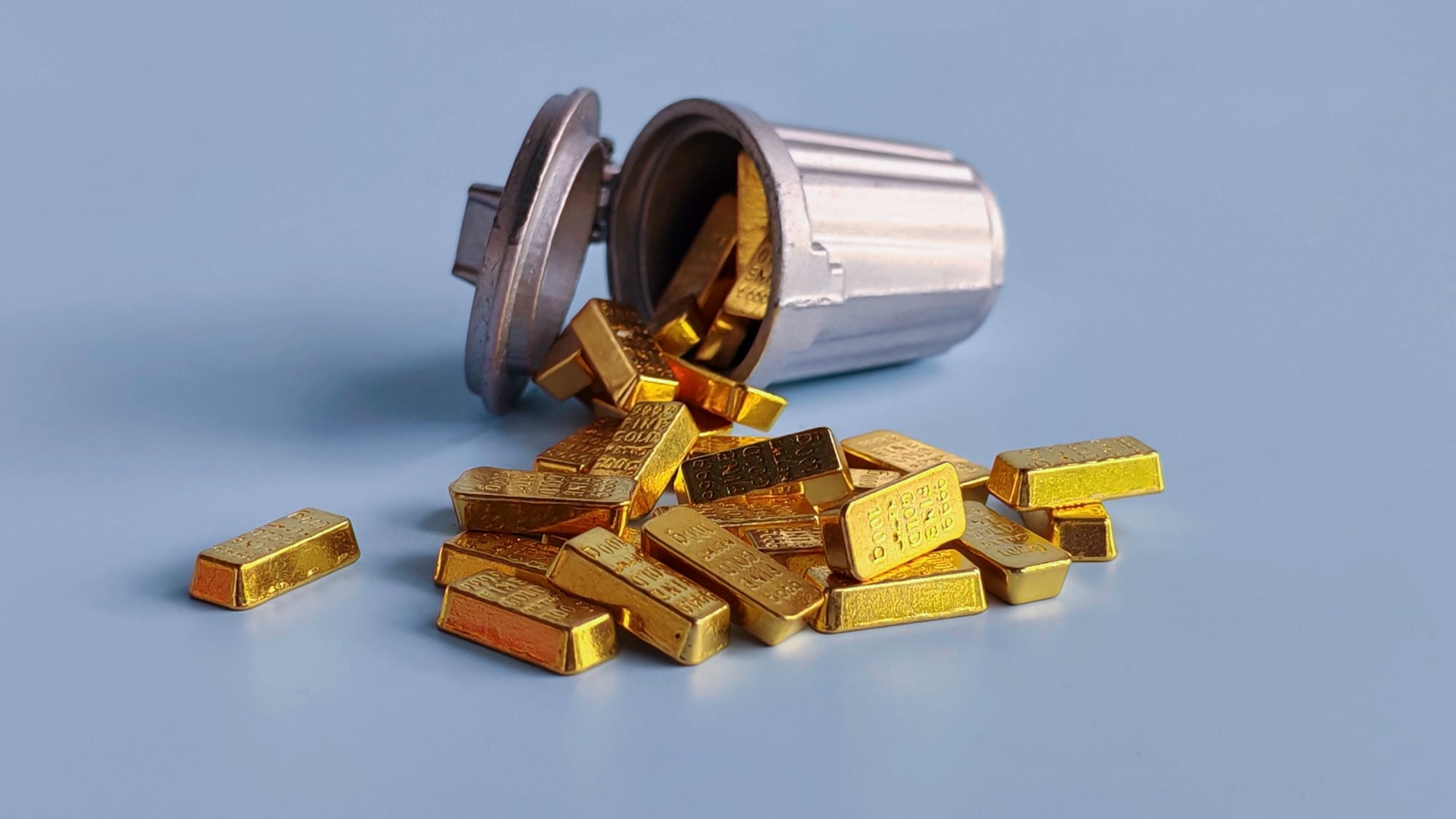
The common thread connecting these stories is simple: value remains invisible to those without specialized knowledge. Throwing away something worthless is rational.
The tragedy occurs when you discard something precious without understanding what you’re discarding. These stories surface because rarity meets ignorance—people owning valuable items without recognizing value, making disposal decisions that cost millions in forgotten treasure.
The lesson isn’t that everything holds value—it’s that sufficiently rare items will eventually attract collectors willing to pay substantially, if only they’re preserved long enough to find them.
More from Go2Tutors!

- The Romanov Crown Jewels and Their Tragic Fate
- 13 Historical Mysteries That Science Still Can’t Solve
- Famous Hoaxes That Fooled the World for Years
- 15 Child Stars with Tragic Adult Lives
- 16 Famous Jewelry Pieces in History
Like Go2Tutors’s content? Follow us on MSN.