TV Catchphrases That Became Everyday Language
You hear them at work, in text messages, and across dinner tables. Somewhere between the laugh tracks and commercial breaks, certain TV catchphrases slipped into our daily conversations and never left.
They started as scripted lines meant for fictional characters, but they resonated so deeply that millions of people adopted them as their own. Some catchphrases capture a feeling perfectly when regular words fall short.
Others just sound fun to say. Either way, these phrases prove that television doesn’t just entertain—it shapes the way we talk to each other.
“D’oh!” Changed How We Express Frustration
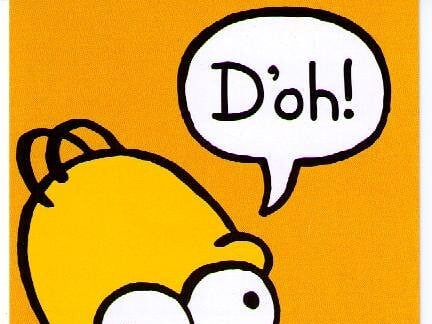
Homer Simpson’s signature groan of frustration became so universal that it earned a place in the Oxford English Dictionary in 2001. Before The Simpsons, people stubbed their toes and cursed.
Now they just say “D’oh!” and everyone understands exactly what happened. The beauty of this catchphrase lies in its simplicity.
One syllable conveys disappointment, annoyance, and self-reproach all at once. You can mutter under your breath at work when you realize you forgot an attachment on an email.
Your kids can yell it when they miss a basketball shot. The phrase works in almost any situation where things don’t go as planned.
Dan Castellaneta, Homer’s voice actor, created the sound by shortening James Finlayson’s “D’ooooh!” from old Laurel and Hardy films. The modification made it snappier and more versatile.
Today, even people who rarely watch The Simpsons use the phrase regularly.
“How You Doin’?” Became the Universal Pickup Line
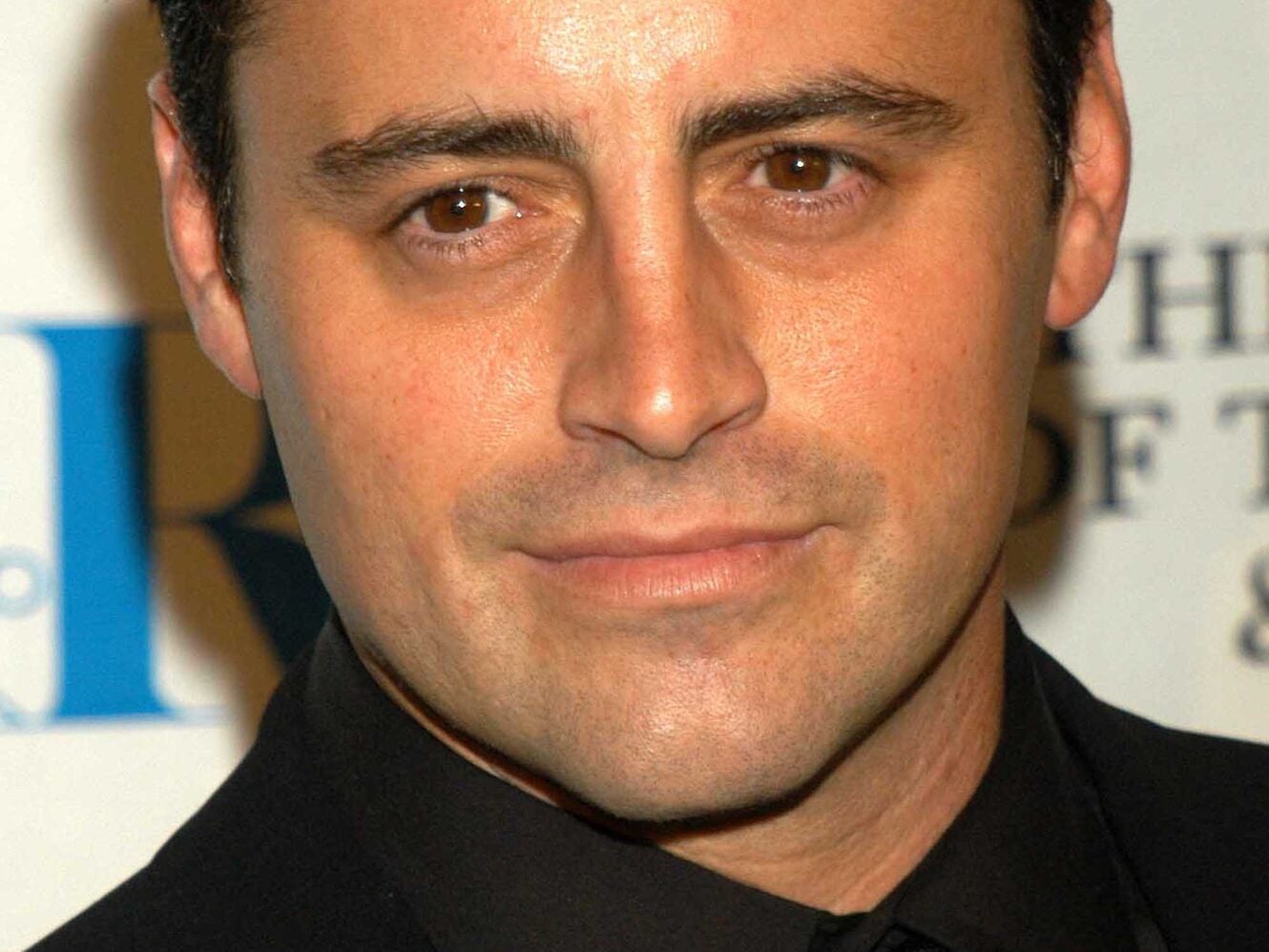
Joey Tribbiani turned a simple greeting into one of television’s most recognized flirtation techniques. Friends aired its final episode in 2004, but people still lean against doorframes and deliver this line with Joey’s exact intonation and eyebrow raise.
The phrase works because it transforms a casual question into something loaded with confidence and charm. Regular people use it ironically now, acknowledging that they’re channeling Joey while also genuinely trying to break the ice.
The self-aware humor makes it less aggressive than a direct compliment. Matt LeBlanc reportedly improvised the catchphrase during rehearsals, and the writers loved it so much they wrote it into multiple episodes.
The delivery matters as much as the words themselves. Say it flat and you’re just asking about someone’s day.
Add the Joey inflection and you’re making a move.
“Yada Yada Yada” Fills In the Boring Parts
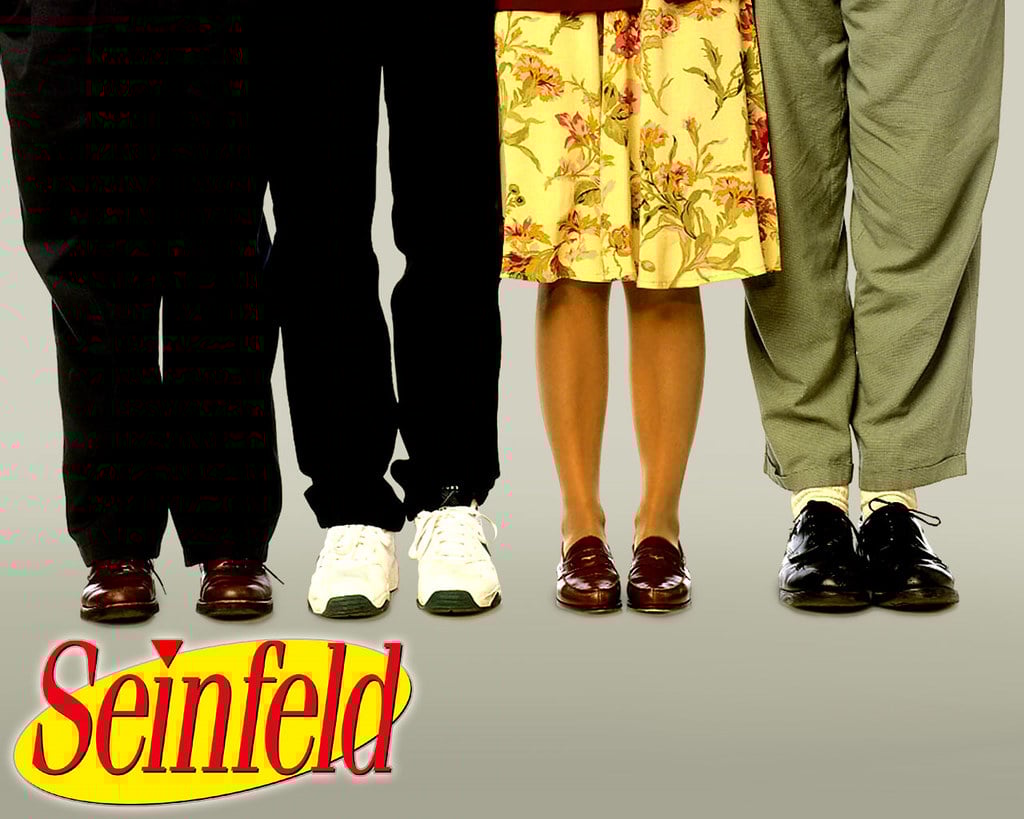
Seinfeld gave us a phrase that perfectly captures our collective impatience with unnecessary details. When someone launches into a long story about their weekend and you want them to get to the point, “yada yada yada” does the work of saying “skip the boring parts” without being rude about it.
The episode that introduced the phrase aired in 1997, and by the next year, people were using it in everyday conversation. It serves as verbal shorthand, a way to acknowledge that some details exist without actually going through them all.
George Costanza’s girlfriend used the phrase to gloss over important information, which created the episode’s entire plot. In real life, people use it more honestly—to skip over genuinely mundane details rather than hide scandalous secrets.
Though sometimes you do wonder what someone’s “yada yada” is concealing.
“That’s What She Said” Turned Innocent Statements Into Jokes

The Office took an old joke format and made it a cultural phenomenon through Michael Scott’s relentless use of the phrase. Any vaguely suggestive statement could be followed by “that’s what she said,” and suddenly everyone was analyzing their word choices to avoid giving Michael ammunition.
The phrase existed long before The Office, but the show brought it into mainstream conversation. Steve Carell’s delivery—often awkward and poorly timed—made the joke funny even when the setup didn’t quite work.
People started using it at their real offices, usually to lighten tense moments or poke fun at accidental double entendres. The beauty of this catchphrase is its adaptability.
You can whisper it to a friend when a teacher says something unintentionally funny. You can text it to your spouse when they mention something being “harder than expected.”
The phrase creates instant comedy from everyday language.
“Suit Up!” Made Getting Dressed Sound Epic
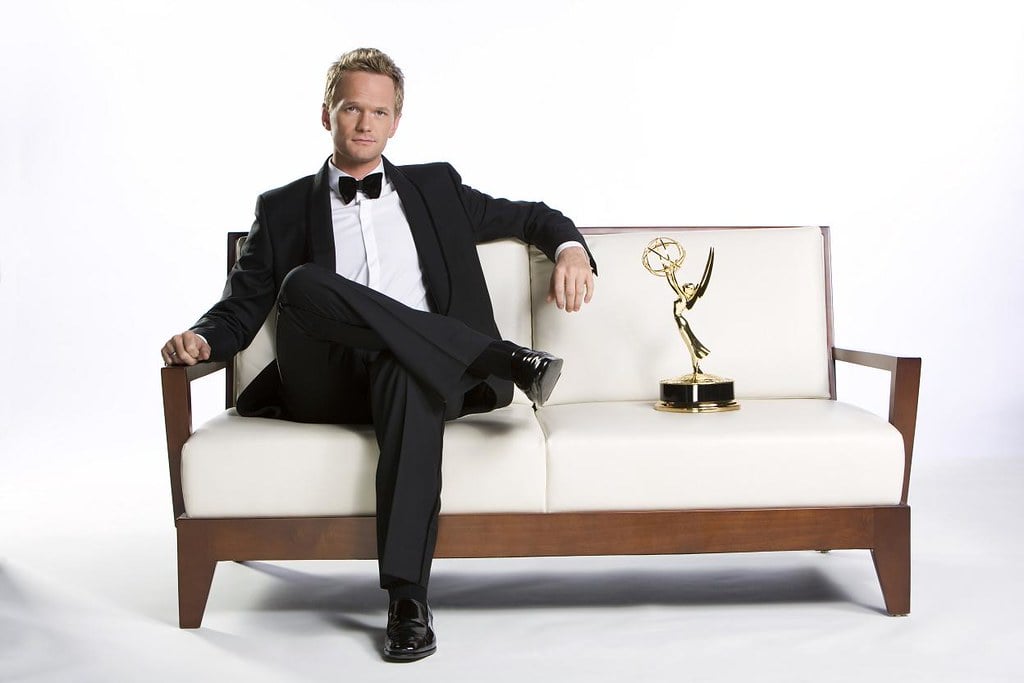
Barney Stinson from How I Met Your Mother turned putting on a suit into a battle cry. The phrase suggests that wearing formal attire isn’t just about looking professional—it’s about preparing for something important.
Before a big presentation, a friend might text you “suit up!” and you know they’re telling you to bring your A-game. Neil Patrick Harris delivered the line with such enthusiasm that it made suits seem essential for any occasion.
Going to a wedding? Suit up. Job interview? Suit up. The phrase implies that you’re not just getting dressed; you’re putting on armor for whatever challenges the day brings.
The catchphrase also became shorthand for any kind of preparation. People use it when getting ready for workouts, tough conversations, or even just facing Monday mornings.
The literal meaning of putting on a suit matters less than the attitude it represents.
“Bazinga!” Announced Pranks and Gotcha Moments
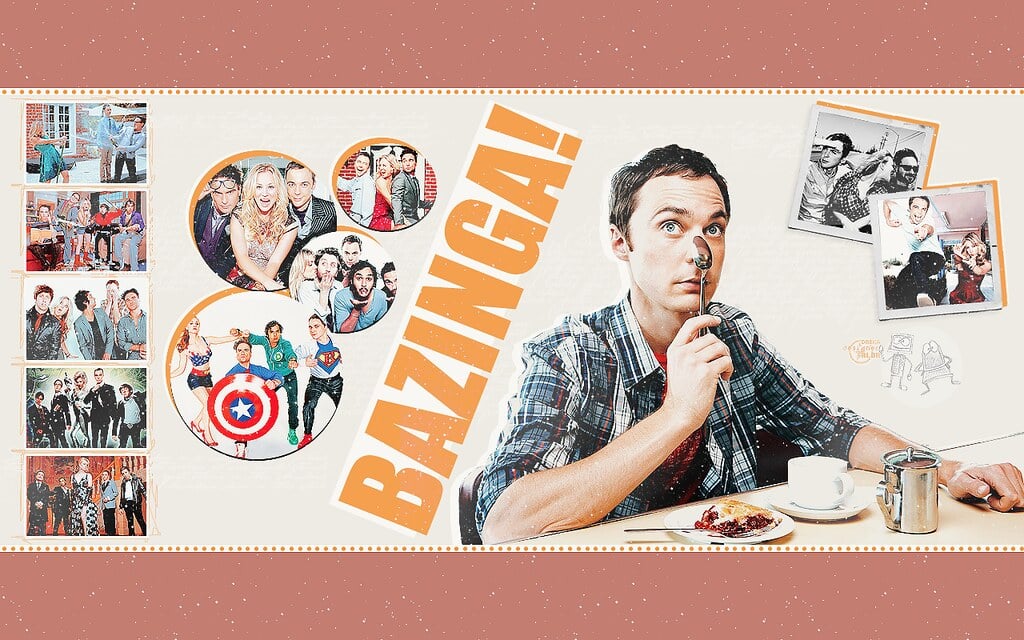
Sheldon Cooper from The Big Bang Theory created his own catchphrase to mark successful pranks and jokes. The word itself has no real meaning—Sheldon just needed something to signal “I got you” after his elaborate setups.
The made-up quality of “bazinga” is part of its charm. Jim Parsons said he never expected the catchphrase to catch on, but viewers started using it whenever they pranked their friends or delivered a good zinger in an argument.
The word appeared on t-shirts, coffee mugs, and countless social media posts. For a while, it seemed like everyone was adding “bazinga” to the end of their jokes.
The phrase eventually became a shorthand for nerdy humor in general. When someone makes a particularly clever or science-based joke, “bazinga” works as appreciation and acknowledgment.
It creates an instant connection among fans of the show while also being accessible enough for casual viewers to understand.
“Winter Is Coming” Warned of Trouble Ahead

Game of Thrones turned the Stark family motto into a phrase people use whenever they sense something bad on the horizon. The literal meaning refers to the long winters in Westeros, but in everyday conversation, it works for any approaching difficulty.
Your boss schedules a surprise meeting for Monday morning? Winter is coming. The phrase carries weight because it suggests preparation and vigilance.
House Stark knew winter would eventually arrive, even when everyone else enjoyed summer. Similarly, when people use the catchphrase today, they’re acknowledging reality while encouraging readiness.
Sean Bean’s delivery in the first season gave the words a gravitas that stuck with viewers. The phrase became particularly popular on social media when actual winter approached each year, with people posting “winter is coming” alongside photos of falling leaves and temperature drops.
Weather forecasters occasionally slip it into their broadcasts when cold fronts move in.
“I Know Nothing!” Claimed Ignorance Perfectly
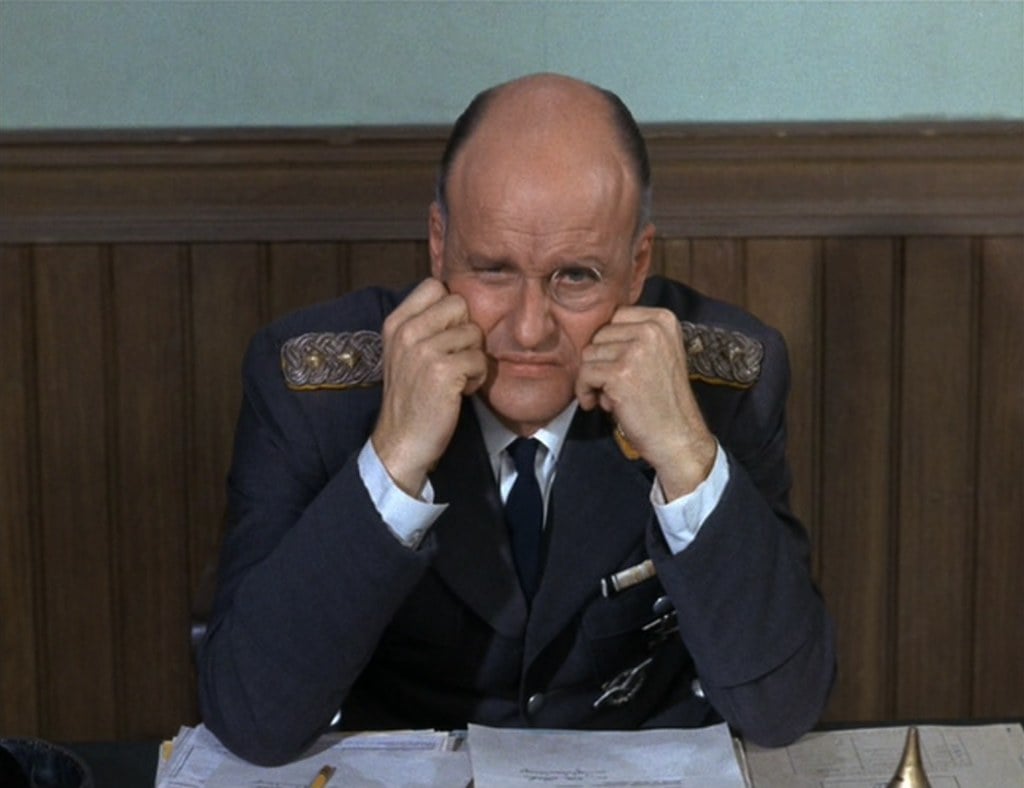
Colonel Klink’s bumbling prisoner Sergeant Schultz from Hogan’s Heroes popularized this phrase in the 1960s, but it remains relevant today. Whenever someone gets questioned about something they’d rather not discuss, “I know nothing!” offers a humorous way out.
John Banner’s thick accent and exasperated delivery made the line memorable. Schultz used it whenever he witnessed the prisoners’ schemes, choosing plausible deniability over confrontation.
Modern audiences apply the same logic when they see drama unfolding among friends or coworkers. The phrase works because it acknowledges that you probably do know something, but you’re choosing to stay out of it.
The exaggeration makes it funny rather than dishonest. Parents hear “I know nothing!” teenagers asked about missing cookies.
Coworkers exchange knowing glances when someone deploys it during office politics discussions.
“Did I Do That?” Became the Ultimate Apology
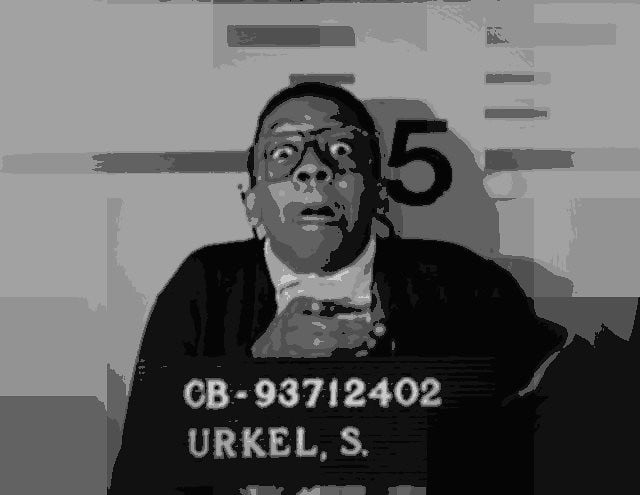
Steve Urkel’s high-pitched catchphrase from Family Matters turned accidental destruction into something almost endearing. Jaleel White’s character would knock over furniture, break windows, or cause minor disasters, then turn to the camera with wide eyes and ask, “Did I do that?”
The phrase caught on because it perfectly captures that moment of realization when you’ve messed something up. You knock over a display at the grocery store, and the urge to channel your inner Urkel becomes irresistible.
The catchphrase adds levity to embarrassing situations that might otherwise feel mortifying. People use it ironically now, often when the answer is obviously yes.
Your cat knocks a glass off the counter, and you can’t help but say “did I do that?” in Urkel’s voice. The phrase has transcended its original context to become shorthand for any minor catastrophe caused by clumsiness or carelessness.
“Come On Down!” Invited Everyone to Participate
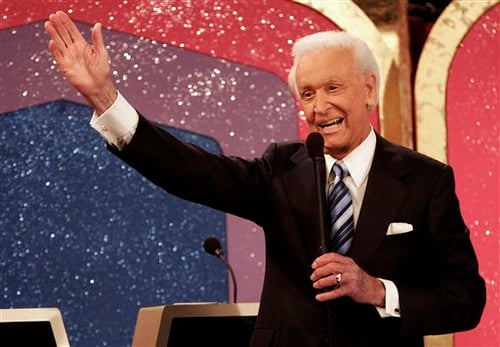
Bob Barker’s enthusiastic invitation to contestants on The Price Is Right created one of television’s most energizing catchphrases. The announcer’s booming voice calling someone’s name, followed by “come on down!” promised excitement and possibility.
Drew Carey continued the tradition when he took over as host. The phrase works outside the context of game shows too.
When you want to invite someone to join a group or participate in an activity, “come on down!” adds enthusiasm to the invitation. Party hosts use it. Event organizers throw it into promotional materials.
The exclamation marks feel built into the phrase itself. Teachers use it to call students to the board.
Sports teams deploy it for pep rallies. The catchphrase carries an energy that makes participation feel less like an obligation and more like an opportunity.
Nobody feels nervous about something when they’ve been told to “come on down!”
“Book ‘Em, Danno” Closed the Case
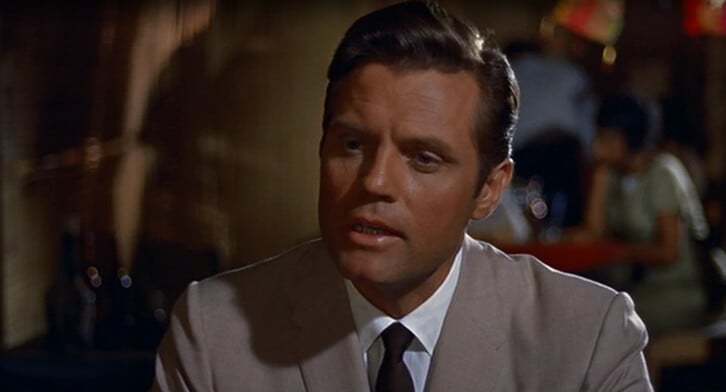
Jack Lord’s Steve McGarrett ended many Hawaii Five-O episodes with this instruction to his partner Danny Williams. The phrase represented justice served and another criminal caught.
But it also gave people a satisfying way to declare any task complete. The rhythm of “book ’em, Danno” makes it fun to say.
The casual nickname combined with official police language creates an interesting contrast. People started using it whenever they finished something difficult or caught someone doing something wrong.
Parents say it when their kids get caught sneaking cookies. Managers use it in emails about completed projects.
The phrase signals that the matter is settled and it’s time to move forward. The casual confidence in the original delivery translates well to everyday situations that have nothing to do with crime solving.
“You Got It, Dude!” Agreed With Maximum Enthusiasm
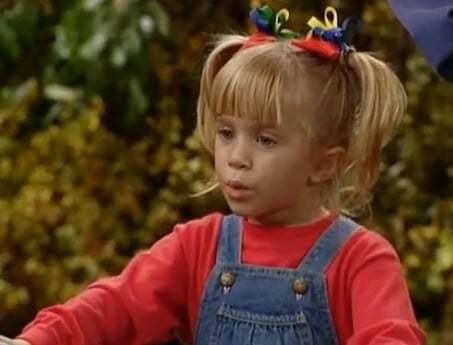
Michelle Tanner’s catchphrase from Full House became the ultimate affirmative response. The Olsen twins delivered it with such enthusiasm that regular confirmations like “yes” or “okay” seemed boring by comparison.
When someone asks if you can help them move furniture this weekend, “you got it, dude!” sounds so much more committed than a simple agreement. The phrase peaked in the late 1980s and early 1990s, but it never completely disappeared from conversation.
People dust it off when they want to add personality to their agreement. The “dude” at the end makes it casual and friendly, even when you’re agreeing to something you don’t particularly want to do.
Service workers use it with customers. Friends deploy it in text messages. The catchphrase transforms a basic affirmation into something that suggests genuine willingness to help.
Three words convey enthusiasm, agreement, and a positive attitude all at once.
“No Soup for You!” Denied Requests Memorably

Out of nowhere, a cranky cook on a TV show started yelling about soup. If someone didn’t follow his rules, his finger went up, and out came the words: “No soup for you!”
He wasn’t joking around, yet people laughed anyway. That line slipped into everyday talk, popping up when someone got shut down – but in a way that felt more silly than harsh.
When children request sweets before eating their meal, adults bring it up. If a buddy asks to take something they’ve taken often, pals slip it into conversation.
This nod turns a no into laughter instead of tension. It’s clear you aren’t angry – just playing a role from that old show about strict soup service.
Even though Larry Thomas showed up in just a few episodes, his moment stuck around way longer than anyone expected. That line pops up now in online jokes and replies across platforms.
At shows, fans shout it out loud if someone asks for a track from years ago. It lands well since the silliness takes the edge off hearing a refusal.
Words Moving Past Their Shows

Still around today, these lines work by squeezing feeling, jokes, and common ground into tiny packages. Skip ahead without explaining – just mutter “yada yada yada.”
A sharp “D’oh!” escapes, suddenly, every person nearby feels that self-made frustration. What sticks isn’t fancy wording but moments caught in syllables.
What sticks around often comes from TV’s habit of repeating lines until they stick. Not every show plants phrases into everyday talk – some do it better than others.
Even if someone has never seen a single episode of The Office, chances are they’ve heard that one joke people love twisting. Moments like those slip out of episodes and land right in conversations at dinner tables, schools, even workplaces.
A line meant for laughs can grow bigger than the character who said it. Time stretches meaning thin sometimes.
One throwaway remark turns into something everyone borrows without thinking. Out of nowhere, speech shifts thanks to odd twists.
Lines meant for one role get spoken just right on screen – then everyone starts copying them. Some stay not by accident but because they fit where words were missing.
Others catch on by giving dull talk a sharper edge. Picture this: when you toss out lines people recognize, you’re echoing words born in some cramped office where writers scribbled ideas on napkins.
Each phrase traveled far – slipped through screens into homes across towns and time zones. Not mere dialogue.
Proof shows TV does more than mirror life – it nudges how we speak, think, act, one repeatable moment at a time.
More from Go2Tutors!

- The Romanov Crown Jewels and Their Tragic Fate
- 13 Historical Mysteries That Science Still Can’t Solve
- Famous Hoaxes That Fooled the World for Years
- 15 Child Stars with Tragic Adult Lives
- 16 Famous Jewelry Pieces in History
Like Go2Tutors’s content? Follow us on MSN.



