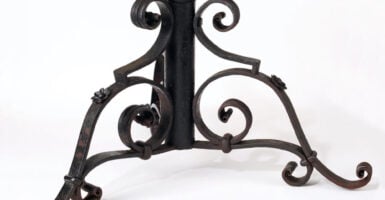
Vintage Christmas Tree Stands With Original Mechanical Features
Some Christmas tree stands did more than hold a trunk upright. Mid-century models turned, played music, or powered lights through gears and small motors tucked into the base.
Collectors prize them for those moving parts, and repairers know how delicate those parts can be. These are the features that make the stands distinctive.
The Spincraft Heirloom Rotating Musical Stand
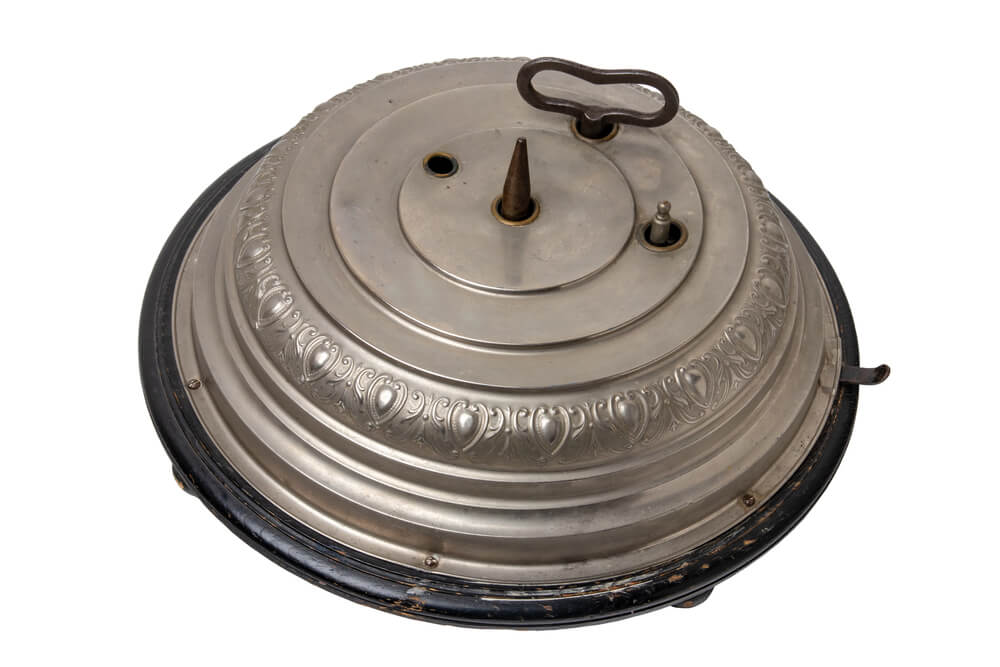
Spincraft’s Heirloom rotating stand, made by Heirloom Incorporated, was sold through Sears in the 1950s. Its music box played Silent Night and another carol while the tree turned slowly.
The unit was motorized for ordinary household current, which made it a showpiece of its decade.
The Plug-In Outlet on the Base
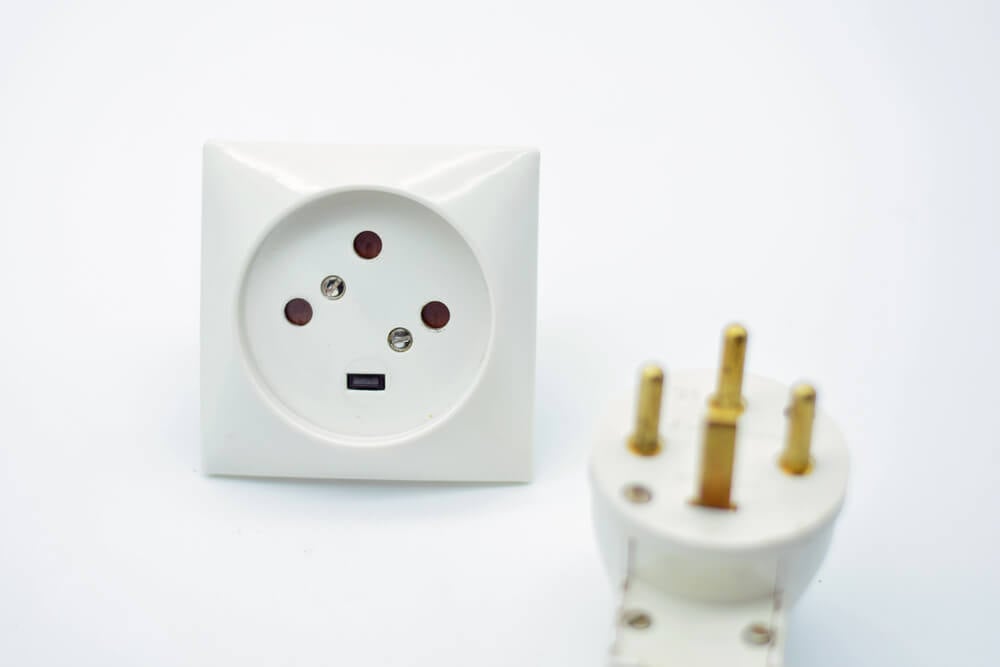
Some Heirloom stands included a small plug on the base for the tree’s lights. The rotating section carried the cord around, and owners sometimes found the outlet failed while the turning worked.
It was an early attempt at turning a stand into a complete display unit.
The Gear Transfer Box
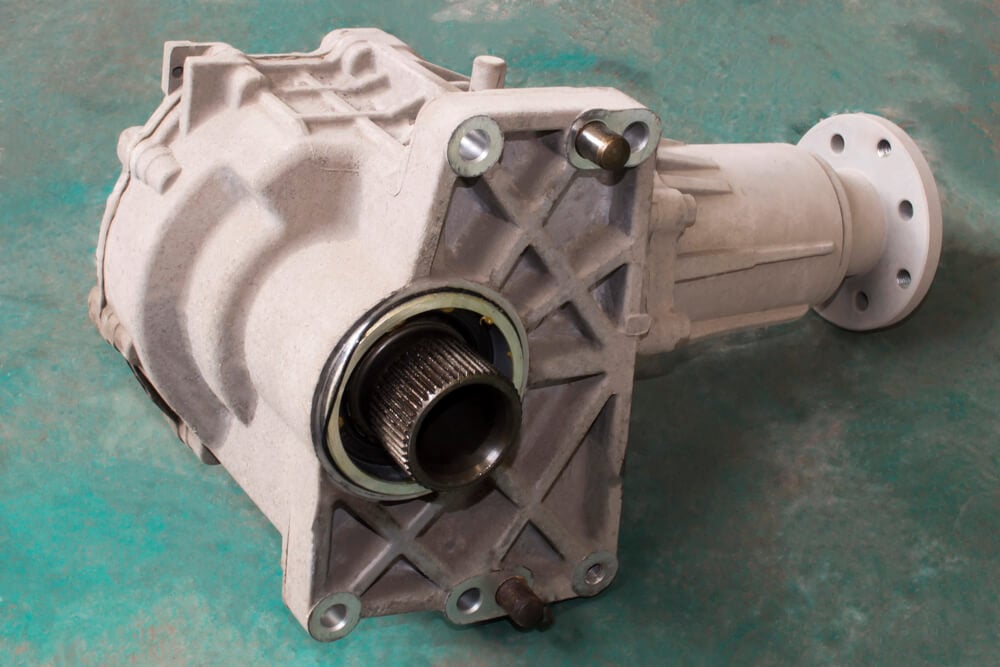
Inside rotating stands, a gear transfer box carried motor motion to the turning platform. Repair requests often mention a small plastic gear that wears out.
Without it, a stand that once spun smoothly sits stubbornly still.
The Holly Time Tree Turner Model B-20

Mell Mfg. Co. of Chicago produced the Holly Time Tree Turner Model B-20 before 1961. It rotated 360 degrees without any music, which some buyers considered a blessing.
It was designed for artificial trees up to about six feet tall and lacked a water reservoir for a live one.
The EZ Christmas Tree Rotator
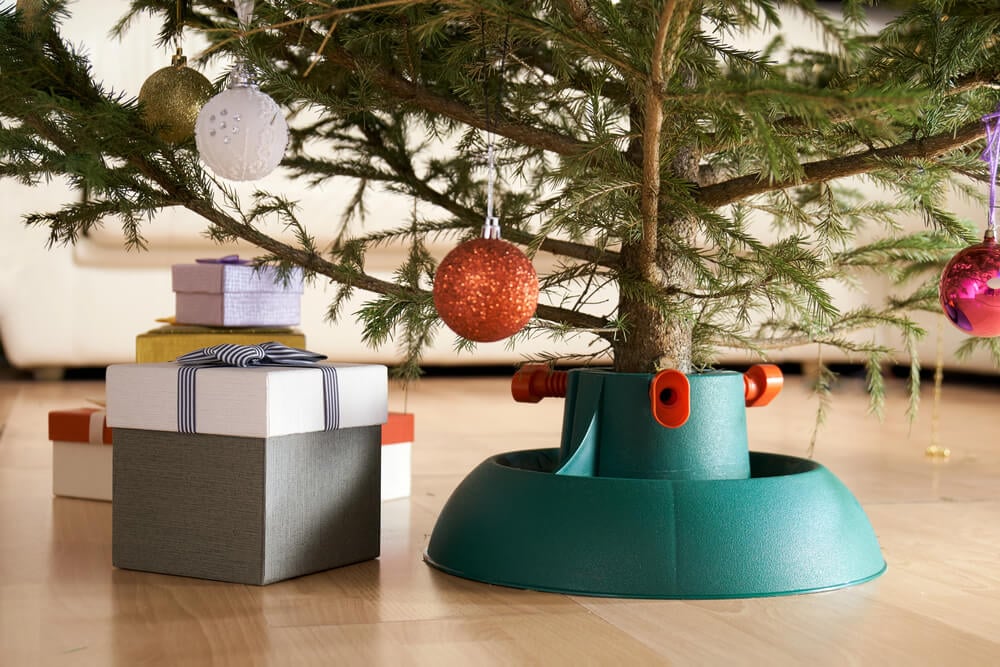
The EZ rotator used a round piece that sat on the base of the tree and screwed onto a larger round stand. Owners who lost that piece have searched for replacements for years.
The design shows how many stands relied on a handful of specific parts.
The Antique German Musical Stand
Antique German stands paired a rotating base with a music box and appear in dealer collections. The mechanisms reflect a long tradition of mechanical music in the country.
Many of these stands play traditional carols that German families sang long before electric trees appeared.
The Lorelei Model 66 RM
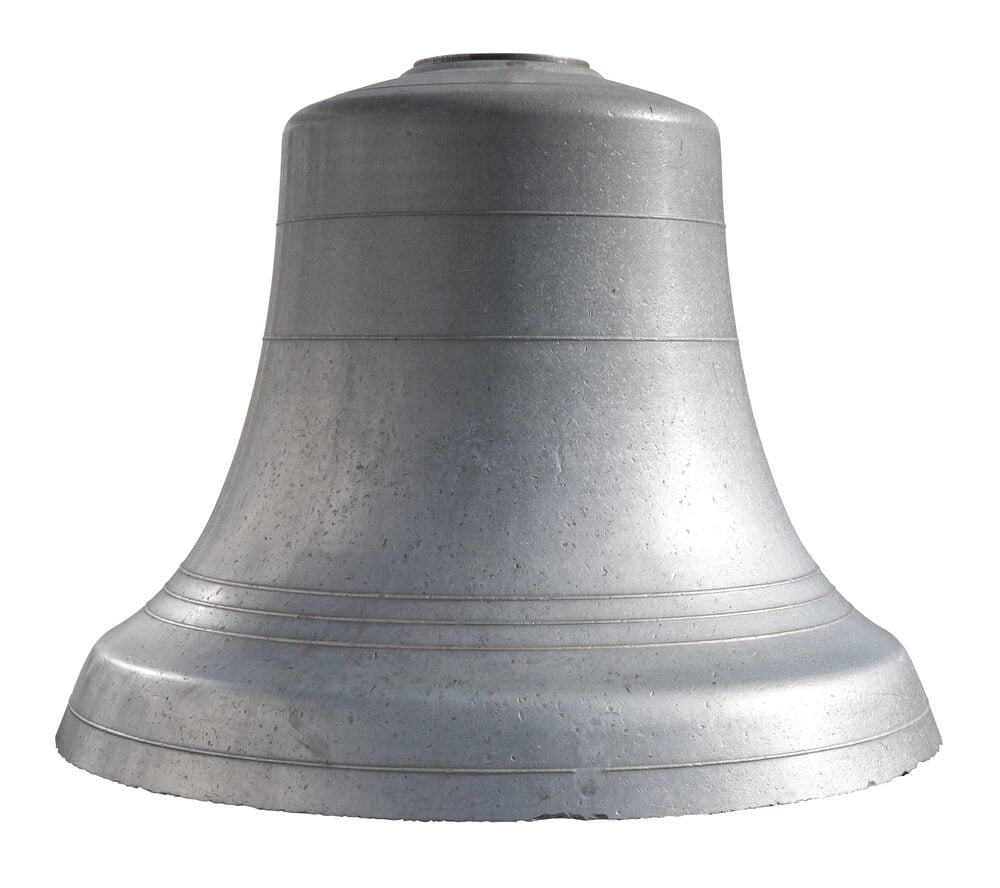
A rotating, musical stand sold under the name The Lorelei and the model number 66 RM measures about 18 inches across and weighs roughly 10 pounds. Its listing describes it as an original with both musical and rotating functions.
The weight alone suggests how much metal was packed into a base.
The Nickel-Plated Cover and Tin Dome
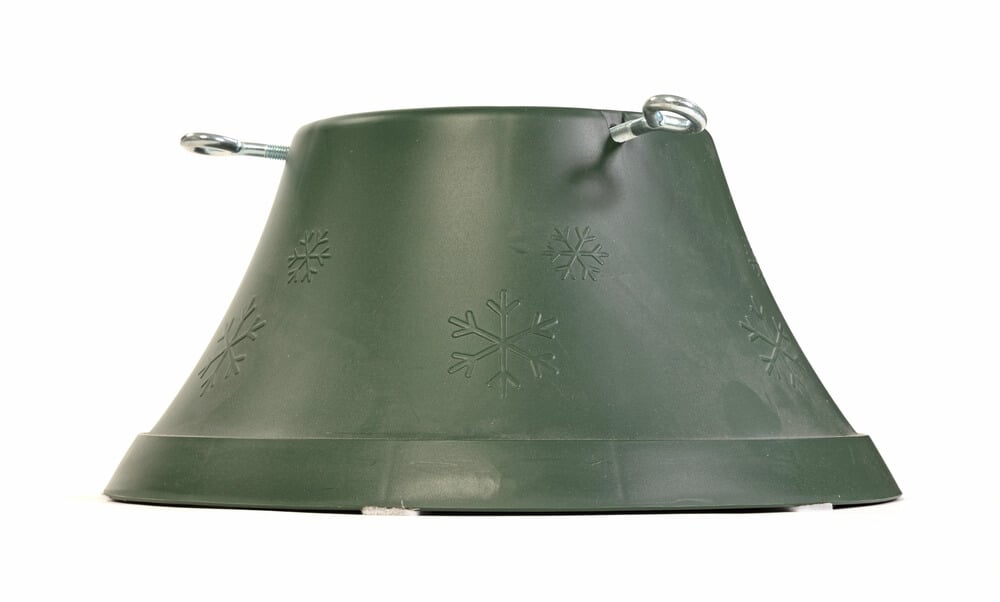
Music box collectors have identified rotating bases with a nickel-plated cover and a tin dome. When the dome is missing, the object can be difficult to identify as a tree stand at all.
A fresh owner might mistake the mechanism for a strange tabletop music box.
The Fifty-One Tooth Comb

One owner described an old revolving stand whose music box had a 51-tooth comb and played too fast. The owner sought advice on why the tune ran fast.
Such stands show how fragile the balance between speed and melody could be.
The Tune Known as Oh How Joyfully

A grandmother’s stand played a melody the owner knew as Oh How Joyfully. The same stand turned when wound, giving the family a tradition tied to a single song.
Tunes like these became the soundtrack of particular homes.
The Fallen Teeth Problem

A Sears-purchased stand from the 1950s lost teeth from its music box over time, leaving its owner unable to replace the motorized unit. The comb on a music box is delicate, and a single missing tooth can ruin a melody.
Repairers say replacing teeth is difficult and often requires a donor movement.
Rotators for Aluminum Trees
Dealers have long recommended rotating stands for aluminum trees because the revolving metal catches light from every direction. Stands from the late 1950s and early 1960s suit that purpose well.
They are noted for complicated motor and gearbox mechanisms that sellers handle carefully.
Why Dealers Buy Only the Best Rotators
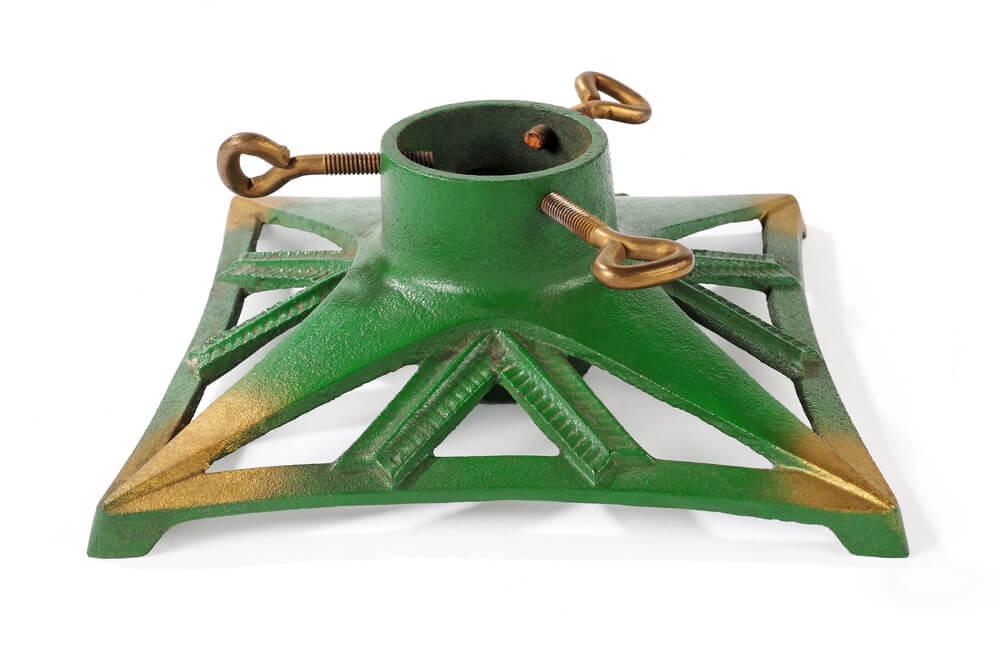
Specialists who buy vintage stands say they choose selectively from the late 1950s and early 1960s. The complicated mechanisms mean many examples no longer work.
A well-preserved stand that still turns commands attention.
Modern Heirs to the Musical Stand

Today’s rotating models, such as one sold by Vickerman, turn through 350 degrees and play Silent Night, Jingle Bells, and We Wish You a Merry Christmas. It supports artificial trees up to 7.5 feet tall and 70 pounds and runs on a household adapter.
The concept is familiar, but the technology is easier to maintain.
When the Tree Turned on Its Own

A turning, singing stand changed how a family experienced the tree. It put the decorations in motion, filled the room with a tune, and made the base part of the show.
The mechanical features were charming because they were slightly imperfect.
Fixing or finding a working example is half the appeal for collectors. The gears wear, the teeth fall out, and the motors tire, but those flaws also tell a story.
A restored stand turning in a living room is a small mechanical performance that still draws a crowd.
More from Go2Tutors!

- 27 Silver Dollars and Half Dollars Worth Keeping
- 28 Restaurant Menu Items Nobody Orders Anymore
- 17 Places Built in Seemingly Impossible Spots
- 27 Vintage Rings Worth More Than They Look
- 25 Restricted Sites Tourists Can’t Enter
Like Go2Tutors’s content? Follow us on MSN.