25 Films Censored So Heavily the Original Cut Disappeared
Many films were edited so extensively for different markets, formats, and regulatory environments that original versions are now lost or inaccessible in their complete form. Only the censored versions survive in any widely available format.
Scholars and filmmakers sometimes must reconstruct what was deleted based on scripts, test audience reactions, and fragments preserved in archives. The original directorial vision survives only as a historical abstraction rather than a viewable work.
“Cannibal Holocaust” (1980)
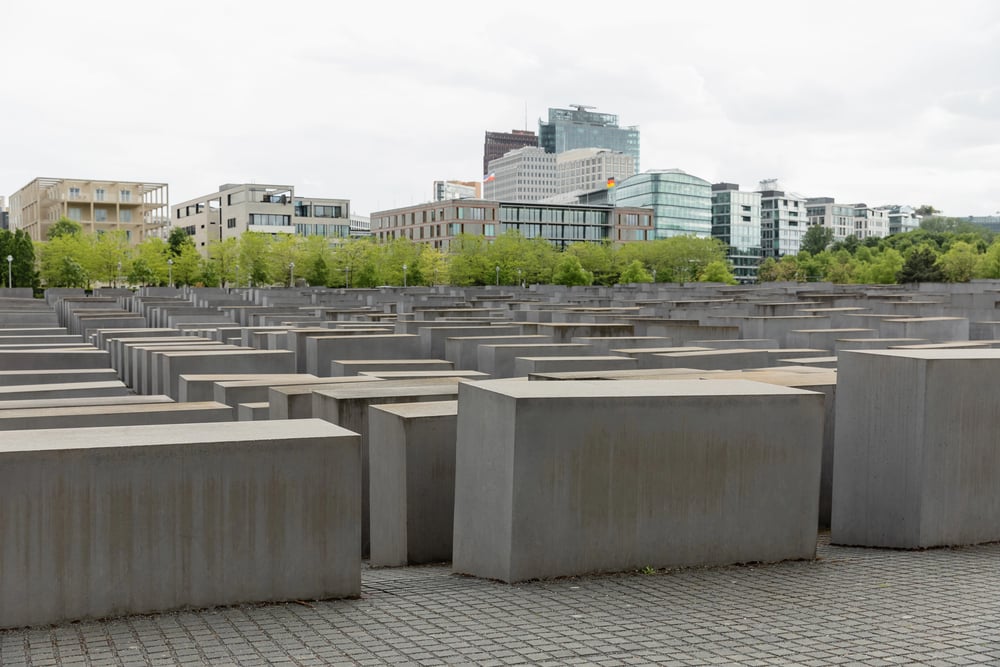
Extreme violence cuts for distribution across different markets have left the complete original version inaccessible to most audiences worldwide. Different countries banned or heavily edited specific sequences of graphic violence, resulting in multiple incompatible versions.
No single version represents director Ruggero Deodato’s full original edit, with footage permanently removed or destroyed by censors in various territories.
“A Clockwork Orange” (1971)

Director Kubrick allowed so many cuts for different releases that the definitive original theatrical cut is now fragmented across versions. The film was edited differently for British and American release, then re-cut for television and subsequent theatrical re-releases.
Various sequences exist only in certain versions, with no single complete version containing all material as Kubrick originally intended.
“Brazil” (1985)
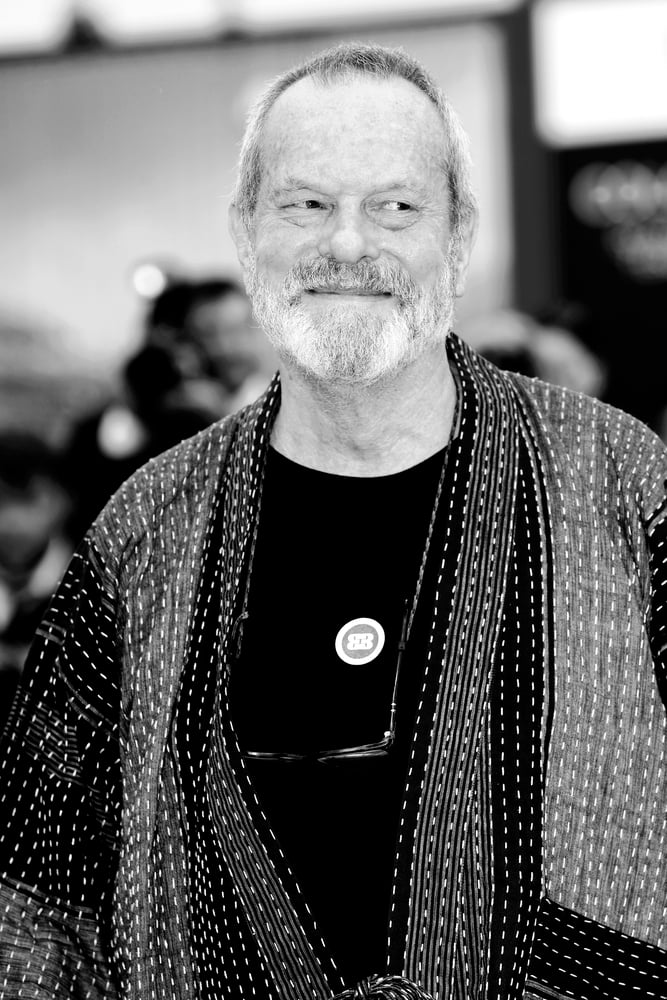
The director’s cut, studio cut, and television cut diverge so radically that original authorial intent remains disputed among film scholars and remains partially unresolvable. Terry Gilliam’s 142-minute cut was drastically altered by Universal to 94 minutes, with numerous sequences removed or reordered.
The fragmented versions surviving make reconstruction of the “original” conception impossible without access to materials Gilliam has guarded jealously.
“Metropolis” (1927)
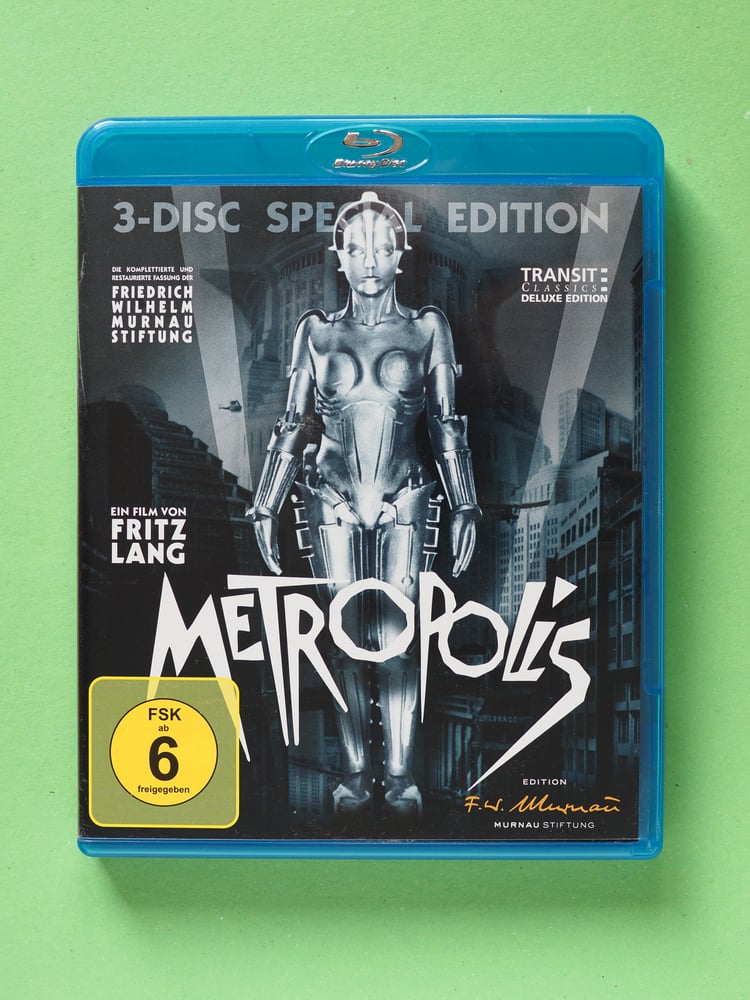
Fritz Lang’s original 153-minute Berlin premiere was chopped down from two-and-a-half hours to as short as 90 minutes by distributors, with plot-relevant scenes and character development excised. Paramount and Ufa drastically re-edited the film for international release, cutting approximately 25% of the original footage, resulting in a version that made little narrative sense.
In 2008, a long-lost Argentine print containing 20+ minutes of missing footage was discovered in Buenos Aires, allowing a restoration to approximately 99% of the original, though two small scenes remain permanently lost.
The Magnificent Ambersons” (1942)
RKO Studios forced the removal of 43 minutes from Orson Welles’ original 131-minute cut, reducing it to 88 minutes and reshooting the ending entirely against Welles’ wishes. Following disastrous preview screenings, studio executives took over the edit while Welles was in Brazil and dismantled his vision, which he later described as “destroyed.”
The excised footage was allegedly melted down for its nitrate content to be recycled for World War II materials, making the 43 missing minutes likely irrecoverable, though filmmaker Joshua Grossberg has spent 25+ years searching archives and collectors for surviving reels.
“Days of Heaven” (1978)

Terrence Malick’s film was re-edited so extensively for different releases that multiple versions exist with no scholarly consensus on what the director originally intended. The film underwent different cuts for theatrical, television, and later DVD releases, with narration and sequences positioned differently in each version.
Malick’s refusal to clarify his intentions leaves the “original” conception permanently ambiguous.
“Legend” (1985)
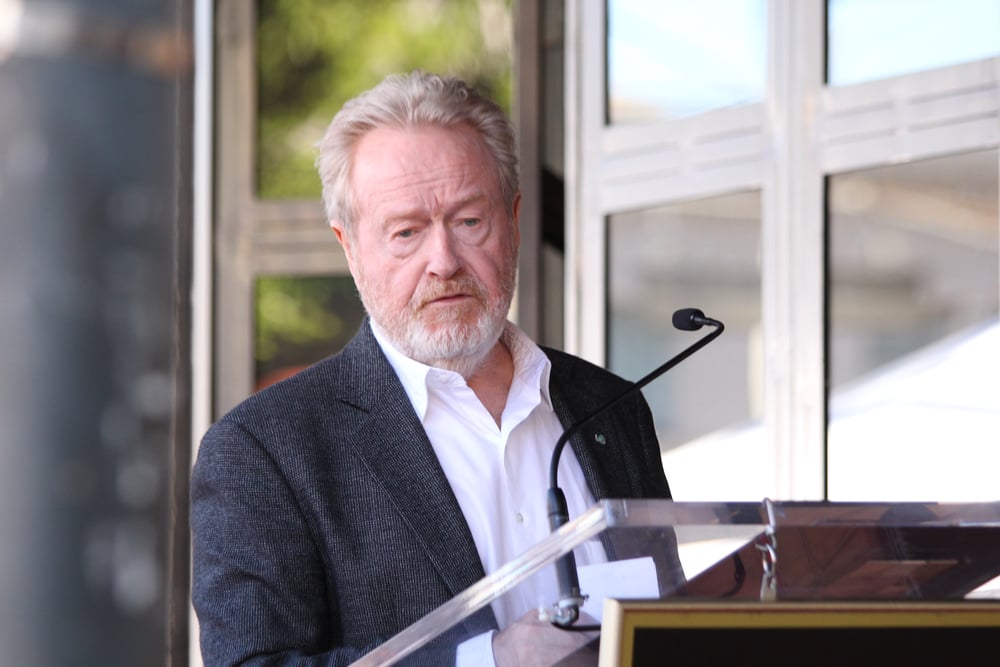
American and European cuts differ so substantially in content and tone that the original directorial vision is fragmented across incompatible versions. Director Ridley Scott’s preferred version was altered for American theatrical release with a different score, different color grading, and different scene arrangements.
The two versions are sufficiently different that viewers experience fundamentally different films depending on which cut they encounter.
“Blade Runner” (1982)
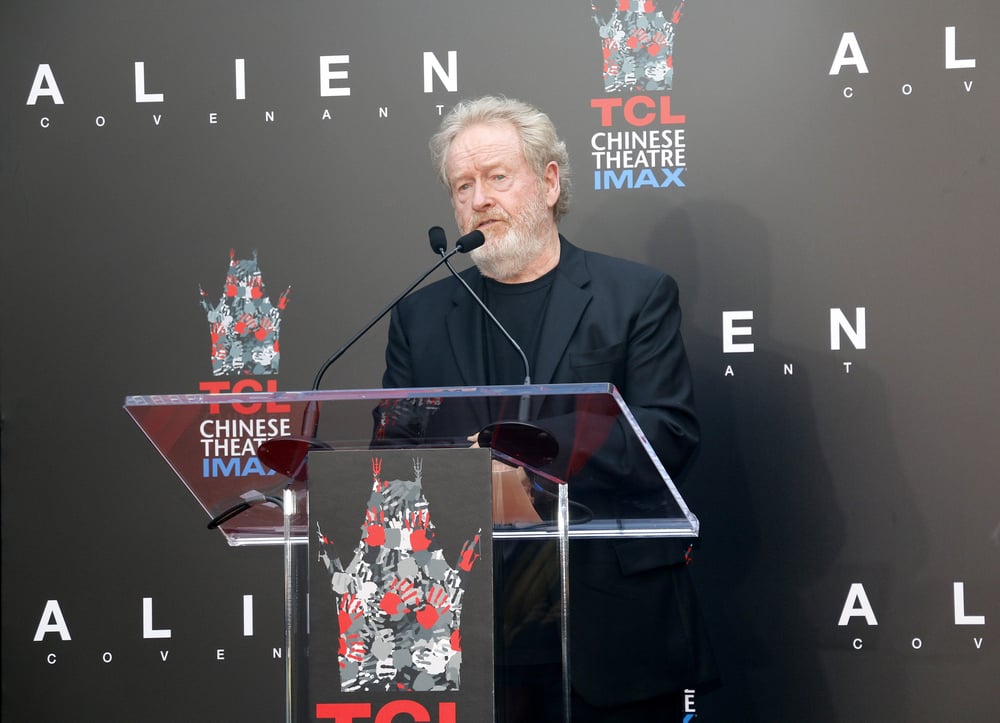
Seven different versions exist—including theatrical, director’s cut, and final cut—differing substantially in narration, ending, and editorial choices, making scholarly debate about the “original” ongoing. Ridley Scott’s directorial intentions remain contested, with multiple cuts claiming various levels of authenticity to his vision.
The proliferation of versions means there is no definitive “original” in any widely accessible format.
“Lawrence of Arabia” (1962)
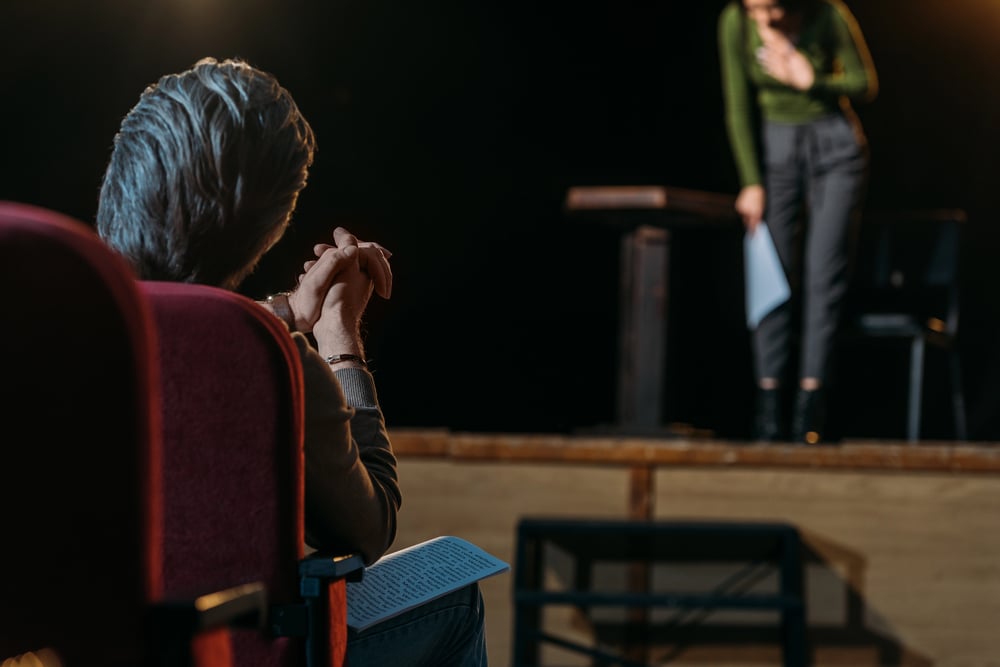
The film was re-edited and cut so many times for different releases that complete restoration required detective work comparing multiple versions and archival documents. Director David Lean’s original cut was substantially altered for American theatrical release, then further modified for television and subsequent re-releases.
The 1989 restoration required archivists to reconstruct sequences from multiple sources to approximate the original vision.
“Intolerance” (1916)
D.W. Griffith’s original cut was so drastically edited by distributors for international and subsequent theatrical releases that the original survives only through fragments and archival documents. The studio cut the film to varying lengths for different markets, removing substantial narrative sections.
Modern reconstructions remain incomplete, with entire sequences known only through stills and script fragments.
“Apocalypse Now” (1979)
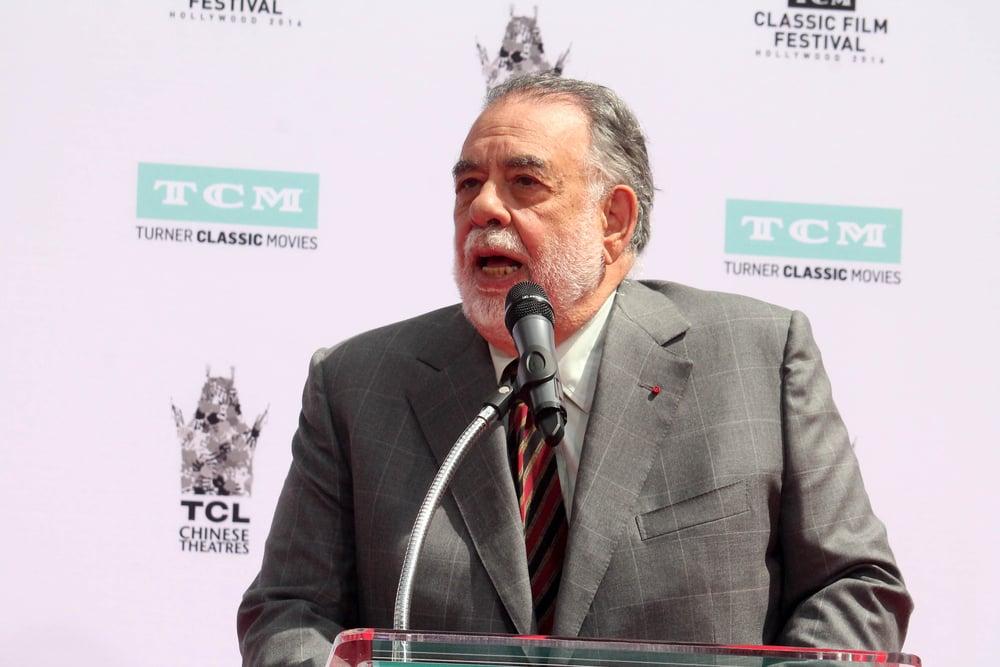
Multiple cuts and re-releases have altered the original theatrical version so extensively that it differs radically from later restorations and director’s cuts. Francis Ford Coppola’s original theatrical release was approximately 153 minutes, then was recut to 147 minutes, then substantially re-edited for a 2001 director’s cut.
The multiple versions survive in the marketplace without clear indication of which represents Coppola’s actual original intent.
“Heaven’s Gate” (1980)

Studio cuts were so severe that Michael Cimino’s 219-minute director’s cut differs radically from the original 149-minute theatrical release that was itself cut from an even longer work-in-progress. United Artists drastically re-edited the film against Cimino’s wishes following poor preview reactions.
The theatrical version was so comprehensively altered that the “original” released to the public was not Cimino’s vision.
“Barry Lyndon” (1975)
Kubrick’s film suffered edits significant enough that the original theatrical cut differs substantially from later restorations and home video reissues. The film was cut for different theatrical and television releases, with some versions missing sequences present in others.
Restoration efforts have attempted to reconstruct the theatrical original, but discrepancies remain about what was truly the director’s intention.
“The Wicker Man” (1973)
Multiple competing versions exist—the British cut, director’s cut, and television versions—that differ substantially, with the director’s actual vision fragmented across incompatible edits. Original theatrical releases differed from later director’s cuts, and television versions involved additional modifications.
The definitional original cut remains uncertain despite archival research.
“Don’t Look Now” (1973)
Numerous edits for different markets created fragmentary surviving versions of uncertain completeness, making the original edit difficult to identify definitively. Nicolas Roeg’s film was modified for international releases, with different versions in theatrical, television, and subsequent home video formats.
No single version clearly represents the complete original as the director intended.
“Stalker” (1979)

Soviet censorship edited Tarkovsky’s philosophical vision so extensively that the original complete vision survives only partially, with sections of film permanently removed by authorities. The Soviet regime altered scenes it deemed problematic for ideological reasons, leaving gaps in the narrative.
Later restorations have attempted to approximate the original, but material excised by censors remains lost.
“Sátántangó” (1994)
Even modern films have suffered editorial intervention that created multiple competing versions of the work, with the director’s intended cut fragmentary. Béla Tarr’s original 450-minute cut was edited for various releases, with different versions in circulation.
The proliferation of versions makes identifying the “original” conception problematic even for recent works.
“The Cook, the Thief, His Wife & Her Lover” (1989)
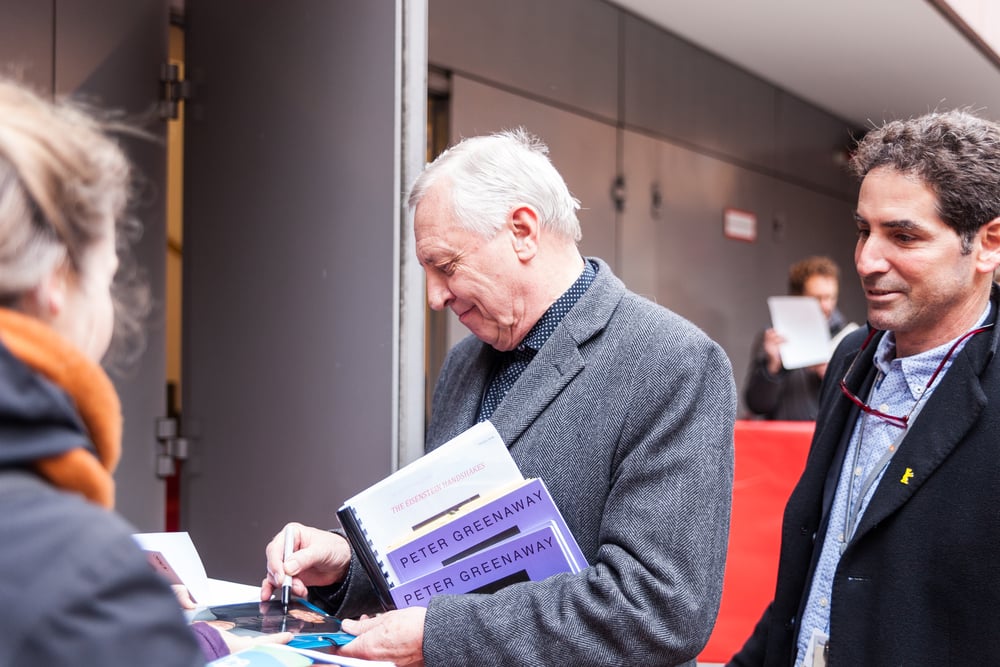
Censorship cuts were so extensive in some markets that substantial portions of the film remain unavailable in certain regions, fragmented across different versions. Peter Greenaway’s film was edited by censors in various countries, resulting in versions missing significant sequences.
The complete original as Greenaway intended is inaccessible in many jurisdictions.
“Come and See” (1985)
The Soviet original was edited multiple times, with different cuts available in different languages and regions, fragmenting the work across incompatible versions. Elem Klimov’s intense war film was modified by Soviet authorities for different releases, with various sequences altered or removed.
Restoration efforts have attempted to reassemble the director’s vision from surviving materials.
“The Story of O” (1975)
Extensive cuts across markets and time periods have left the original version fragmentary and disputed, with no consensus on what Alain Rollet intended as the complete work. The film was edited for American theatrical release, television, and later re-releases, with different versions eliminating different sequences.
The “original” survives only as an abstraction based on archival documents.
“In the Realm of the Senses” (1976)

The film was censored so extensively in various markets that complete versions are difficult to access, with the original fragmentary across territories. Japanese authorities edited the film for release, and American and European distributors made additional cuts.
No single version contains all material as Nagisa Oshima originally created it.
“Last Year at Marienbad” (1961)
Alain Resnais’ deliberately ambiguous film was edited differently for various releases and regions, fragmenting the already complex work further across multiple versions. Different theatrical releases included different sequences, and television versions involved additional modifications.
The experimental narrative was altered unpredictably across formats.
“Hiroshima Mon Amour” (1959)

The French original was edited for international distribution, fragmenting Resnais’ original conception across different theatrical, dubbed, and subtitled versions. Different markets received different cuts of the experimental narrative and documentary sequences.
The complete original remains scattered across archival materials.
“The Army of Shadows” (1969)
Melville’s film was edited for theatrical release in ways that differed from his original vision, with some sequences removed for pacing. Jean-Pierre Melville’s noir masterpiece underwent different cuts for French and international release.
Later restorations attempted to approximate the director’s intent, but some editing choices remain disputed.
“Un Chien Andalou” (1929)

Buñuel’s surrealist short was edited and re-edited so many times across film festivals and distributions that the original complete version is disputed among film historians. Different prints circulating in archives contain different sequences and alternate versions of segments.
The definitive “original” cut has never been conclusively established despite extensive archival research.
When Official Versions Erase Original Vision
The systematic loss of original film versions represents a cultural erasure where studio edits, censors, and market forces collectively destroy directorial vision without any single destructive act. Once an authorized version supplants the original, viewers believe the truncated cut was always the intended work, and the director’s actual vision becomes unrecoverable not because materials were destroyed, but because cultural consensus shifted to accept the alteration as authentic.
Millions have experienced these films only in their mutilated forms, never knowing what disappeared.
from Go2Tutors!

- The Romanov Crown Jewels and Their Tragic Fate
- 13 Historical Mysteries That Science Still Can’t Solve
- Famous Hoaxes That Fooled the World for Years
- 15 Child Stars with Tragic Adult Lives
- 16 Famous Jewelry Pieces in History
Like Go2Tutors’s content? Follow us on MSN.



