25 Symbols That Were Banned Across Entire Empires and the Reasons Behind Each One
Throughout history, rulers have understood a simple truth: symbols carry power that words alone cannot match. A single image can rally armies, topple governments, or inspire revolutions.
When empires felt threatened by what these symbols represented, they didn’t hesitate to ban them entirely. sometimes under penalty of death.
From ancient Rome to modern dictatorships, the story of banned symbols reveals how deeply images can penetrate the human psyche. These weren’t just artistic choices or cultural preferences—they were existential threats to the established order, dangerous enough that entire civilizations worked to erase them from public view.
The Christian Cross

Emperor Diocletian launched the most systematic persecution of Christians in Roman history around 303 CE. The cross became contraband overnight.
Displaying it meant imprisonment, torture, or execution in the arena. The symbol represented everything Rome feared: a foreign god challenging imperial authority, a message of equality that threatened the rigid class system, and worst of all, the idea that earthly power meant nothing compared to spiritual salvation.
Roman soldiers would search homes for any trace of the cross, turning neighbors into informants and families against each other.
Buddhist Symbols Under Imperial Japan

The Japanese Empire’s expansion into Buddhist territories created an immediate problem. Buddhist symbols represented foreign influence and spiritual allegiance that competed with emperor worship.
The swastika, lotus, and dharma wheel were systematically removed from public spaces across occupied territories. But this wasn’t just about religion—it was about cultural erasure.
Buddhist symbols carried centuries of local identity, philosophy, and resistance to outside control. By banning them, Japan attempted to sever conquered peoples from their spiritual roots, making imperial ideology easier to implant.
The Hammer and Sickle in Nazi Germany

Hitler’s regime understood that the hammer and sickle represented their greatest ideological threat. The symbol was banned immediately after the Nazi rise to power in 1933, with possession carrying the same penalties as active Communist Party membership.
The Nazis weren’t content with simple prohibition (they rarely were, as it happens). They launched propaganda campaigns depicting the symbol as a foreign contamination of German culture, something alien and diseased that needed surgical removal from the national body.
The irony, considering how thoroughly Nazi symbols would later be banned, apparently escaped them at the time. And yet their fear was entirely rational: the hammer and sickle had already toppled one empire and showed every sign of toppling more.
Sometimes paranoia and legitimate threat occupy the same space, which makes the response no less brutal for being understandable.
Celtic Crosses Under Roman Rule

When Rome conquered Celtic territories, they encountered something unexpected—a symbol that fused Christian and pagan elements in ways that defied easy categorization. The Celtic cross, with its distinctive circle intersecting the traditional cross, represented a synthesis that Roman authorities found deeply threatening.
The symbol suggested that conquered peoples could adapt foreign ideas without abandoning their own identity entirely. This kind of cultural flexibility was exactly what Rome couldn’t afford to encourage, because it implied that Roman authority itself might be just another foreign influence to be selectively adopted rather than totally embraced.
So the crosses were banned, their stones toppled and their makers imprisoned, but the idea behind them proved harder to eliminate than the physical symbols themselves.
The Star of David in Medieval Europe
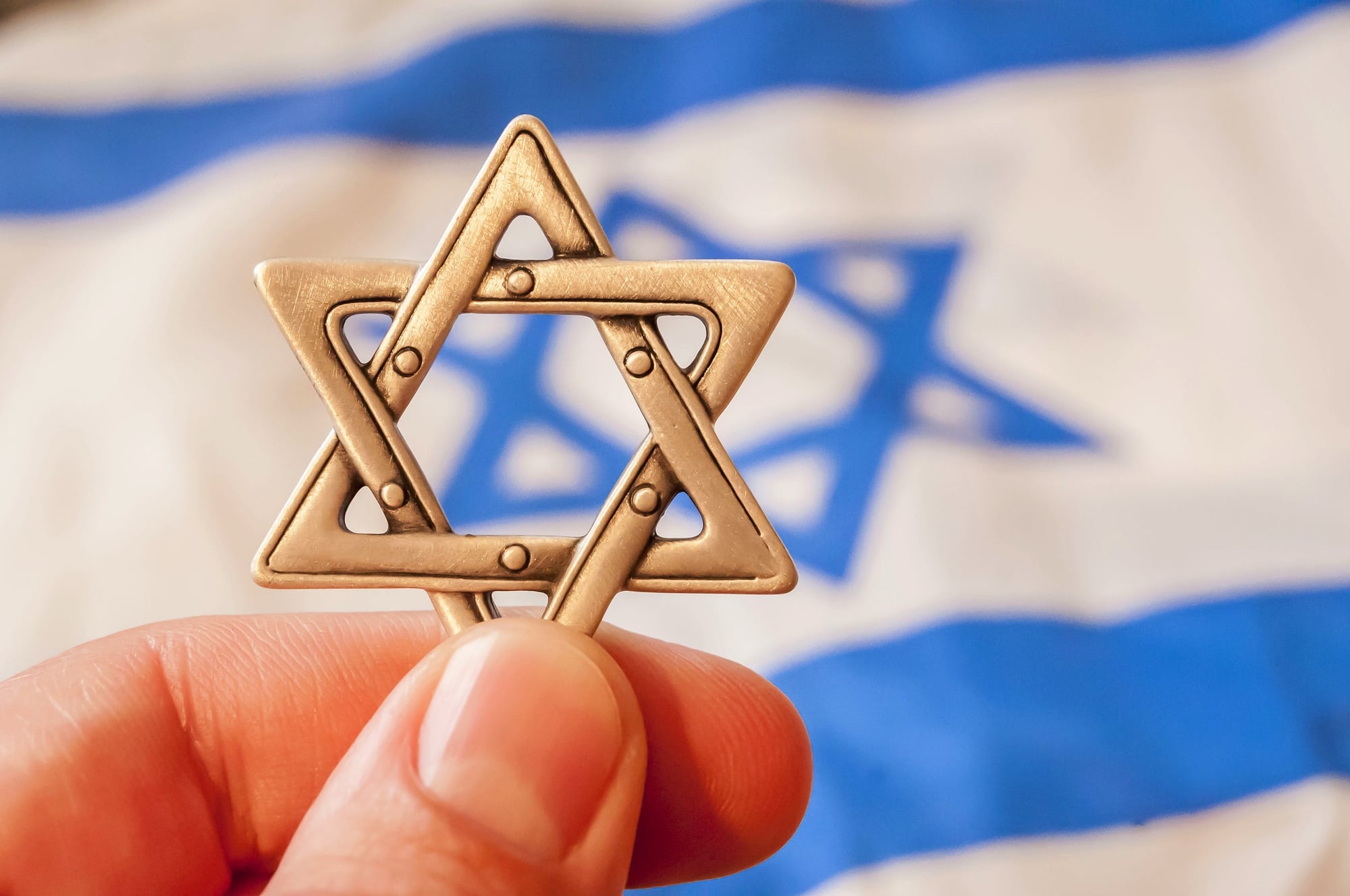
European monarchies banned Jewish symbols repeatedly throughout the medieval period, but the Star of David posed particular problems. Unlike other religious symbols that pointed toward otherworldly concerns, the six-pointed star had become associated with Jewish scholarship, trade networks, and community organization.
Kings who relied on Jewish financiers for loans found themselves in the awkward position of needing the very people whose symbols they’d banned. The star represented not just religious difference but economic independence—something that made Jewish communities useful but also dangerous to rulers who preferred their subjects completely dependent.
The Ankh Under Early Christianity
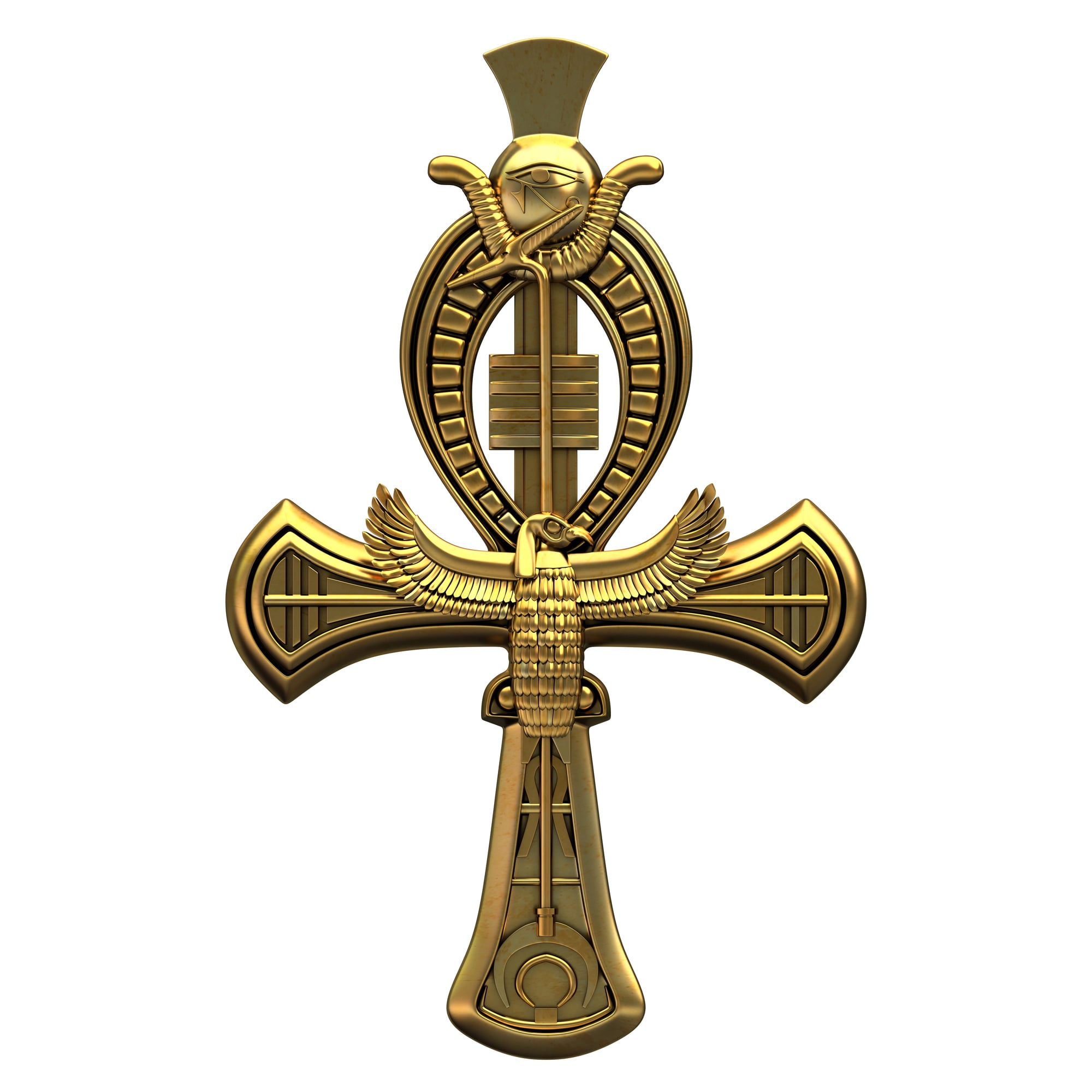
As Christianity spread through Egypt, the ankh became a symbol of resistance to the new religious order. The ancient Egyptian symbol of life predated Christian crosses by millennia, and its continued use suggested that people saw their traditional beliefs as equally valid.
Early Christian emperors banned the ankh not because it competed with Christian theology, but because it implied that Christianity was just one option among many rather than the sole path to salvation. The symbol’s persistence in private homes and hidden jewelry showed how thoroughly the ban failed to change private beliefs, even when it succeeded in altering public behavior.
Islamic Crescents in Reconquista Spain

The Christian reconquest of Islamic Spain turned crescents into symbols of enemy occupation. Spanish monarchs banned Islamic symbols as part of broader campaigns to eliminate Muslim identity from reclaimed territories.
The crescent represented more than religious belief—it symbolized sophisticated urban culture, scientific achievement, and administrative competence that often surpassed Christian equivalents. Banning the symbol was easier than matching the civilization it represented, though considerably less effective in the long run.
Aztec Feathered Serpent Symbols Under Spanish Rule
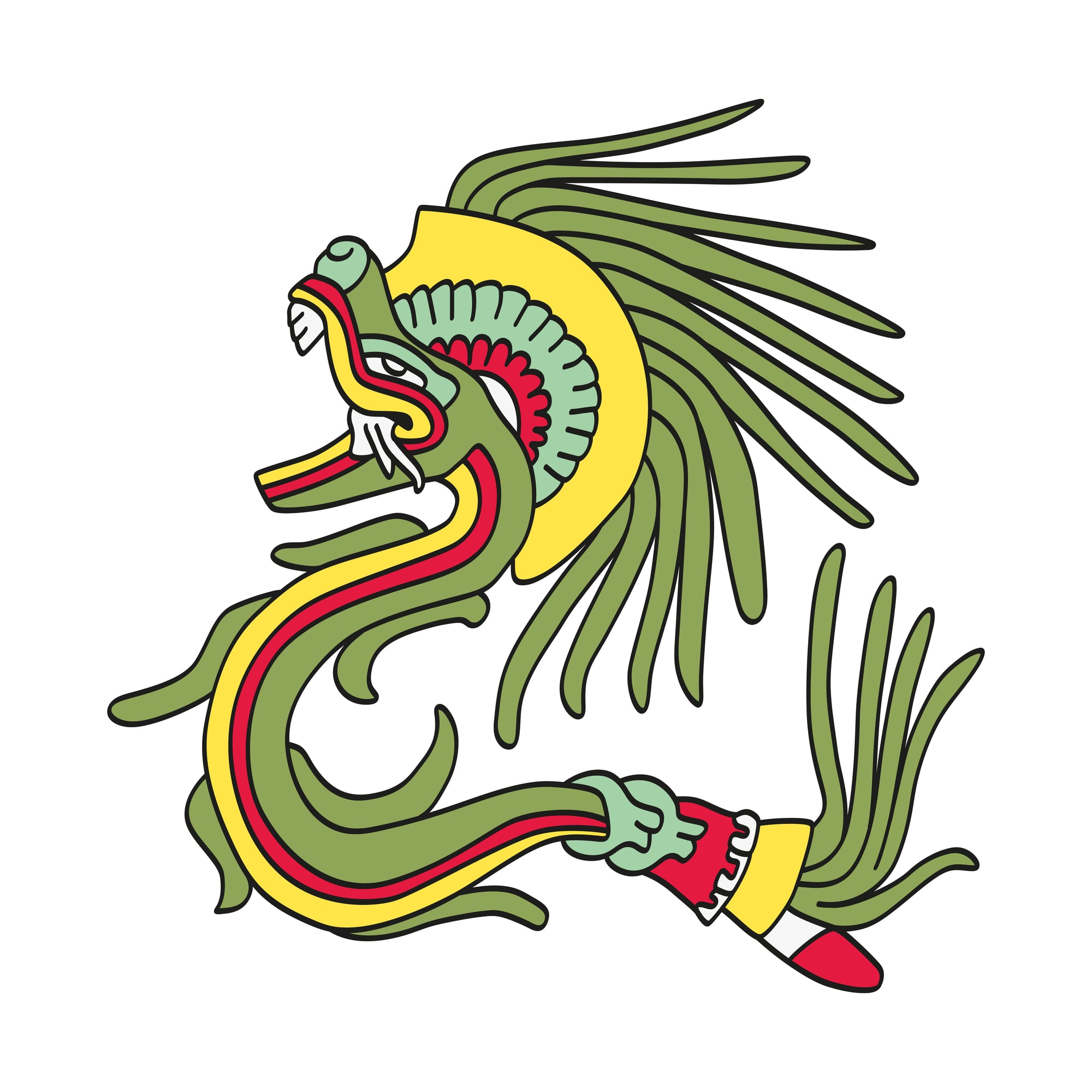
Spanish conquistadors encountered Quetzalcoatl imagery throughout Aztec territories and immediately recognized its power over indigenous populations. The feathered serpent represented divine authority that predated and potentially superseded Spanish claims to rule by divine right.
Hernán Cortés ordered the systematic destruction of all feathered serpent imagery, understanding that religious symbols provided the foundation for political loyalty. Every temple carving and ceremonial artifact had to be eliminated to make space for Christian symbols and Spanish authority.
Zoroastrian Fire Symbols Under Islamic Conquest

The Sassanid Empire’s fire altars became targets for Islamic armies not because of religious intolerance, but because they represented Persian imperial identity. The eternal flames symbolized continuity that stretched back centuries before Islamic arrival.
Islamic rulers banned Zoroastrian fire symbols while generally allowing the religion itself to continue. This selective prohibition reveals how clearly they understood the difference between private belief and public symbols of competing authority.
The flames could continue burning in private homes, but public fire altars had to be extinguished.
Roman Eagles in Barbarian Territories
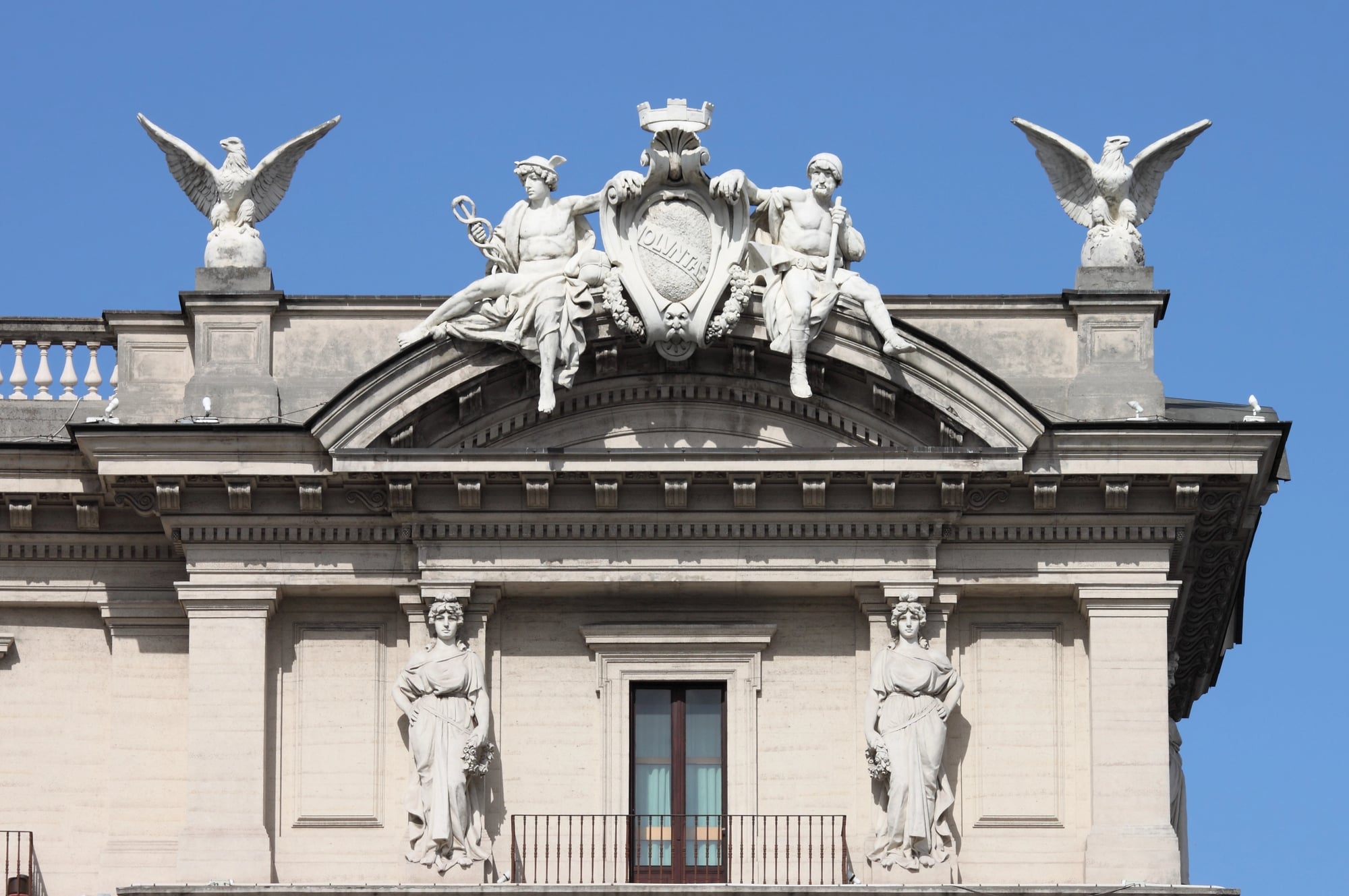
Germanic tribes that conquered Roman provinces faced the problem of imperial symbols that still commanded respect among Roman populations. The eagle standard represented military might and administrative competence that barbarian rulers struggled to match.
Visigothic and Ostrogothic kings banned Roman eagles while adopting many Roman governmental practices. They understood that symbols of the previous regime had to disappear before new authority could take root, even when that new authority borrowed heavily from what it replaced.
Norse Symbols Under Christian Conversion
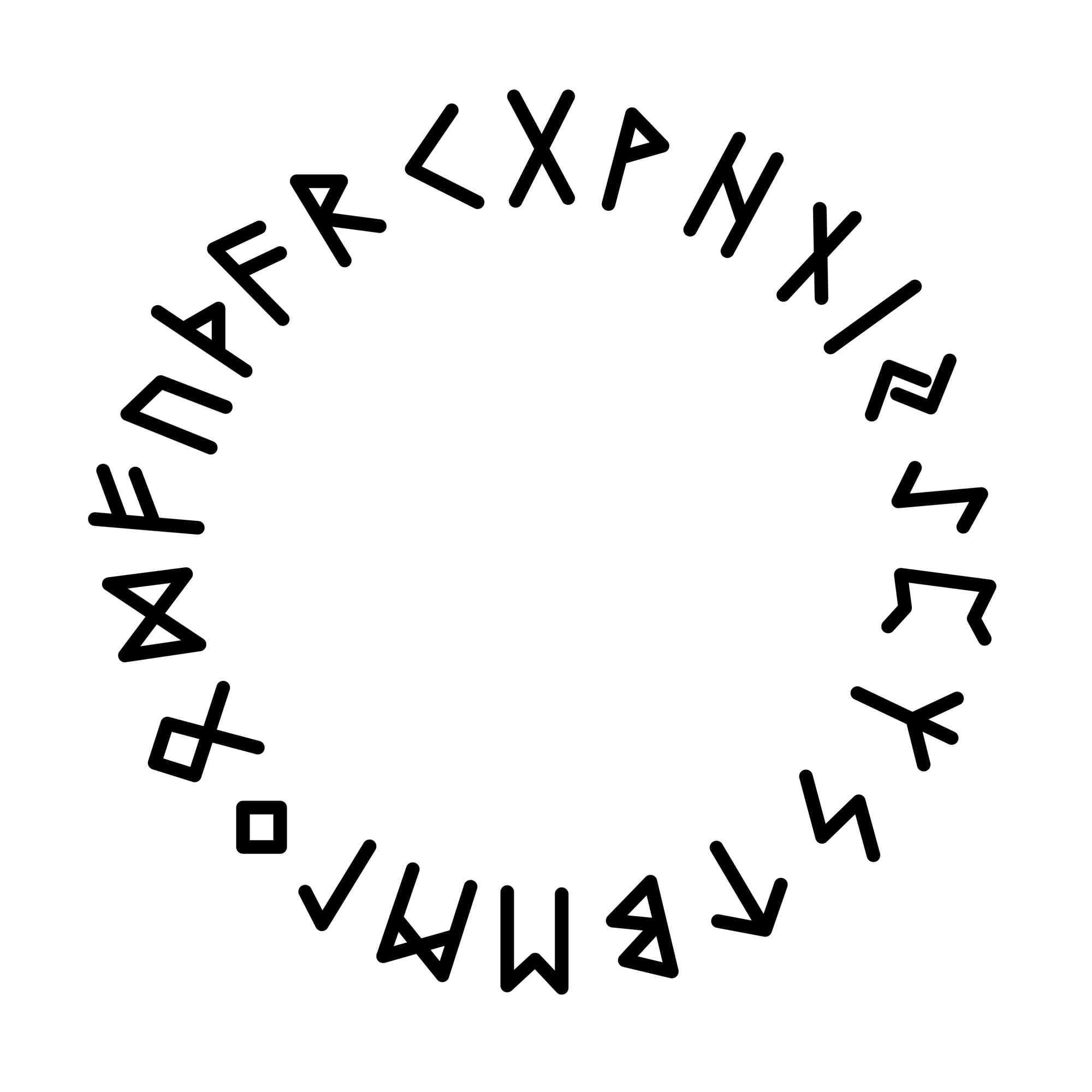
As Scandinavian kingdoms converted to Christianity, traditional Norse symbols like Thor’s hammer and Odin’s ravens were systematically banned. These symbols represented not just pagan religion but warrior culture that celebrated individual heroism over Christian humility.
The ban extended beyond religious ceremonies to include jewelry, weapon decorations, and even ship carvings. Christian kings understood that Norse symbols encouraged attitudes fundamentally incompatible with feudal hierarchy and Christian submission to authority.
Persian Symbols in Alexander’s Empire
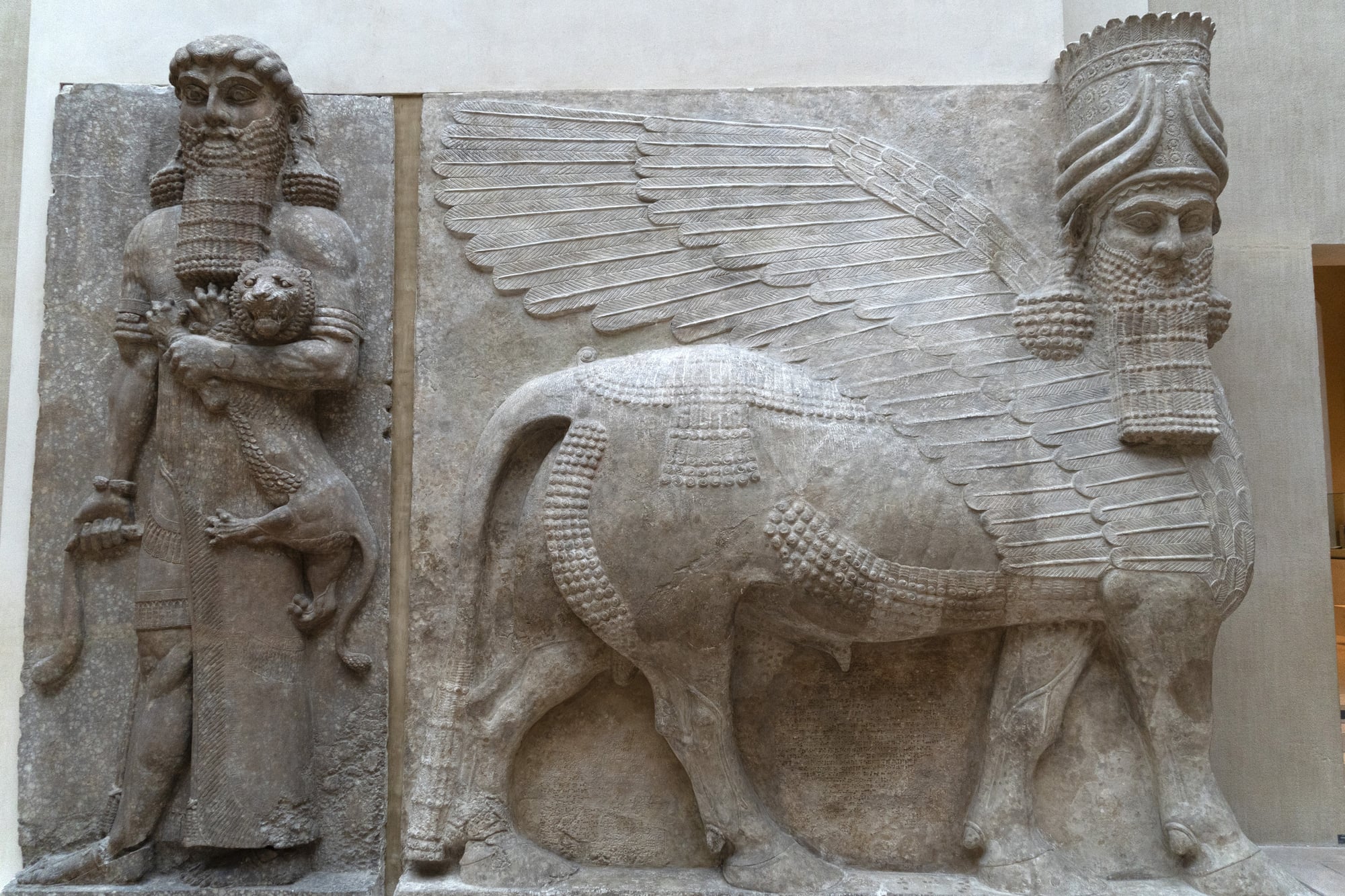
Alexander the Great’s conquest of Persia created immediate problems with Persian royal symbols that commanded deep loyalty among conquered populations. The winged disc of Ahura Mazda and other Zoroastrian royal emblems were banned from public display.
Greek administrators discovered that Persian symbols retained power even after military defeat. The imagery suggested that Persian civilization possessed wisdom and legitimacy that Greek conquest couldn’t simply erase, making the symbols dangerous to Macedonian rule.
Hindu Symbols Under Mughal Rule

Certain Mughal emperors, particularly Aurangzeb, banned Hindu religious symbols from public spaces as part of broader campaigns to establish Islamic orthodoxy. The om symbol and various deity representations were prohibited in conquered territories.
The bans revealed deep Mughal insecurity about ruling predominantly Hindu populations. Islamic conquest could control territory and taxation, but Hindu symbols suggested spiritual authorities that remained beyond Mughal reach, making them perpetual sources of potential resistance.
Cathar Symbols in Medieval France
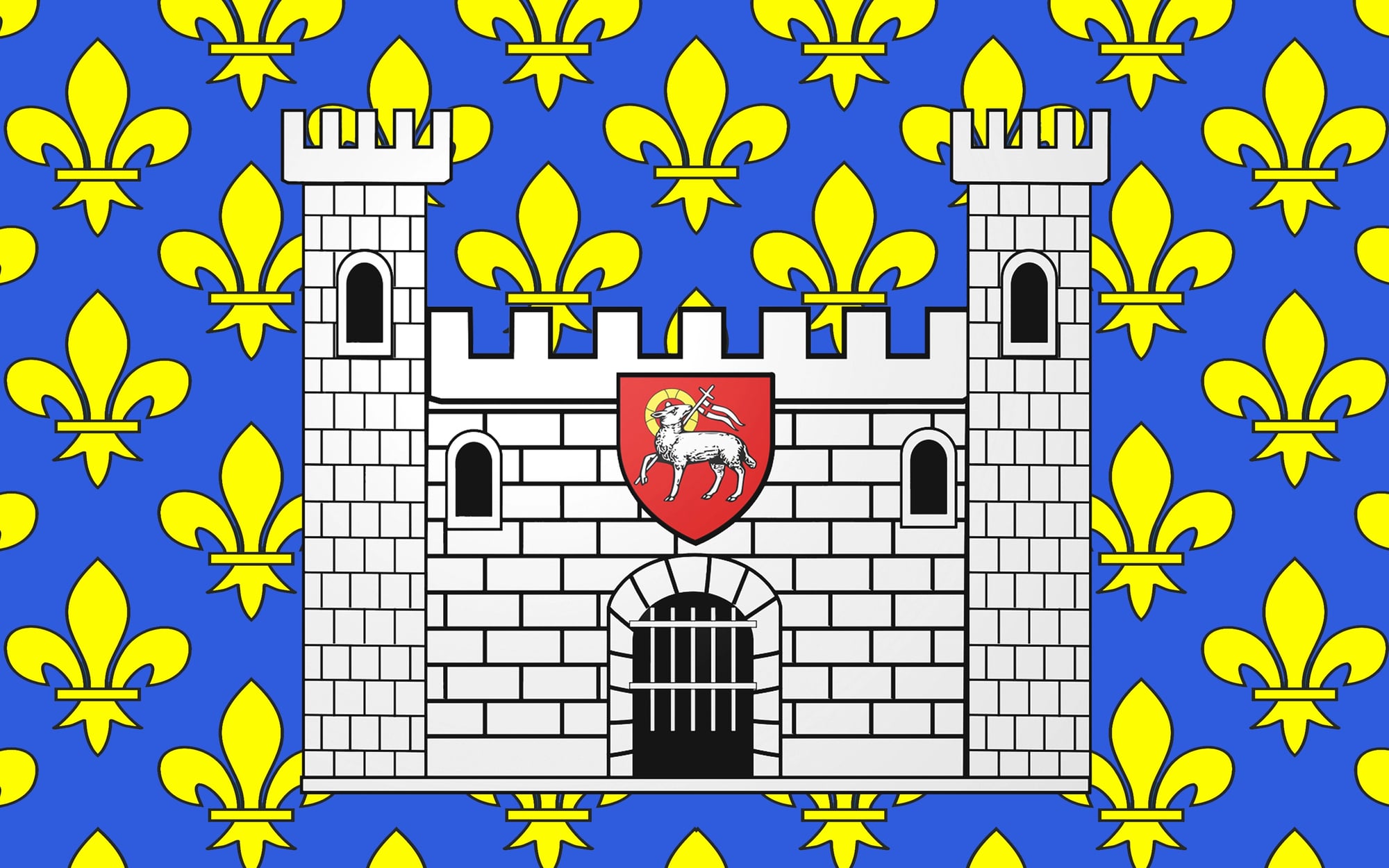
The Catholic Church’s crusade against Cathar heresy included systematic prohibition of Cathar religious symbols. The Occitan cross and other Cathar imagery were banned throughout southern France under penalty of execution.
Cathar symbols represented theological ideas that undermined basic Catholic doctrines about salvation, church authority, and the material world. Pope Innocent III understood that allowing the symbols to persist would legitimize religious alternatives that posed existential threats to Catholic monopoly on spiritual truth.
Druidic Symbols Under Roman Britain
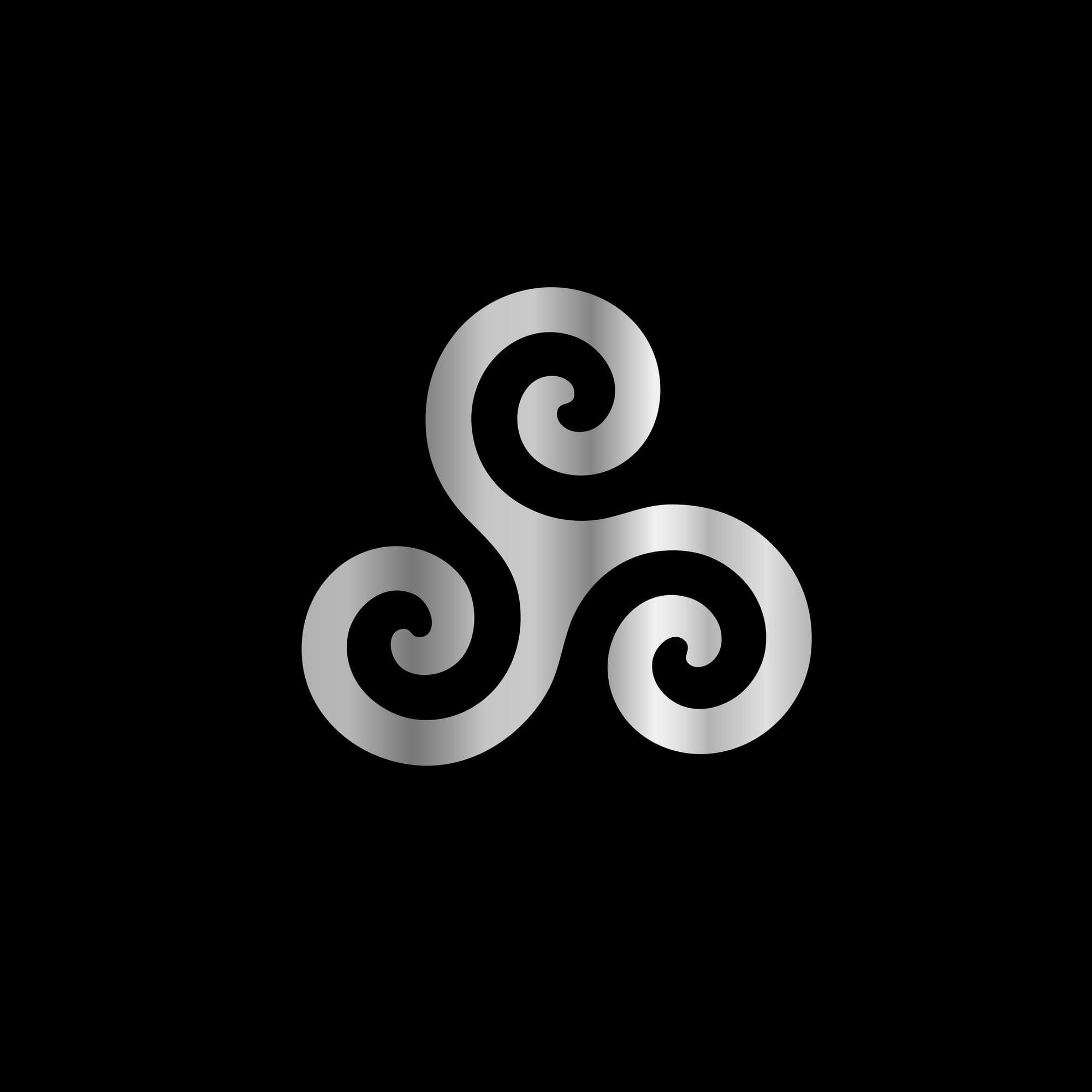
Roman conquest of Britain included specific campaigns against Druidic symbols and sacred groves. The oak leaf, mistletoe, and various sacred tree emblems were banned as part of broader efforts to eliminate Druidic influence.
Druids represented educational and judicial authority that competed directly with Roman administration. Their symbols suggested alternative sources of wisdom and law that could undermine Roman claims to civilizational superiority, making them particular targets for imperial prohibition.
Mongol Symbols in Conquered China
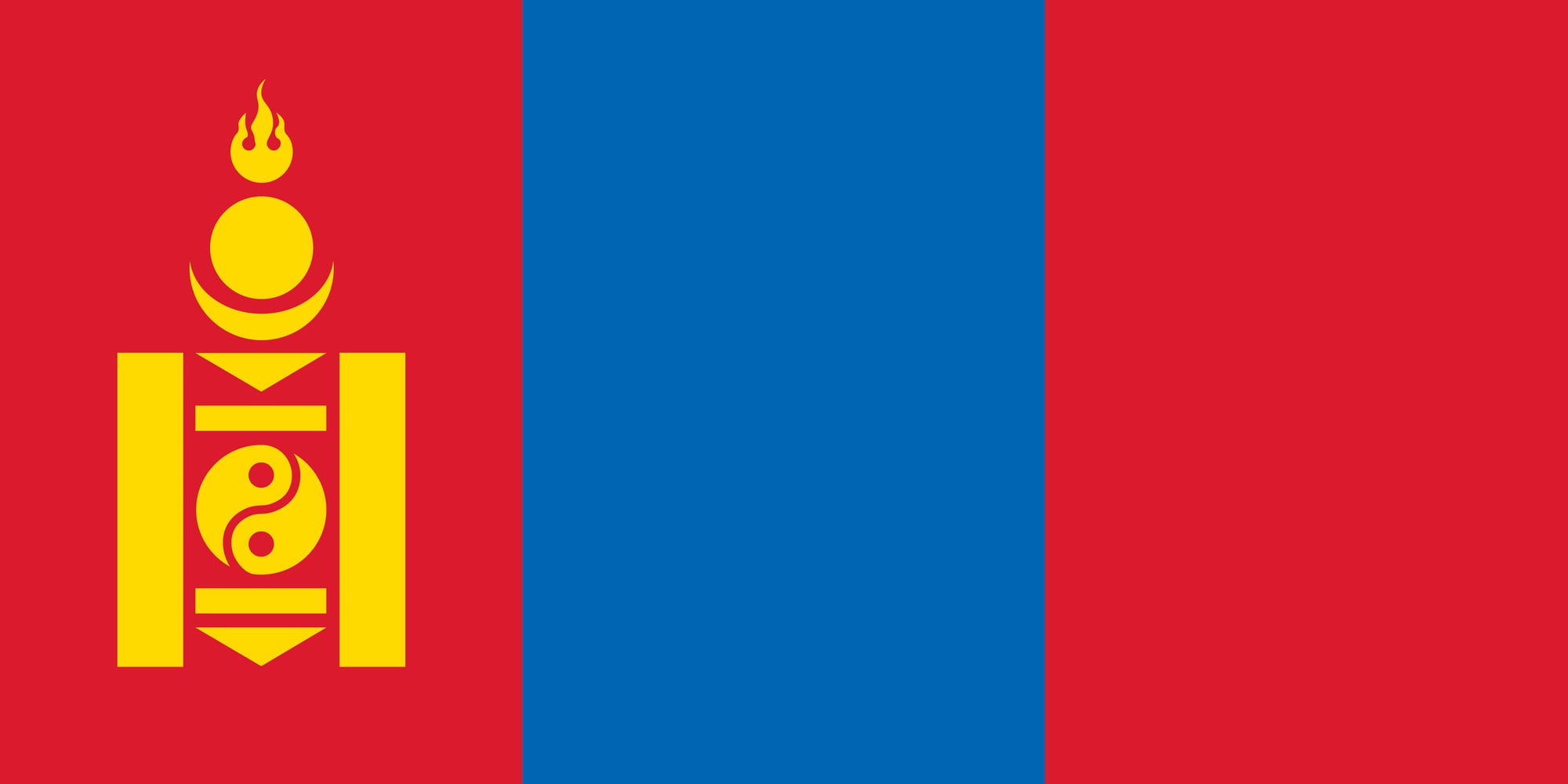
Chinese dynasties that overthrew Mongol rule faced populations that had adapted to Mongol symbols and administrative practices. The horse-tail standard and other Mongol imperial emblems were banned as foreign contamination of Chinese culture.
The Ming Dynasty’s prohibition of Mongol symbols was part of broader campaigns to restore “pure” Chinese identity after decades of foreign rule. The symbols represented successful governance by non-Chinese rulers, which complicated Ming claims that only Chinese dynasties could properly govern Chinese people.
Phoenician Symbols Under Roman Expansion

As Rome expanded across the Mediterranean, Phoenician trading symbols became targets for prohibition in conquered territories. The symbols represented commercial networks and cultural connections that transcended Roman political control.
Phoenician symbols suggested that Mediterranean civilization included non-Roman elements that might be equally valid or valuable. Roman administrators banned them to establish clear hierarchies between Roman culture and everything else, making imperial dominance seem natural rather than imposed.
Manichean Symbols Across Multiple Empires

Manichaeism faced prohibition across Persian, Roman, and Chinese empires simultaneously—a remarkable achievement for a religious movement that emphasized universal spiritual truth. The symbol of light and darkness proved threatening to rulers regardless of their own religious commitments.
The religion’s emphasis on spiritual equality and rejection of worldly authority made its symbols dangerous wherever they appeared. Manichaean imagery suggested that political power was spiritually meaningless, which no empire could afford to tolerate among its subjects.
Sikh Symbols Under Mughal Persecution
\

Mughal emperors banned Sikh religious symbols, particularly the khanda, during periods of intense persecution. The symbols represented religious independence that had evolved into political and military resistance to Mughal authority.
Sikh symbols embodied the transformation of spiritual movement into martial community. Mughal rulers understood that banning the imagery was essential to preventing further consolidation of Sikh identity and resistance, though their efforts largely failed to achieve this goal.
Gnostic Symbols in the Byzantine Empire

Byzantine emperors prohibited Gnostic symbols as part of campaigns to establish orthodox Christianity throughout the empire. The serpent eating its own tail and other Gnostic imagery represented theological ideas that undermined imperial religious authority.
Gnosticism suggested that spiritual truth came through individual revelation rather than church hierarchy, making its symbols inherently subversive to Byzantine fusion of religious and political power. The prohibition was as much about imperial control as theological correctness.
Mithraic Symbols in the Late Roman Empire
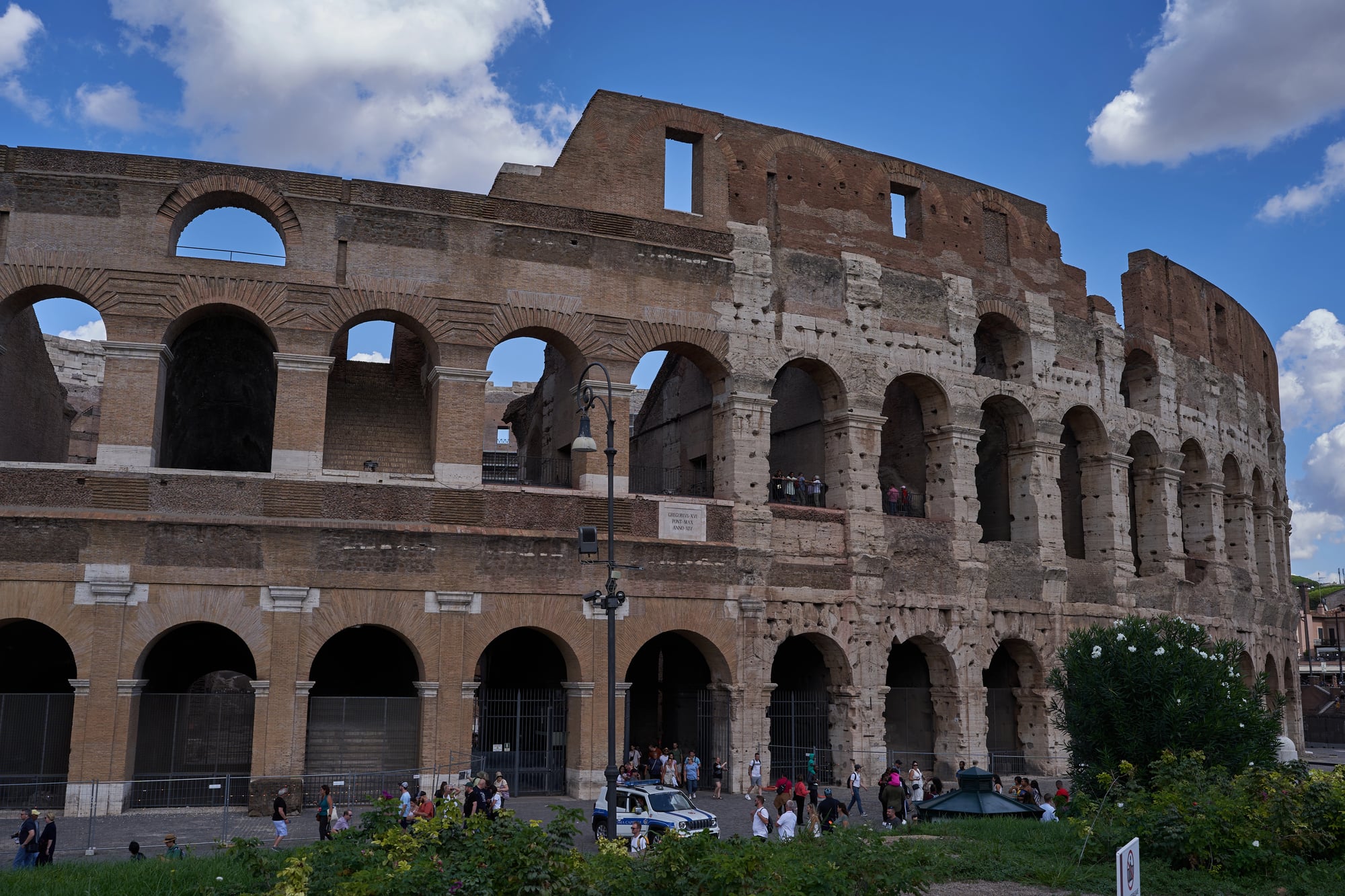
As Christianity became the official Roman religion, Mithraic symbols faced systematic prohibition despite their previous popularity among Roman soldiers. The bull-slaying imagery and other Mithraic emblems were banned from military installations and public spaces.
Mithraism had provided spiritual foundation for Roman military culture, making its symbols particularly threatening to Christian emperors who needed to maintain military loyalty while transforming religious identity. The ban represented one of history’s most successful religious substitutions.
Bogomil Symbols in the Byzantine Empire
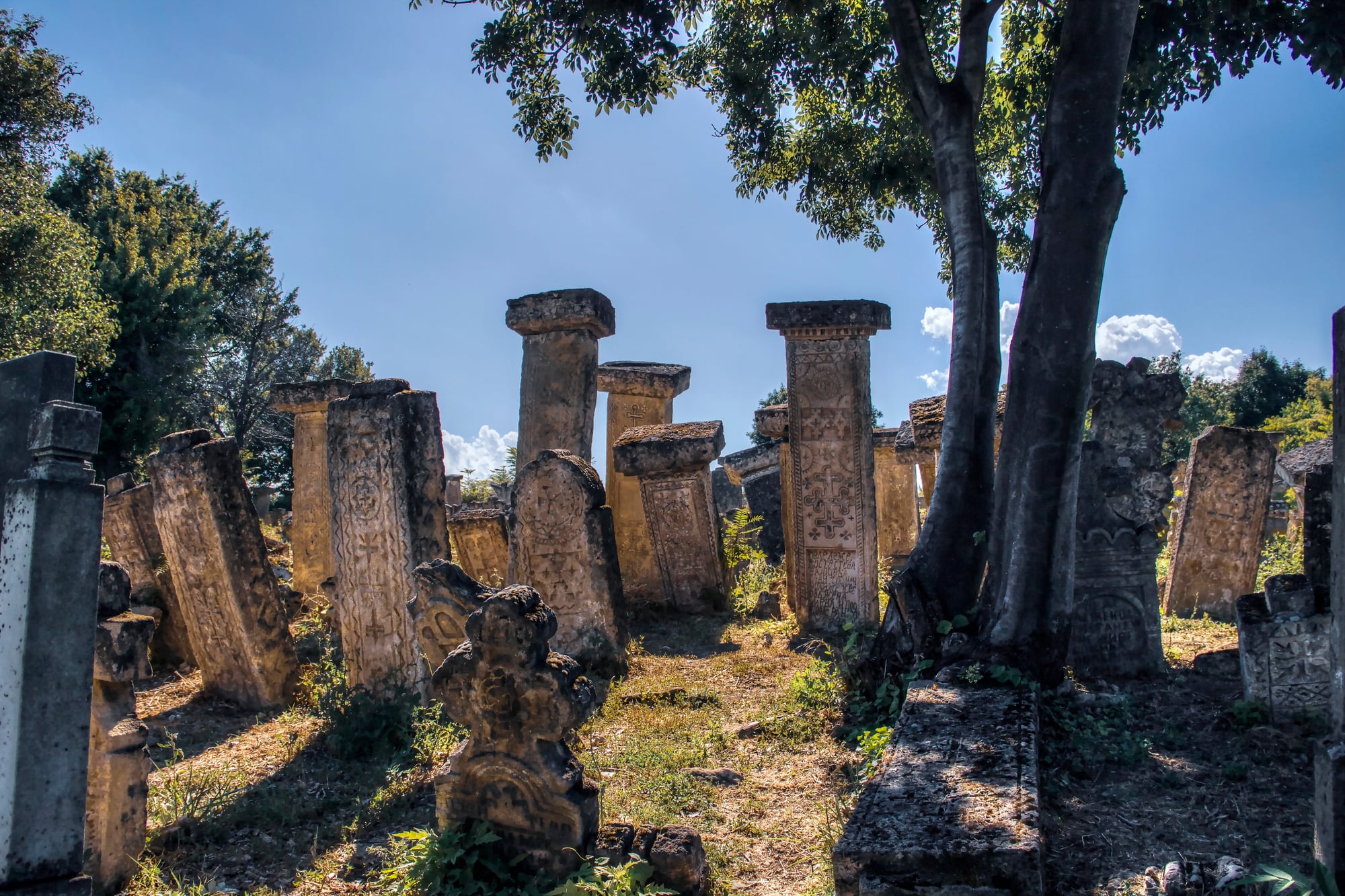
The Byzantine Empire banned Bogomil religious symbols as part of broader campaigns against dualist heresy. The symbols represented theological ideas that rejected imperial claims to divine sanction and earthly authority.
Bogomil imagery suggested that material world—including imperial power—was fundamentally evil and spiritually meaningless. No empire could tolerate symbols that characterized political authority as demonic, making prohibition essential to Byzantine survival.
Arian Christian Symbols Under Catholic Rule
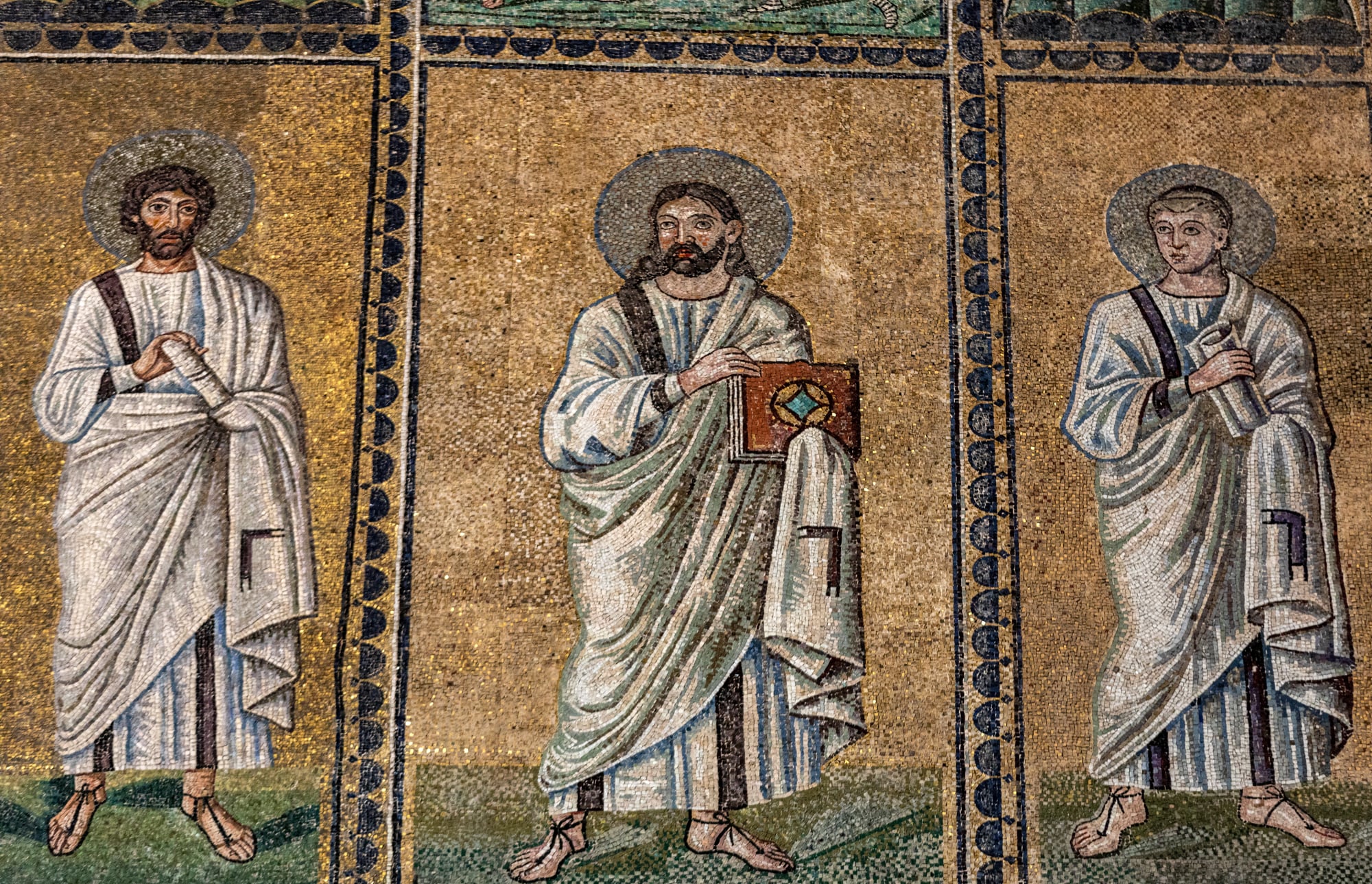
As Catholic orthodoxy triumphed over Arian Christianity, Arian symbols were banned throughout territories controlled by Catholic rulers. The symbols represented theological positions about Christ’s nature that had been declared heretical by church councils.
Arian symbols reminded populations that Christian doctrine itself remained contested and uncertain. Catholic emperors banned them not just for theological reasons, but because they suggested that religious truth might be determined by political power rather than divine revelation.
Mazdakist Symbols in Sassanid Persia
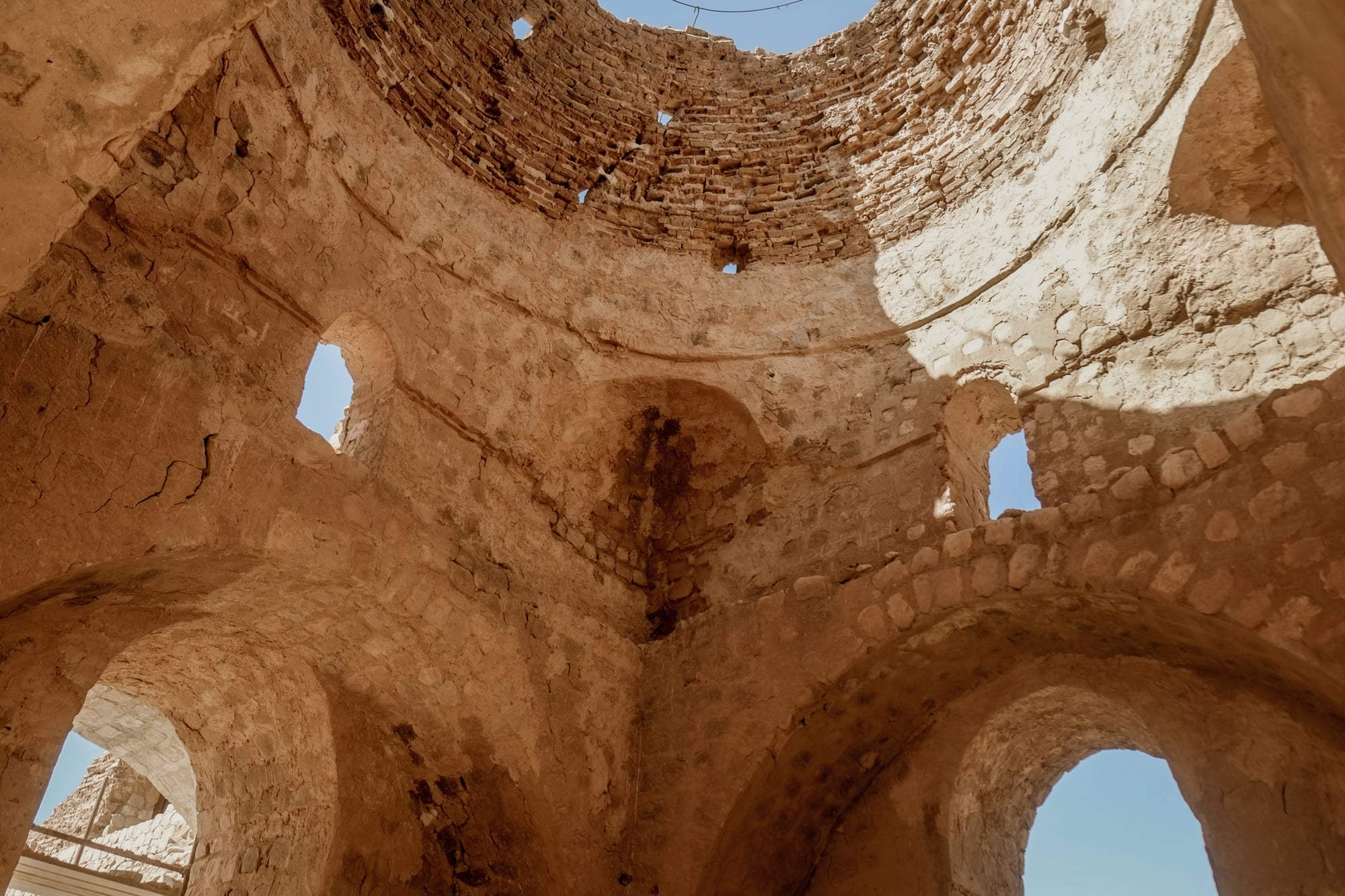
The Sassanid Empire banned Mazdakist symbols after suppressing the movement’s social revolution. The symbols represented economic equality and property redistribution that threatened the entire Persian social system.
Mazdakist imagery had inspired popular uprising that nearly toppled Sassanid rule. The symbols’ prohibition was essential to preventing revival of ideas about social equality that could again mobilize Persian peasants against aristocratic rule.
Alchemical Symbols Under Various Authorities
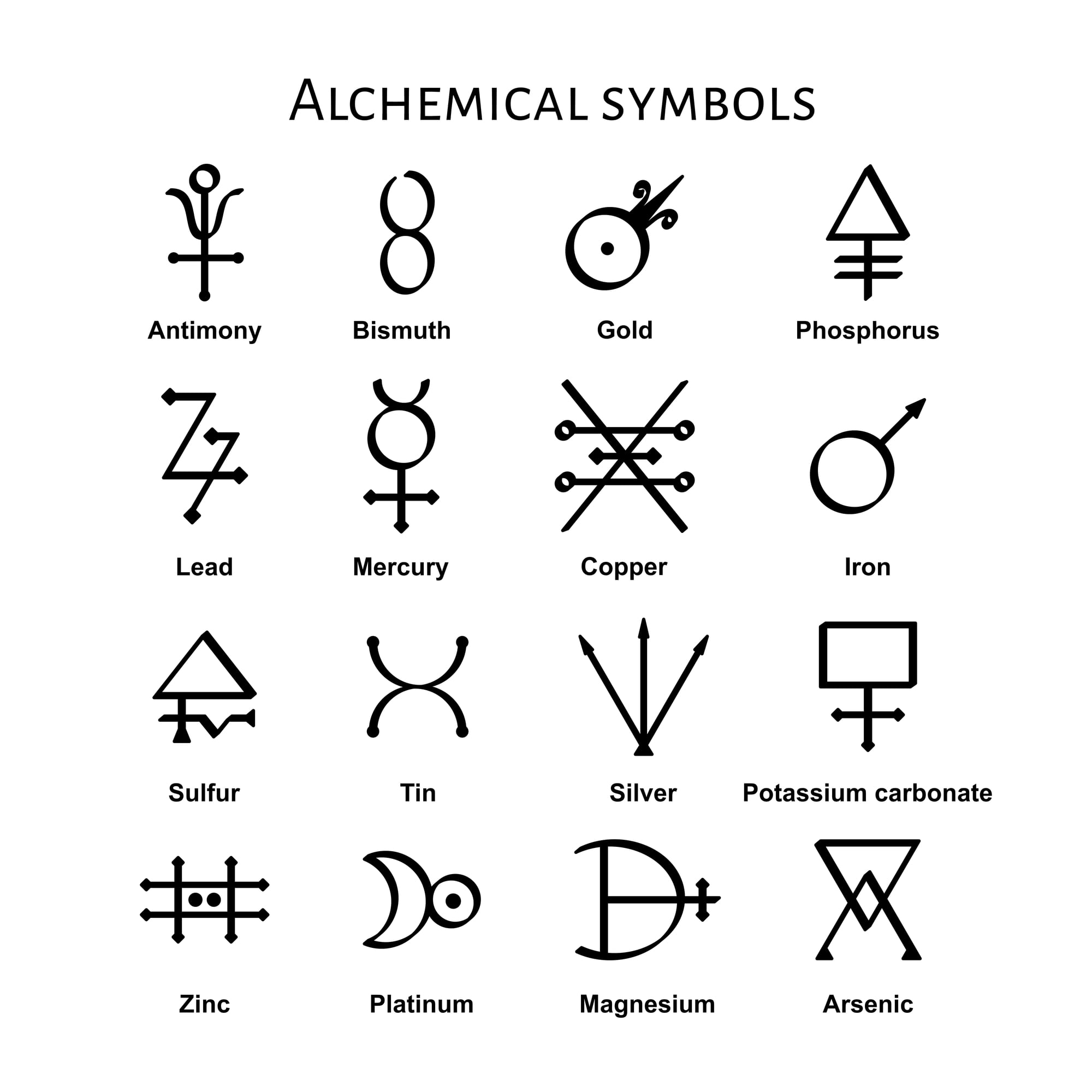
Multiple empires banned alchemical symbols at different periods, viewing them as representations of dangerous knowledge that challenged religious and political orthodoxies. The symbols suggested that natural world operated according to principles independent of divine or imperial authority.
Alchemical imagery implied that educated individuals could discover truths through investigation rather than revelation or political decree. This possibility threatened any authority that claimed monopoly on truth, making the symbols persistently dangerous across cultures and centuries.
The Weight of Images

Perhaps the most telling aspect of these prohibitions lies not in their initial implementation, but in how thoroughly most of them failed. Symbols possess a stubborn resistance to erasure that even the most powerful empires struggle to overcome. They migrate underground, adapt to new contexts, and resurface when conditions permit.
The empires that banned these symbols understood something important about human nature—images reach parts of consciousness that arguments cannot touch. What they failed to grasp was that this same power makes symbols nearly impossible to eliminate once they’ve taken root in collective imagination.
More from Go2Tutors!

- The Romanov Crown Jewels and Their Tragic Fate
- 13 Historical Mysteries That Science Still Can’t Solve
- Famous Hoaxes That Fooled the World for Years
- 15 Child Stars with Tragic Adult Lives
- 16 Famous Jewelry Pieces in History
Like Go2Tutors’s content? Follow us on MSN.