26 Elements on the Periodic Table With Backstories Stranger Than Fiction
The periodic table reads like a scientific ledger, with orderly rows and columns containing all known elements. But behind each symbol lies a human story—and some of these narratives are far stranger than any fiction. Elements have been discovered in the pockets of famous scientists, extracted from pitchblende ore in a rented shed, created entirely through human ingenuity, and even named after the mythological underpinnings of culture.
What follows are elements whose discovery stories involve persecution, desperation, explosive accidents, and the kind of perseverance that borders on obsession. Some were hunted by determined scientists for years; others were stumbled upon by accident and changed chemistry forever.
Polonium: The Element Named After Homeland
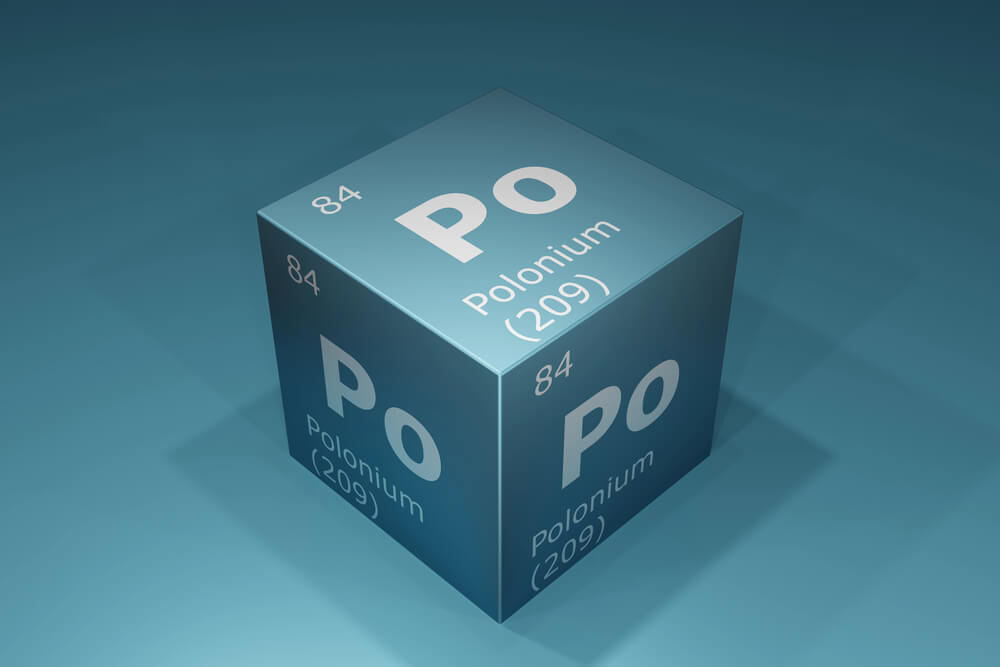
Marie Curie discovered polonium in 1898 while analyzing pitchblende ore, a uranium-rich mineral from Bohemia. The element was so weakly present in the ore that she had to process tons of raw material to isolate even a few milligrams.
Curie named it after her native Poland, a homeland she could never fully return to due to Russian occupation at the time. Tragically, the element’s intense radioactivity likely contributed to her early death, and polonium remains one of the most toxic substances known to science.
Radium: The Glowing Element That Killed Its Discoverer
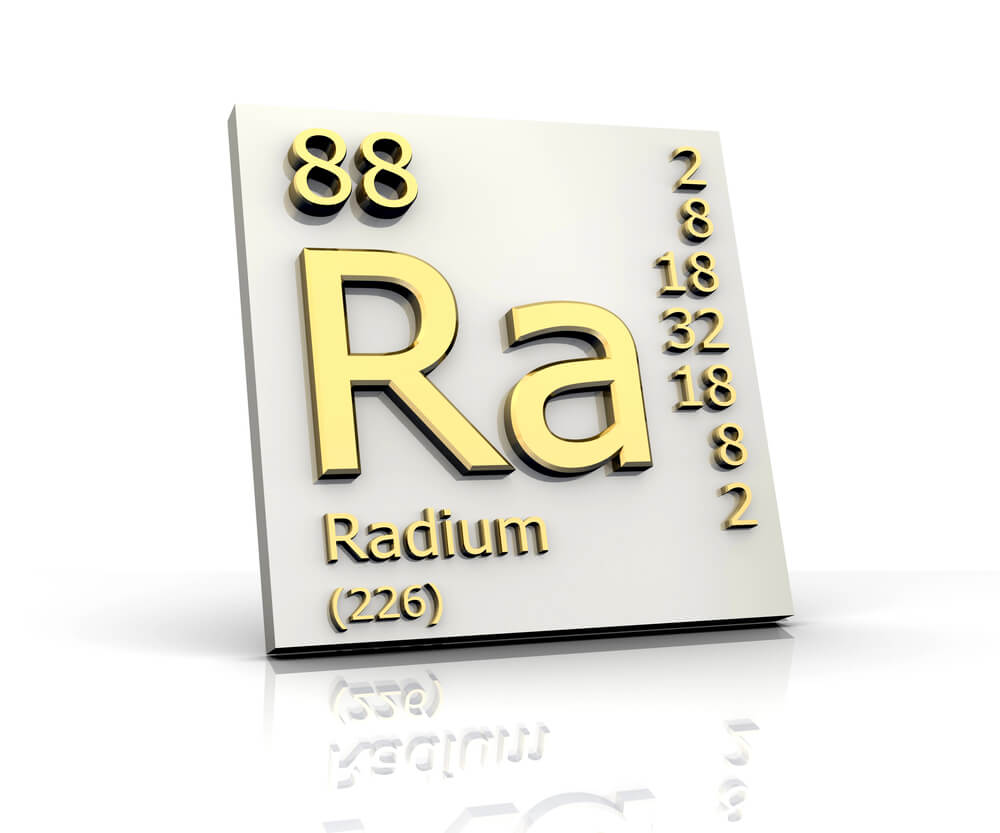
In December 1898, the Curies announced the discovery of radium after painstakingly isolating it from pitchblende residue. The element glowed with an eerie, beautiful luminescence in the dark—so captivating that radium salts were incorporated into everyday products from toothpaste to watch dials.
Marie Curie’s hands became scarred and cracked from constant exposure; her laboratory notebooks from this era are so contaminated that they remain locked away in lead-lined boxes, too dangerous to handle without protective equipment.
Francium: The Rarest Element
Discovered in 1939 by Marguerite Perey, a laboratory assistant at Marie Curie’s Radium Institute, francium is so rare that at any given moment fewer than 20 grams exist in the entire Earth’s crust. Perey made her discovery while investigating the decay of actinium-227, work that both her director and Curie’s daughter had independently asked her to complete.
Francium is so unstable that samples decay almost instantly, making it virtually impossible to study under normal conditions.
Technetium: The First Artificial Element
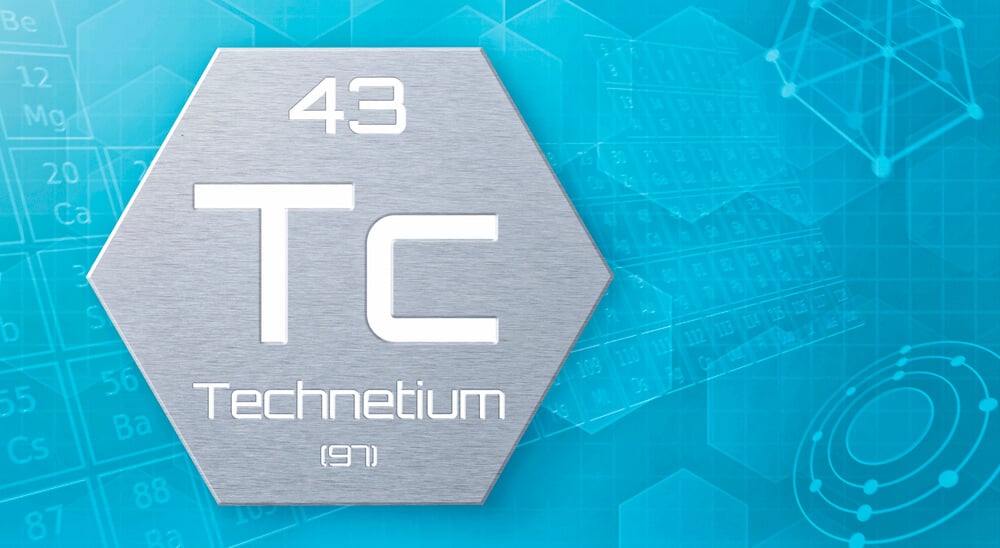
Technetium became the first element ever synthesized artificially, created in 1937 by bombarding molybdenum with deuterons in a particle accelerator. No stable isotopes of technetium exist in nature; every atom that ever existed on Earth decayed billions of years ago.
Today, technetium is manufactured specifically for medical imaging and cancer treatment, proving that human-made elements can be more useful than their natural counterparts.
Xenon: The Noble Gas That Isn’t Noble
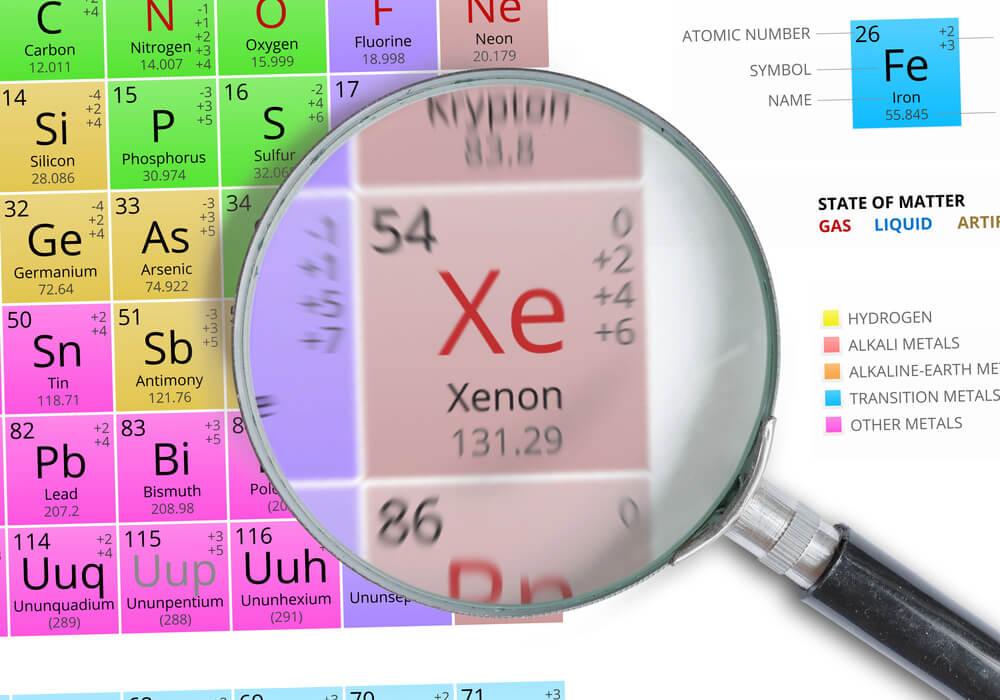
In 1898, William Ramsay and Morris Travers discovered xenon by repeatedly distilling liquid air. The name comes from the Greek word “xenos,” meaning stranger, yet for decades scientists believed xenon was completely inert and incapable of forming compounds.
In 1962, chemist Neil Bartlett shocked the scientific community by creating a xenon compound, proving that even the “noblest” of gases could betray their reputation.
Krypton and Neon: The “Forgotten” Noble Gases
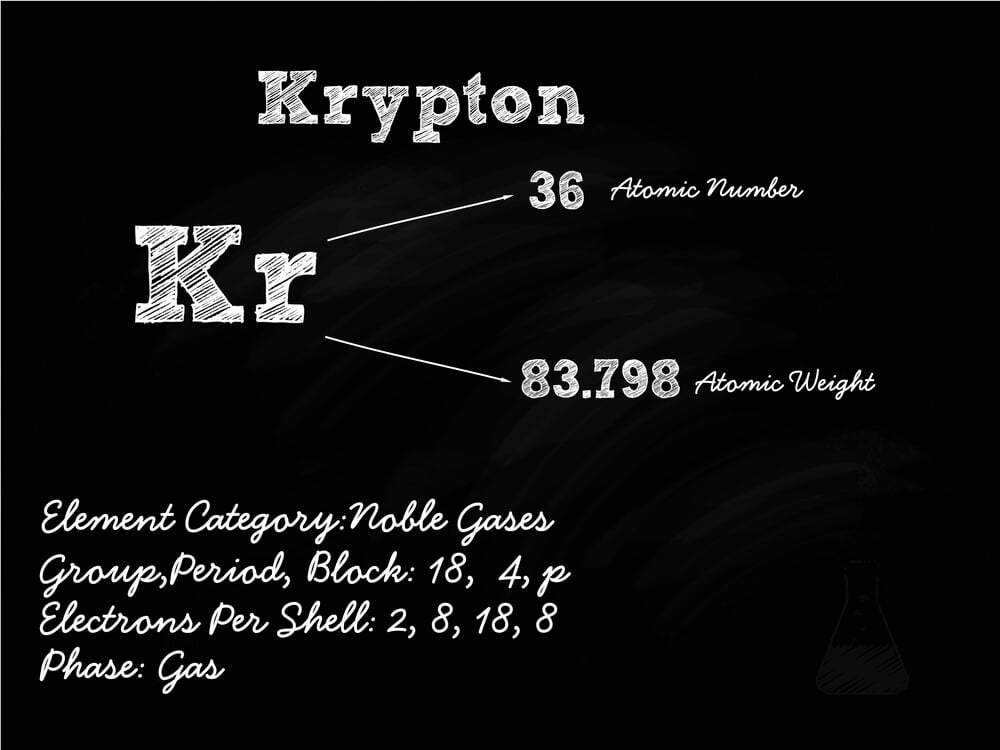
Discovered within weeks of each other in 1898 by Ramsay and Travers through fractional distillation of liquid air, both krypton and neon were initially overlooked as curiosities. They only became valuable when technological advances made their applications apparent—neon for lighting and krypton for high-performance lighting in aircraft. These elements went from being scientific footnotes to becoming indispensable to modern technology.
Helium: The Element That Fell From Space
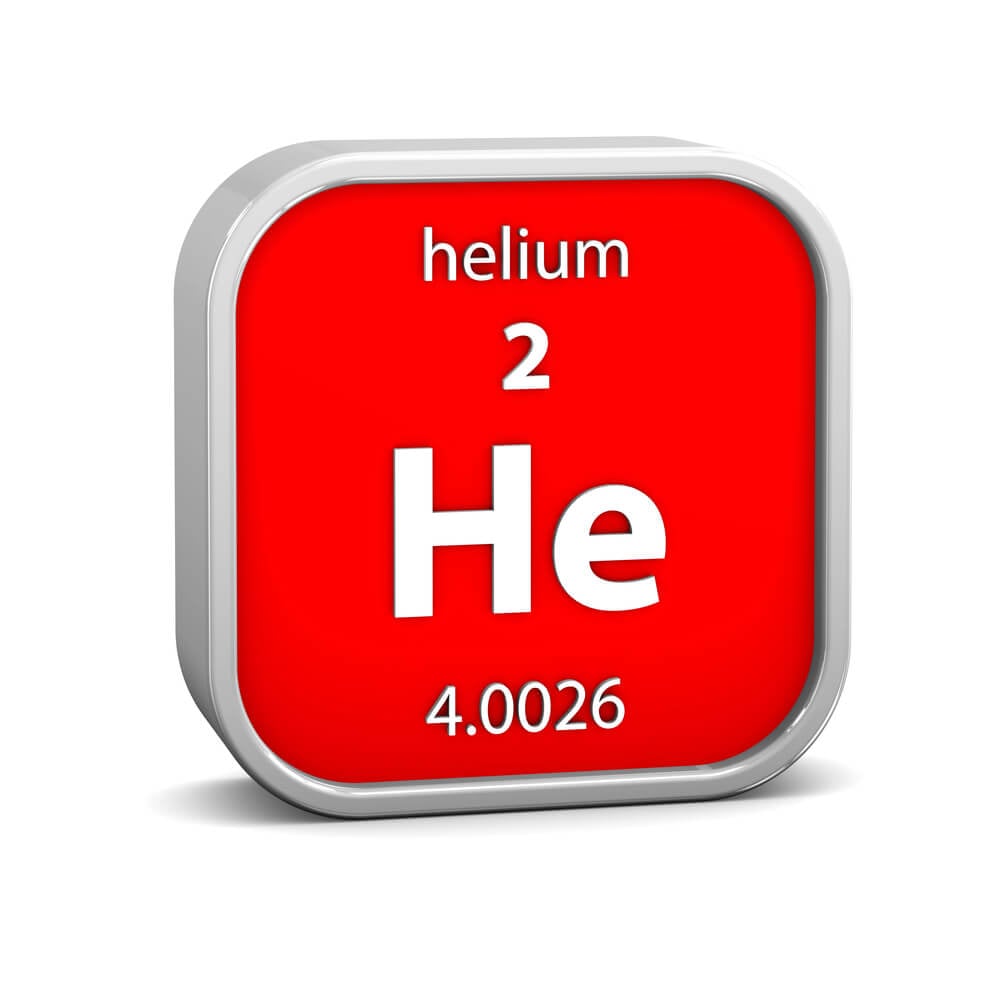
Helium was first discovered in 1868 not on Earth, but in the spectrum of the sun itself, during a solar eclipse. French astronomer Jules Janssen noticed lines in the sun’s light that didn’t match any known element and called it “helium” from the Greek word for sun. Two decades later, scientists discovered helium on Earth in certain minerals, confirming that this element truly does rain down from space in the form of alpha particles from radioactive elements.
Gallium: Predicted and Then Found
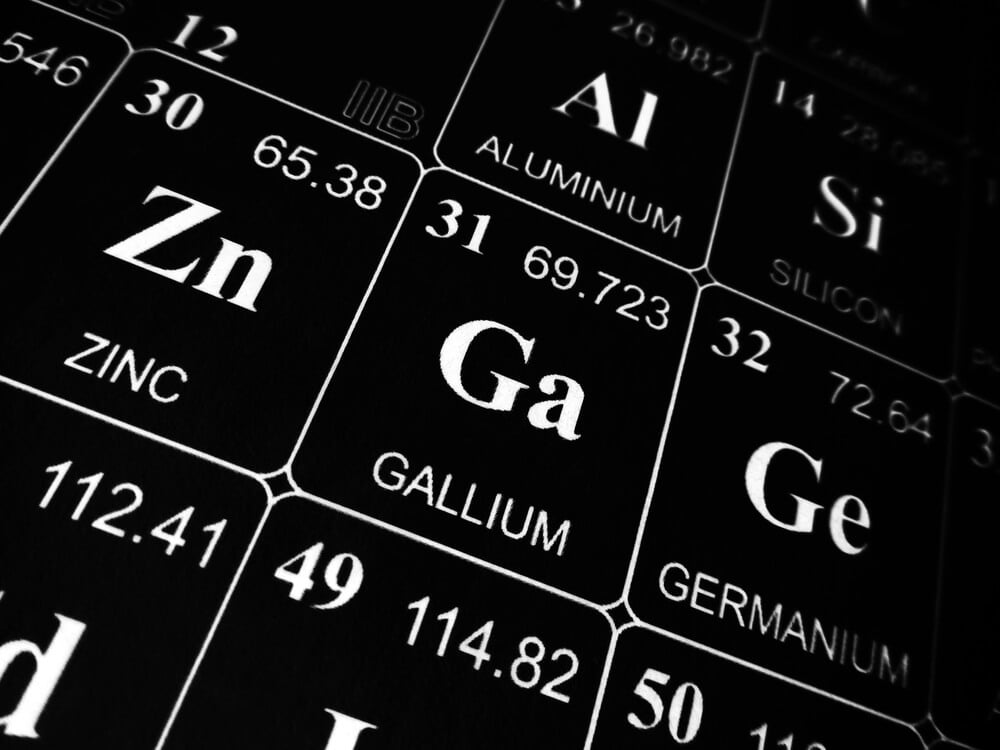
In 1875, Paul Emile Lecoq de Boisbaudran discovered gallium while analyzing zinc ore—but he only found it because Dmitri Mendeleev had predicted its existence based on gaps in the periodic table. Lecoq had the satisfaction of proving Mendeleev’s hypothesis correct, yet the prediction was so accurate that the discovery felt almost anticlimactic—the element’s properties matched the forecast with remarkable precision.
Thorium: The Radioactive Misidentification
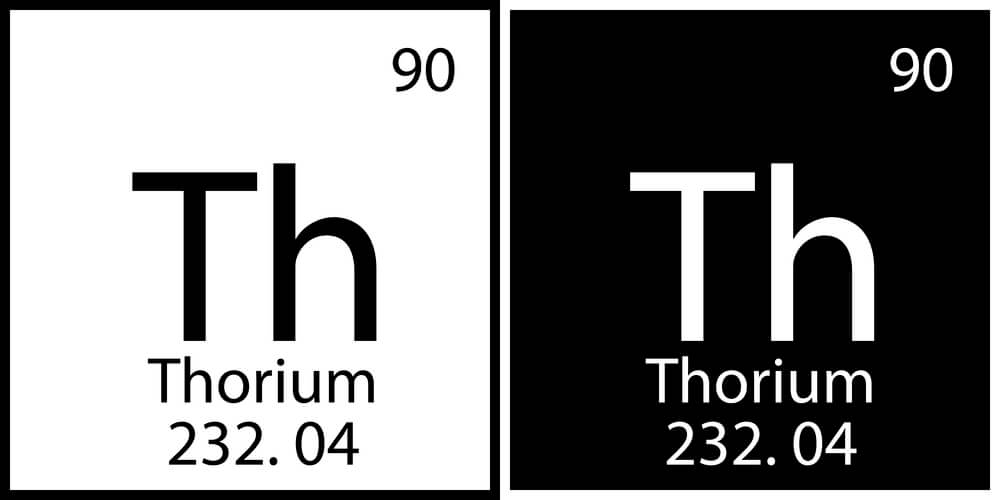
Thorium was identified in 1829 by Jöns Jakob Berzelius, but for decades scientists didn’t realize it was radioactive. It took Henri Becquerel’s discovery of radioactivity in 1896 to reveal that thorium, like uranium, continuously emits radiation.
This element sat in laboratories for years, handled carelessly by researchers unaware they were working with a hazardous substance that decays over billions of years.
Actinium: The Element Nobody Wanted
Discovered in 1899 by André-Louis Debierne, actinium was so difficult to isolate and so radioactive that for nearly a century it remained a laboratory curiosity with limited applications. Its position on the periodic table was debated, its properties barely characterized, and scientists largely ignored it.
Today, some actinium isotopes show promise in targeted cancer therapy, suggesting that even the most overlooked elements may eventually find their purpose.
Promethium: The Element From Mythology
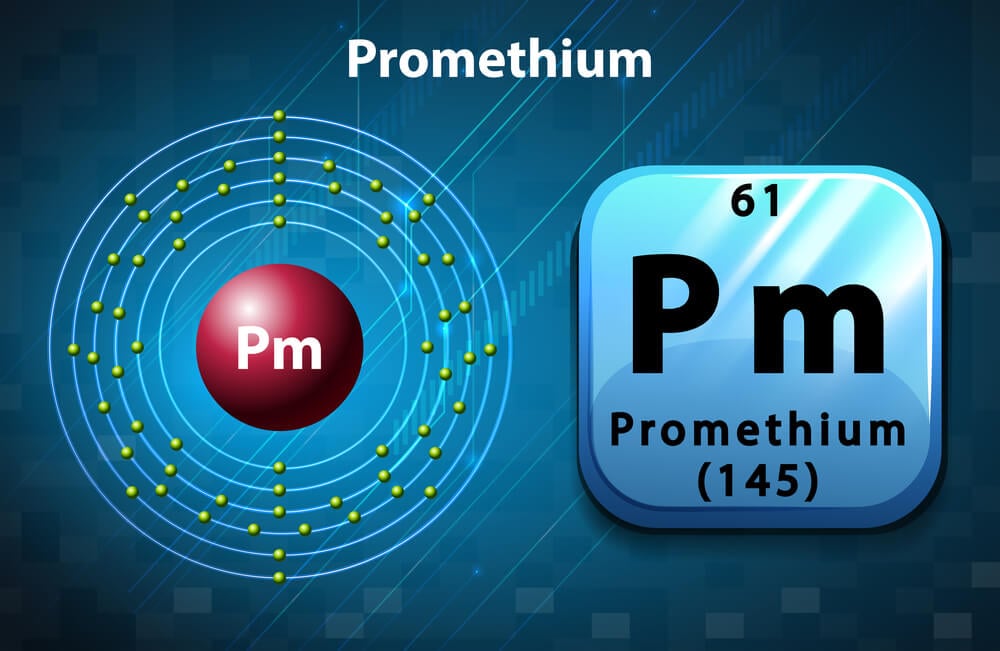
Promethium was named after the Titan Prometheus who brought fire to humanity—yet this element cannot be mined from Earth and must be synthesized artificially. It exists in nature only in trace amounts as a byproduct of uranium fission.
The mythological naming perfectly captures the irony: an element named after one of humanity’s greatest gifts, yet so unstable and rare that we must create it ourselves through nuclear manipulation.
Rutherfordium: Named After a Living Scientist
Rutherfordium (element 104) was named after Ernest Rutherford, who died in 1937. The element was first synthesized in 1969 and officially named decades after his death, not during his lifetime.
The element is so unstable that it exists for only a few seconds before decaying, making it more a concept than a substance one could hold in a laboratory.
Americium: Born From Weapons Production
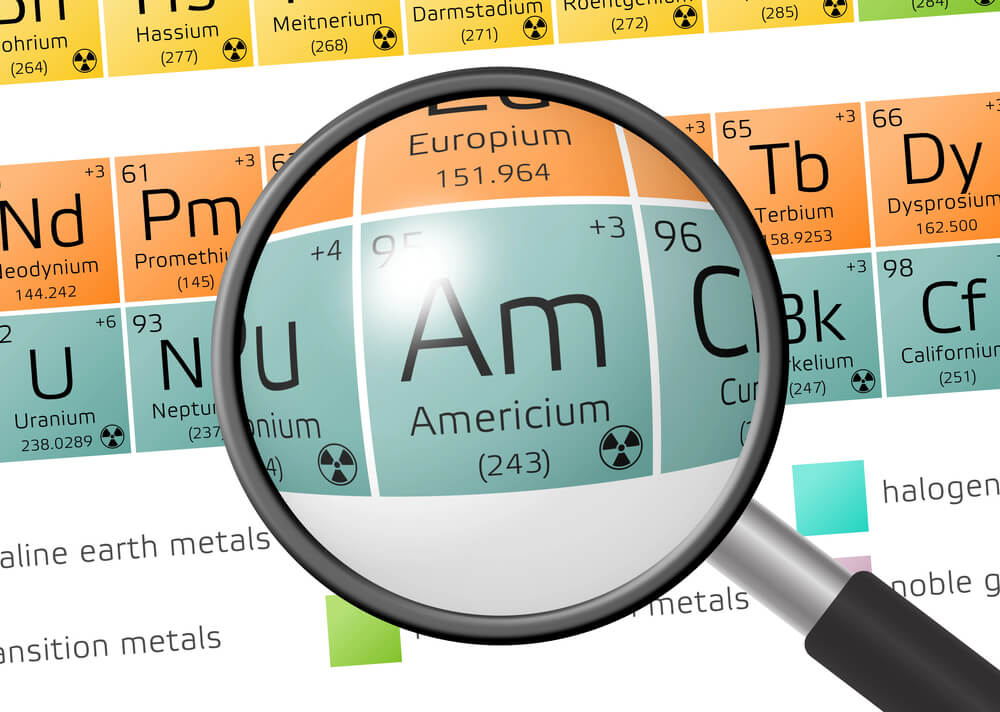
Americium was first synthesized in 1944 during Manhattan Project research aimed at creating plutonium for atomic bombs. Glenn T. Seaborg and his team produced it as a byproduct, initially calling it “curiosium” before settling on americium to match the pattern of its neighbors (europium, named after Europe).
Today, americium is found in household smoke detectors, making weapons-project research into household safety equipment.
Curium: Honoring the Curies
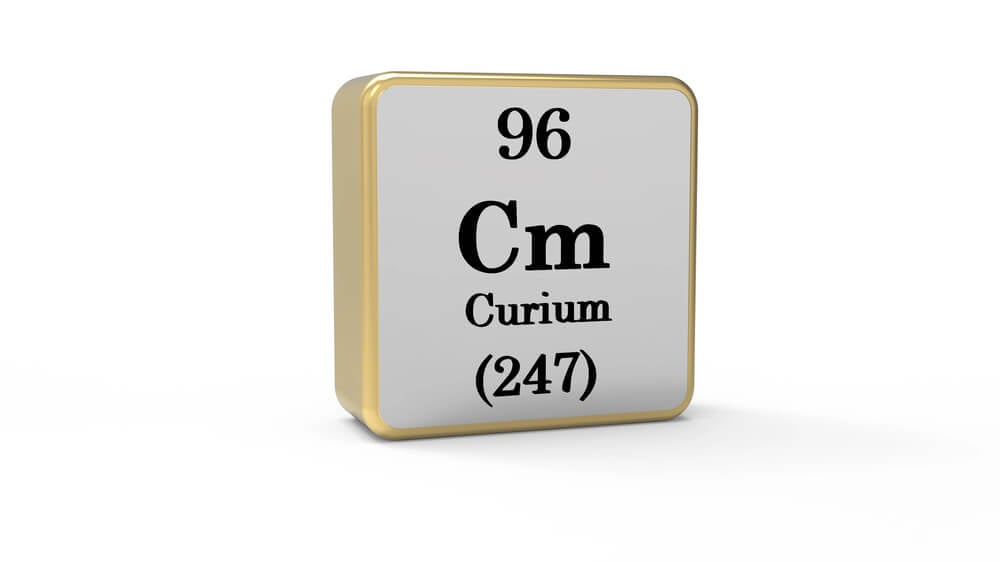
Named in honor of Marie and Pierre Curie, curium was synthesized in 1944 and remains radioactive enough to be used as a power source for spacecraft and deep-sea equipment. The element produces heat as it decays, making it useful for radioisotope thermoelectric generators.
The Curies’ legacy did not end with their discoveries; it extended into synthetic elements created decades after their deaths.
Gold: Always Valuable, Never Fully Understood
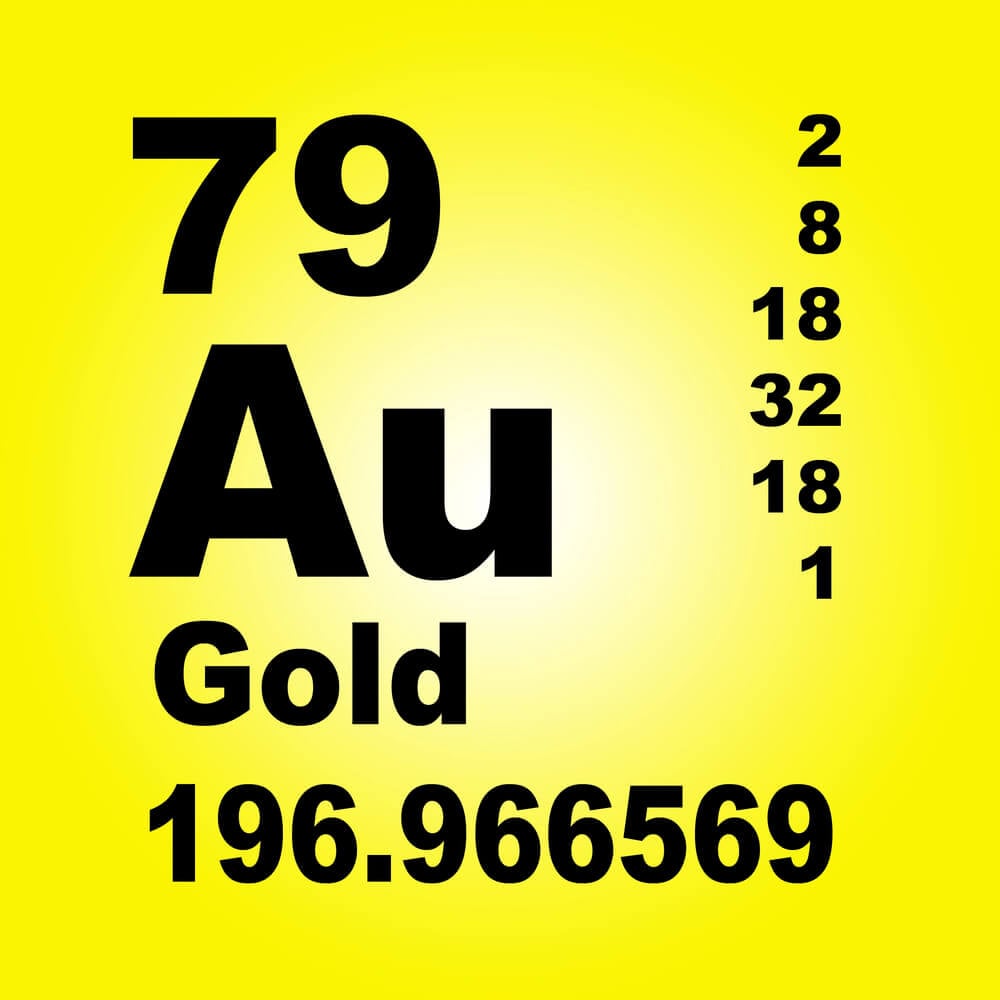
Gold has been known since ancient times, yet scientists didn’t truly understand it until the twentieth century. This element, coveted for its beauty and rarity, remained largely mysterious in terms of its atomic structure.
Ancient alchemists spent fortunes trying to create gold from base metals, never realizing that transmutation would eventually become possible through nuclear reactions—though the cost would far exceed the gold’s value.
Mercury: The Only Liquid Metal
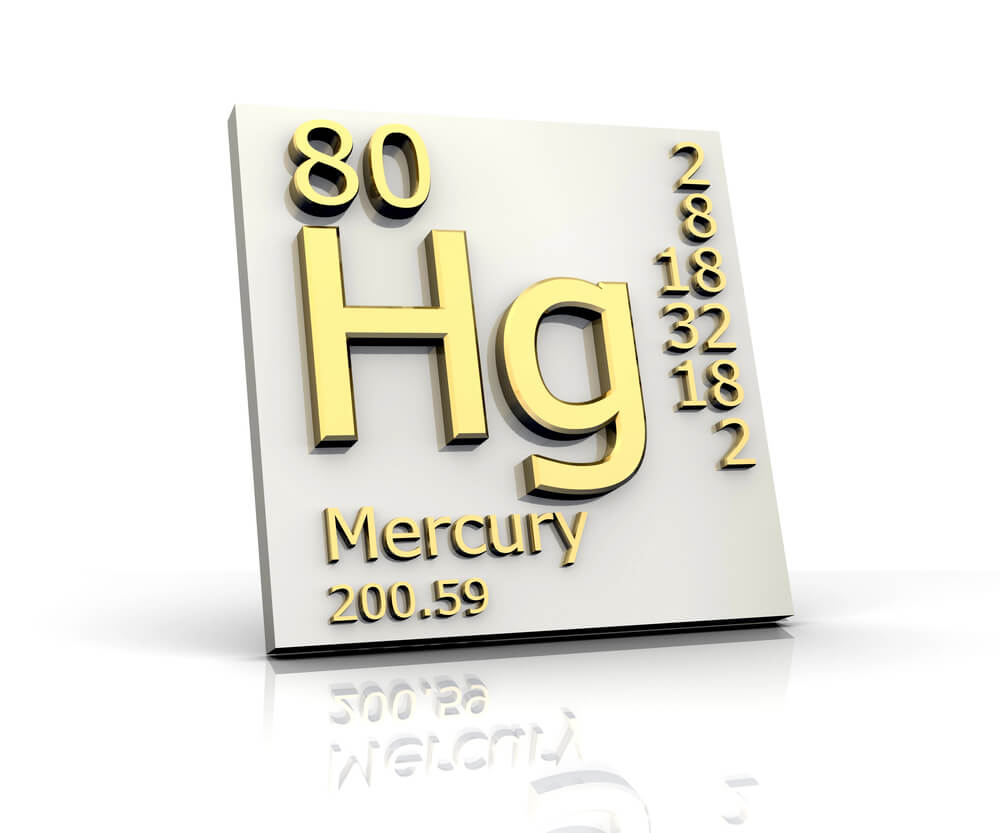
Mercury was known to ancient civilizations as “quicksilver,” yet for centuries its true properties remained puzzling. It’s the only metal that is liquid at room temperature, and this unique behavior made it valuable for thermometers, barometers, and countless laboratory experiments.
Yet mercury’s extreme toxicity wasn’t fully appreciated until the twentieth century, by which time workers and scientists had been exposed to dangerous levels.
Arsenic: The Poison With Medical Uses
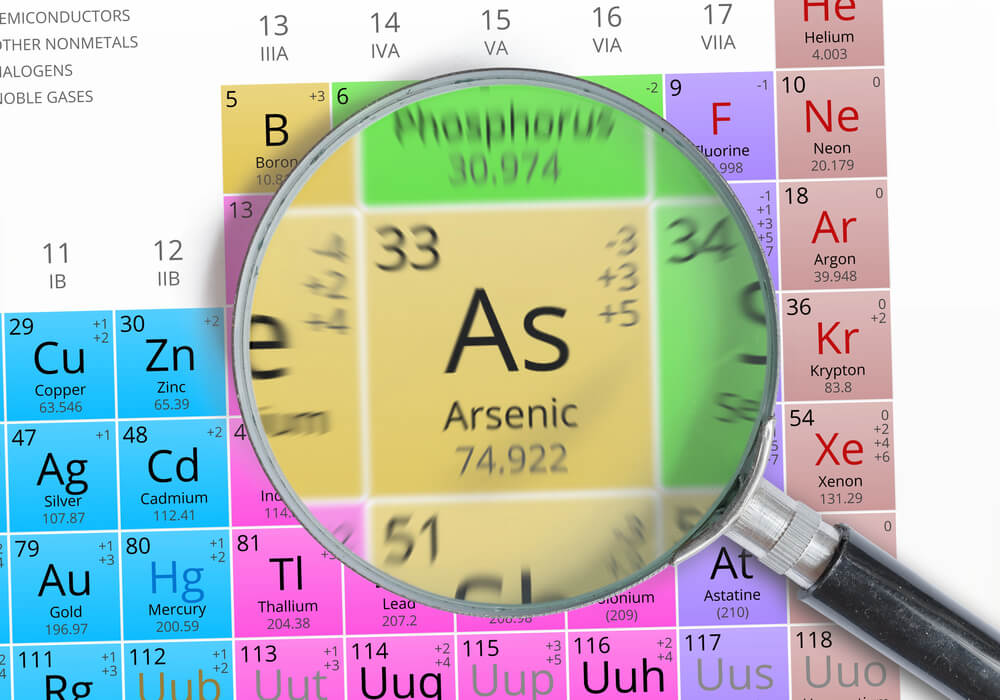
Arsenic has been notorious as a poison since ancient times, earning it a place in countless murder mysteries and historical poisonings. Yet in the early twentieth century, compounds of arsenic were used to treat syphilis before antibiotics were discovered. This element exemplifies the razor-thin line between poison and medicine—the dose and application determine whether a substance kills or cures.
Uranium: The Element That Revealed Radioactivity
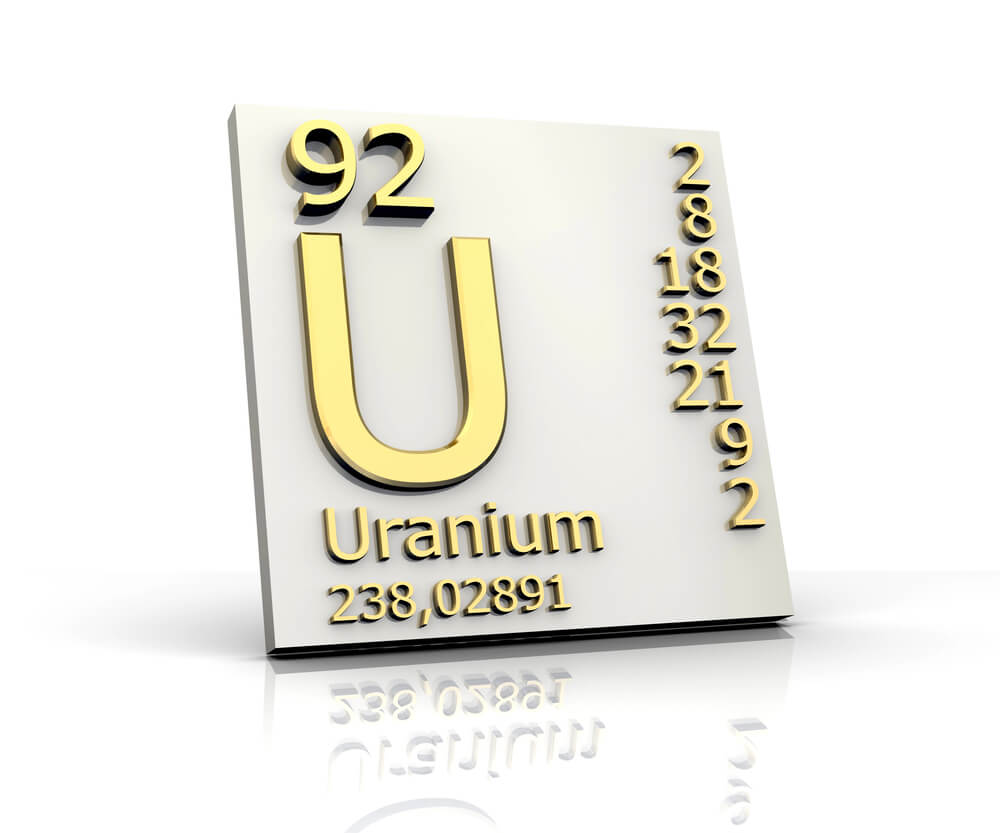
Uranium was discovered in 1789, but nobody realized it was radioactive until Henri Becquerel’s accidental observations in 1896. For over a century, it sat in laboratories, its true nature hidden. The element’s discovery of radioactivity sent shockwaves through physics and chemistry, fundamentally altering our understanding of matter and energy.
Lithium: The Mood-Stabilizing Metal
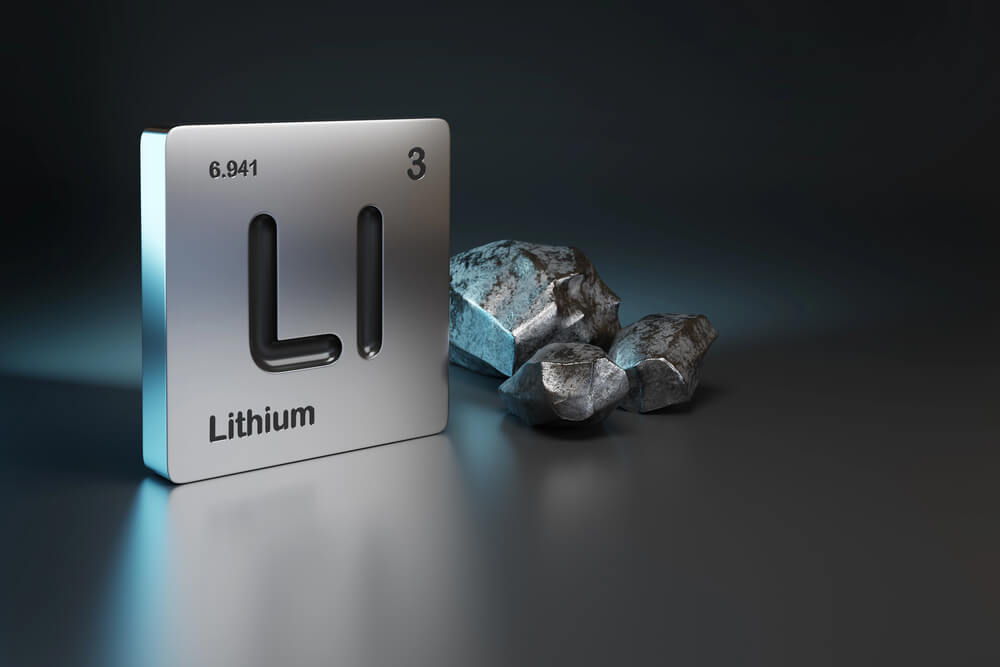
Lithium, discovered in 1817, remained a scientific curiosity until the twentieth century when its psychiatric applications were discovered almost by accident. Today, lithium salts are among the most widely prescribed psychiatric medications, helping millions manage bipolar disorder.
Few elements have had such a profound impact on human mental health.
Argon: The Element That Launched a Nobel Prize
Argon was discovered in 1894 by Lord Rayleigh and William Ramsay through remarkably careful experimental work that revealed a previously unknown noble gas. Their discovery launched an entirely new category of elements and earned Ramsay a Nobel Prize.
Yet argon remained largely mysterious and without clear applications for decades, despite its abundance in the Earth’s atmosphere.
Radon: The Invisible Home Hazard

Radon was discovered in 1900 as a radioactive gas produced by radium decay, yet for decades its danger went unrecognized. Only in the late twentieth century did scientists realize that radon seeping into homes from soil and building materials posed a significant cancer risk.
Millions of homes now require radon testing and mitigation—all because of an element discovered a century earlier that nobody fully appreciated.
Mendelevium: Proof of Predictive Power
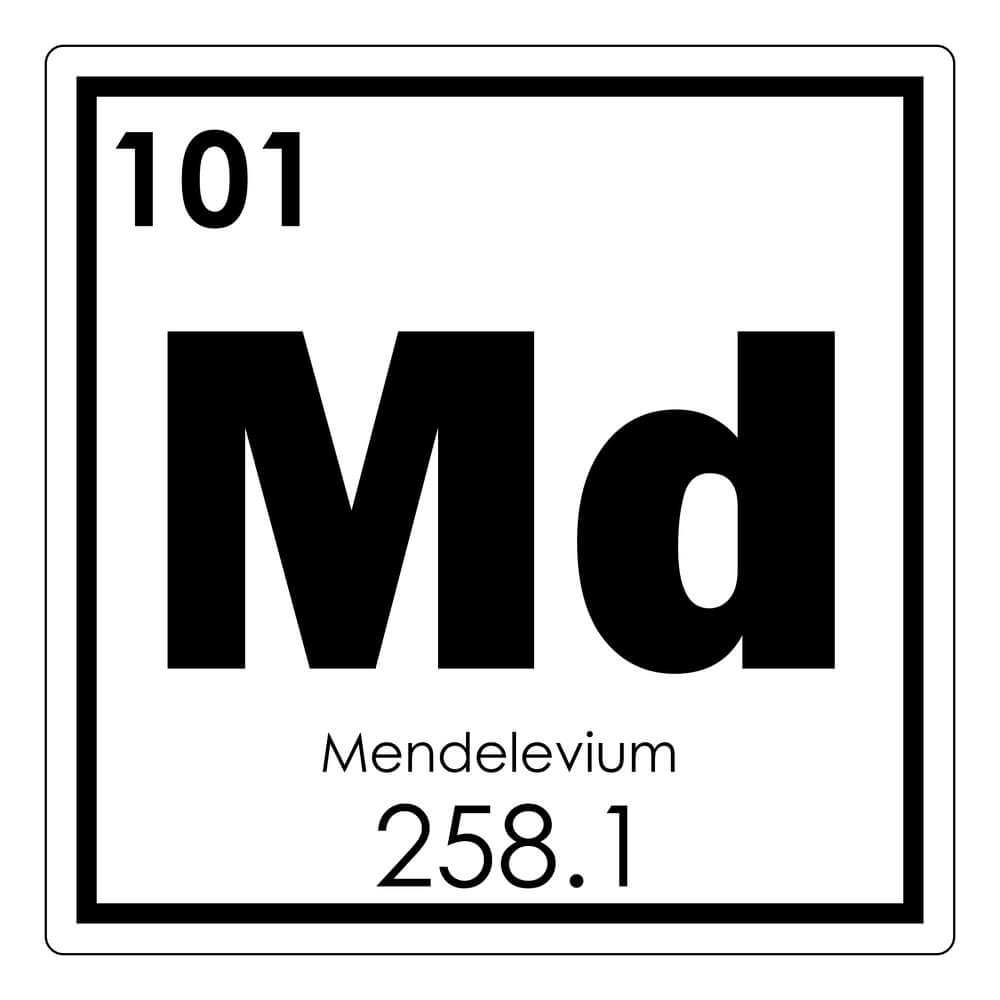
Mendelevium (element 101) was synthesized in 1955 and named after Dmitri Mendeleev, whose periodic table had predicted so many elements correctly. Creating mendelevium required bombarding einsteinium with alpha particles in a particle accelerator, consuming enormous amounts of energy to produce just a few atoms.
Yet the element’s synthesis validated Mendeleev’s vision of an orderly, comprehensible universe of elements.
Fermium: Created in Hydrogen Bombs
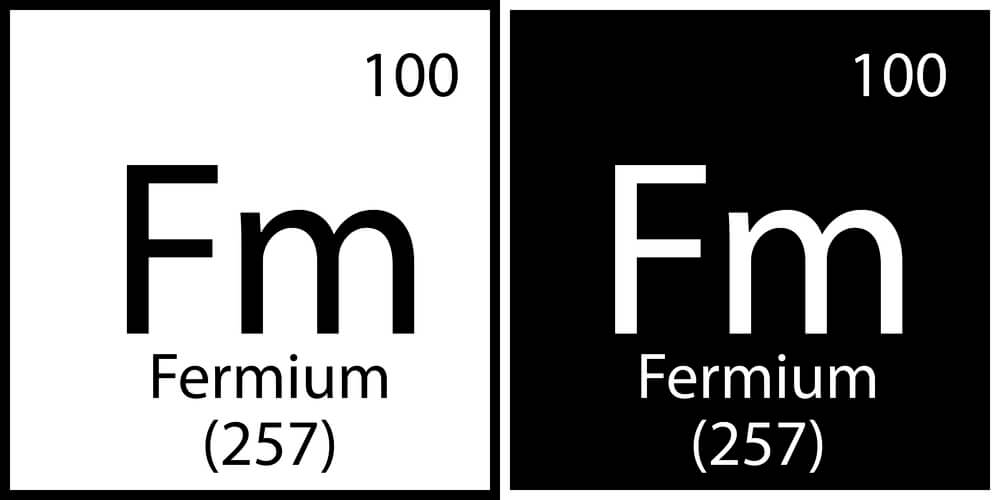
Fermium was first discovered in 1952 in the debris of the first hydrogen bomb test, making it the only element whose discovery was directly tied to thermonuclear weapons. Later, fermium was synthesized in laboratories, but its existence was first proven not through deliberate research but through nuclear weapons testing—a grim reminder of how scientific discovery sometimes emerges from instruments of destruction.
Einsteinium: The Element Named After Einstein
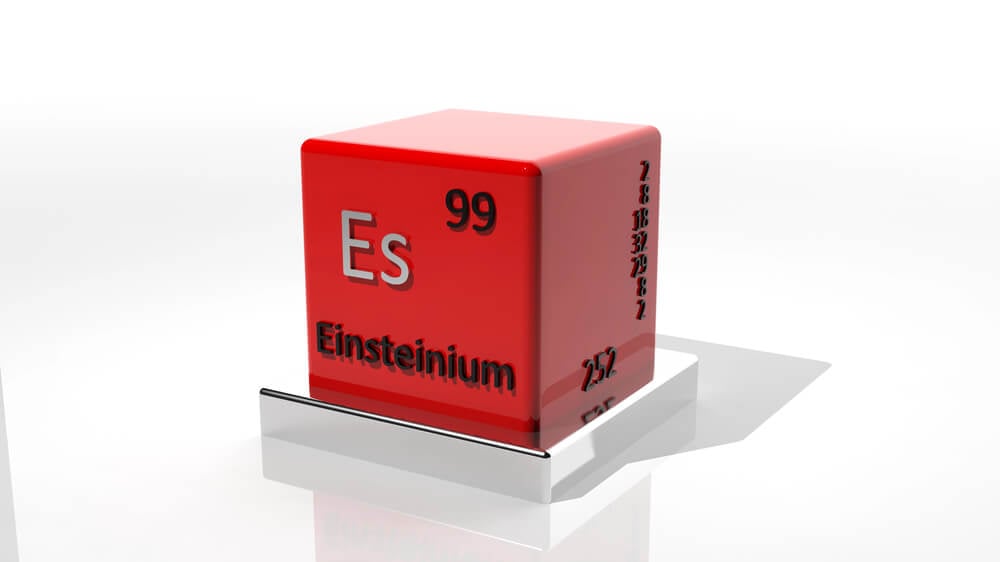
Discovered in 1952 in thermonuclear bomb fallout, einsteinium was named in honor of Albert Einstein. Creating this element required the unimaginable energy output of nuclear weapons; today it can only be synthesized in tiny amounts in nuclear reactors.
The element’s existence depends entirely on human manipulation of atomic forces, making it perhaps the most artificial of all elements.
Plutonium: The Element of War and Peace
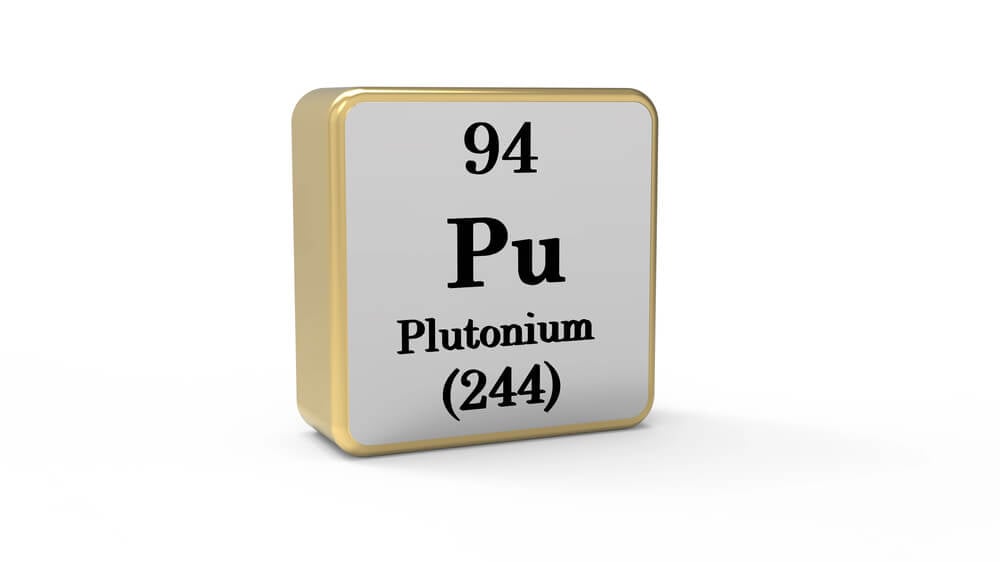
Plutonium was first synthesized in 1940 and immediately became central to the Manhattan Project’s development of atomic bombs. Today, plutonium’s applications range from nuclear power generation to NASA spacecraft, embodying both the destructive and constructive potential of nuclear science.
The element remains deeply controversial, symbolizing humanity’s conflicted relationship with atomic energy.
Neptunium: Named After the Solar System
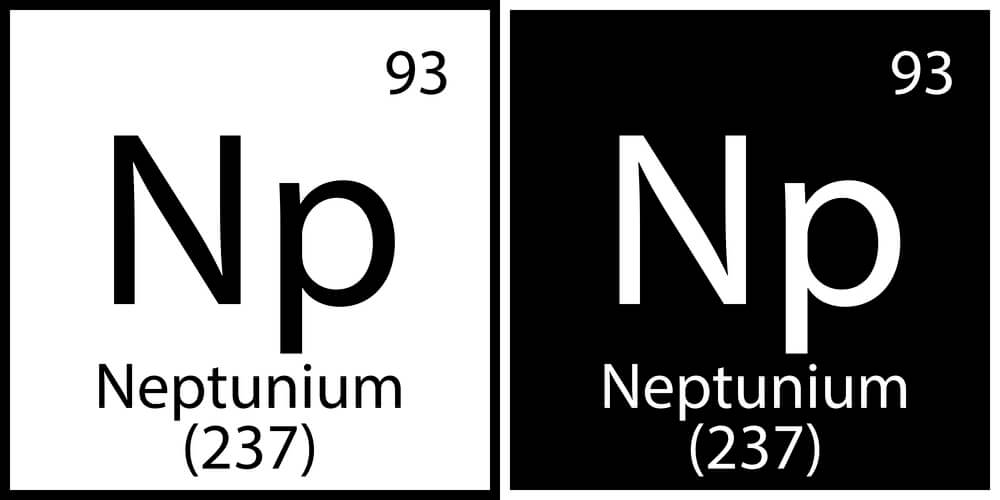
Neptunium, the first transuranium element, was synthesized in 1940 and named after the planet Neptune to maintain the pattern of naming transuranium elements after planets in order from the sun. Its discovery opened the door to an entirely new class of synthetic elements, fundamentally expanding the periodic table beyond the ninety-two naturally occurring elements discovered over centuries.
The Story Written in Elements
Each element on the periodic table carries within it the fingerprints of human ambition, curiosity, and sometimes folly. Some were discovered through patient, methodical work; others through accidents that changed the course of science.
Together, they form a record not just of chemistry, but of the human endeavor to understand the fundamental building blocks of existence.
More from Go2Tutors!

- The Romanov Crown Jewels and Their Tragic Fate
- 13 Historical Mysteries That Science Still Can’t Solve
- Famous Hoaxes That Fooled the World for Years
- 15 Child Stars with Tragic Adult Lives
- 16 Famous Jewelry Pieces in History
Like Go2Tutors’s content? Follow us on MSN.