30 Neighborhood Games That Needed Nothing but Chalk and Daylight
The concrete of the sidewalk was your arena. A stick became a bat, a stone became a game piece, and chalk transformed asphalt into a grid of infinite possibility.
These games required no electricity, no parents standing nearby with a waiver, and no equipment store receipts. A handful of neighborhood kids and daylight was all the requirement.
Most of these games have nearly vanished, not because they stopped being fun, but because the conditions that made them work—unsupervised outdoor time, kids playing together without advance scheduling, and enough time between breakfast and dinner to get truly lost in something—became harder to find.
Hopscotch
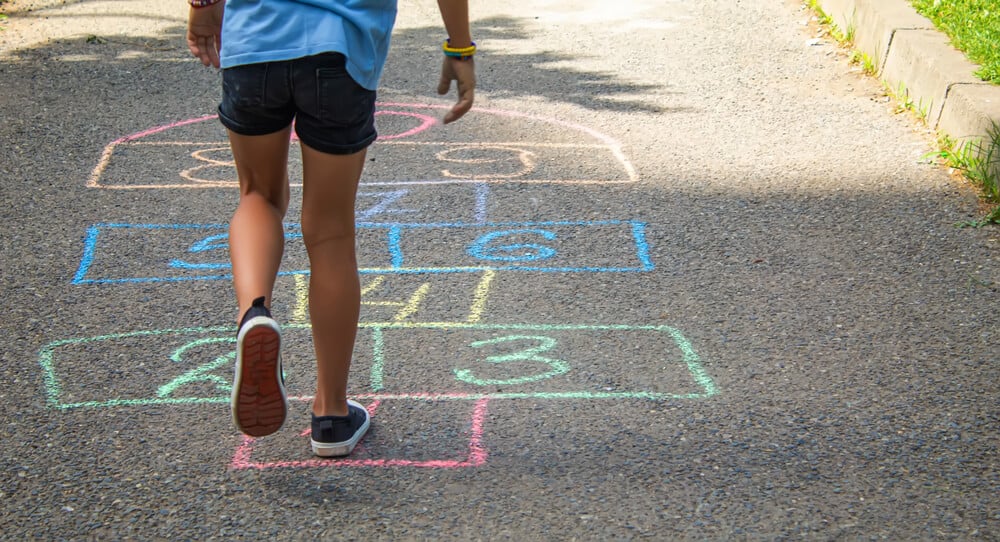
Chalk marked out the court, and the game was simple: throw a pebble into numbered squares and hop through, jumping on one foot or two depending on the layout. The challenge wasn’t just physical but mental—you had to remember which squares were single-foot and which were double, and touching a line meant starting over.
Different neighborhoods played with different numbered sequences, and girls (mostly) claimed entire sections of sidewalk for weeks at a time.
Marbles
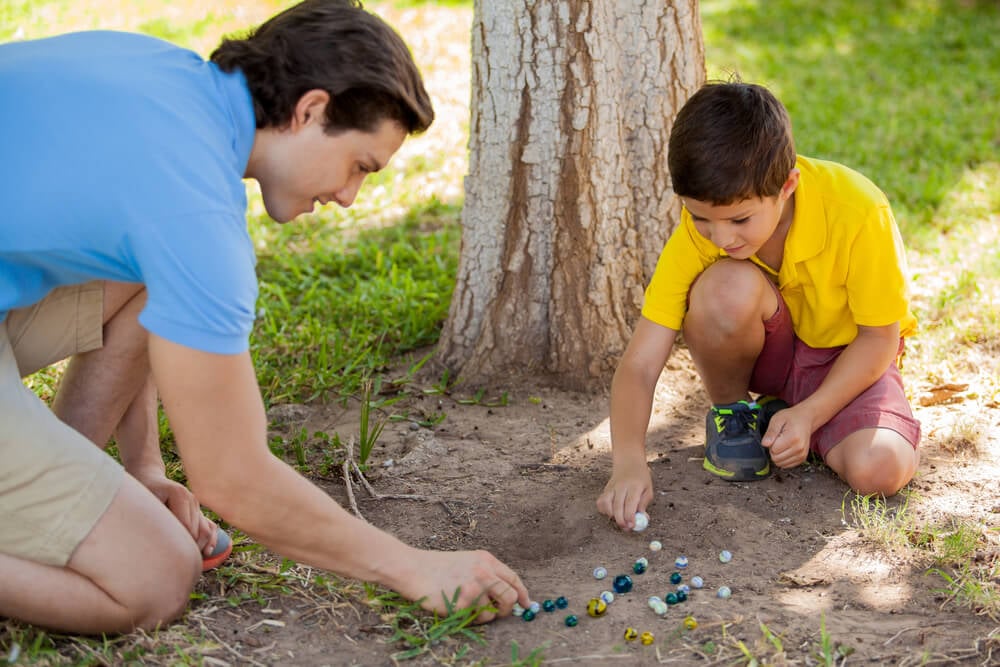
Draw a circle in chalk, drop marbles in the center, and the game began. Players knelt and flicked their largest marble—the shooter—trying to knock smaller marbles out of the ring and pocket them.
Winning marbles belonged to you. Losing marbles went home with someone else.
A kid could gain and lose entire fortunes in glass spheres over the course of a summer.
Skully
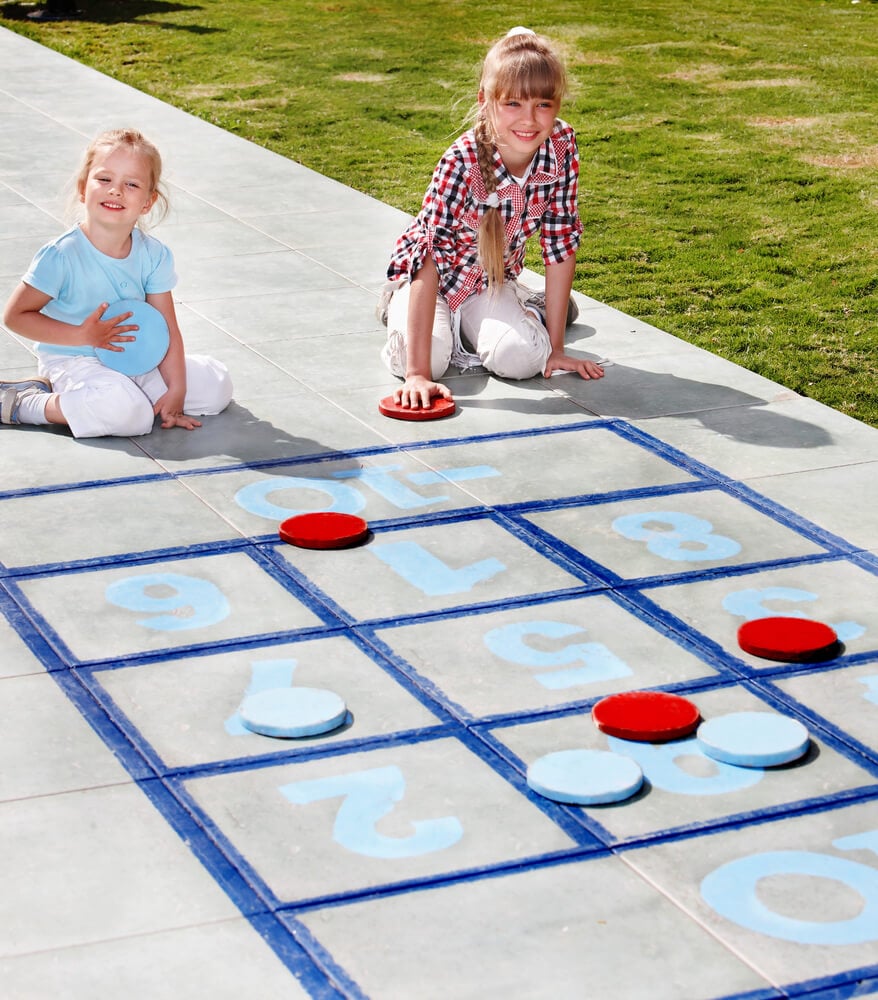
Also called skelly or scullies, this street game used chalk to draw a board divided into numbered spaces on the pavement. Players flicked small metal caps or bottle tops up through the numbered boxes in sequence, trying to land in specific squares without stepping on lines.
It was a game of precision, and championship players could flick their caps with remarkable accuracy from across the board.
Four Square
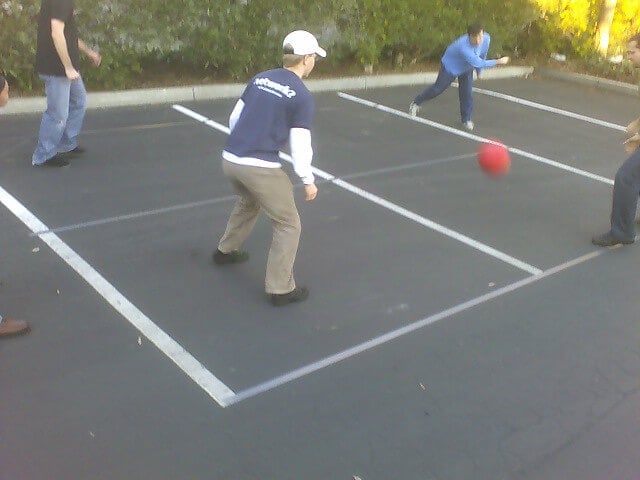
Four square courts were chalked onto any flat pavement, creating four boxes numbered one through four. Four players took positions, bouncing a playground orb among the squares.
The player in square one made the rules for that round. Break a rule and you moved down the rankings or got eliminated.
The best part was that each group invented their own variations, so the rules shifted from block to block.
Jacks

Grab the tiny metal pieces off the asphalt fast enough to catch the bouncing orb before it landed twice. Jacks required speed, coordination, and a ritual hunt for the flattest, bounciest small orb.
Kids progressed through “onesies,” “twosies,” and beyond, grabbing increasing numbers of jacks between bounces. Many never got past “fivesies.”
Red Light, Green Light
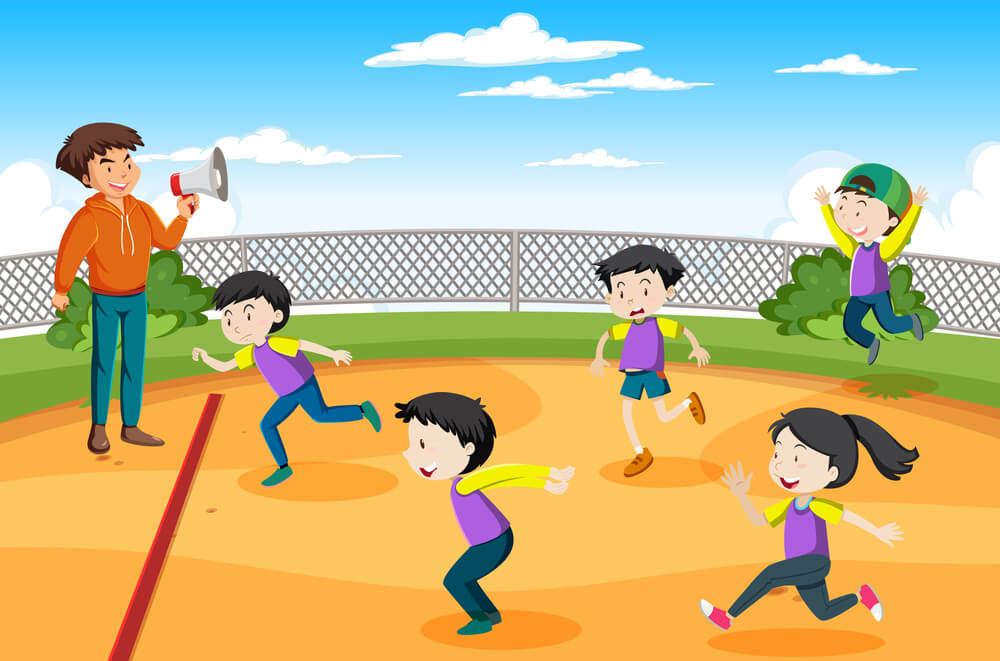
One player faced away from the others, shouting “green light!” while everyone ran forward. At “red light,” the line turned and called it, and everyone had to freeze.
Anyone caught moving went back to start. It taught deception—running during red light and standing perfectly still while everything in you wanted to fall down.
Tag
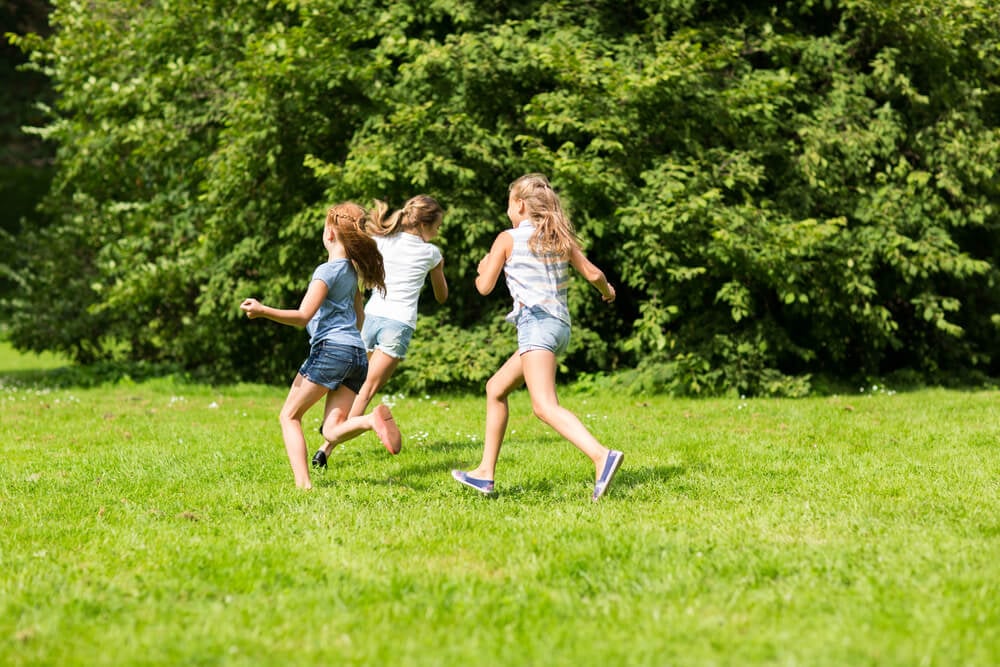
The simplest rule set became endless variations. Freeze tag meant you stayed frozen until another player freed you.
Chain tag meant those tagged linked together, becoming harder to escape. Tunnel tag let caught players form tunnels others could run through to split the chain.
One person was “it,” and the whole neighborhood played in yards, alleys, and sidewalks until someone’s mom called them inside for dinner.
Capture the Flag
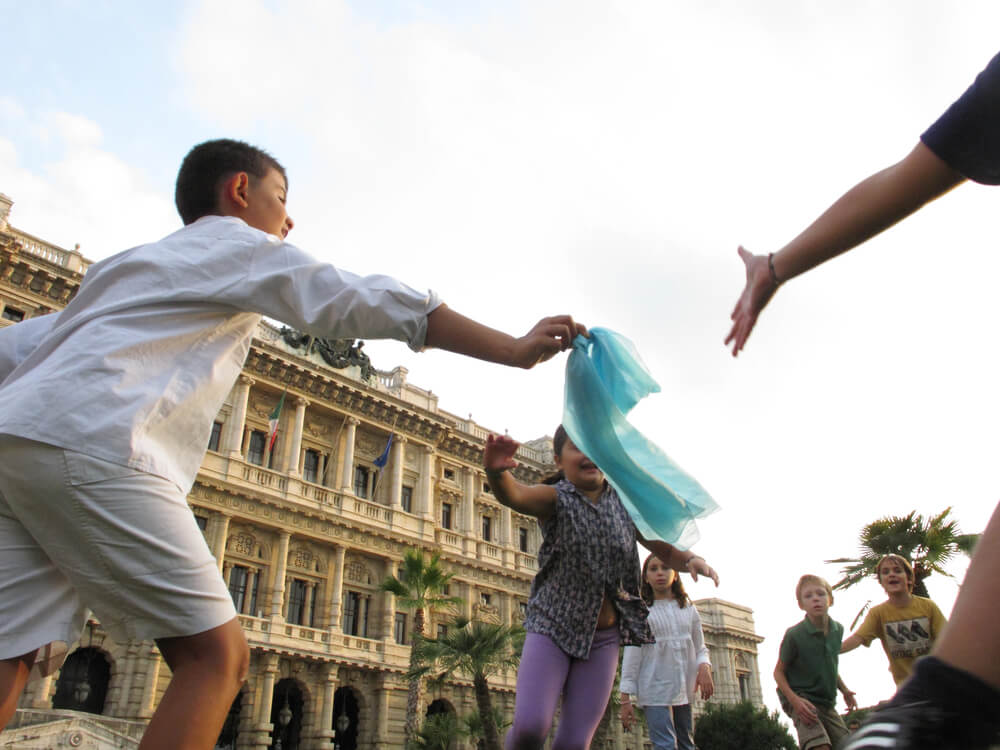
Divide into two teams, plant a flag (or stick, or piece of cloth) in each territory, and send everyone running. The objective was to grab the other team’s flag and get it back to your side without being tagged.
Strategies evolved over entire afternoons. Some kids rushed the flag immediately; others played defense.
Games lasted hours and left everyone out of breath.
Hide and Seek
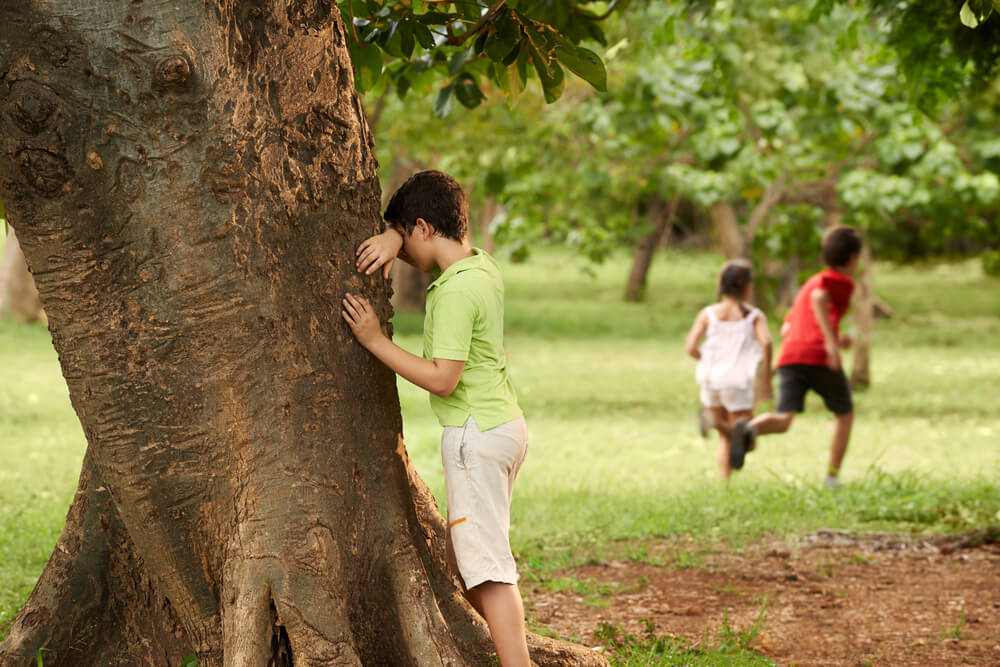
Designate a base, count with your eyes closed while everyone scattered, then search. Hidden players had to make it back to base without being tagged or found and called out.
It stretched through yards, into bushes, behind parked cars. Kids got creative with hiding spots.
It was the closest thing to genuine wilderness exploration most neighborhood kids experienced.
Kick the Can
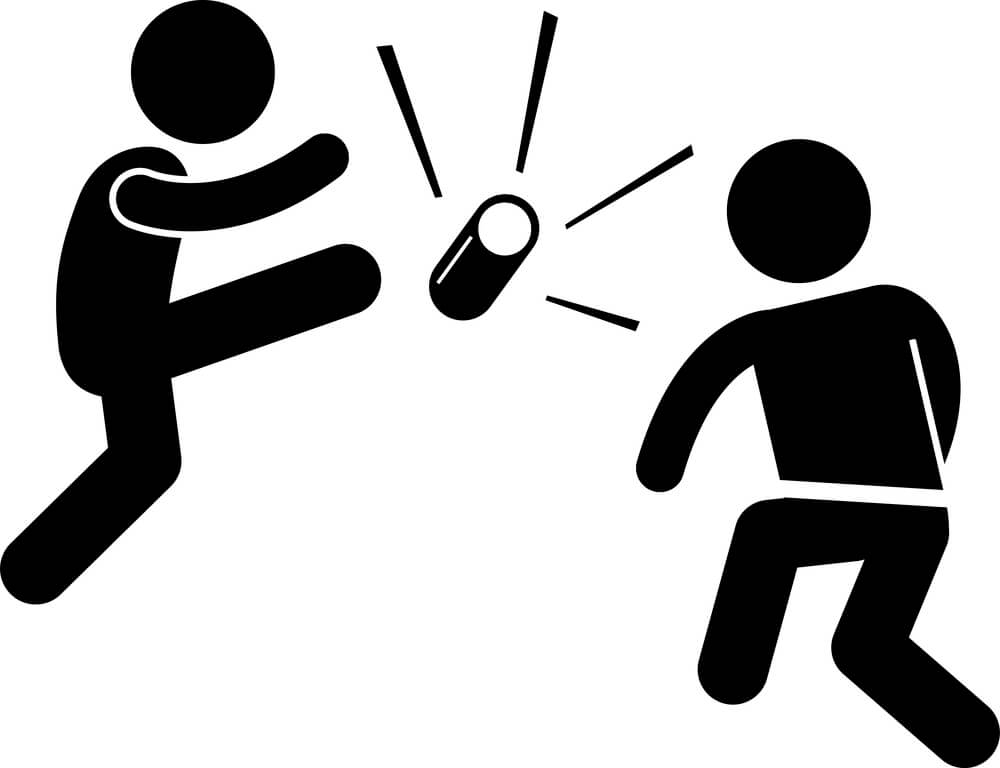
Similar to hide and seek, but with a can that got kicked to start the round. Hiders then tried to run back and kick the can over again while the seeker wasn’t looking.
If the seeker found the can again before anyone kicked it, they won. If a hider got to it first and launched it across the street, hide and seek continued.
Double Dutch
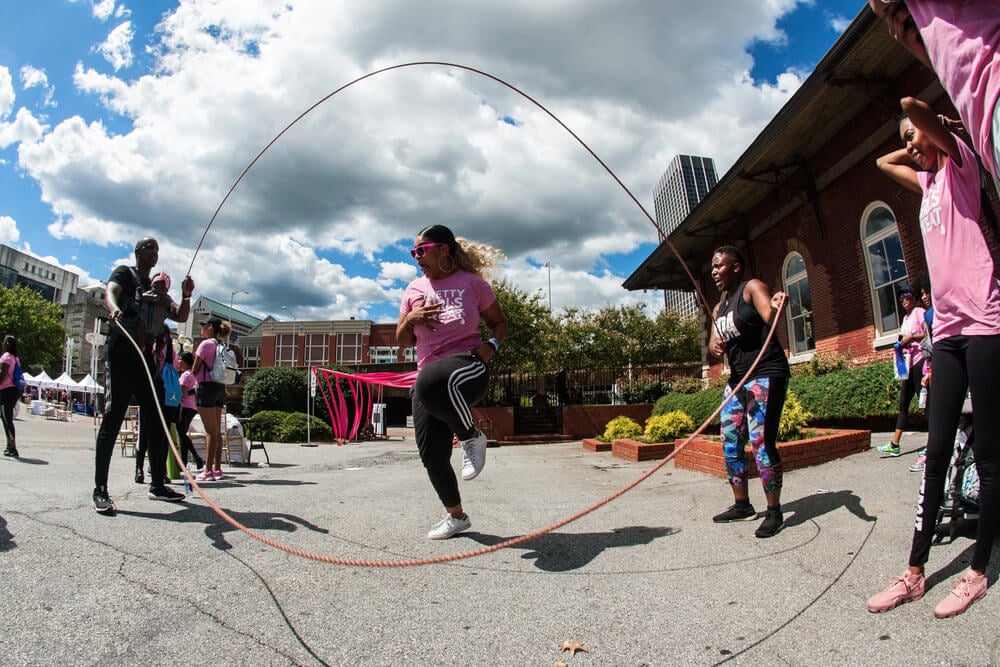
Two ropes turned together in opposite directions. A single jumper had to jump into the middle and land between them without tripping.
The ropes moved fast, and jumping required rhythm and courage. Groups of kids stood around watching, waiting for their turn, while the best jumpers could land tricks that made everyone stop and stare.
Stickball
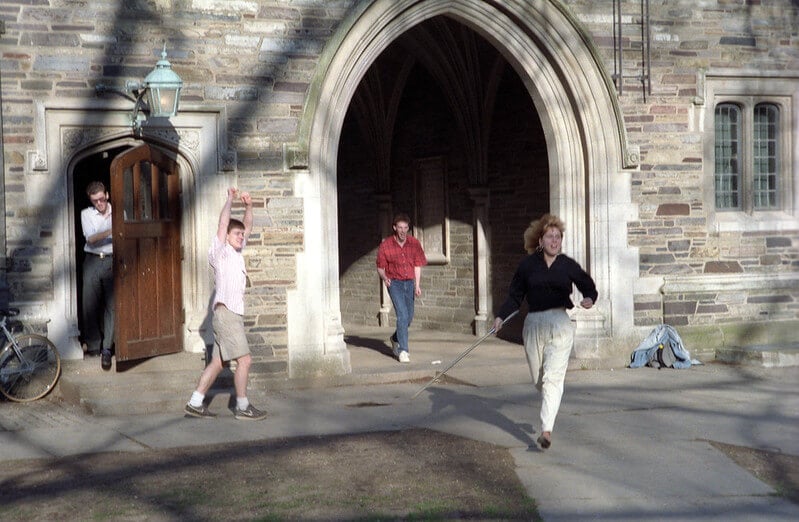
A broomstick became a bat. A rubber orb—or whatever orb was available—became the pitch.
Manhole covers or fire hydrants served as bases. A stick-thin kid who could connect solid enough to send the orb three buildings down the street became a legend.
It required nothing but an empty street and someone fast enough to field in traffic.
Red Rover
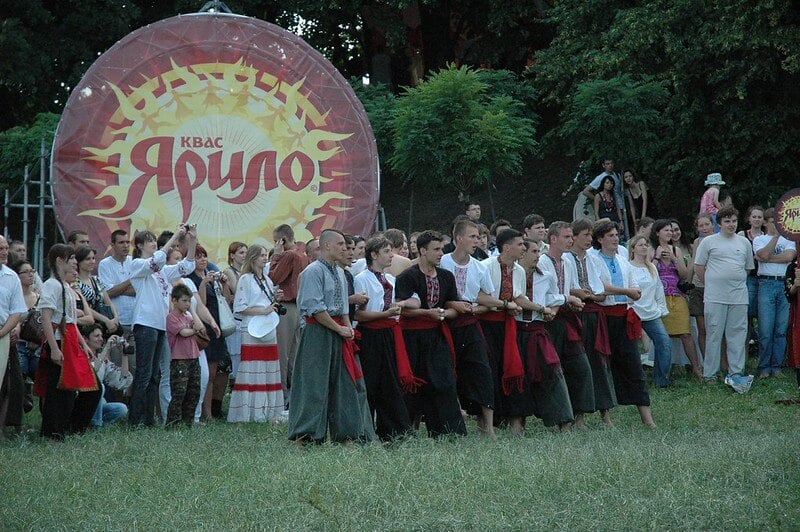
Two lines of kids faced each other, hands linked tight. One line called out “Red Rover, Red Rover, send (name) over.”
The called kid ran full-speed at the line trying to break through the linked hands. If they broke through, they won.
If they bounced back, they joined the other line. It was a test of strength and it ended with everyone bruised but laughing.
Leapfrog
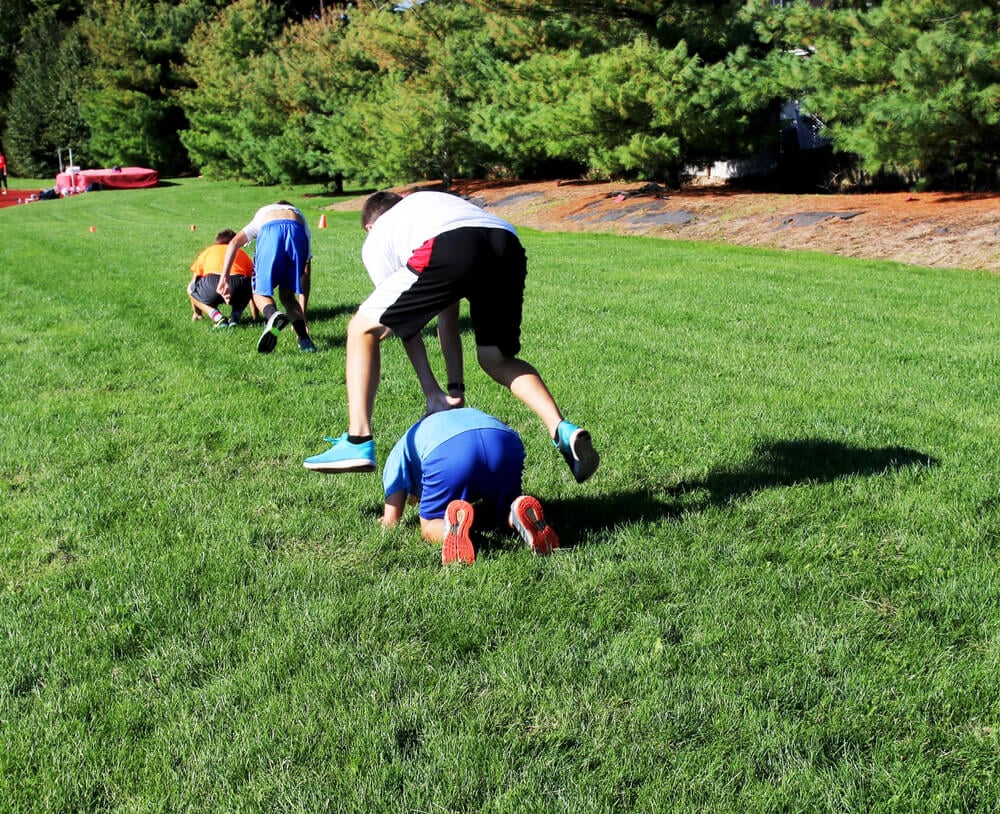
The oldest game on the list, unchanged in centuries. One player bent over while the next jumped over them, landing ahead and bending over themselves.
The line got longer and more complicated as it grew. It took no equipment and worked in any open space—yards, parking lots, fields.
Blindman’s Buff

Someone got blindfolded, spun around, and had to catch other players by touch and sound alone. When caught, that player became the blind person.
The game required trust and created strange moments of vulnerability—you couldn’t see, you didn’t know who was near, and you had to listen and feel your way through the game.
Mumblypegs
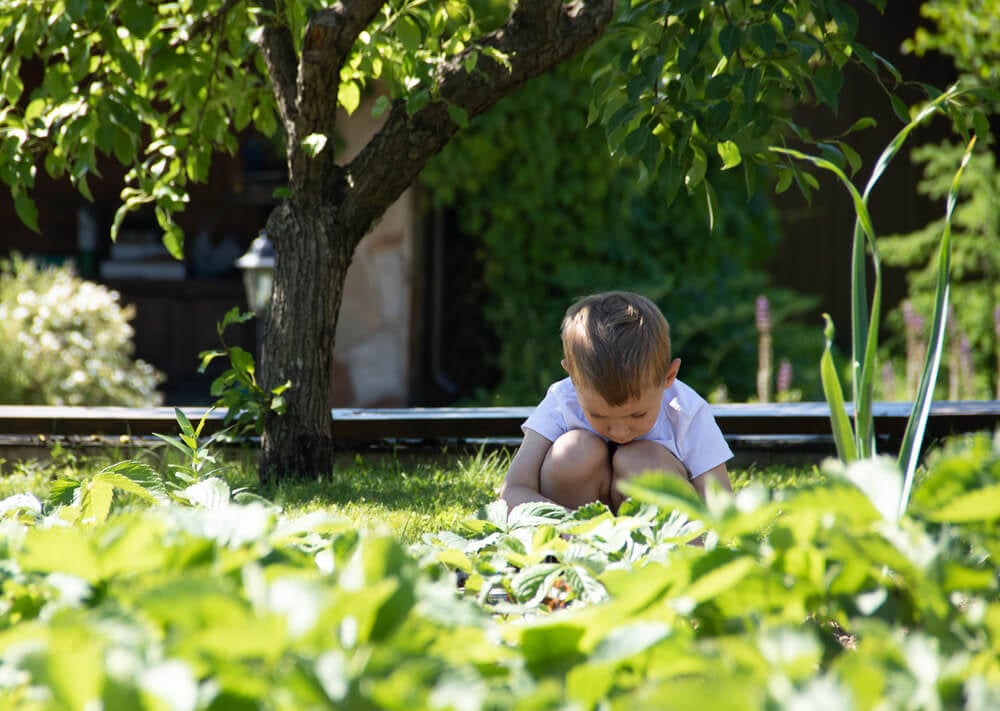
Also called mumbly-peg, this game involved flicking a small pocketknife so it landed blade-down in the dirt. Each successful landing completed a step in an increasingly difficult sequence of finger positions and hand tricks.
One misstep and you started over. It was a quiet, concentrated game that happened in yards while louder games raged nearby.
Tops
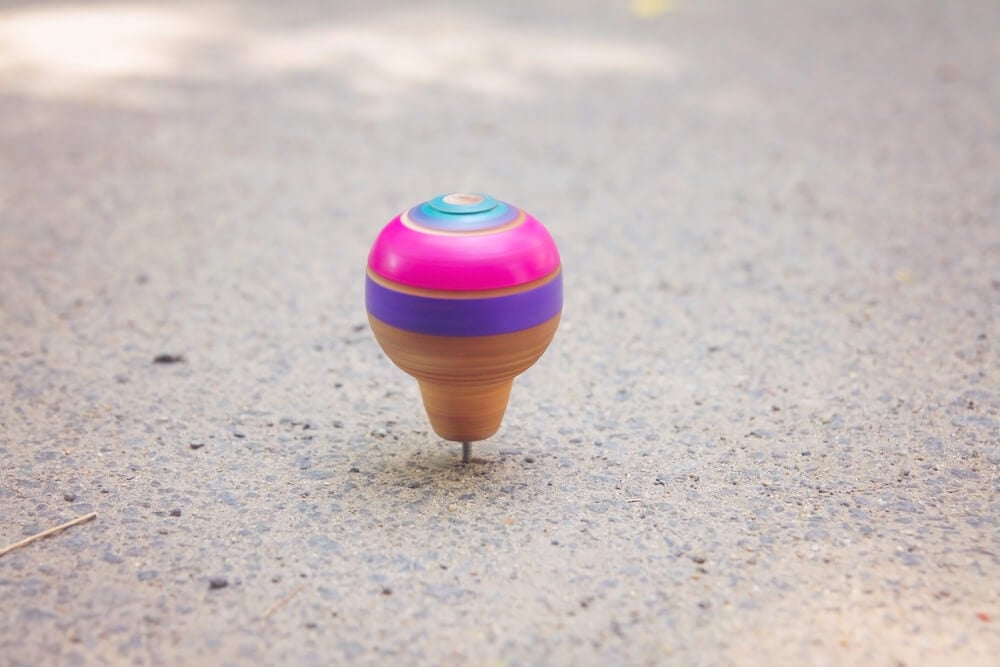
Spin a wooden top as hard and long as possible. First, you had to master the throw—the twist and flick of wrist and fingers that sent the top spinning.
Then you challenged other tops. Tops that spun longest won.
Kids decorated theirs with paint or markers, and a good top commanded respect.
Hare and Hounds
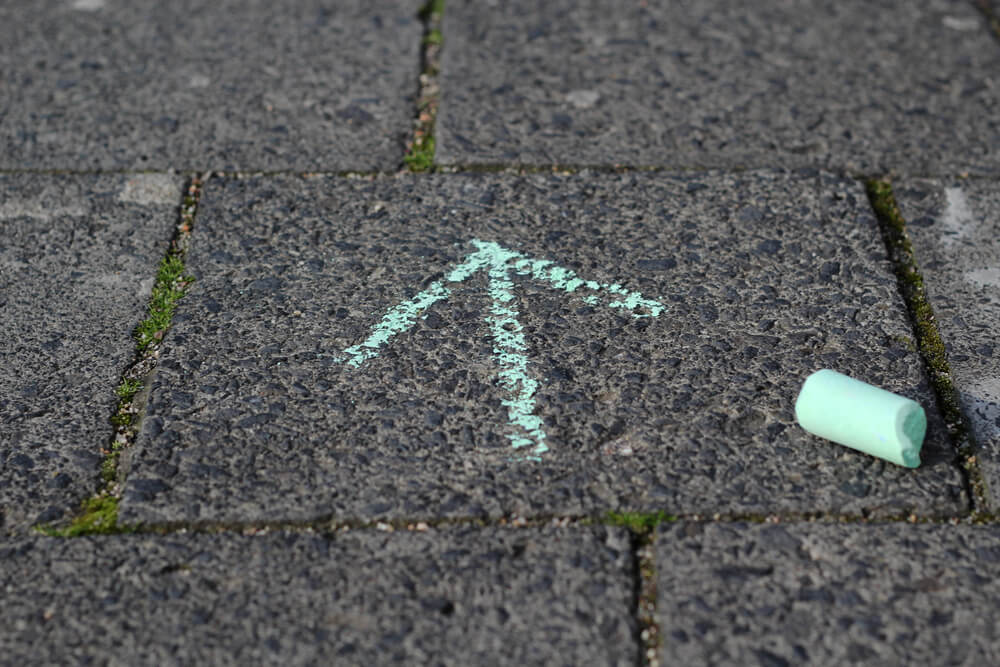
One player (the hare) ran ahead leaving a chalk trail or torn paper marks on sidewalks and alleys. The hounds chased, following the trail.
The hare had to circle back without being caught. It was tag played across an entire neighborhood, with strategy built into every turn and every marked corner.
Prisoner’s Base
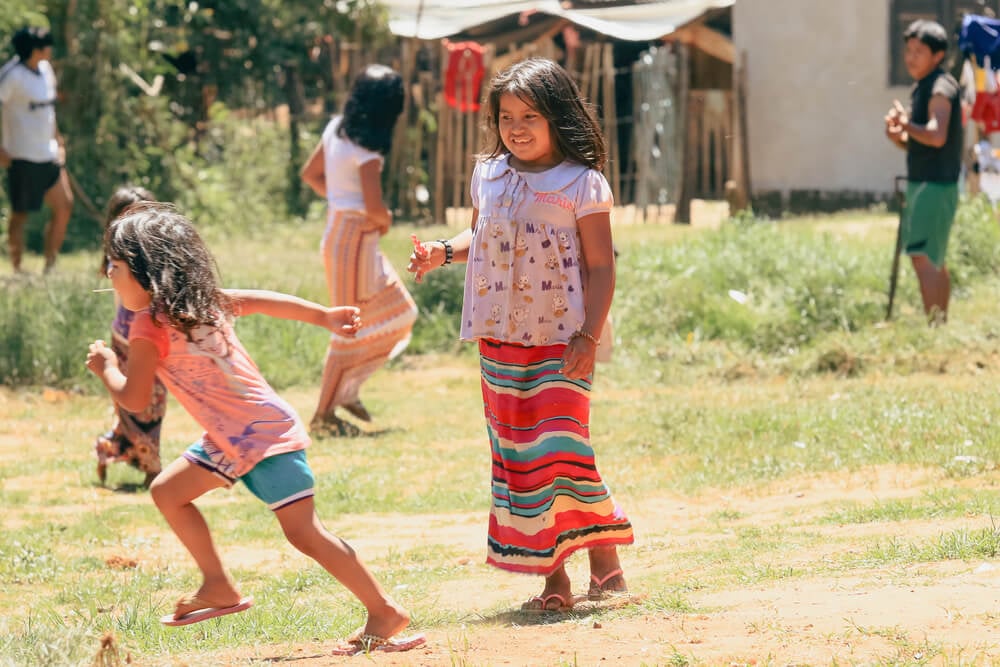
Two bases, two teams, two goals. If you crossed into the other team’s territory, you could be tagged and sent to their prison.
But your teammates could free you if they reached the prison without being tagged themselves. The game involved elaborate strategy—some players defended the prison while others attacked.
Chasing Games (King of the Mountain)

One kid claimed the top of a hill, dirt mound, or piece of playground equipment and defended it against everyone else running up trying to knock them off. The one on top was king.
Once knocked down, you had to run back up. It was pure physical competition, usually ending with someone crying or laughing too hard to continue.
Chinese Handball
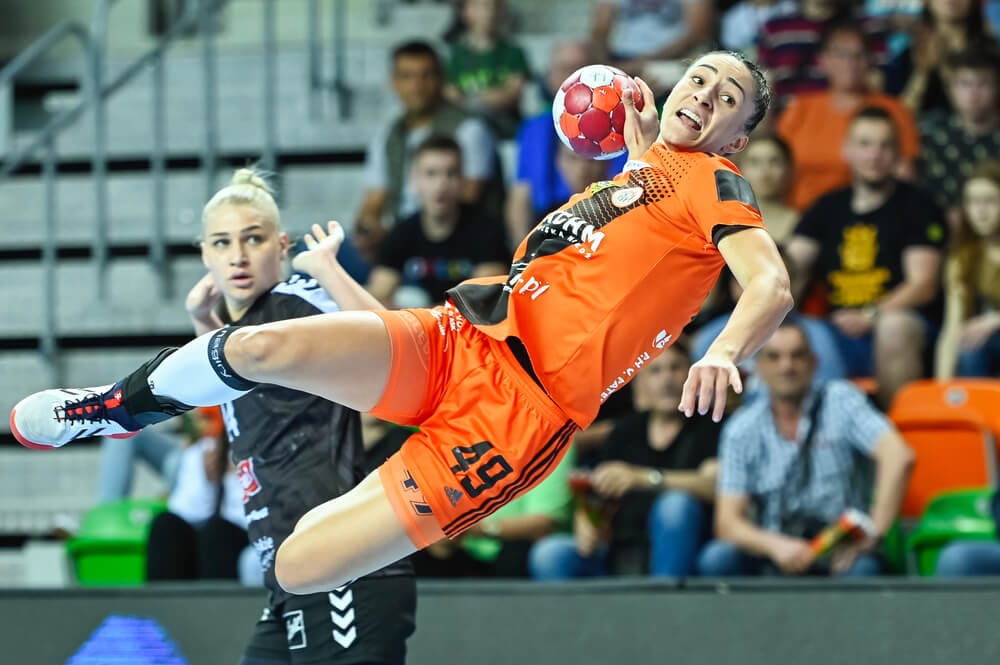
A variation on handball played against a wall by bouncing an orb so it hit the ground first, then the wall, then back to the next player. Each player had their own square.
Mess up the bounce and you moved down or were out. It was faster and more complicated than regular handball, requiring quick hands and quick thinking.
Skate Tag
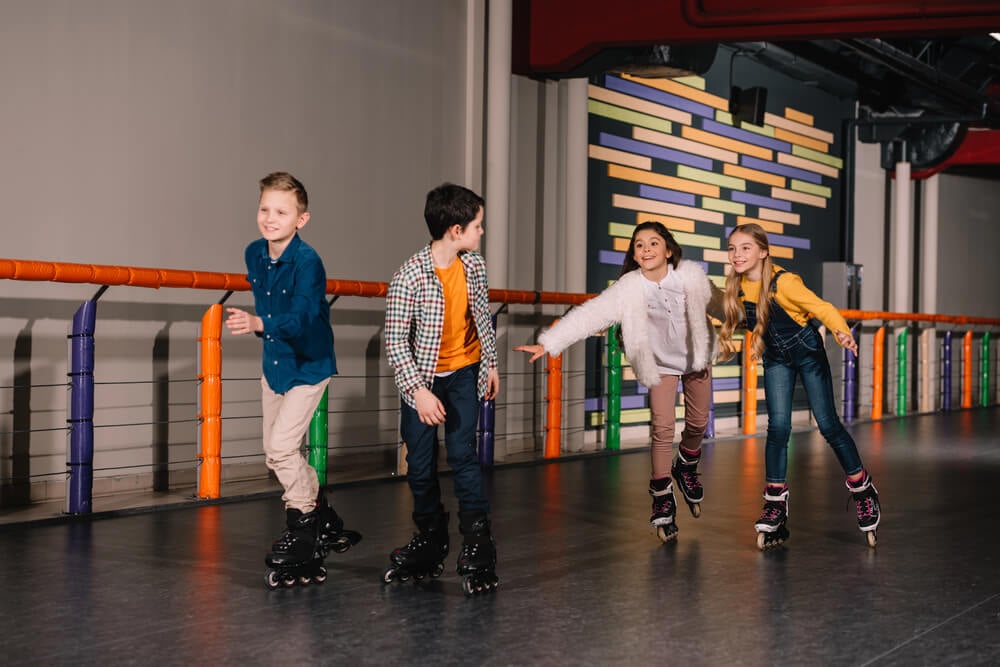
Played on roller skates when skates were wooden and metal and required hours of practice to balance. Someone was “it” and chased others on skates through the neighborhood.
It was chaotic and dangerous and unforgettable.
Spud

Everyone stood in a circle. One person tossed an orb straight up while shouting a number.
That person had to catch it while everyone else ran away. Whoever they threw the orb at had to catch it.
If you caught the orb before being hit with it, you were safe. If you didn’t, you got a letter.
Spell SPUD and you were out.
Crack the Whip
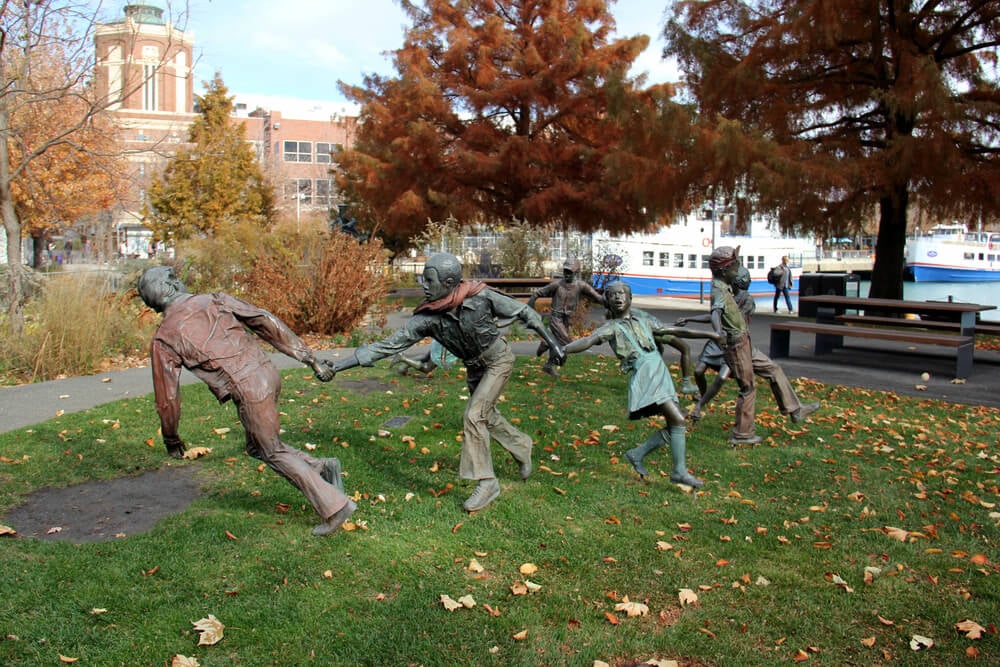
A line of kids held hands and ran together, the person at one end suddenly whipping around to create a snapping motion down the line. The kid at the tail end flew loose—sometimes straight into the dirt.
It was dangerous and thrilling and every kid wanted a turn at the end to see how far they’d go.
I Spy
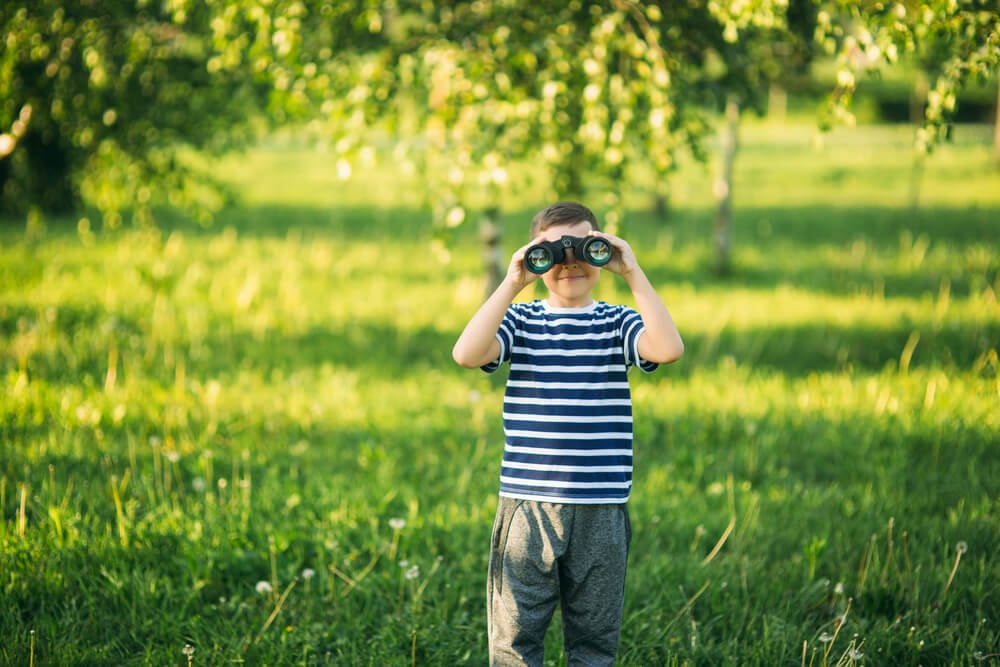
One person looked away while others hid. The seeker counted to a number everyone agreed on, then started hunting.
Once a hider was spotted, the seeker called out “I spy with my little eye…” and described them. First one to be spotted had to help search for the rest.
Stick Variations (Cat)
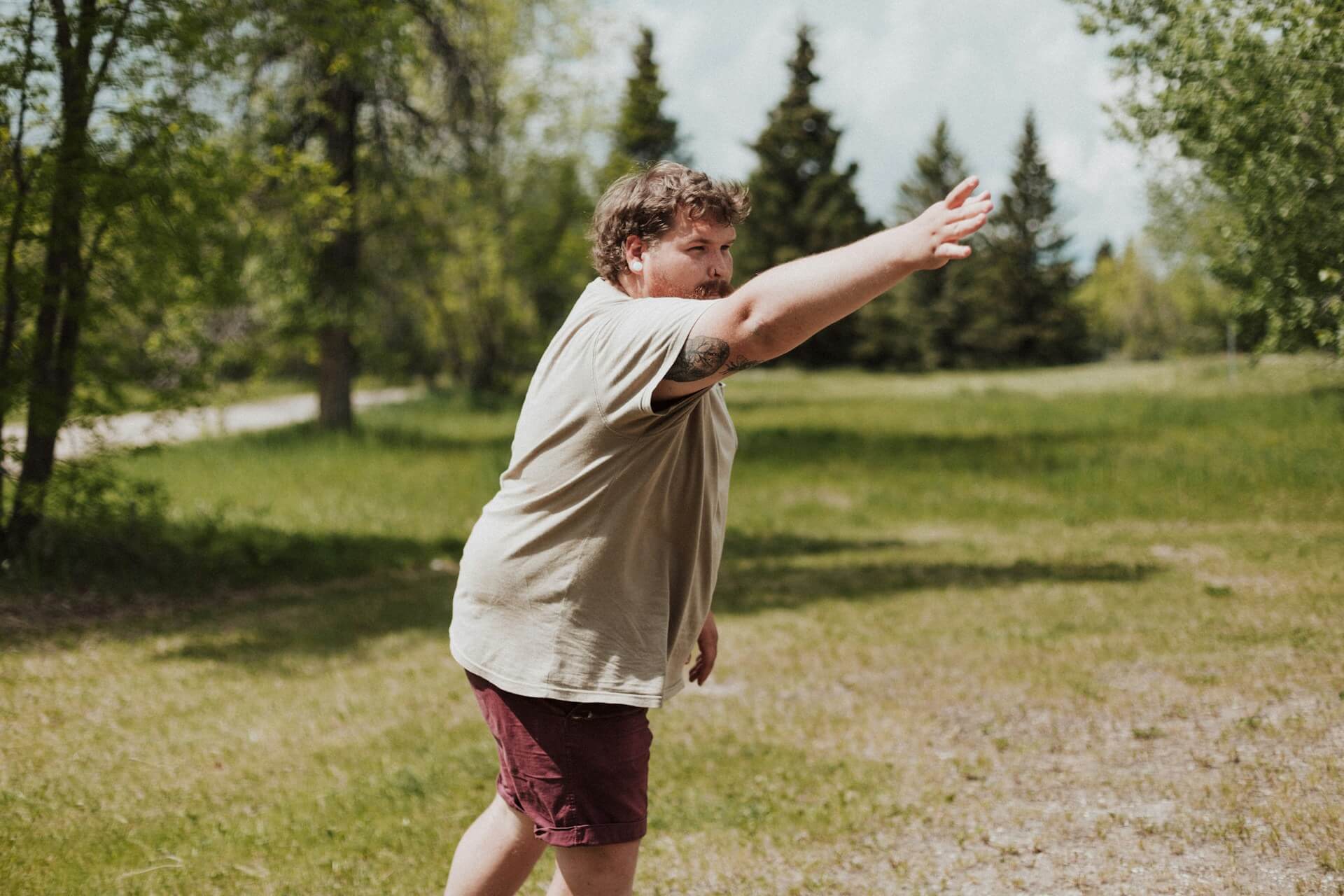
A wooden stick was thrown or batted across a field or street. Players chased after it and threw it back toward a line.
If it landed behind the line, the person throwing got to bat again. A simple game that turned any stick and any open space into an afternoon’s worth of entertainment.
Chalk Art Competitions
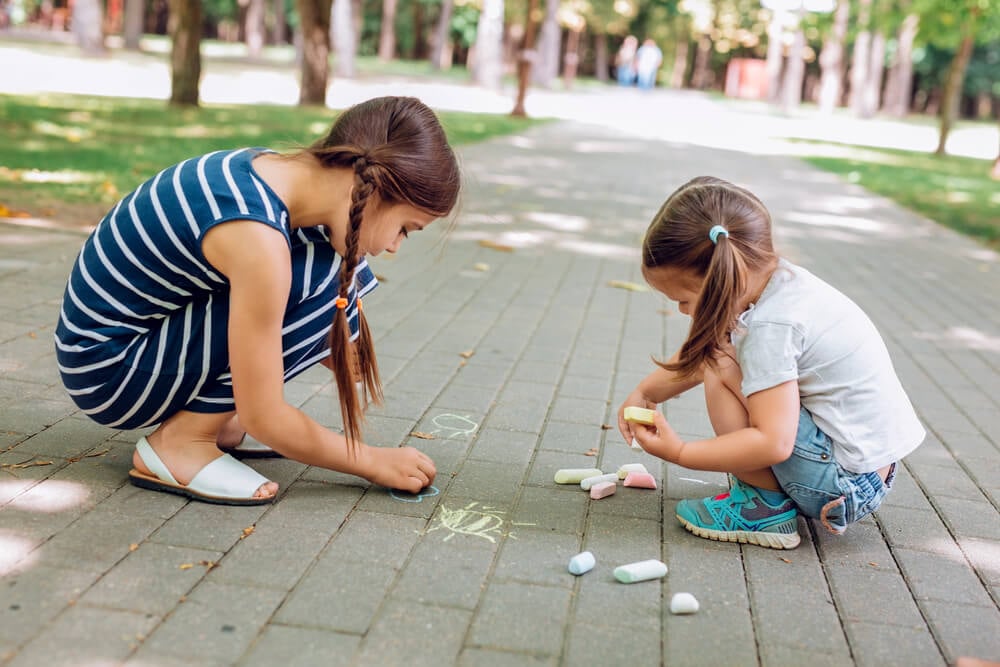
Kids drew designs, pictures, and patterns on sidewalks, challenging each other’s artistic skills. Some drew elaborate scenes that covered entire sections of pavement.
Others specialized in specific styles—horses, flowers, abstract patterns. No scoring existed except for who got the most space and respect from passing neighbors.
Stealing Sticks

Similar to Capture the Flag but played with sticks or coats piled in a “goal” instead of flags. Each player could steal one item at a time.
First team to gather all the opponent’s objects won. It required multiple trips and constant vigilance.
Jump Rope Variations

Beyond basic jumping, kids invented elaborate rhymes that went with jumps. Double Dutch was the hardest.
Single rope jumping had dozens of tricks and speeds. Jump rope tournaments could last entire summer days.
Dodgeball

Simple but brutal: throw the orb, eliminate anyone it touched before they caught it. Last person remaining won.
Survival depended on speed, agility, and knowing when to run. It was chaotic and no one had protective equipment.
The End of Summer Light

These games didn’t need batteries, charging cables, or instruction manuals. They didn’t need parent-organized leagues or registration fees.
They only needed the thing kids had in abundance: time, and the willingness to invent worlds from sidewalk chalk and playground dirt. When the streetlights came on and parents called everyone inside, the games paused—not ended, just paused—because tomorrow there would be more daylight and more games to play.
The games themselves haven’t truly vanished. They survive in retirement homes where elderly people play bridge and dominos.
They survive in competitive circle games and organized leagues. But the casual, unsupervised, neighborhood-wide version of these games—the kind that required only daylight and nobody’s permission—has become something of a historical artifact.
Not because the games were bad, but because the conditions that allowed them have mostly disappeared.
More from Go2Tutors!

- The Romanov Crown Jewels and Their Tragic Fate
- 13 Historical Mysteries That Science Still Can’t Solve
- Famous Hoaxes That Fooled the World for Years
- 15 Child Stars with Tragic Adult Lives
- 16 Famous Jewelry Pieces in History
Like Go2Tutors’s content? Follow us on MSN.



