31 Things Found in a Typical ’70s Junk Drawer
Every house had one. That drawer — usually in the kitchen, somewhere between the silverware and the phone — that nobody could fully close but nobody was willing to clean out. It wasn’t organized.
It wasn’t meant to be. It was a portrait of a decade, compressed into a rectangle of particleboard and chaos.
If you grew up in the ’70s, opening that drawer was like pulling back a curtain on the entire era: the optimism, the clutter, the strange conviction that you might one day need seventeen twist ties and a dried-up tube of rubber cement. Here’s what you’d find inside.
A Flashlight With Dead Batteries
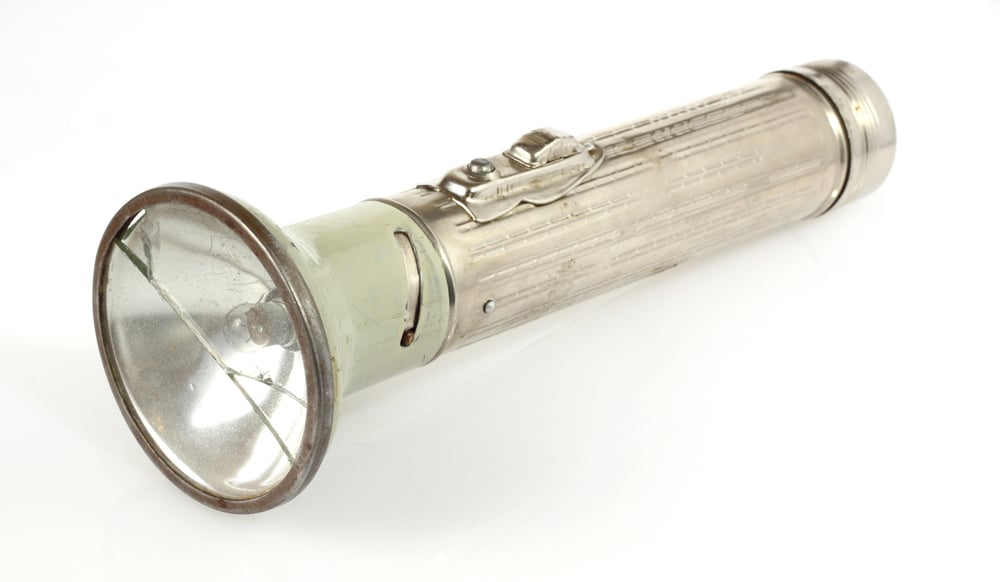
The flashlight was always there. It was never useful. And yet no one threw it out, because throwing it out would mean admitting you weren’t prepared for emergencies — which, to be fair, you weren’t.
Rubber Bands That Snapped the Moment You Touched Them
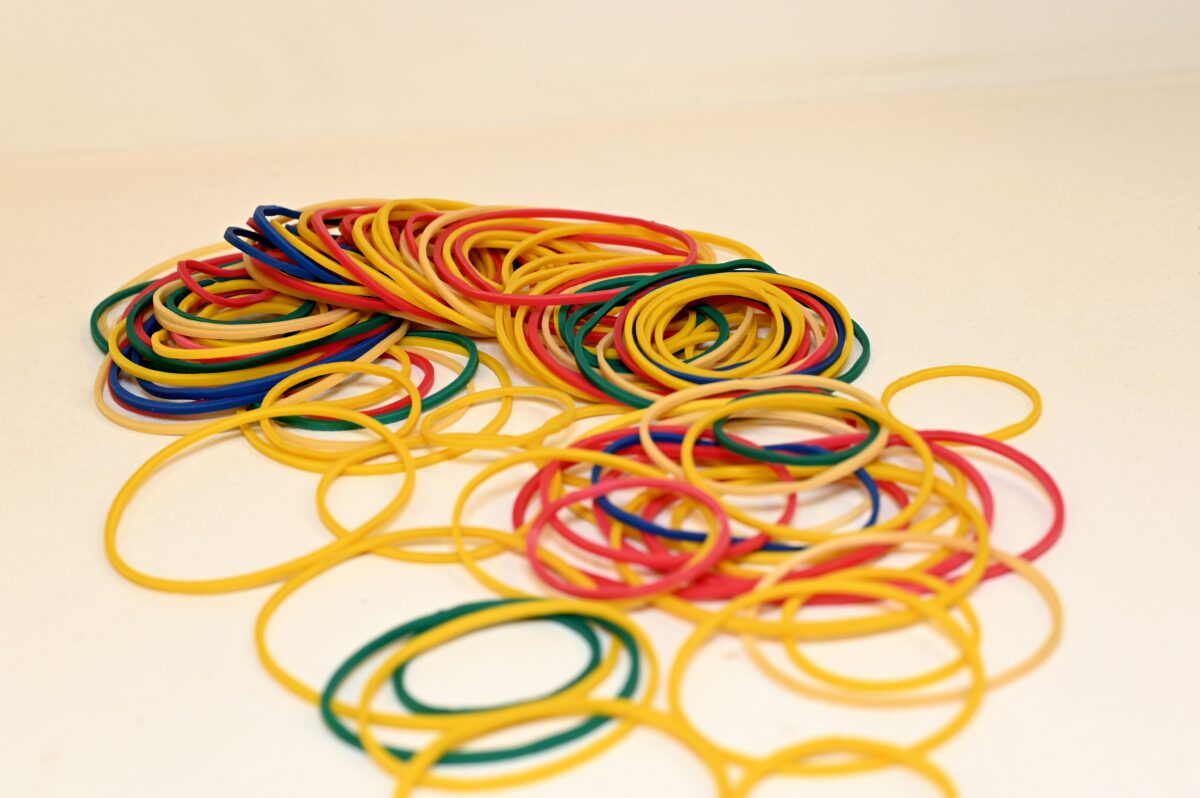
Rubber bands age the way certain relationships do: stubbornly holding their shape right up until the moment they fall completely apart, with no warning and a sharp little sting. The ones in a ’70s junk drawer had been sitting since roughly the Eisenhower administration, dried out and brittle, waiting for the indignity of snapping against someone’s wrist.
So you’d reach in, grab one, and that was that.
A Junk Mail Coupon From a Store That Closed in 1974
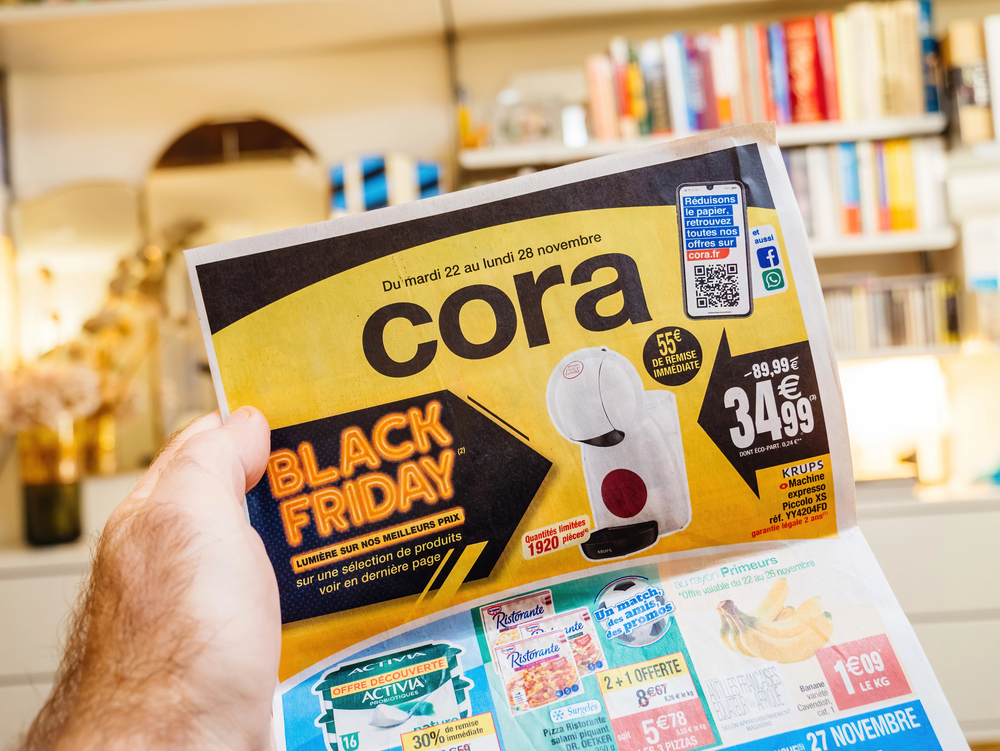
These coupons had expiration dates stamped on them in faded ink, usually for ten cents off something that no longer existed in a store that no longer existed on a street that had since been repaved. They stayed in the drawer anyway — not out of hope, exactly, but out of that particular ’70s reluctance to throw away anything that looked like it might someday be worth something.
Mystery Keys

The keys had no tags. No labels. No corresponding locks that anyone could identify with confidence.
They just sat there, a small colony of metal teeth pointing in every direction, representing doors that may or may not still exist somewhere in the greater continental United States.
A Dried-Up Ballpoint Pen
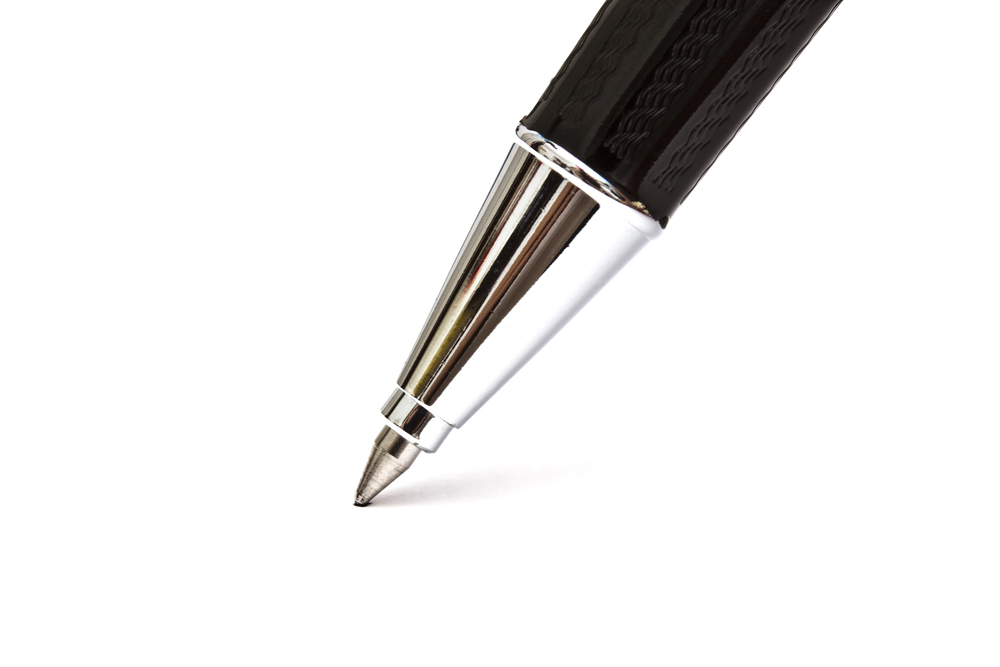
Every junk drawer in the ’70s held at least three pens, and at least two of them were completely dry — though you wouldn’t know which ones until you pressed one against a notepad and dragged it across the paper in that frantic little circle, hoping for ink. The third pen worked fine.
It had always worked fine. It just made you earn it.
Twist Ties
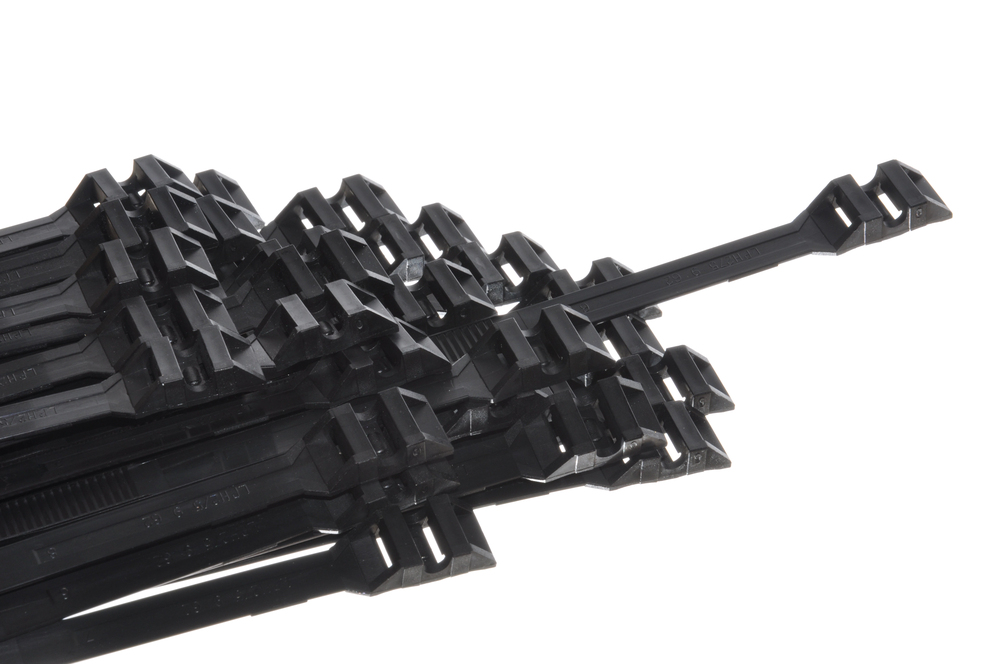
Twist ties are the drawer’s most honest residents: small, purposeless on their own, and so abundant that their presence stops registering as anything worth questioning. They came off bread bags, off produce bags, off packages of something long since eaten and forgotten — and they accumulated, quietly and persistently, in the back left corner of every junk drawer in America.
A Single Birthday Candle

Just one. Not a full set — one candle, probably pink or yellow, separated from a package that had nine others and was last used at a birthday party sometime around 1972. It sat in the drawer like a small monument to a celebration that had already happened, waiting patiently for one it never attended.
A Deck of Cards With Two Cards Missing
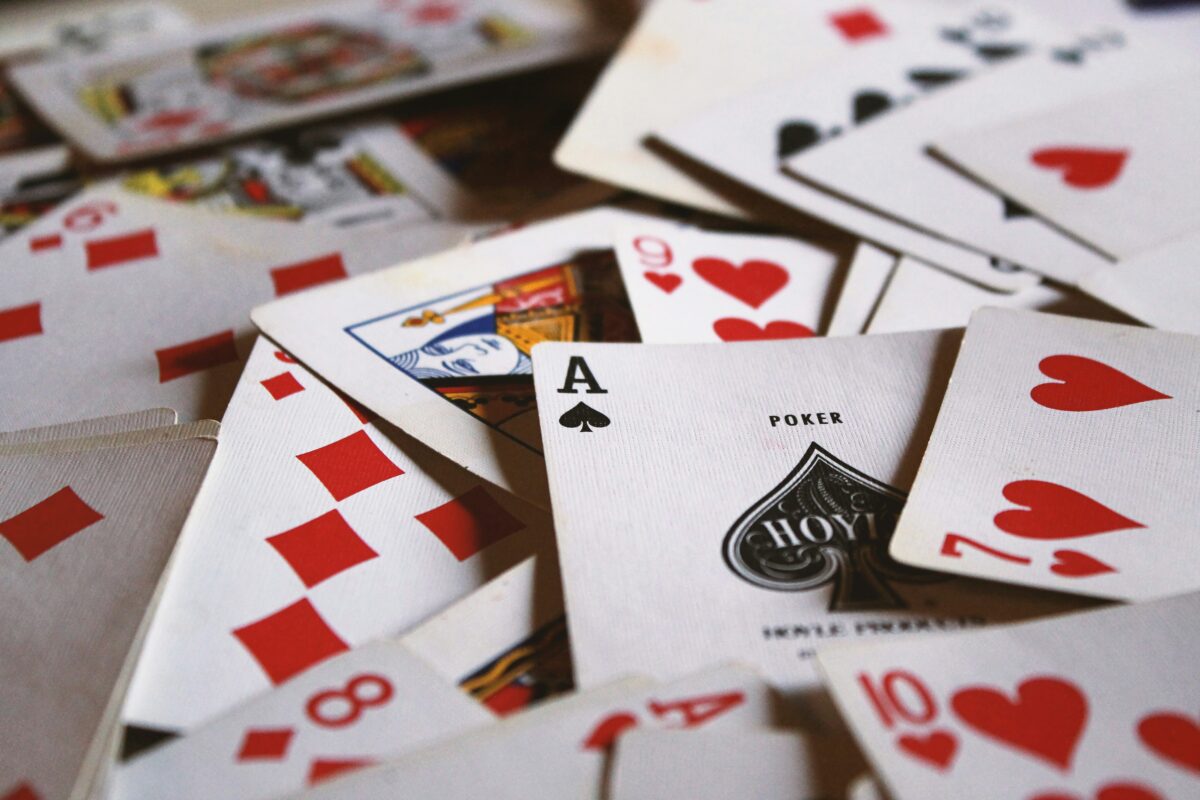
The deck wasn’t useless, technically — you could still play something, maybe. But the two missing cards were always the ones that mattered (the seven of clubs and the jack of hearts, or some similarly inconvenient pair), and everyone in the household knew it, and the deck stayed in the drawer because disposing of incomplete things felt wasteful in a way that a ’70s household could not abide.
Rubber Cement
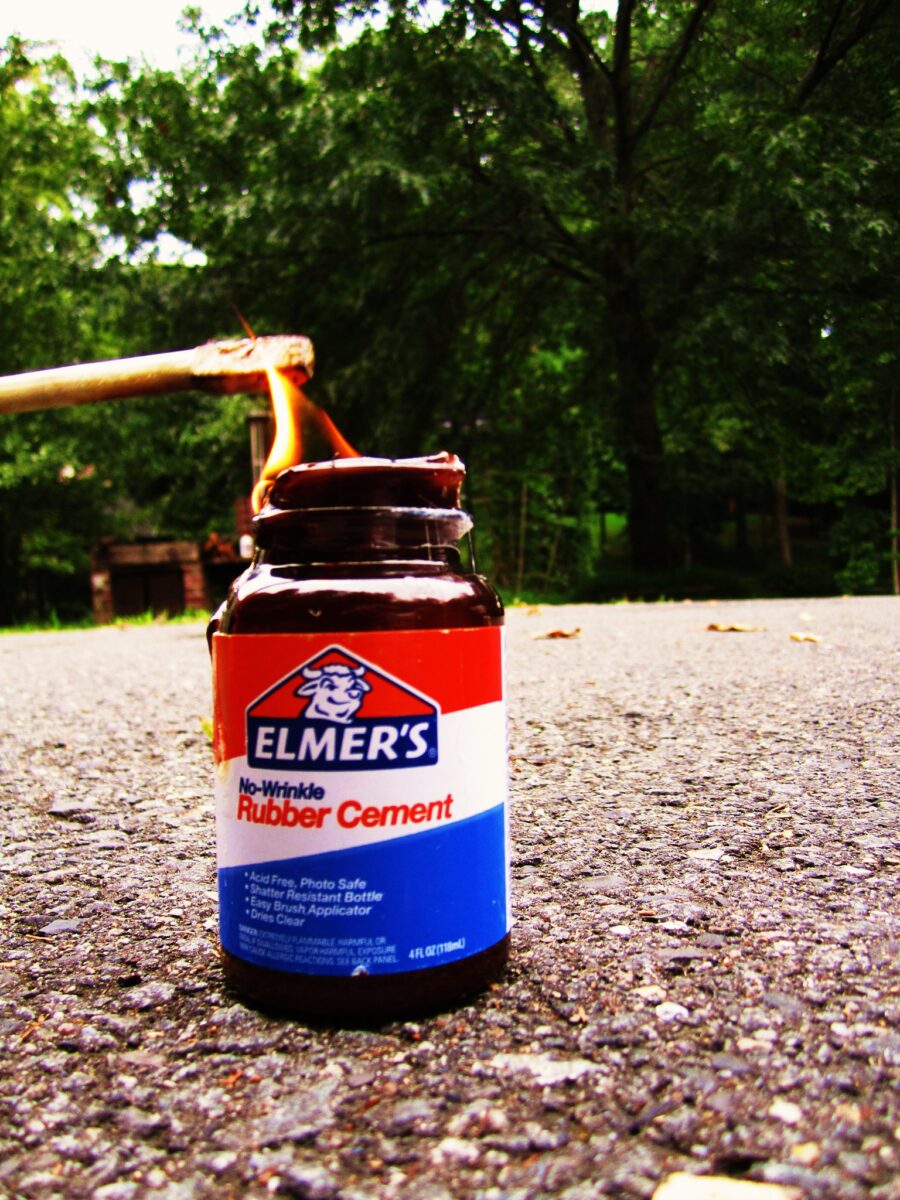
Dry, half-open, and giving off a faint chemical smell that you could detect the moment you opened the drawer. The rubber cement had long since solidified into something resembling amber — technically still in its container, technically still sealed with a brush applicator, technically no longer capable of adhering anything to anything.
Go figure.
A Tape Measure That Retracted Too Fast
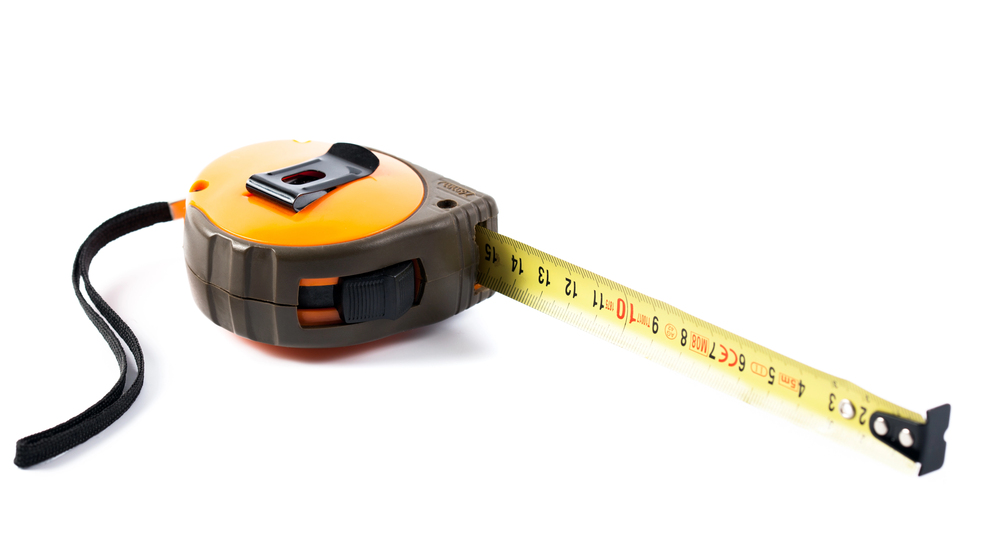
The tape measure worked exactly one way: you pulled it out slowly, measured something, and the moment you released the button it snapped back at a speed that suggested genuine hostility. Knuckles were caught.
Fingers were pinched. The tape measure did not care.
A Half-Used Book of Matches
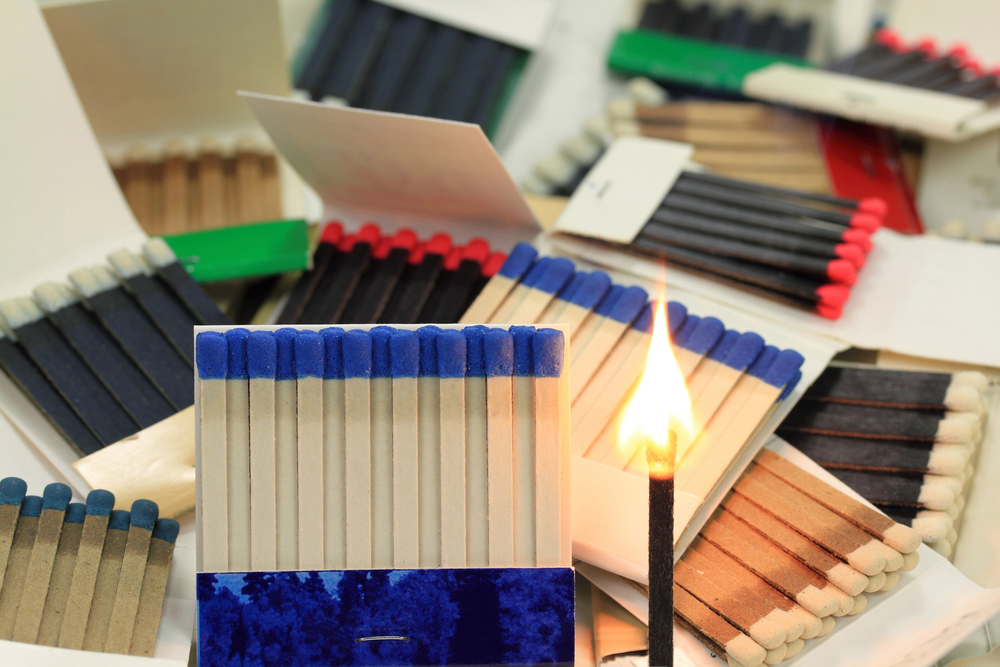
Matches from a restaurant, a motel, or a bar — places that printed their name and phone number right on the cover, back when a matchbook was considered a reasonable form of advertising. These little booklets are now collectors’ items, which is somewhat ironic given that their original job was to be destroyed one match at a time.
A Broken Thermometer
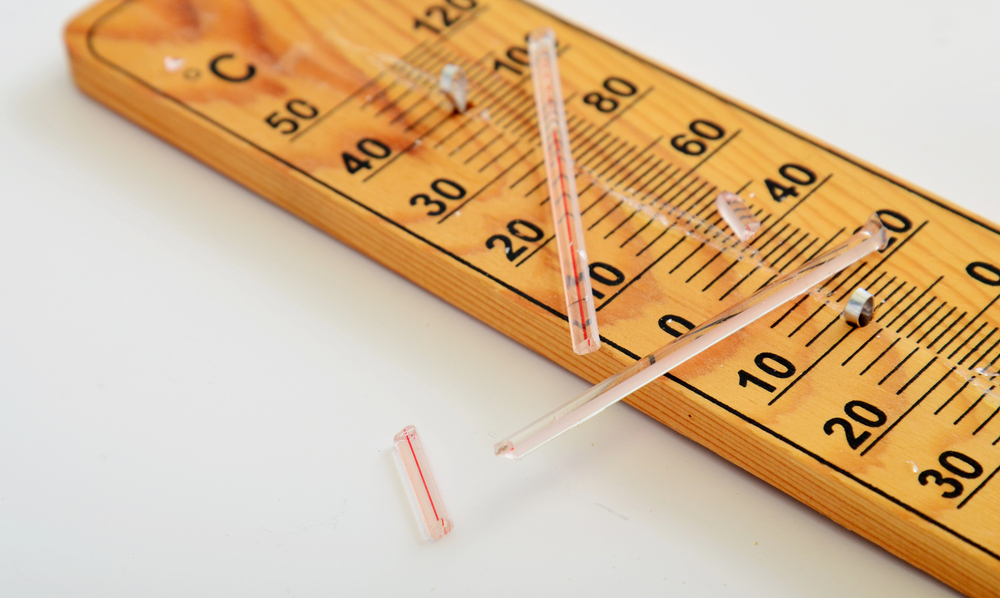
Mercury thermometers were standard household equipment in the ’70s, and a cracked or broken one — still in its cardboard sleeve, still in the drawer, still containing a small amount of mercury that nobody had thought much about — was a common find. The science of why this was a bad storage strategy arrived slightly after the decade did.
A Box of Bandages, Mostly Empty

The bandage box was proof that someone, at some point, had the right idea about keeping first aid supplies in reach. But the box was always mostly stripped — a few irregular sizes left at the bottom, the ones nobody wanted to use because they were either enormous or shaped like a tiny strip that wouldn’t cover anything.
The good ones had been deployed long ago, probably for minor kitchen incidents that nobody remembered anymore.
Loose Change, Mostly Pennies
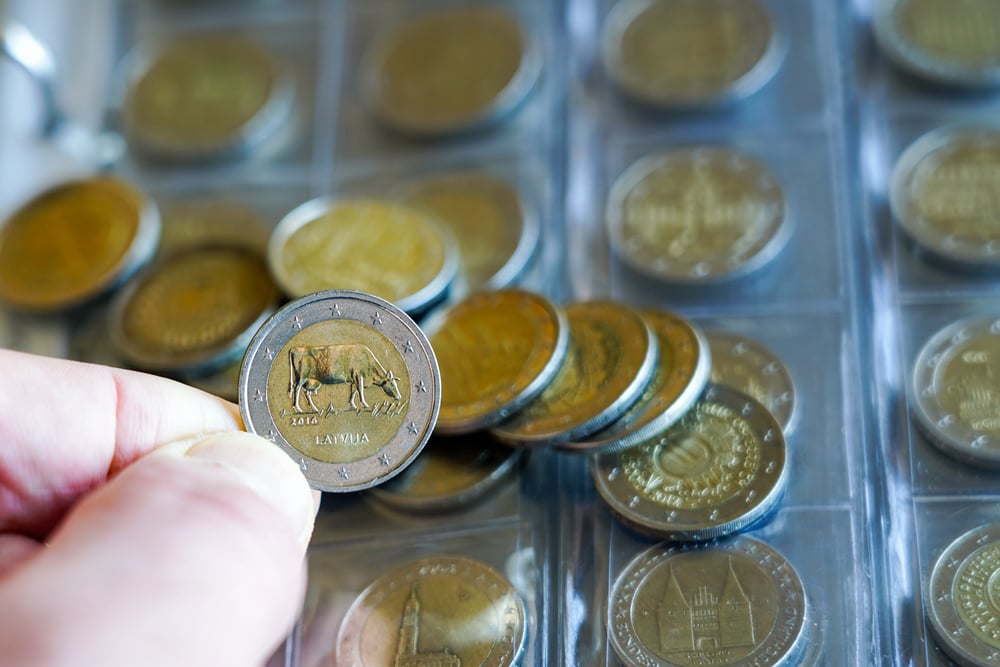
Not useful quantities of change — not a roll of quarters or anything that constituted real money. Just a drift of pennies, a couple of nickels, and one dime that seemed surprised to find itself in such company. The pennies outnumbered everything else by a ratio that felt almost intentional.
A Church Key Can Opener
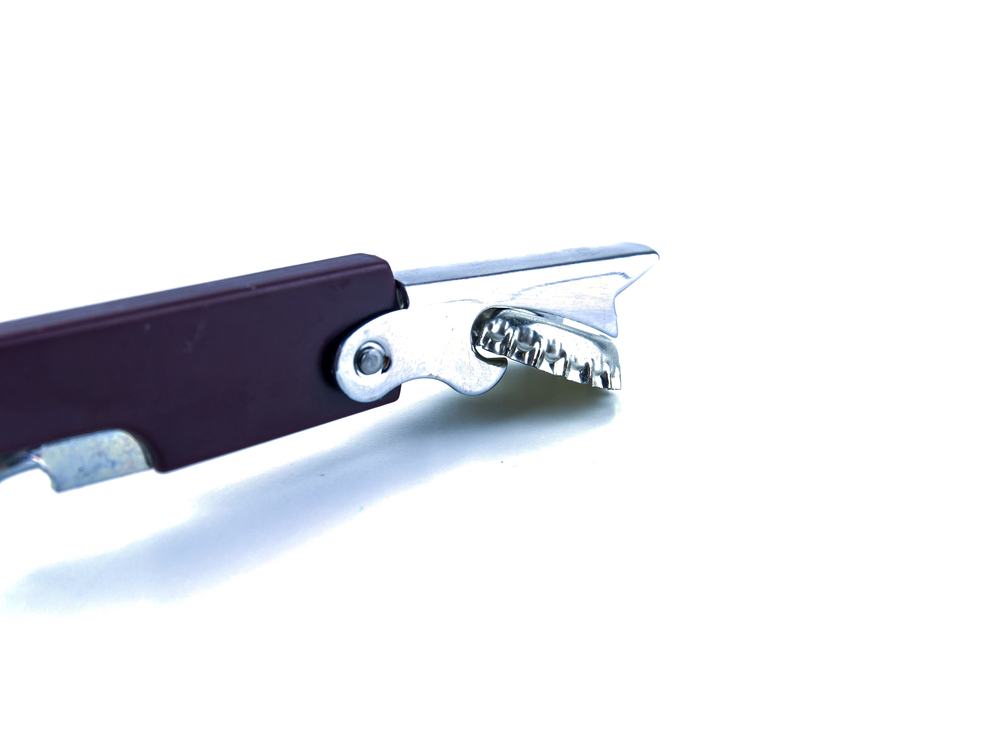
Before pull tabs became standard on cans, you needed a church key — that simple, flat metal opener with a pointed end for punching into cans and a rounded end for prying off bottle caps. The ’70s junk drawer usually held one (sometimes two, because nobody remembered buying the first one), slightly sticky, slightly rusty at the tip, and entirely functional.
Thumb Tacks
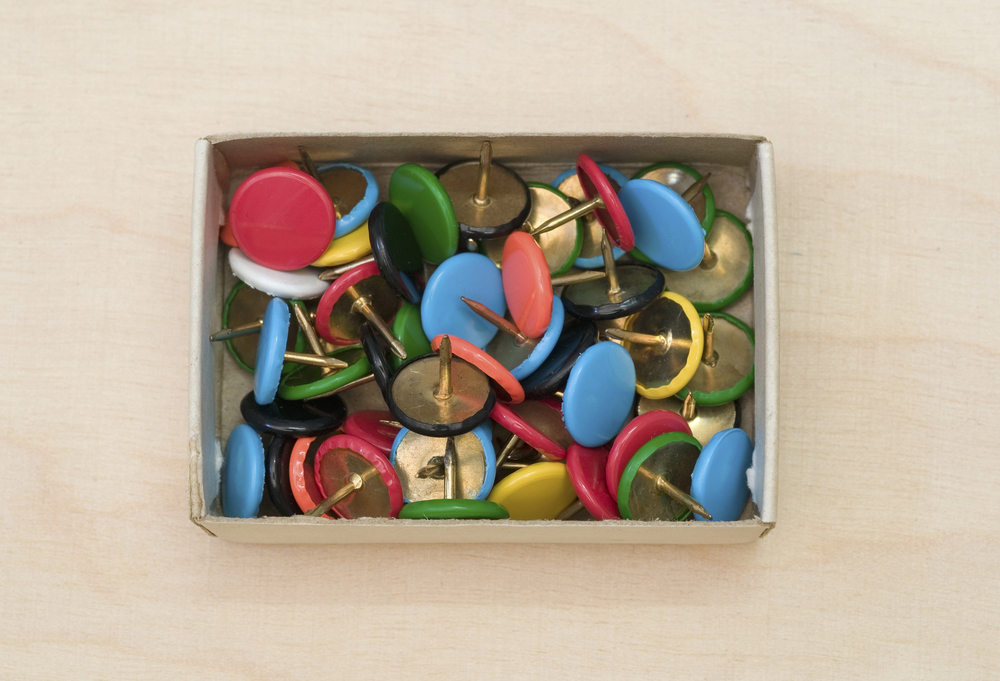
Scattered loose, because of course they were. Not in their original plastic case — that had been discarded or lost — just a small, sharp population of thumb tacks rolling freely among everything else in the drawer, waiting for the specific moment when someone reached in without looking.
A Notepad With Three Pages Left
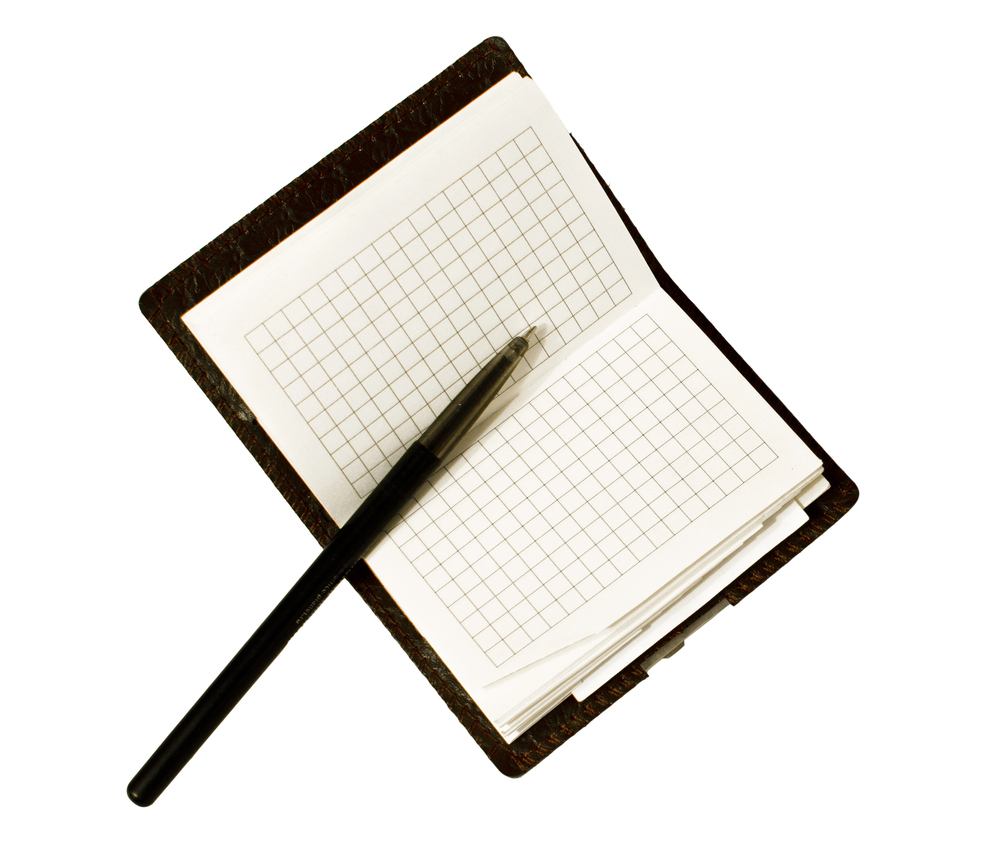
The notepad had been full once, probably of phone numbers and grocery lists and things people needed to remember. Now it was down to its last three pages, the cardboard backing softened by years of resting against other drawer debris, the remaining pages slightly wavy at the edges.
Still usable. Still not replaced.
A Broken Watch
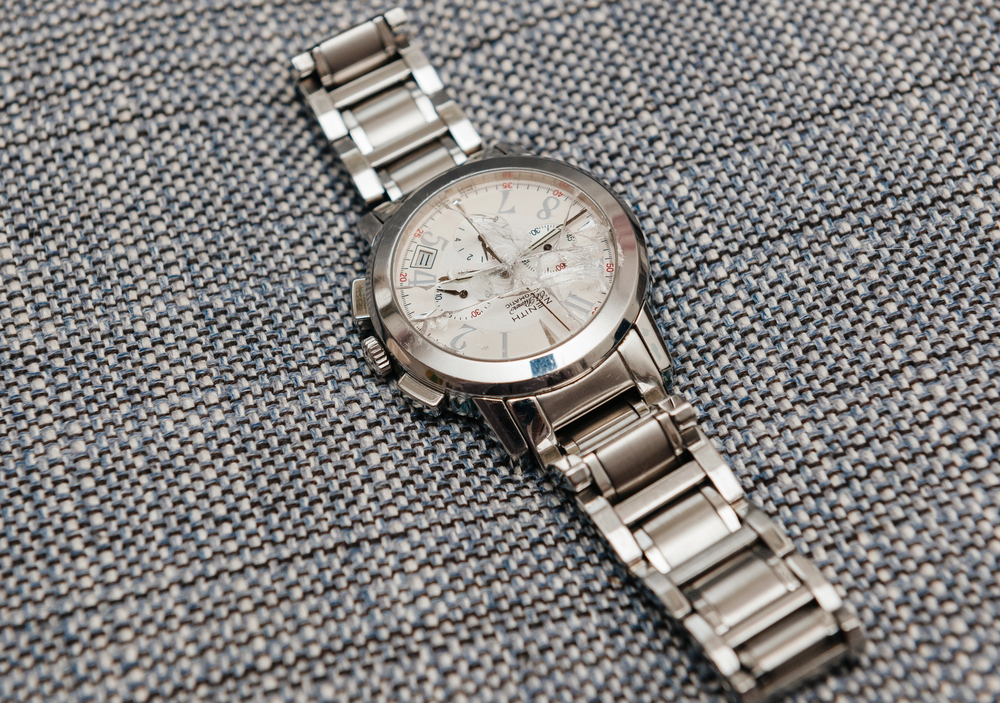
Not broken in a dramatic way — just stopped, the hands frozen at some specific time of day that now meant nothing. Watches were expensive enough in the ’70s that throwing one out felt genuinely wrong, so the drawer became its resting place: not the garbage, not the repair shop, just the drawer, where things went when decisions were being deferred indefinitely.
A Small Screwdriver
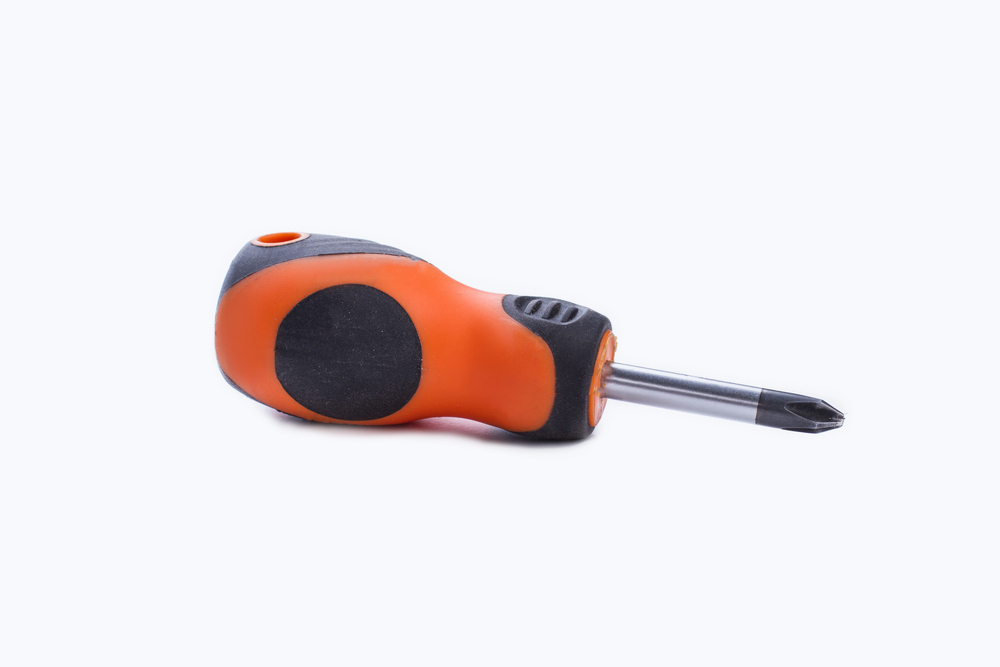
The kind meant for eyeglasses or small appliances — flat-headed, about three inches long, with a plastic handle in red or yellow. It was the only screwdriver in the drawer that consistently held its purpose, because it was too small to be useful for the big jobs that would have led to it being left somewhere else in the house.
A Dried-Up Ink Pad
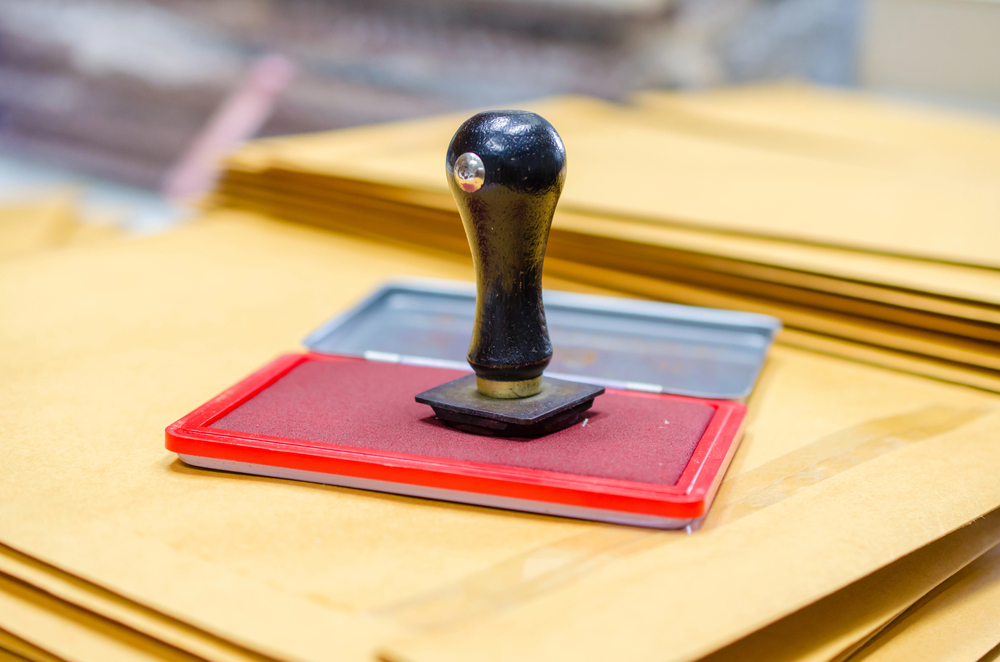
Stamping your name on things was a particular enthusiasm of the ’70s household — on books, on lunch bags, on envelopes. The ink pad started life a vivid red or blue and faded over time to a color that could generously be described as “rust adjacent.”
The rubber stamp that went with it was usually somewhere nearby, equally dry, equally optimistic.
A Manual Can Opener
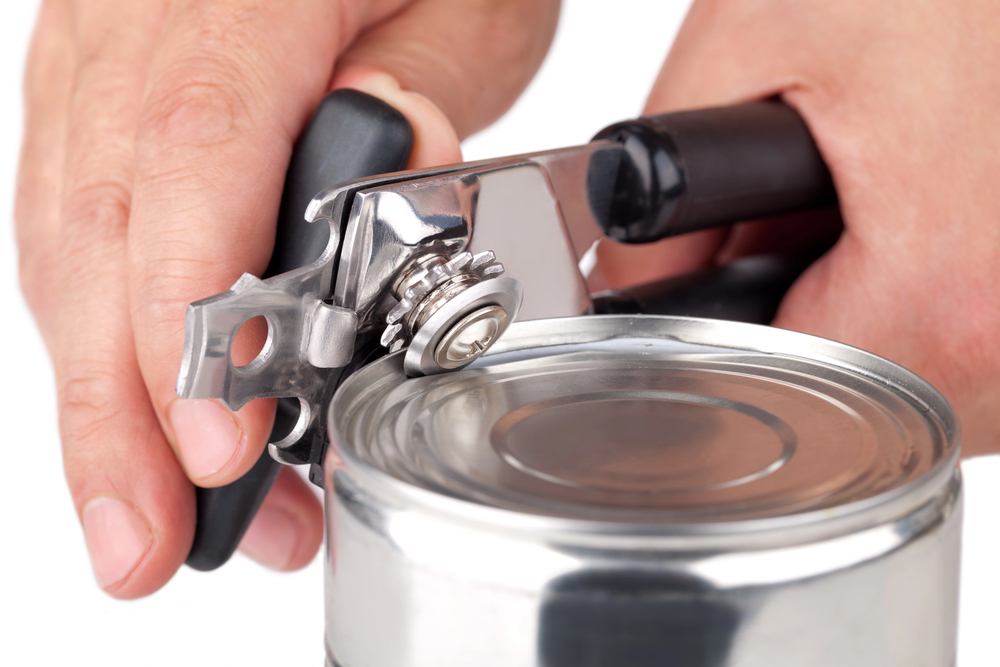
Separate from the church key — this was the rotary kind, with two handles and a serrated wheel that gripped the lid and cut as you cranked. The gears always had a small amount of dried tomato soup or chicken broth worked into them, which is just the nature of manual can openers and the households that kept them.
A Grocery Store Receipt From Several Years Prior

Faded almost to illegibility, but not quite — you could still make out the items, the prices in figures that seem genuinely fictional now, and the date stamped at the top in the particular font that grocery store receipt machines used in the mid-1970s. Nobody saved it on purpose.
It had just never been removed.
A Bottle Opener
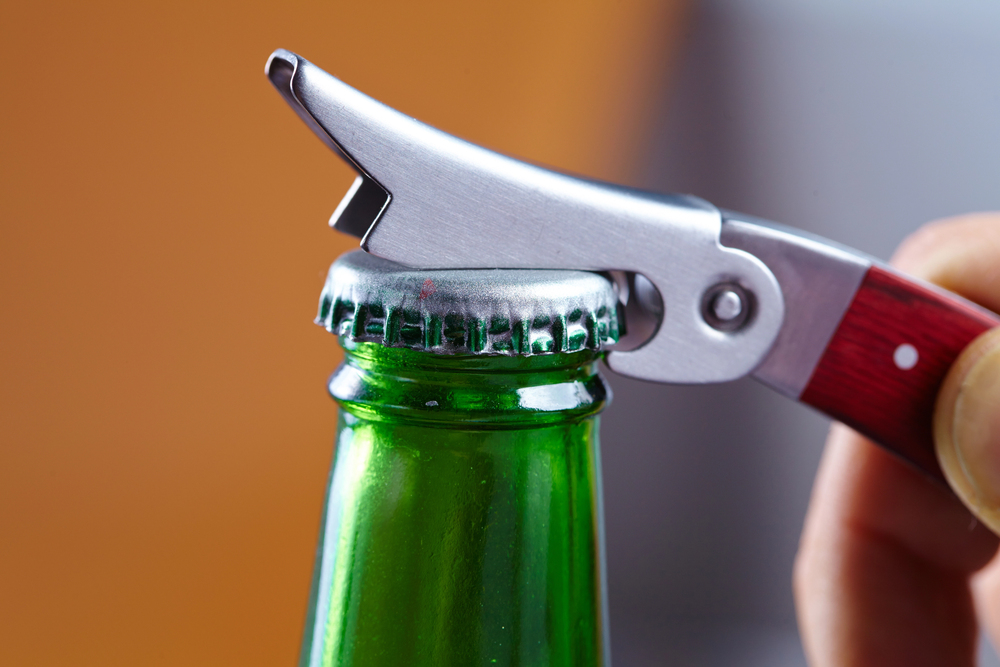
Distinct from the church key and fully committed to its singular purpose. The ’70s household kept at least two bottle openers because one was always lost, and the one that turned up in the junk drawer was usually the older, heavier one — the kind made of solid steel that could have doubled as a weapon in a pinch.
A Half-Empty Tube of Super Glue
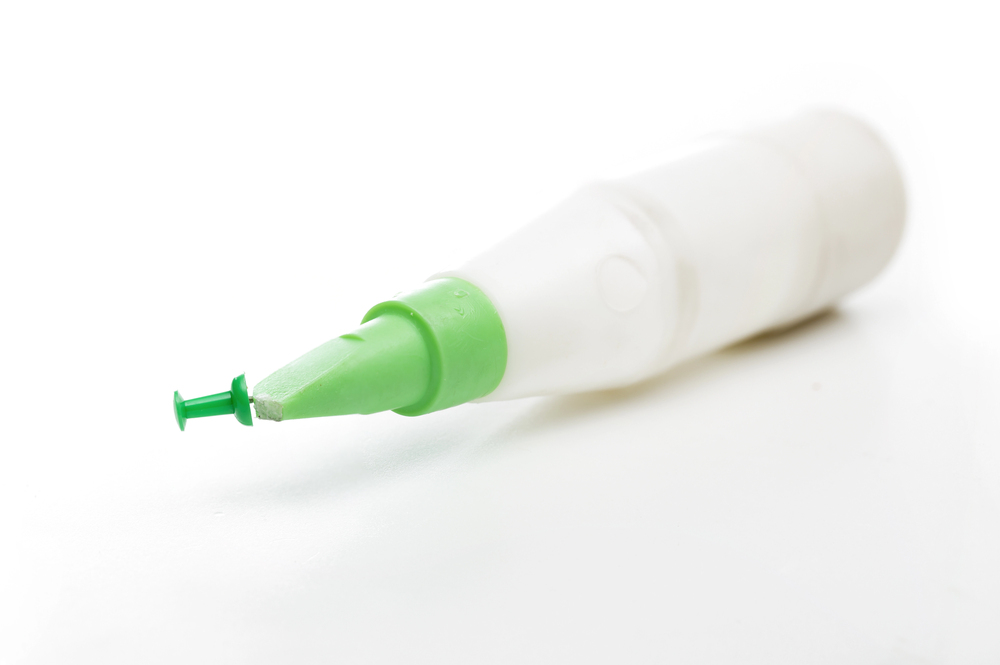
The cap was stuck, obviously — glued shut by the product it was meant to contain, which is a special kind of irony that Super Glue has been delivering consistently since 1958. The tube was mostly empty, slightly hardened along the seam, and completely impossible to open without a tool that was probably also in the drawer.
A Rubber Stopper
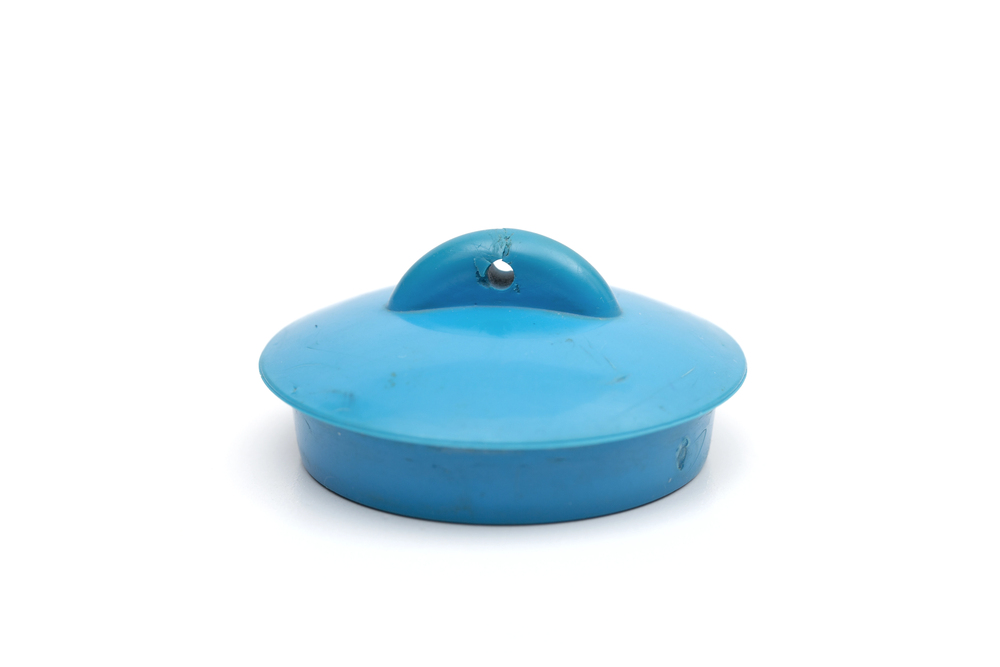
From a sink or a bathtub, detached from its chain, sitting in the drawer without explanation. Nobody brought it there consciously.
Nobody claimed responsibility. It had simply migrated, the way rubber stoppers apparently do when left unsupervised in a house with a junk drawer.
A Small Compass

The kind that came in a school supply kit — plastic housing, needle that actually worked, but so small and inaccurate that it was only useful if your navigational needs were deeply approximate. It had likely been in the drawer since a child brought it home from school sometime in the early part of the decade and never touched it again.
A Phone Book From a Previous Year

Not the current one — that lived by the phone. This was last year’s edition, or the year before that, still fat with listings for businesses that may or may not have still existed.
It was kept because throwing out a phone book felt like throwing out information, even if the information was already out of date.
A Spool of Thread
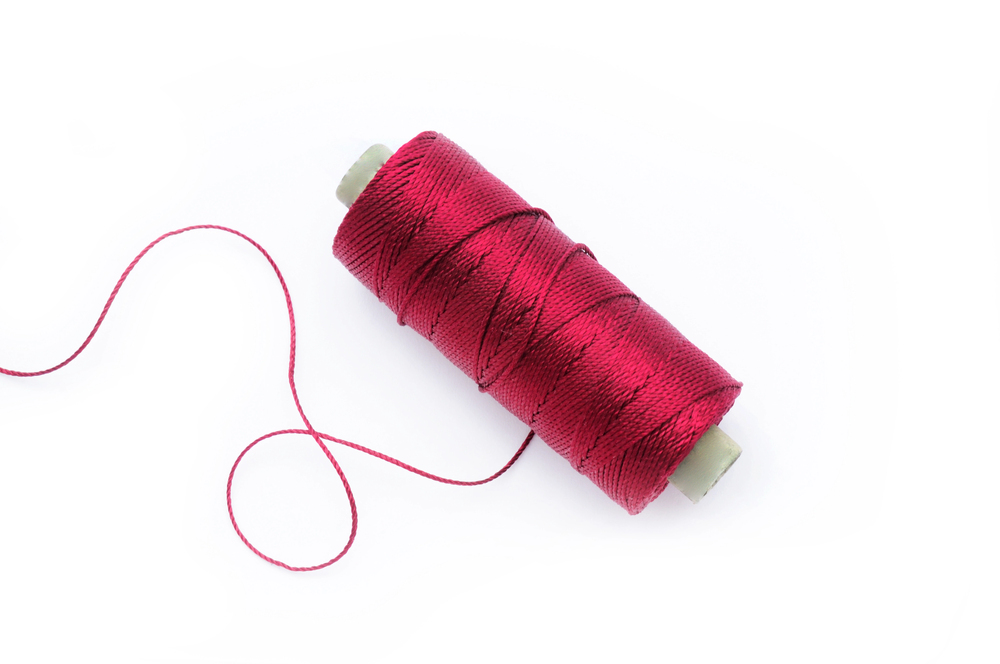
One color, usually white or black, on a wooden spool — because wooden spools were still common in the ’70s, before plastic took over. The thread had been used once for an emergency button repair and then deposited in the drawer instead of returned to the sewing box, where it would have been useful.
This is the fundamental principle behind every junk drawer ever assembled.
A Box of Wooden Matches
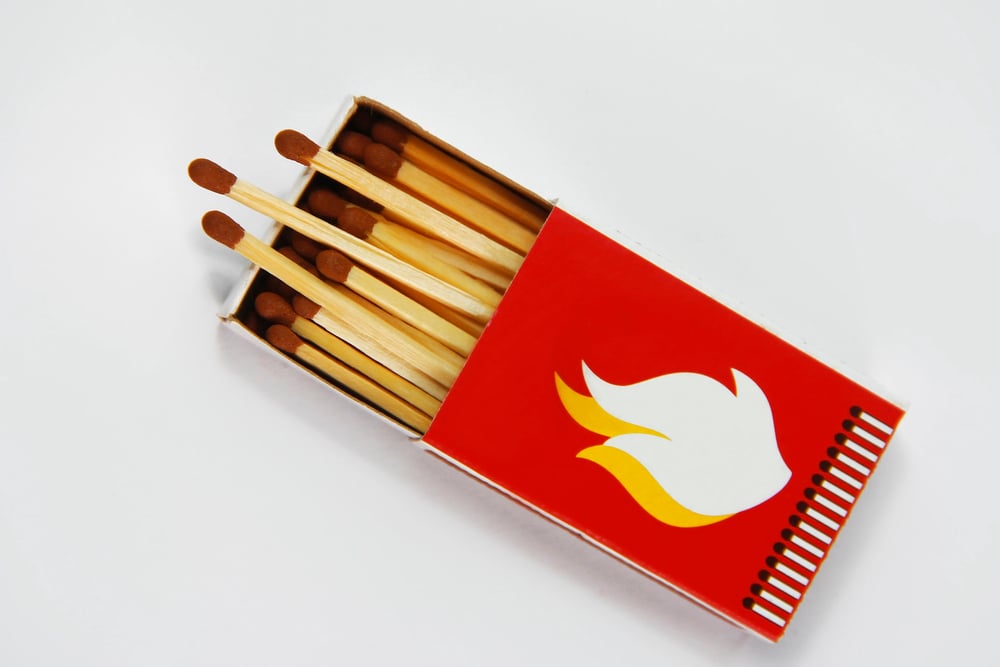
Not the paper matchbooks — actual wooden kitchen matches, in a long cardboard box with a striking surface on the side. These were kept for candles, for the gas stove pilot light, for power outages — and they had been in the drawer long enough that the striking surface had worn smooth and the matches themselves lit on the first try about sixty percent of the time, which everyone agreed was acceptable.
A Crayon
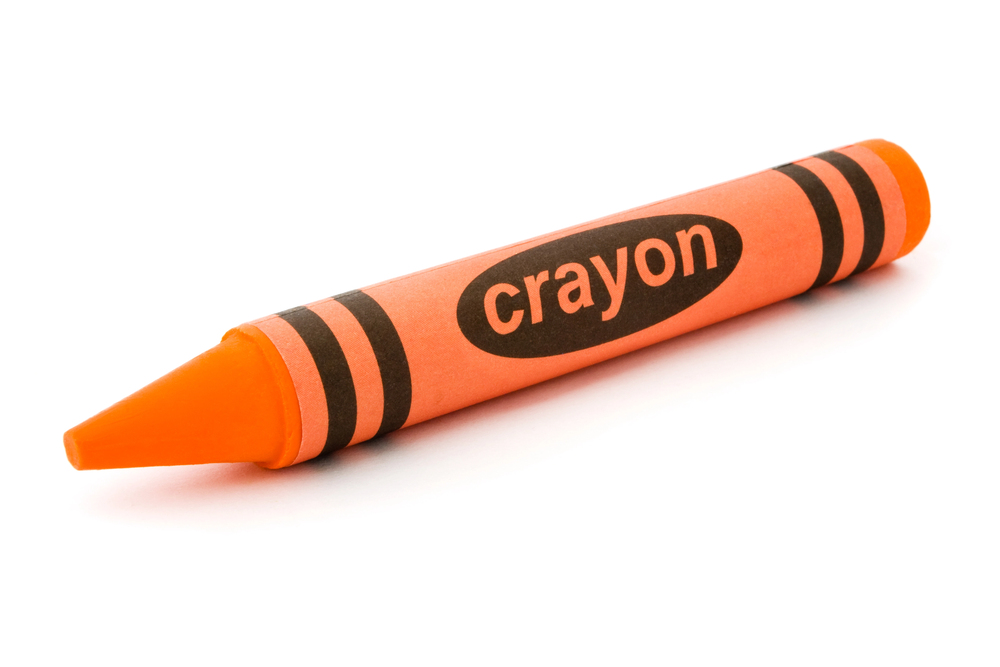
One crayon. Not a box — one. Probably red, possibly broken. It had survived the migration from wherever crayons start their lives (the toy chest, the art box, a child’s coat pocket) and ended up in the junk drawer the way everything else did: placed there temporarily, forgotten permanently.
The paper wrapper was half-peeled and slightly waxy to the touch, and the color had probably been given a name by the Crayola people — something like Brick Red or Scarlet — but nobody in the house could tell you which one.
What the Drawer Was Really Keeping
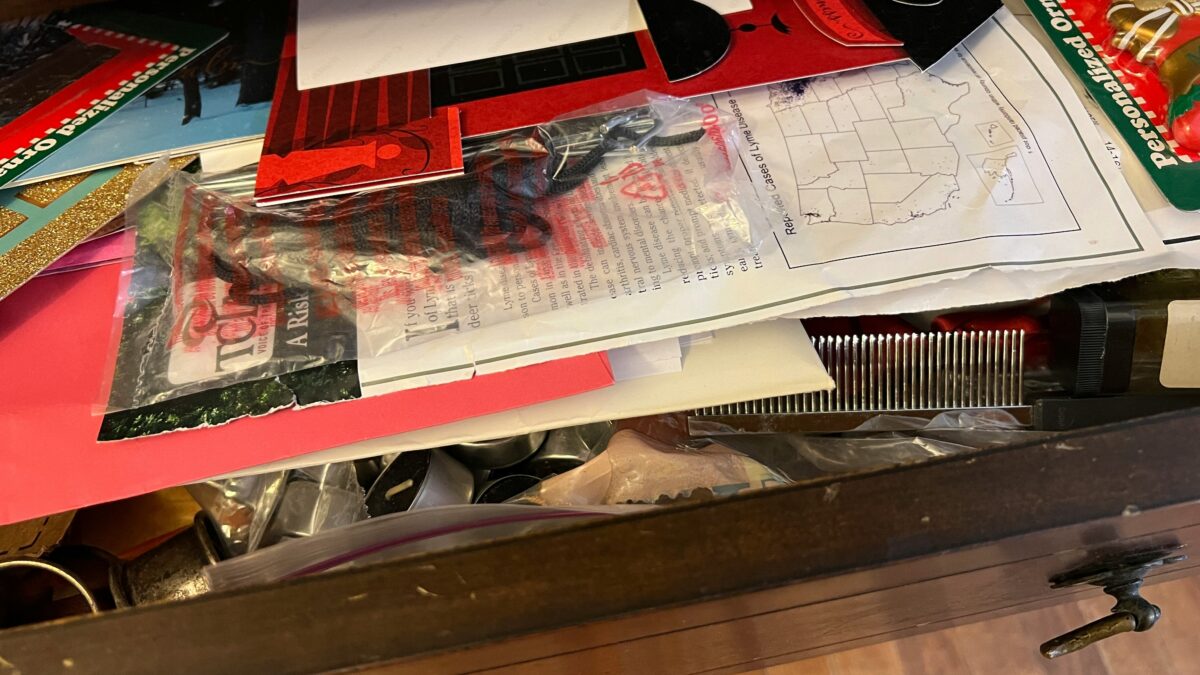
What a ’70s junk drawer actually held wasn’t junk — it was the residue of daily life, the small detritus of a decade that moved fast enough to keep losing things and slow enough that throwing them away felt irresponsible. Every broken watch and dried-up pen was a small bet that things would be needed again, that frugality was a virtue, that nothing should go to waste before it had been truly exhausted.
You could close the drawer and ignore it for years, and when you finally opened it again, it would still be there: patient, crowded, and exactly as you’d left it. Some things don’t need to be useful to matter. They just need to stick around.
More from Go2Tutors!

- The Romanov Crown Jewels and Their Tragic Fate
- 13 Historical Mysteries That Science Still Can’t Solve
- Famous Hoaxes That Fooled the World for Years
- 15 Child Stars with Tragic Adult Lives
- 16 Famous Jewelry Pieces in History
Like Go2Tutors’s content? Follow us on MSN.



