Engineering Feats Experts Said Were Impossible
Throughout history, brilliant minds have looked at seemingly insurmountable challenges and found ways to conquer them. The most remarkable achievements often began with a chorus of experts declaring them impossible, impractical, or downright foolish.
Yet visionaries pushed forward anyway, defying conventional wisdom and reshaping what humanity believed possible. These extraordinary accomplishments didn’t just solve problems—they fundamentally changed how people understood the world around them.
The Panama Canal
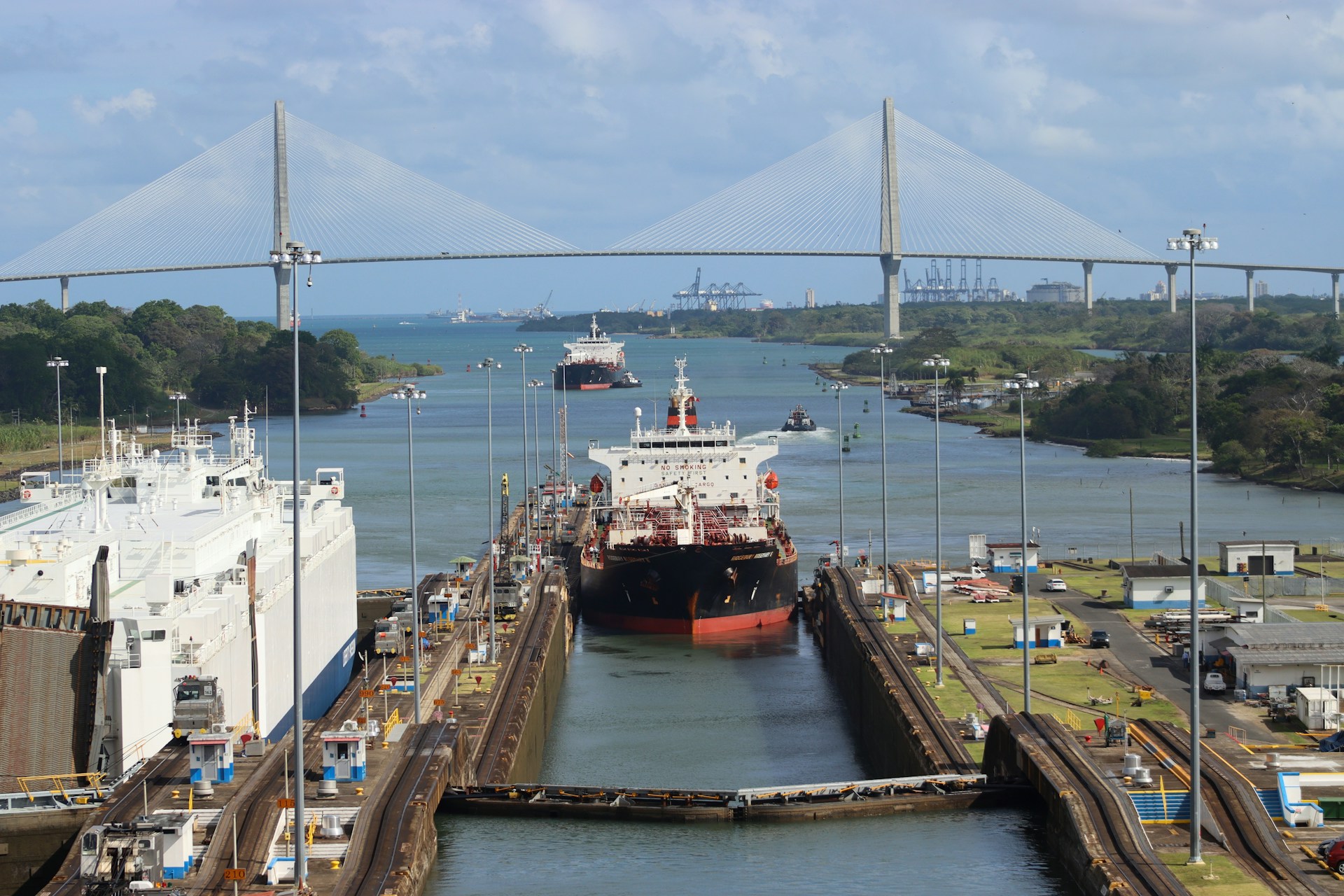
The French tried first and failed spectacularly. Yellow fever and malaria killed thousands of workers.
The terrain was impossible. The engineering challenges seemed insurmountable. Everyone said it couldn’t be done.
The Americans proved them wrong.
The Channel Tunnel
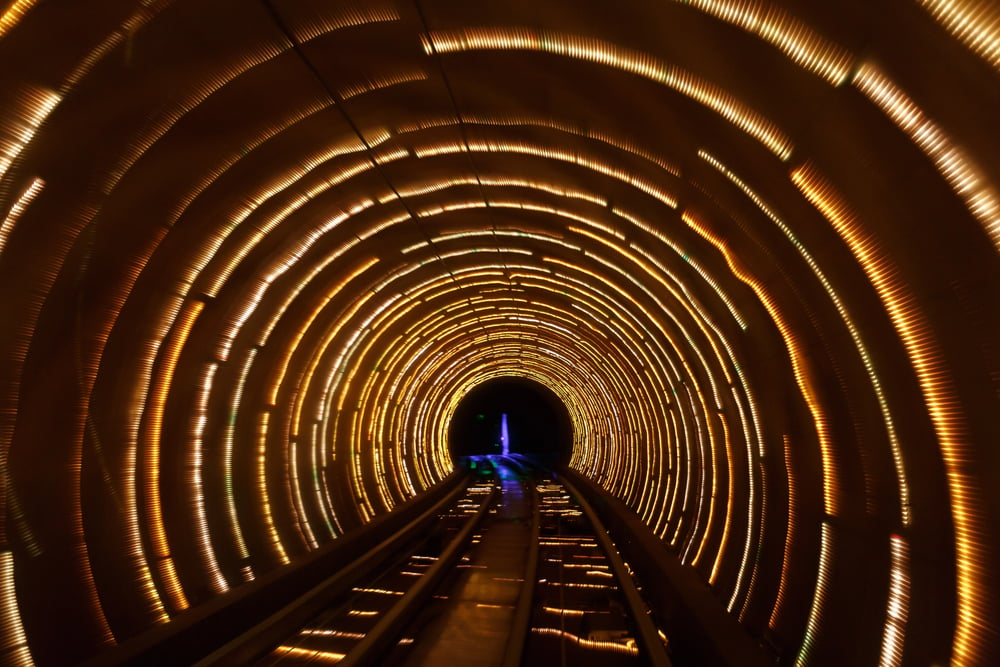
Building a tunnel beneath the English Channel was the kind of project that made seasoned engineers laugh (and not in a good way) because the technical challenges were so overwhelming that even discussing them seriously seemed like a waste of time—imagine boring through unstable chalk layers while dealing with water pressure that could crush equipment, all while maintaining perfect alignment between two crews working from opposite sides of a body of water that had kept Britain isolated for millennia.
The logistics alone were staggering. But the tunnel opened in 1994, connecting Britain to continental Europe in a way that transformed both commerce and culture, proving that sometimes the most audacious dreams become the most essential realities.
Hoover Dam
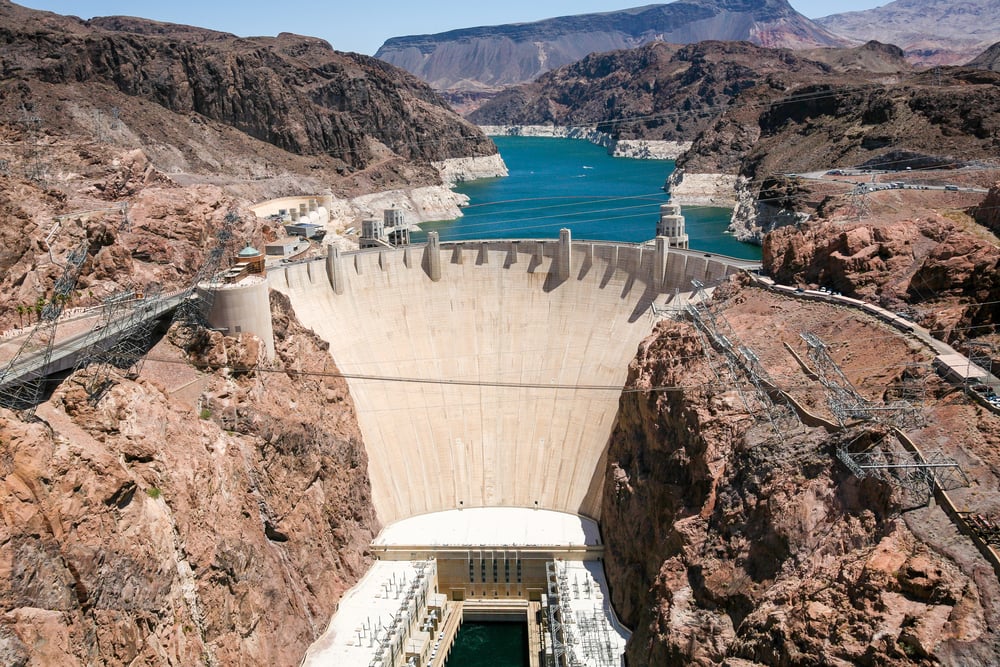
There’s something almost mythical about the idea of stopping a river in its tracks, of taking something as relentless as the Colorado and saying “no further.”
The engineers who first proposed Hoover Dam weren’t just suggesting a construction project—they were proposing to fundamentally alter the relationship between humanity and one of nature’s most powerful forces.
The concrete alone seemed impossible to manage. How do you pour that much concrete without it cracking from its own heat?
The answer required innovation at every level, from the mixing process to the cooling systems embedded within the structure itself. What emerged was more than a dam—it was proof that human ingenuity could reshape entire landscapes.
The Brooklyn Bridge

Suspension bridges don’t work at that scale. The materials weren’t strong enough.
The span was too ambitious. Engineering experts of the 1860s had plenty of reasons why John Roebling’s vision would never become reality.
Turns out they were wrong on every count. The Brooklyn Bridge didn’t just work—it became the template for suspension bridge design worldwide.
Roebling’s use of steel wire instead of iron chains was revolutionary, and his attention to aerodynamic stability solved problems that other engineers didn’t even know existed yet.
The Transcontinental Railroad
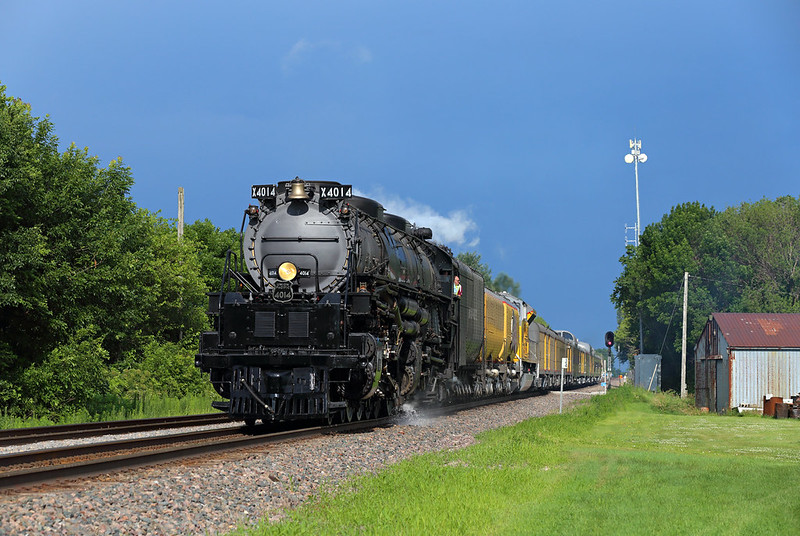
The Sierra Nevada mountains presented challenges that seemed to mock human ambition—granite cliffs that rose thousands of feet, winter storms that could bury entire work crews, and terrain so hostile that even experienced mountaineers approached it with caution, yet somehow Chinese and Irish laborers armed with picks, shovels, and black powder were expected to carve a railroad through landscapes that had defeated every previous attempt at large-scale construction.
The Central Pacific crews had to lower workers in baskets down sheer cliff faces to plant explosives. The Union Pacific dealt with attacks, supply shortages, and the logistical nightmare of building across the Great Plains. And yet, in 1869, the two lines met at Promontory Summit. The impossible had become inevitable.
Burj Khalifa
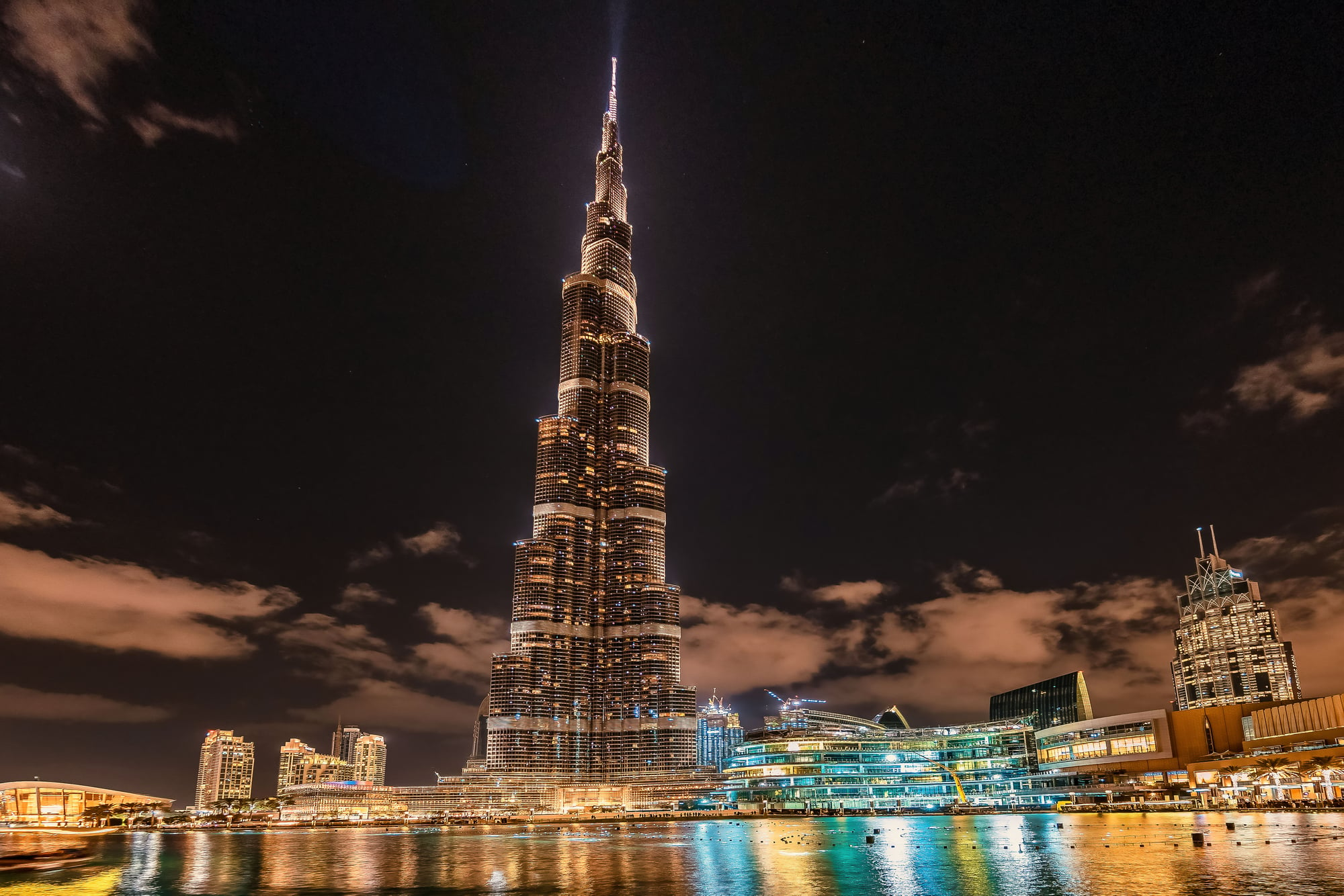
Skyscrapers have limits. Wind load, foundation requirements, elevator logistics—at some point, buildings simply can’t go higher without collapsing under their own complexity.
Every structural engineer knows this, which made the Burj Khalifa’s 828-meter height seem like architectural fantasy rather than achievable reality.
The building required innovations that hadn’t existed when planning began. The concrete had to be specially formulated and poured at night to prevent cracking.
The elevator system needed technological breakthroughs just to function at those heights. Even the shape itself—that spiraling, buttressed design—was developed specifically to handle wind forces that no previous building had ever faced.
The Large Hadron Collider
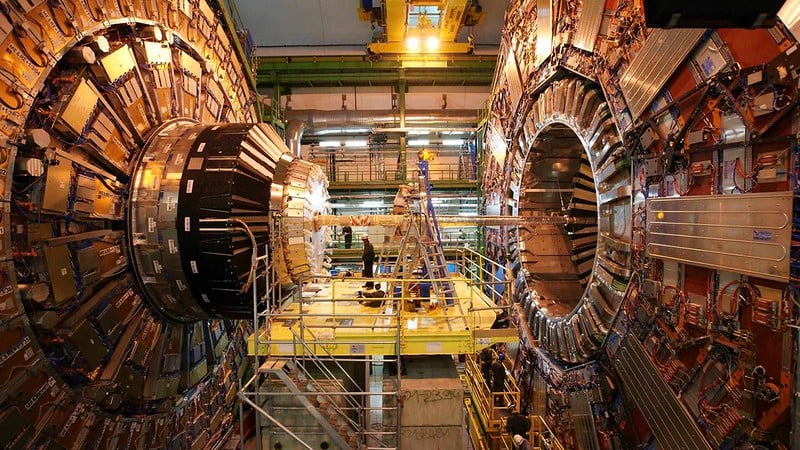
Sometimes the most audacious projects hide their ambition behind technical language, but strip away the jargon and the Large Hadron Collider reveals itself as something almost absurdly ambitious: a 27-kilometer ring buried beneath the French-Swiss border, designed to accelerate particles to nearly the speed of light and smash them together with such precision that the resulting data might unlock fundamental secrets of the universe.
The engineering challenges multiplied at every scale. Superconducting magnets that had to operate at temperatures colder than outer space. Vacuum chambers that maintained emptiness more complete than anything found naturally in the solar system. Detection equipment sensitive enough to track particles that exist for fractions of a second. Critics said the project was too expensive, too complex, too uncertain in its outcomes. The Higgs boson discovery proved them wrong.
The Golden Gate Bridge

Fog, wind, earthquakes, and a mile-wide strait didn’t deter Joseph Strauss. Engineering experts said the Golden Gate was unbridgeable.
The water was too deep. The weather was too unpredictable. The seismic activity made any large structure a gamble with catastrophic stakes.
Strauss and his team solved each problem methodically. They developed new safety protocols that saved lives during construction.
They created foundations that could handle both earthquakes and ship collisions. The result wasn’t just functional—it was beautiful enough to become San Francisco’s defining landmark.
The Internet

The ARPANET began as a modest proposal to connect a few university computers, but the underlying vision—a decentralized network that could route information through multiple pathways and survive partial failures—struck many experts as unnecessarily complex and prohibitively expensive when simpler communication systems already existed and worked perfectly well for most applications (telephone networks had been connecting people across continents for decades, after all).
Why reinvent communication infrastructure from scratch? But the packet-switching protocols and redundant routing that seemed like over-engineering in the 1970s became the foundation for a global information network that transformed human civilization. Sometimes impossible projects become inevitable in retrospect.
Space Shuttle
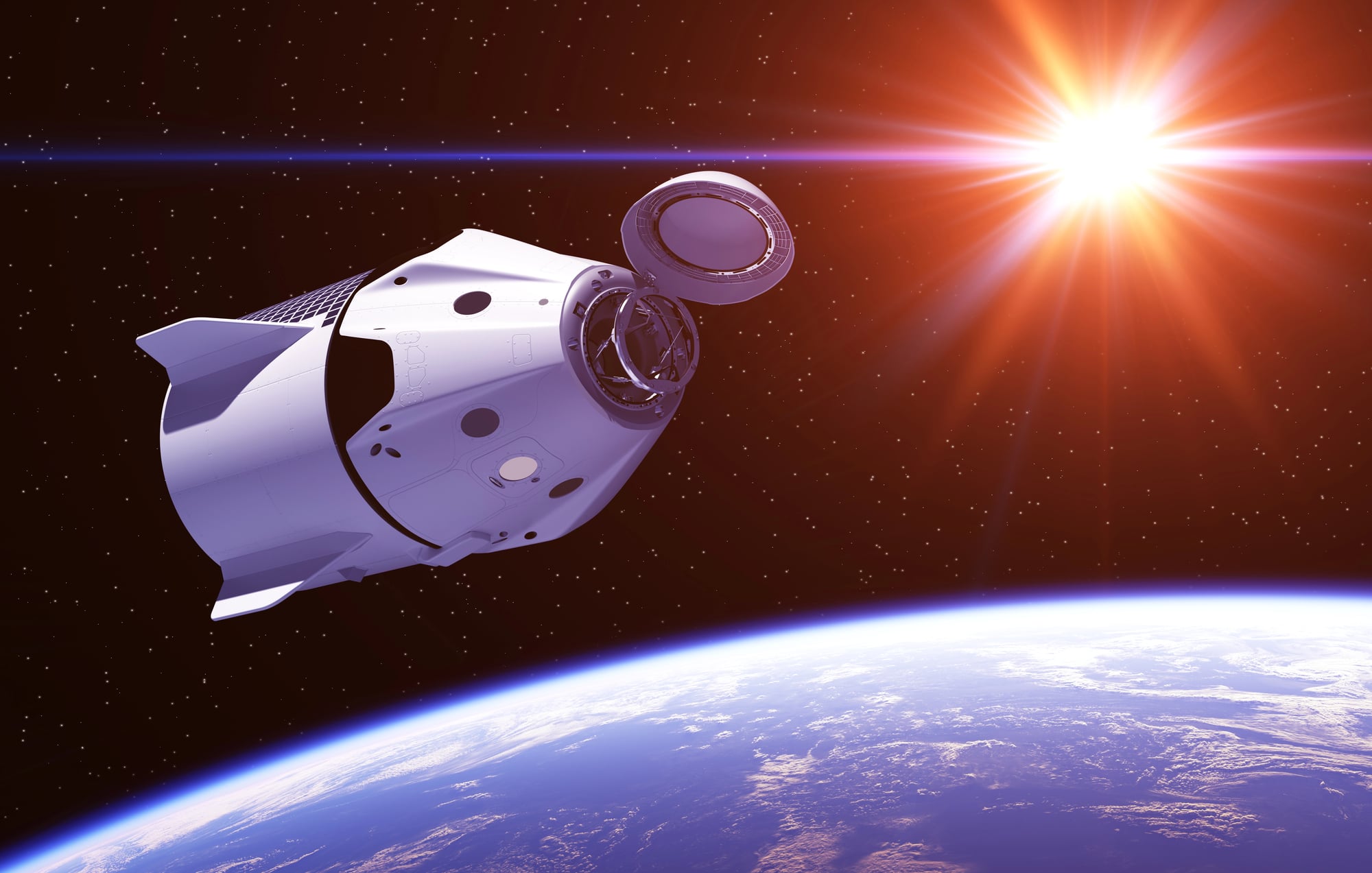
Reusable spacecraft made perfect economic sense on paper and absolutely no sense from an engineering perspective.
The thermal stresses of reentry had never been solved in a way that allowed for repeated use. The complexity of a vehicle that had to function as both spacecraft and airplane pushed every system beyond proven limits.
NASA’s solution required innovations in materials science, aerodynamics, and propulsion that didn’t exist when the program began. Heat-resistant tiles, main engines that could be reused dozens of times, a landing system that gave pilots just one chance to get it right.
The shuttle program proved that impossible engineering challenges sometimes require impossible engineering solutions.
The Millau Bridge
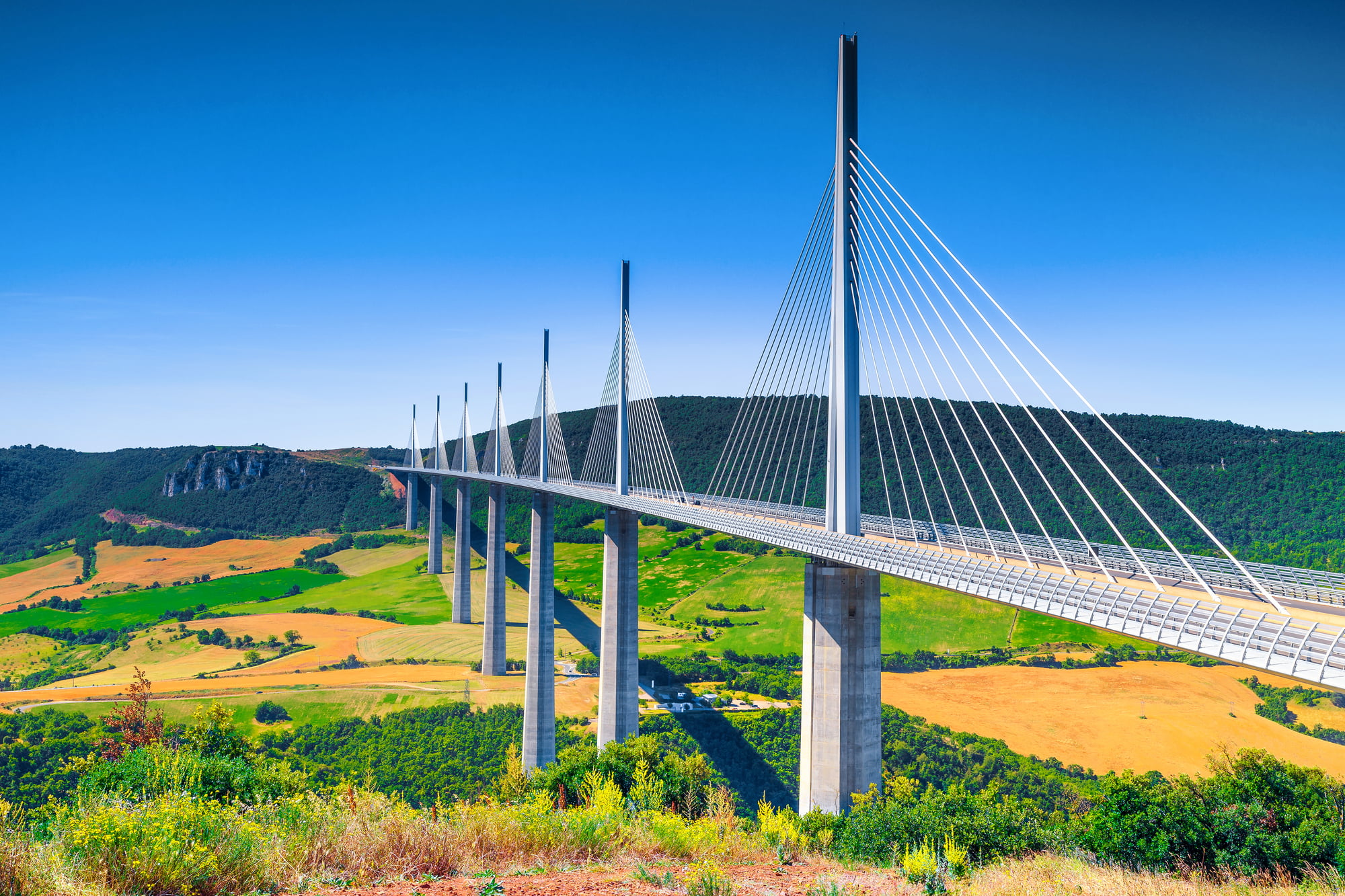
There’s something almost defiant about the way the Millau Bridge crosses the Tarn Valley, its towers rising higher than the Eiffel Tower, its roadway suspended so far above the ground that clouds sometimes obscure the view below.
When engineers first proposed spanning this particular valley in southern France, they weren’t just suggesting a bridge—they were suggesting a structure that would exist in a realm somewhere between earth and sky.
The engineering challenges began with the foundations and grew more complex at every level. How do you build towers that tall while maintaining structural integrity?
How do you handle wind loads at those heights? The cable-stayed design became both solution and masterpiece, distributing weight through geometry that was as elegant as it was effective.
Tesla Gigafactory
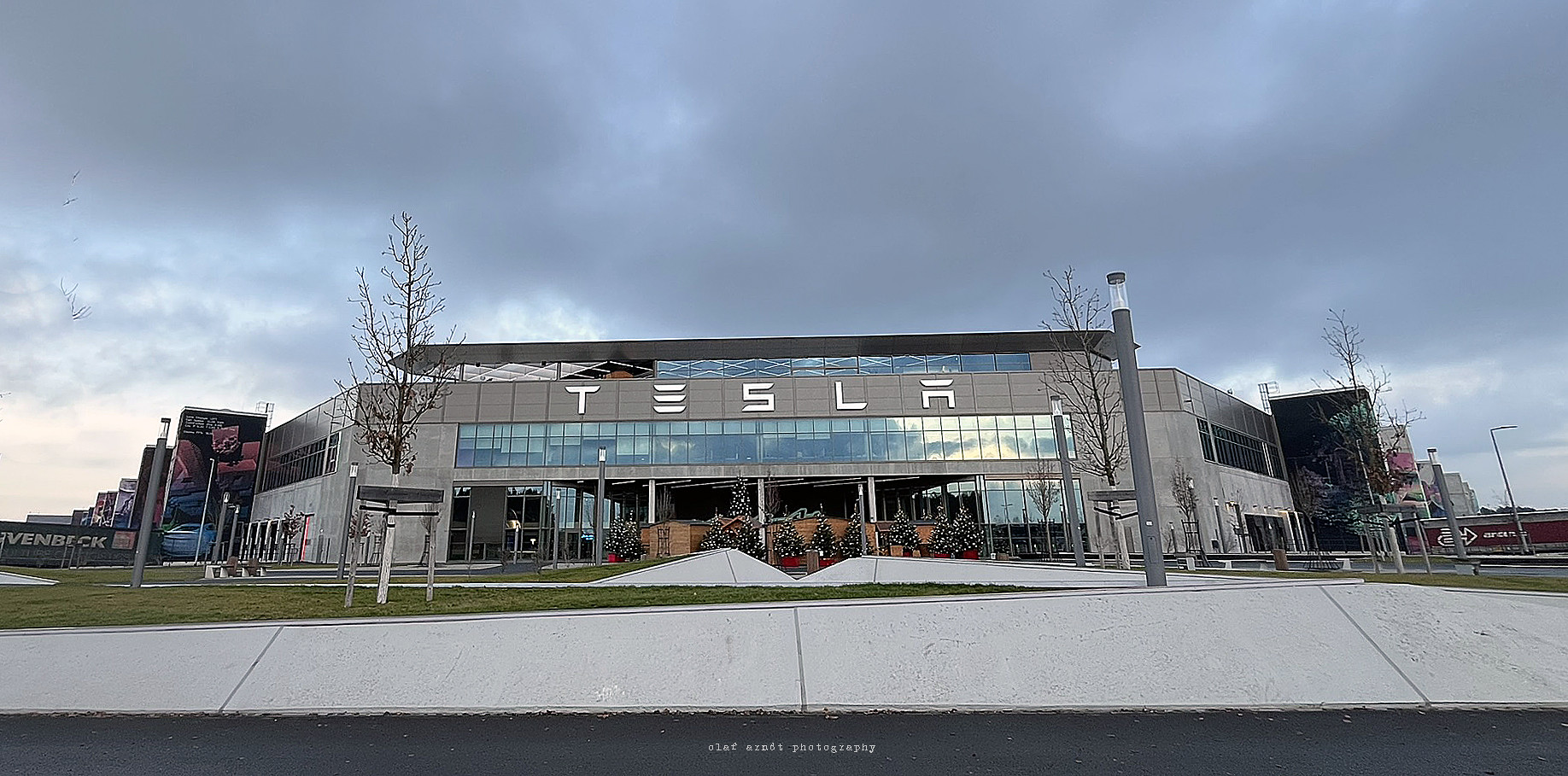
Battery production at scale was a manufacturing problem that had stumped the industry for decades.
The cost curves didn’t work. The space requirements were prohibitive. The quality control challenges multiplied with every increase in volume. Building a single factory that could produce more batteries than the rest of the world combined seemed like the kind of ambitious nonsense that looked good in press releases and terrible in quarterly reports.
The Gigafactory proved that sometimes manufacturing breakthroughs require manufacturing facilities that are themselves breakthroughs.
Automated production lines, vertical integration, and a scale of operation that transformed batteries from expensive components into commodity items. The experts who said it couldn’t be done were thinking too small.
The Human Genome Project
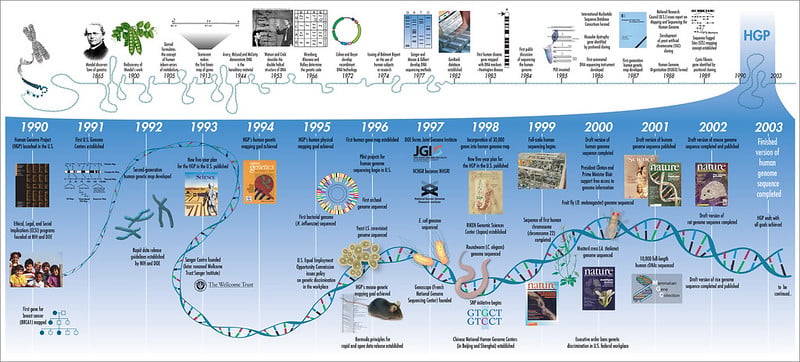
Mapping every gene in human DNA meant identifying and sequencing roughly three billion base pairs with accuracy levels that demanded near-perfection, using technology that barely existed when the project began and computational power that would have to be developed along the way—essentially promising to complete a task that required tools that hadn’t been invented yet, within a timeframe that assumed those tools would work flawlessly once they were created.
The coordination alone seemed impossible. Multiple countries, dozens of laboratories, and thousands of researchers all working toward the same goal without duplicating effort or compromising quality. But the Human Genome Project was completed ahead of schedule and under budget. Turns out the impossible just takes longer than expected.
International Space Station
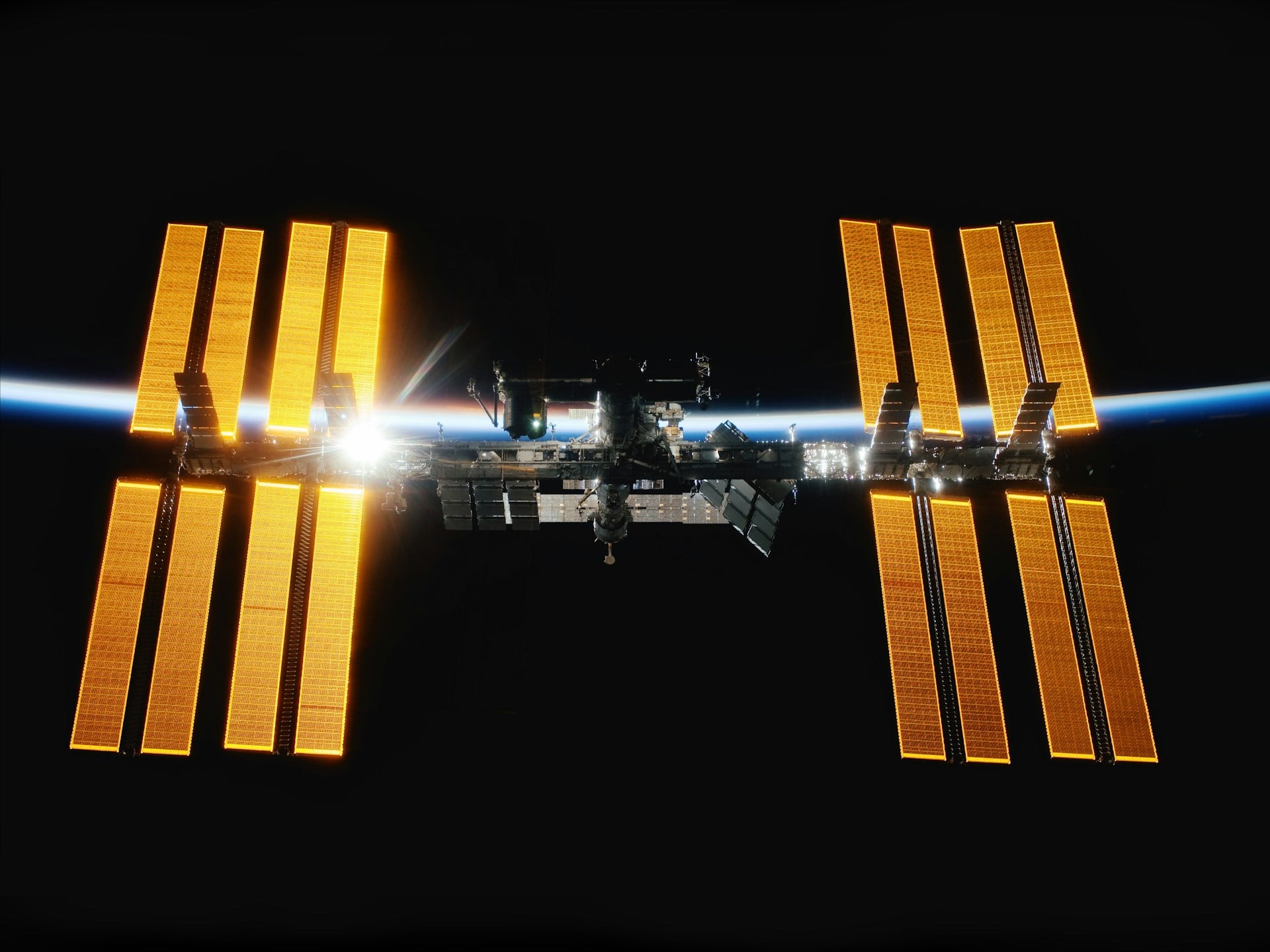
Orbital construction projects don’t have the luxury of trial runs or second chances—every component has to work perfectly the first time, in an environment where even minor mistakes can be catastrophic, using assembly techniques that had never been tested at this scale, all while maintaining life support systems for the astronauts doing the actual construction work.
The ISS required international cooperation at a level that had never been achieved for a technical project.
Russian modules, American laboratories, European supply missions, Japanese experimental facilities—all designed to fit together with tolerances measured in millimeters, assembled by crews working in spacesuits, orbiting Earth at 17,500 miles per hour. Engineering experts had plenty of reasons why it wouldn’t work. It’s been working for over two decades.
When The Impossible Becomes Inevitable
The pattern repeats throughout history with remarkable consistency. Experts identify genuine technical barriers, explain why they can’t be overcome, and then watch as determined engineers find ways around, through, or over those barriers.
What separates these achievements from mere ambition is the willingness to solve problems that don’t yet have solutions, to develop techniques that don’t yet exist, and to persist when persistence seems pointless. The most transformative engineering feats share this quality: they don’t just accomplish their stated goals—they expand the boundaries of what future generations will consider possible.
More from Go2Tutors!

- The Romanov Crown Jewels and Their Tragic Fate
- 13 Historical Mysteries That Science Still Can’t Solve
- Famous Hoaxes That Fooled the World for Years
- 15 Child Stars with Tragic Adult Lives
- 16 Famous Jewelry Pieces in History
Like Go2Tutors’s content? Follow us on MSN.