Objects That Defined Every Decade Since 1900
With inventions that influence how people live, work, and play, every decade makes its mark on history. Some items, such as pocket-sized technology or revolutionary transportation, capture the essence of their era and influence everything that follows.
Some became so iconic that they defined generations, while others revolutionized entire industries or made life easier. An unparalleled wave of innovation occurred in the 20th and early 21st centuries.
Every ten years brought something new that seemed unthinkable only a few years earlier. These items, while not all-inclusive, document significant changes in culture and technology.
Here is a list of 13 objects that became symbols of their decades and fundamentally altered daily life.
Model T Ford
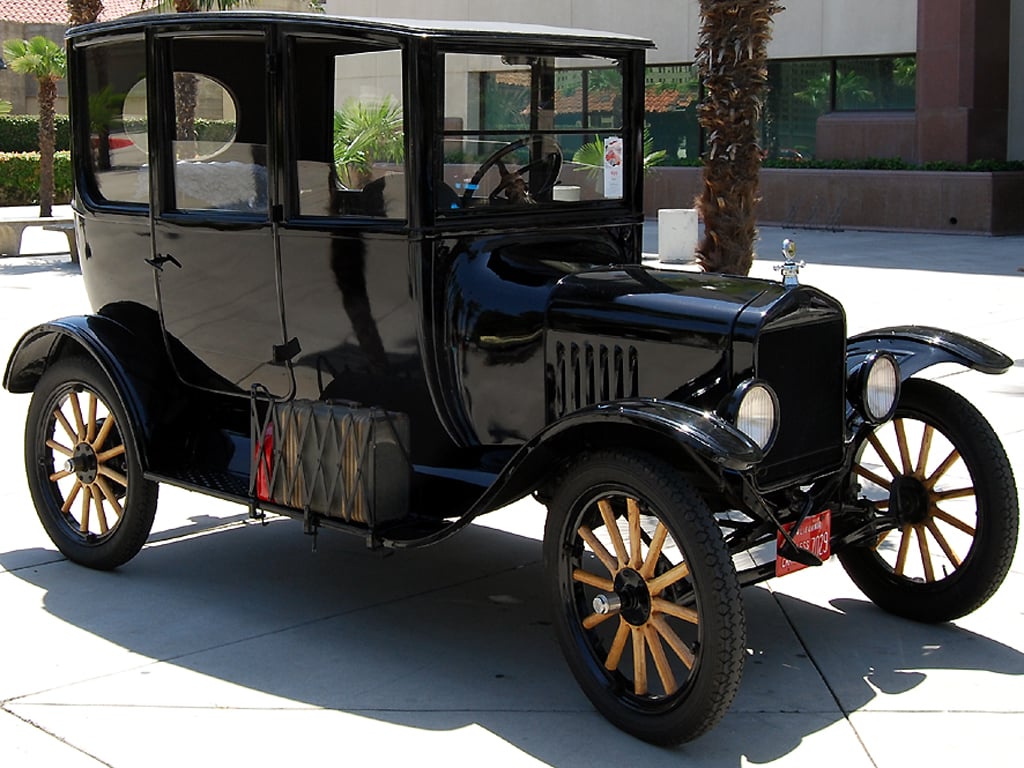
The early 1900s belonged to Henry Ford’s Model T, which rolled off assembly lines starting in 1908. This wasn’t just another car — it was the first automobile that ordinary Americans could actually afford.
Ford’s genius lay in manufacturing efficiency, dropping the price from $850 in 1908 to just $260 by 1925. By the time production ended in 1927, over 15 million units had been produced, transforming America from a nation of horse-drawn carriages to a motorized society.
Radio

Radio emerged during the 1910s and reached mass popularity in the 1920s, bridging two transformative decades. While the first U.S. commercial station KDKA launched in 1920, families had already begun gathering around these wooden boxes to hear news, music, and entertainment broadcast from miles away.
The magic of invisible sound waves carrying voices through the air seemed almost supernatural. Radio connected isolated communities and created shared cultural experiences for the first time in human history.
Flapper Dress

The 1920s roared with liberation, and the flapper dress embodied that rebellious spirit perfectly. Designers like Coco Chanel and Jeanne Lanvin created these drop-waist, knee-length dresses that debuted mid-decade and shocked traditional society by defying Edwardian modesty norms.
Women ditched corsets and embraced looser, more comfortable clothing that let them dance the Charleston without restriction. The flapper dress represented freedom, youth culture, and a complete rejection of Victorian stuffiness.
Jukebox
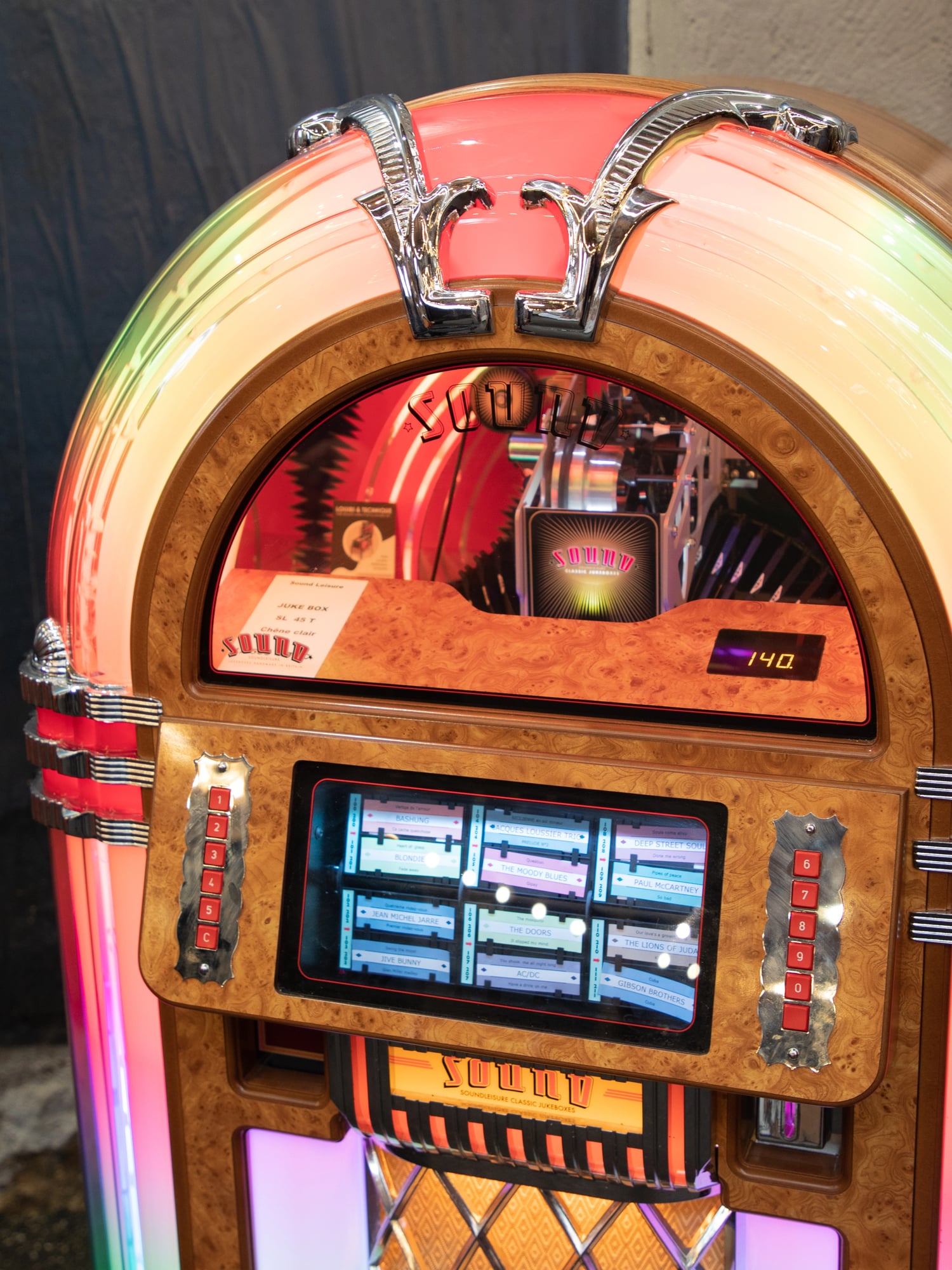
When the Great Depression hit in the 1930s, jukeboxes offered affordable escape. For just a nickel, people could select their favorite songs and forget their troubles for a few minutes.
Early models like Gabler’s Automatic Entertainer appeared in 1933, evolving into the iconic Wurlitzer 1015 by 1946. These coin-operated music machines became fixtures in bars and diners, introducing Americans to jazz, blues, and regional music they’d never hear on mainstream radio.
Television

Television commercialized in the 1940s and exploded in the 1950s, fundamentally changing American life. Only 0.4% of U.S. homes owned TVs in 1948, but that number rocketed past 55% by 1954.
These boxy devices transitioned from laboratory curiosities to living room centerpieces that families rearranged their furniture around. Shows like I Love Lucy and The Ed Sullivan Show became cultural touchstones as Nielsen ratings began standardizing viewership.
Television replaced radio as America’s primary entertainment source and created shared national moments that united the country.
Lava Lamp
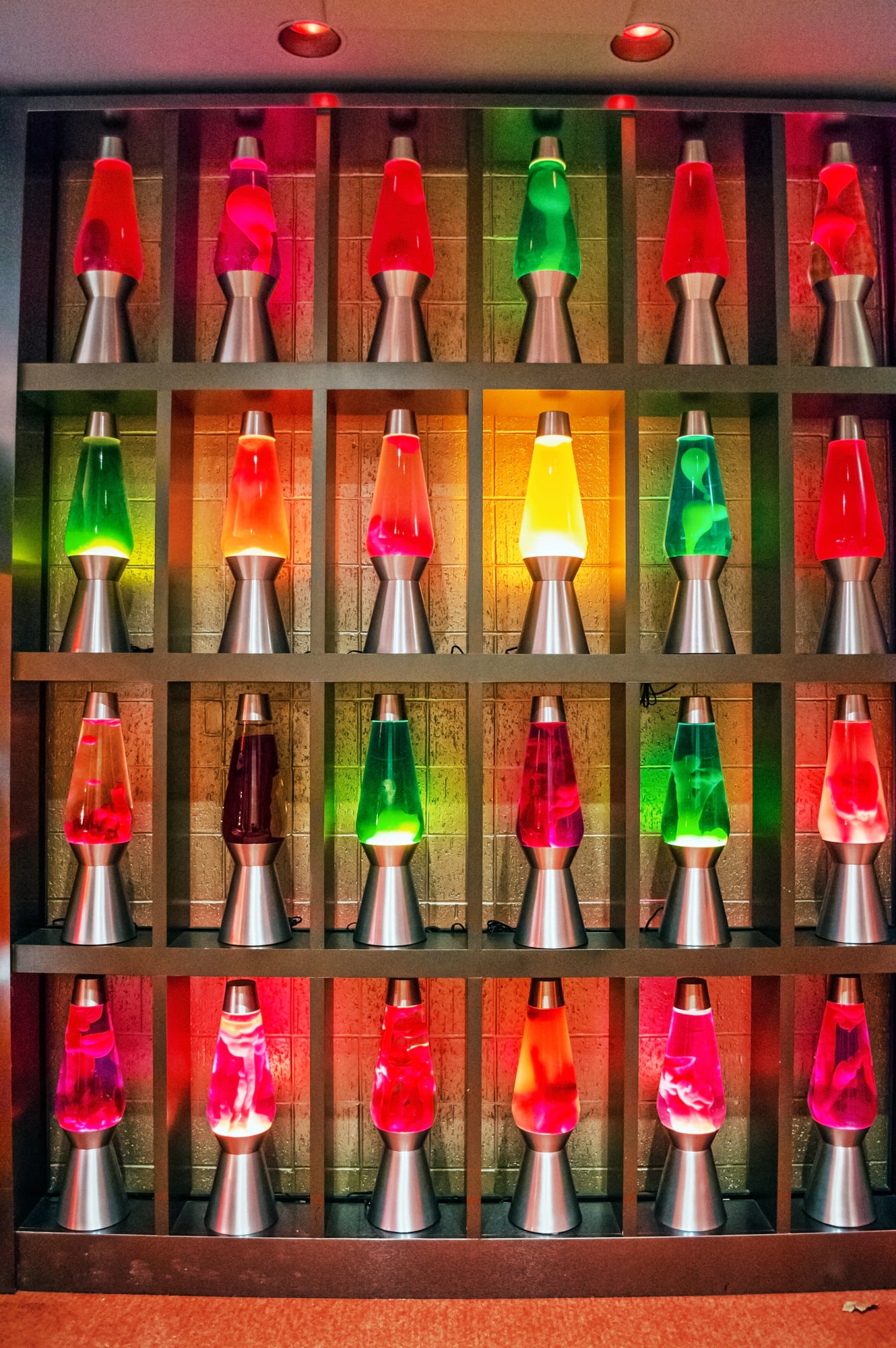
The psychedelic 1960s found their perfect symbol in the lava lamp, invented by Edward Craven Walker and patented in 1963. Marketed as the Astro Lamp and retailing for $10 to $20, these groovy devices featured colorful wax blobs floating hypnotically in liquid, creating mesmerizing patterns.
Lava lamps appeared in dorm rooms, apartments, and anywhere young people gathered to embrace the decade’s experimental spirit. They symbolized psychedelic pop culture, youth rebellion, and a rejection of conventional decor.
Microwave Oven
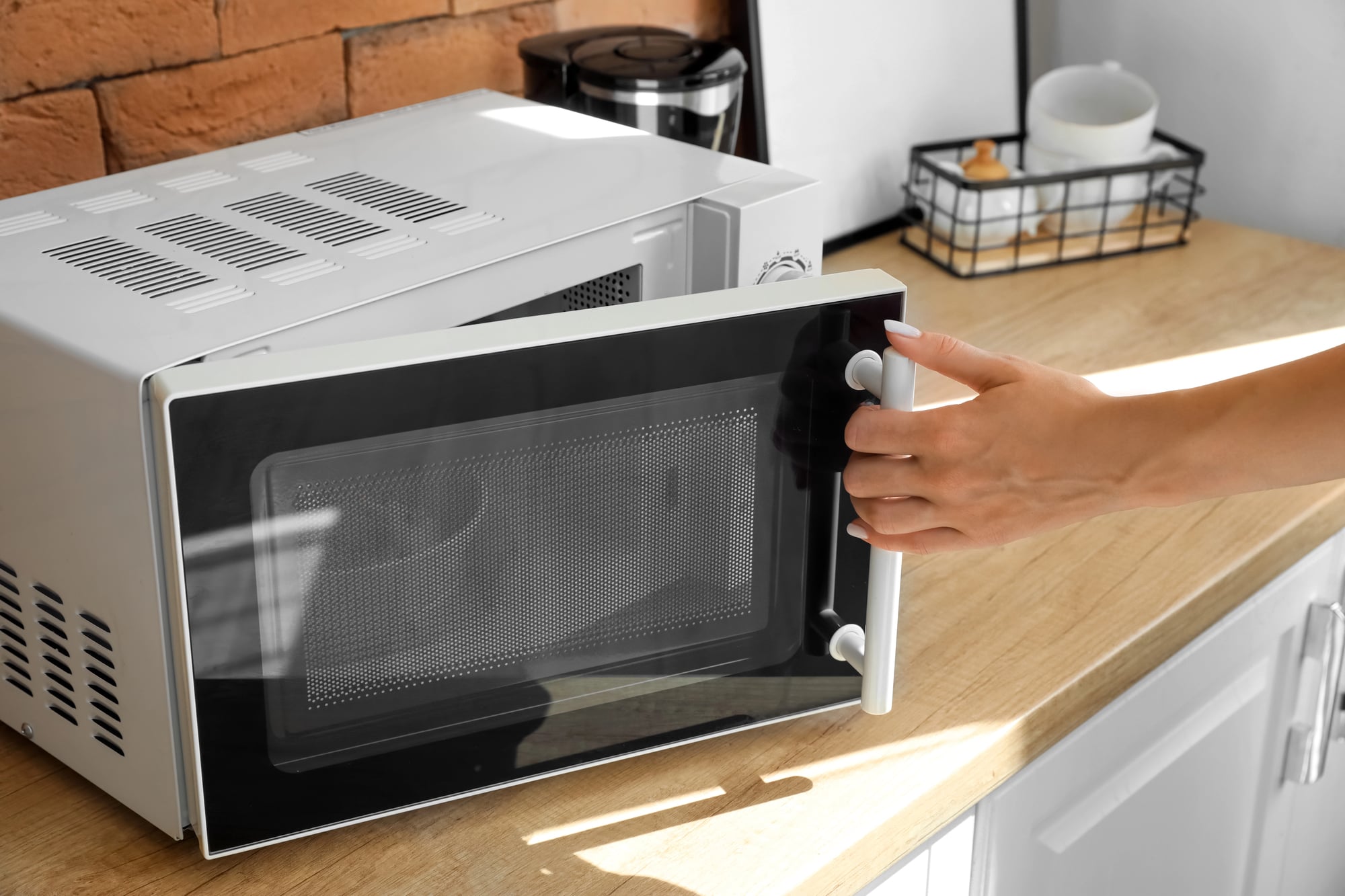
The 1970s brought the microwave oven from industrial kitchens into ordinary homes, forever changing how Americans cooked and ate. While invented in the 1940s, microwaves remained expensive and bulky until the 1970s when prices dropped and countertop models appeared.
Suddenly, reheating leftovers took seconds instead of minutes, and frozen dinners became a staple of busy households. The microwave represented the decade’s embrace of convenience and speed, matching the fast-paced lifestyle that defined the era.
By 1975, microwave ovens outsold gas ranges for the first time.
Sony Walkman
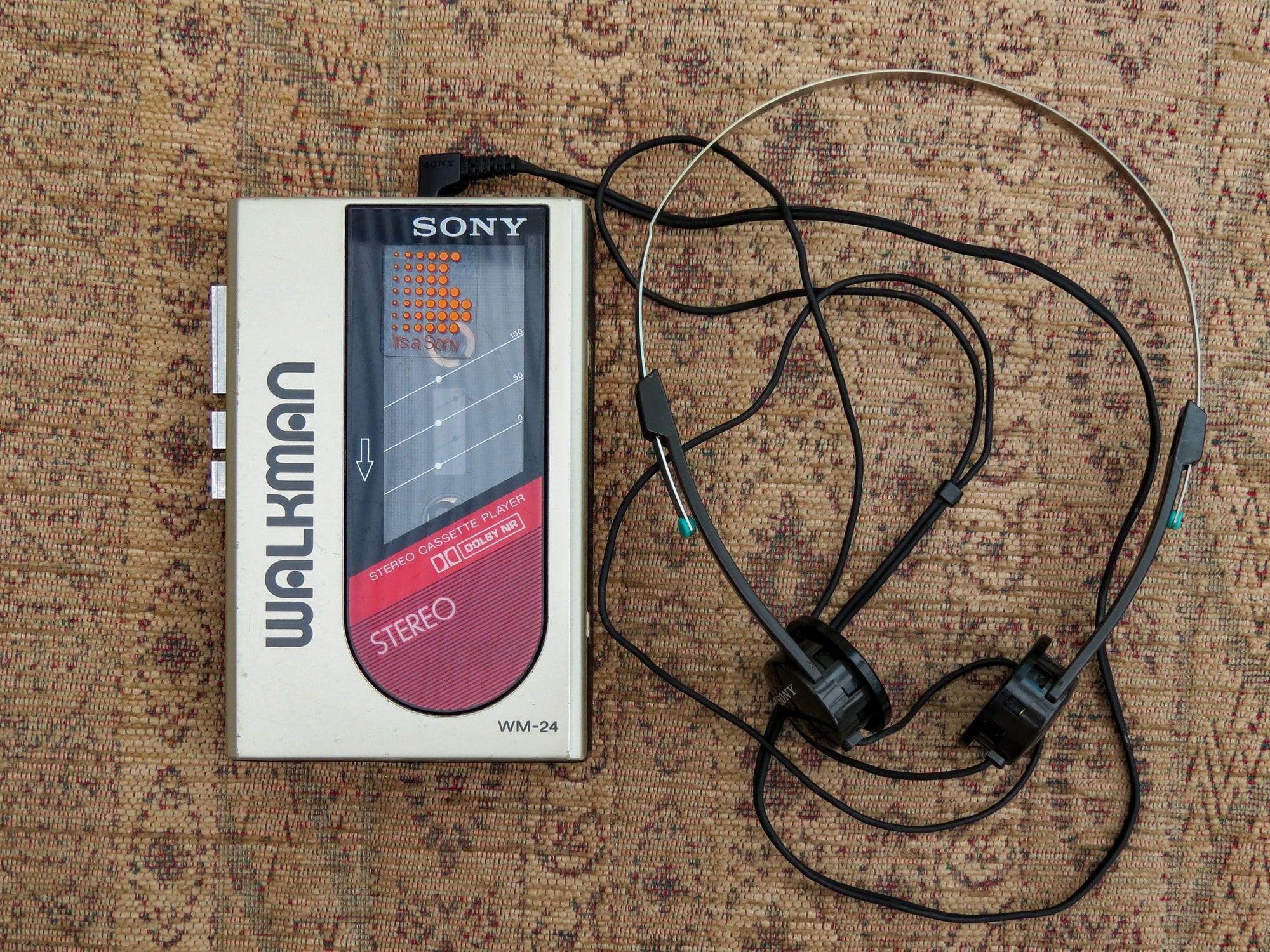
Nothing defined personal freedom quite like the Sony Walkman, which launched July 1, 1979 in Japan and became the soundtrack of the 1980s. The TPS-L2 model suddenly made your music collection portable.
People jogged, commuted, and hung out while listening to their own private soundtracks through lightweight headphones. Over 200 million units sold worldwide by the early 2000s.
The Walkman changed how humans experienced public spaces and kicked off the aerobics craze by making exercise more enjoyable.
Personal Computer
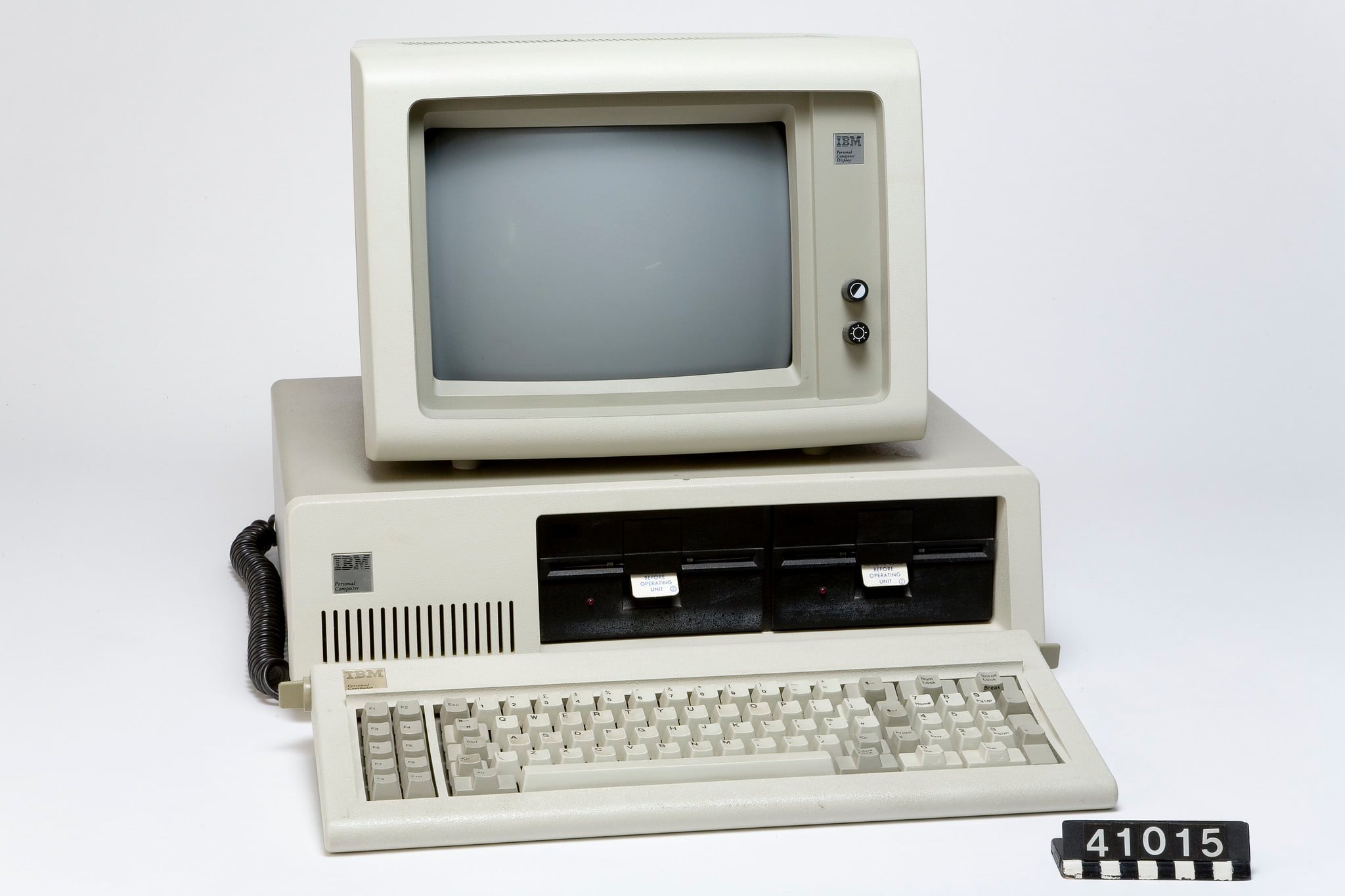
The 1980s witnessed IBM’s Personal Computer standardize the platform when it launched August 12, 1981. Though early competitors like the Apple II and Commodore 64 existed, IBM legitimized what hobbyists had been tinkering with for years.
These beige boxes with clunky keyboards couldn’t do much by today’s standards, but they brought computing power into homes and offices. The PC revolution set the stage for the digital transformation that would accelerate through the coming decades.
Videocassette Recorder
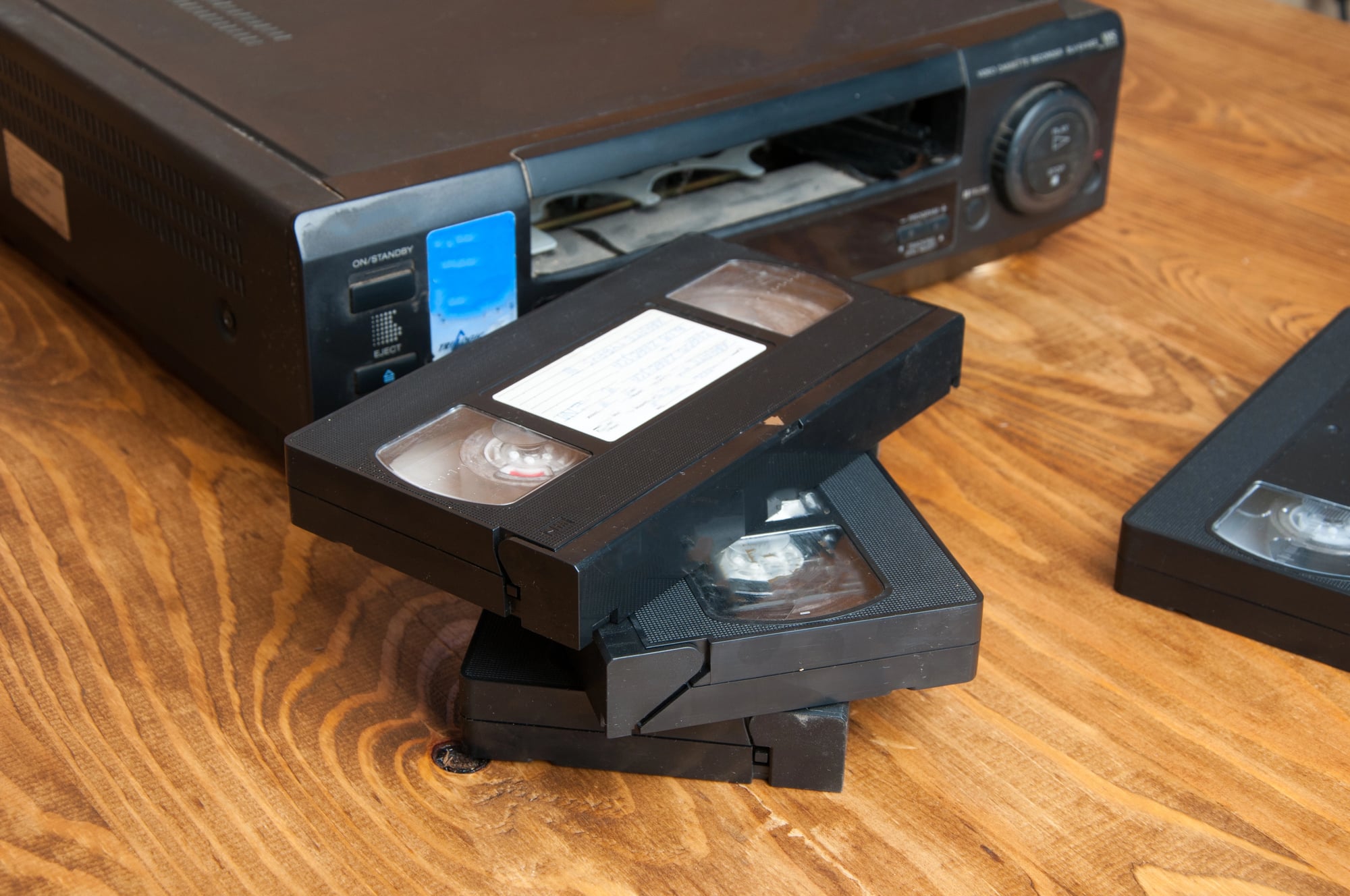
Consumer videocassette recorders first appeared in the late 1970s with Sony Betamax in 1975 and VHS in 1976, but VCRs truly dominated the 1980s after VHS overtook Betamax by 1988. These machines liberated viewers from television’s tyranny.
For the first time, people could record shows and watch them whenever convenient, fast-forwarding through commercials like rebels. Video rental stores popped up everywhere, turning movie night into a ritual of browsing physical tapes.
iPod
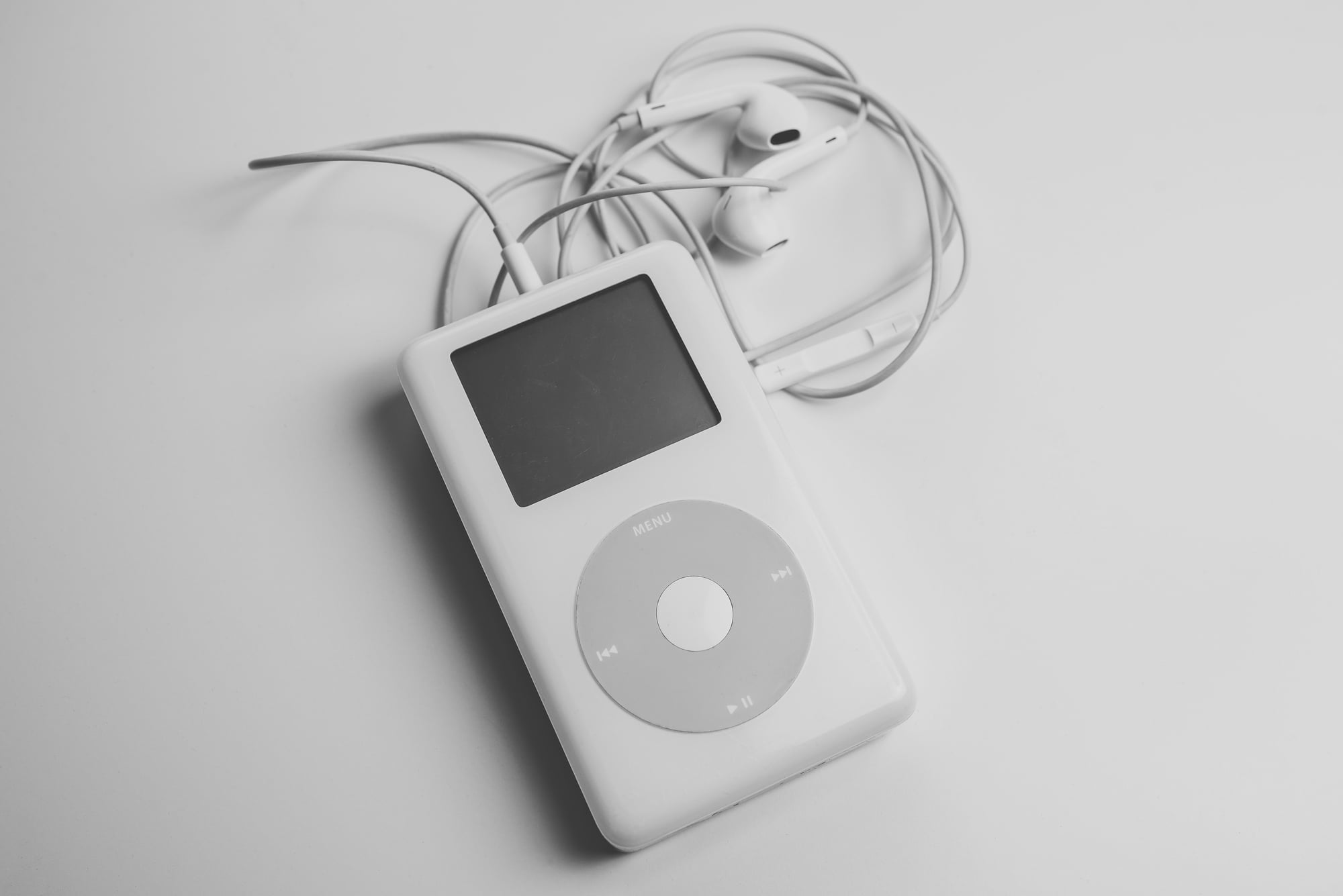
When Apple launched the iPod on October 23, 2001, Steve Jobs promised “1,000 songs in your pocket” with its 5GB capacity. That seemingly impossible claim became reality and transformed how people consumed music throughout the 2000s.
The iPod’s iconic white earbuds became a fashion statement and status symbol. Over 400 million iPods sold before discontinuation in 2022.
Combined with iTunes, Apple created an ecosystem that rescued the music industry from piracy while making digital music mainstream.
iPhone

The iPhone launched June 29, 2007, and didn’t just create a new product category — it redefined what a phone could be. Steve Jobs unveiled it as “an iPod, a phone, and an Internet communicator” in one sleek device with a revolutionary touchscreen.
Smartphones existed before, but the iPhone established the design language and functionality that every modern phone now follows. By the 2010s, with over 2.3 billion units sold globally by 2024, the smartphone had become humanity’s constant companion.
AirPods
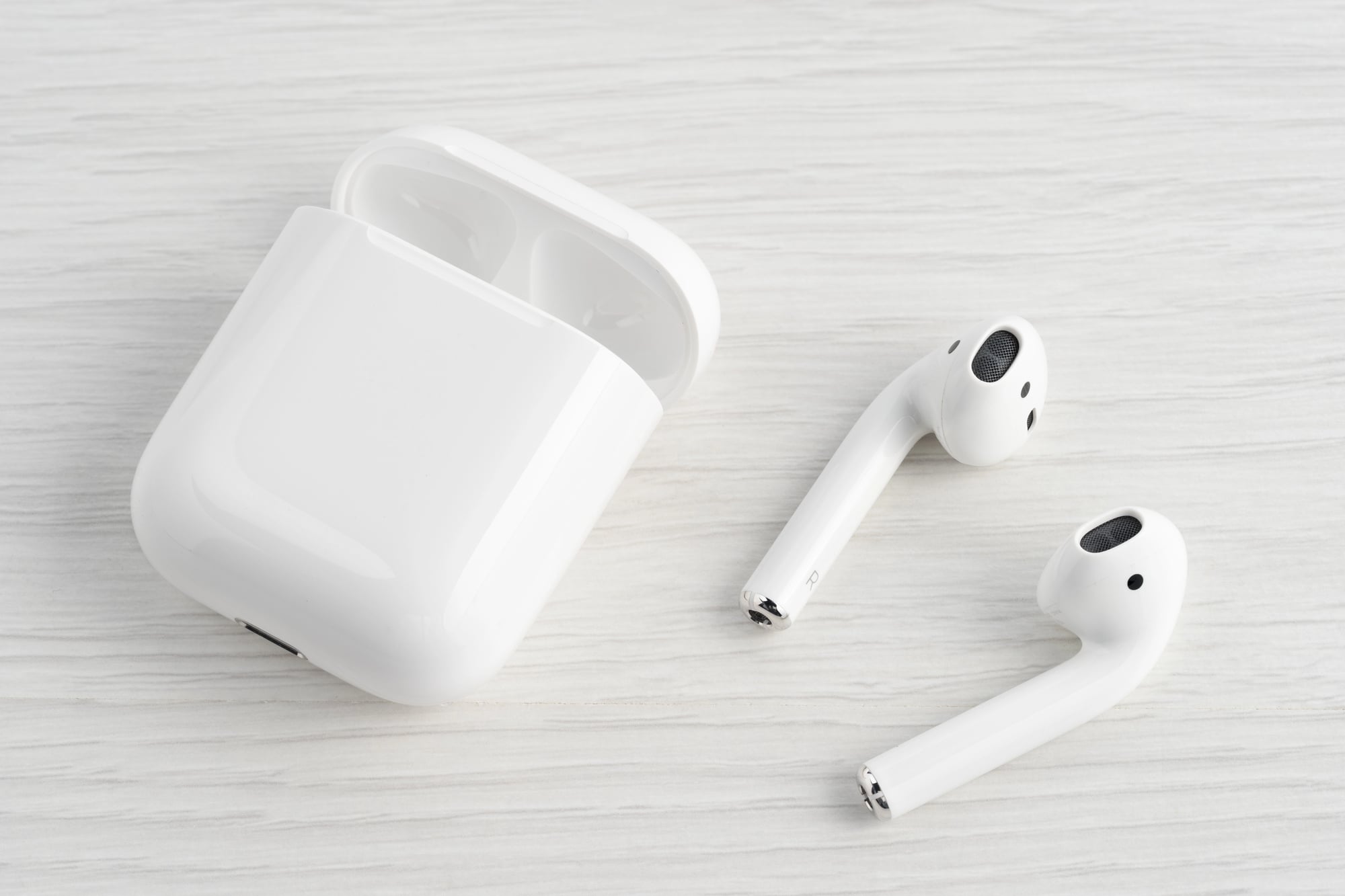
Apple’s wireless earbuds were announced September 7, 2016 and released December 13, 2016, quickly becoming the defining accessory of the late 2010s and 2020s. People mocked their stem-like design initially, but AirPods became the world’s best-selling wireless earbuds by 2019 and ubiquitous symbols of modern life.
Follow-ups like AirPods Pro and AirPods Max cemented their dominance. They represented the final cutting of the cord — literally — between people and their devices.
From Wheels to Wireless

Despite a sharp increase in speed, technology is always evolving. While new iPhone models are released every year, the Model T took years to become affordable.
Humanity’s relationship with things that make life simpler, more enjoyable, or more connected hasn’t changed. The defining item of each decade built on the one before it, resulting in the hyperconnected, instant-access world we live in today.
These century-defining inventions that shaped modern life will be responsible for the technological innovations of tomorrow, such as wearable computing and AI assistants, which may make today’s gadgets seem outdated.
More from Go2Tutors!

- The Romanov Crown Jewels and Their Tragic Fate
- 13 Historical Mysteries That Science Still Can’t Solve
- Famous Hoaxes That Fooled the World for Years
- 15 Child Stars with Tragic Adult Lives
- 16 Famous Jewelry Pieces in History
Like Go2Tutors’s content? Follow us on MSN.



